The Game Awards’ 2026 nominees have arrived, and the annual ritual is already underway: celebration for the games that made the ballot, followed immediately by a forensic examination of every game, performance, category, and conspicuously empty space that did not.
That response is not evidence that the nominations are worthless. It is evidence that a large awards ballot is trying to describe a year of games with a limited number of slots and a jury made up of more than 100 outlets. No panel that large can capture every audience’s priorities, much less every genre community’s idea of excellence. But a few omissions stand out because they raise a more useful question than “Why wasn’t my favorite nominated?” They ask whether certain categories are looking broadly enough at what they claim to honor.
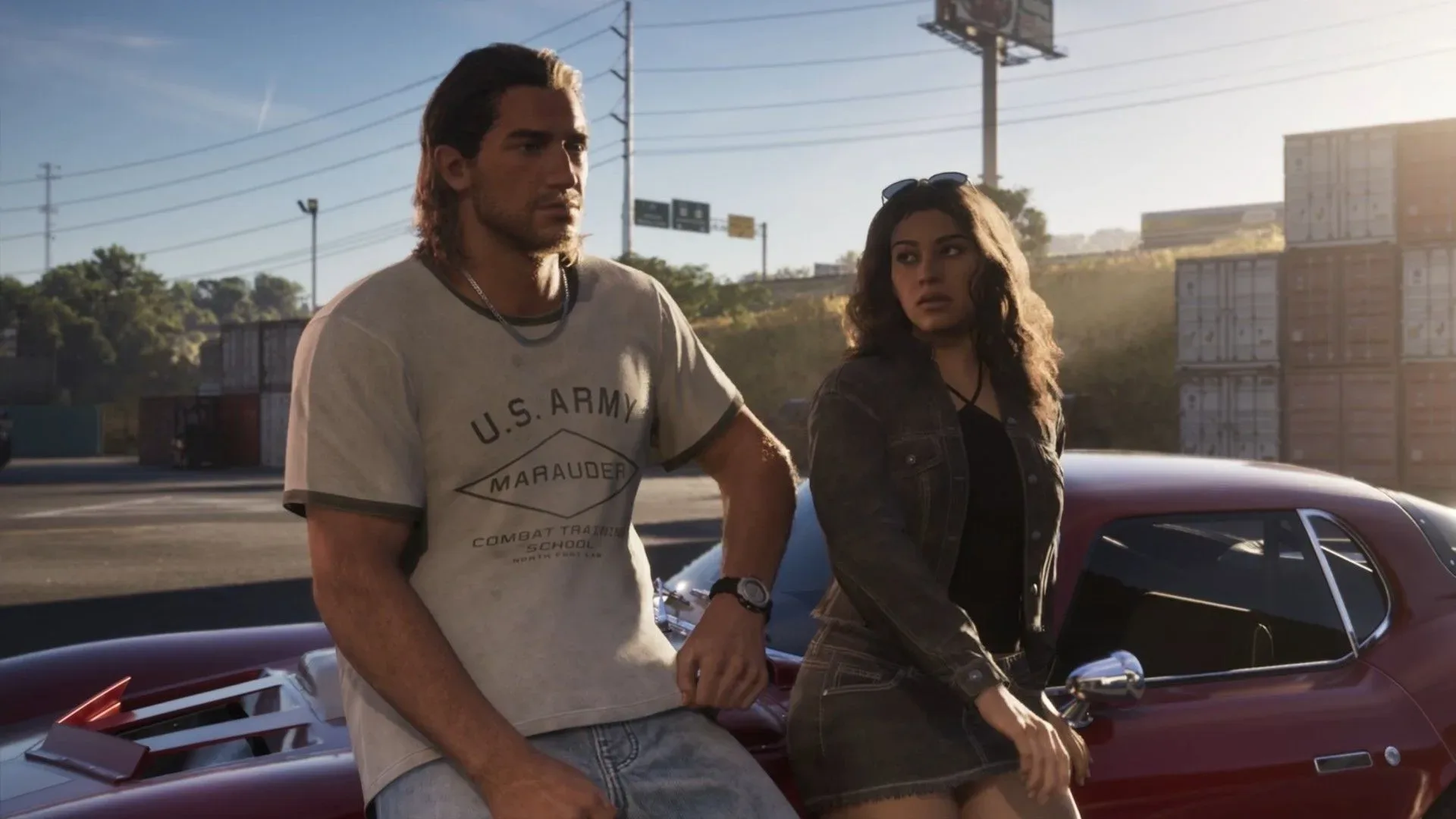
The headline nomination story has naturally centered on Grand Theft Auto 6 leading The Game Awards 2026 nominations, despite the oddity of a game attracting that level of attention before release. Elsewhere on the ballot, though, the omissions around ongoing games, visual design, genre classification, and adaptation make for a more revealing debate.
Best Ongoing Game needs a wider lens
The sharpest criticism is aimed not at one excluded game but at the shape of the Best Ongoing Game category itself. This year’s nominees are Arc Raiders, The Witcher 3: Wild Hunt, Final Fantasy XIV, Fortnite, and No Man’s Sky. Three of those names—The Witcher 3, Final Fantasy XIV, and No Man’s Sky—have appeared in and out of the category for years.
That consistency can be read generously. A long-running game does not stop deserving recognition simply because it has won before; sustained support is difficult, and teams can continue making meaningful expansions and updates long after launch. The problem is what repetition communicates. If the same games dominate a category intended to recognize an evolving, actively supported space, the ballot can start to look less like a survey of a year’s work and more like a list of the properties voters reliably return to.
Best Ongoing Game is, in practical terms, a category about post-launch stewardship. It covers games that remain active through updates, expansions, added systems, or other continuing development. That is broader than a popularity contest and broader than a verdict on which title had the strongest original release. The category therefore ought to be especially alert to change: what a game’s developers actually delivered during the eligibility period, and how substantially that work altered or improved the experience.
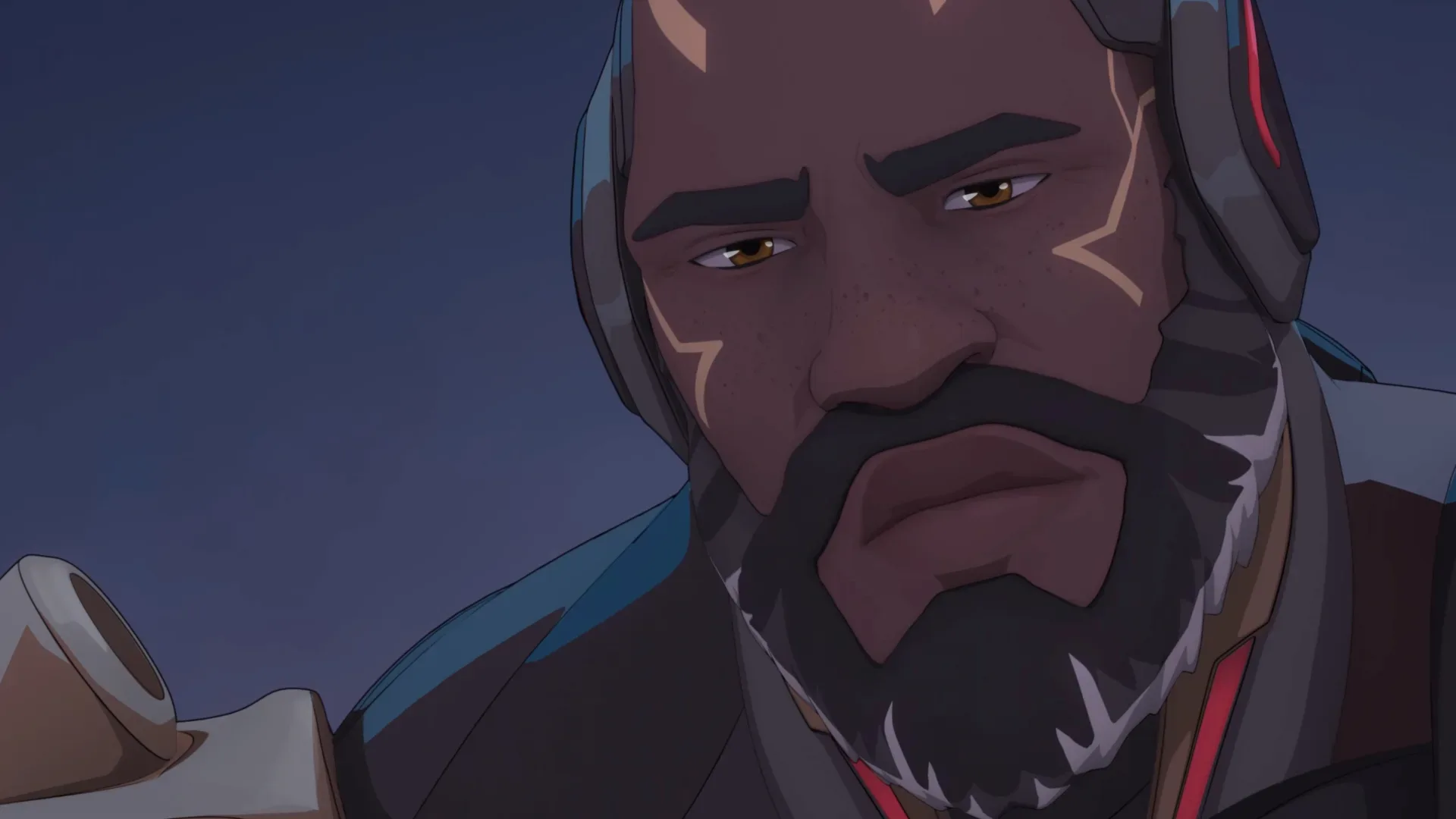
Overwatch is one clear omission in that frame. Its reboot reportedly included a revamped story and 10 new heroes, an unusually large roster addition in a single year. World of Warcraft also had a substantial year without receiving a nomination. Neither absence proves that either should have displaced a nominee. It does show why the category’s repeat-player problem has teeth. If major work on recognizable, still-active games struggles to break through, it is reasonable to wonder what chance less familiar live-service communities have.
The argument is not that Final Fantasy XIV, Fortnite, No Man’s Sky, or The Witcher 3 should be penalized for longevity. It is that longevity should not become an automatic qualification. A healthier Best Ongoing Game shortlist would make room for both established success stories and titles whose specific year of support was exceptional.
Related coverage includes The Biggest 2026 Game Awards Snubs, From Marathon to Overwatch.
Marathon’s art-direction absence lands differently
Marathon is more divisive as an overall game, which is exactly why its Best Art Direction omission has prompted so much surprise. A game does not need universal consensus to have a persuasive case for a craft category. In fact, separating those judgments is one of the most valuable things an awards ballot can do.
Art direction is not merely a measure of graphical fidelity or technical horsepower. It concerns the visual identity of a game: the coherence of its aesthetic choices, how recognizable its spaces and characters are, and whether its look serves a distinct creative point of view. A game can be controversial, mechanically polarizing, or simply not played by everyone on the jury and still make a powerful case on those terms.
Bungie’s extraction shooter clearly connected deeply with part of its audience, even if its reception was not uniform. That makes Marathon’s absence from the art category more notable than a general snub complaint. The conversation around it is not necessarily insisting that every part of the game deserved a prize; it is challenging the notion that visual authorship did not warrant one of the nomination slots.
Award categories are at their most credible when they are willing to acknowledge excellence in one discipline independently from a game’s total critical consensus. Marathon is the kind of case that tests whether Best Art Direction is being used to reward unmistakable artistic design, or merely to give another nod to games already broadly accepted as contenders.
Crimson Desert and the cost of a difficult entry point
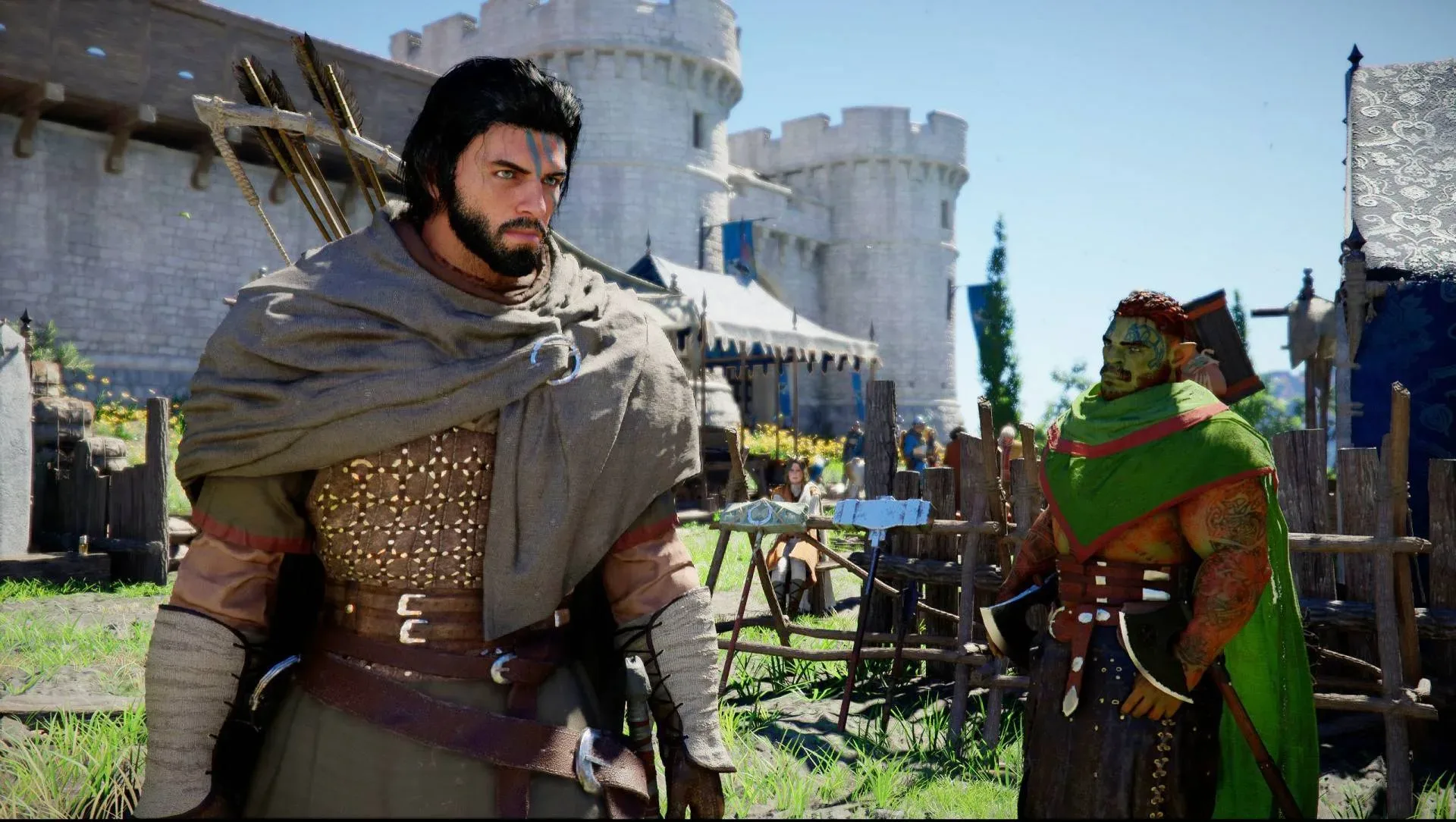
Crimson Desert received one nomination, for Best Community Support. For a game from Pearl Abyss that inspired genuine enthusiasm among players who clicked with it, that narrow recognition has felt thin.
There is an important complication: its control scheme has been described as convoluted enough to put some players off. Controls are not a small detail in an action RPG. They are the interface between a player and everything the game asks them to do, so a demanding or unintuitive setup can determine whether audiences ever see the game’s other strengths.
Still, an awkward entry point and a lack of broader nominations are not identical claims. A difficult control scheme can help explain a split reception; it does not settle whether the game excelled in design, performance, art, or other areas. Crimson Desert’s solitary community-support nod is thus a reminder that awards visibility often follows the paths games make easiest for voters to travel. When a title is divisive or harder to approach, its supporters may be left arguing for parts of it that a wider group never embraced.
That does not make the community-support nomination meaningless. It identifies a specific area where the game earned recognition. But it also leaves a lingering question: did a rougher first impression obscure a richer game for enough of the jury to limit it to one category?
Where does Fire Emblem belong?
Fire Emblem: Fortune’s Weave earned a Best RPG nomination, but no Strategy nomination. That placement is striking because the two preceding series entries, Three Houses and Engage, were nominated in Strategy in their respective years.
This is not a trivial filing issue. Genre categories establish what voters are being asked to notice. Fire Emblem games have long been associated with tactical decision-making as well as role-playing elements. A Best RPG nod recognizes Fortune’s Weave within one tradition, while the lack of a Strategy nomination means it is not being acknowledged through another lens that earlier entries reached.
There may be plenty of reasons a jury lands differently from year to year, and a nomination history is not an entitlement. Yet consistency matters when a series sits at a genre boundary. If a game is evaluated only as an RPG, the discussion may lean toward its role-playing structure and leave less room to weigh its strategic identity. For fans, the perceived snub is not simply “one more nomination would be nice.” It is that a defining part of what makes Fire Emblem Fire Emblem may have fallen outside the year’s official conversation.
Gears of War: E-Day was recognized—just not at the top
Gears of War: E-Day is not an example of a game erased from the nominations. The Coalition’s prequel to the 2006 original received nods for Action Game, Innovation in Accessibility, and Best Multiplayer. Those are meaningful acknowledgments, and they point to a game that registered with voters across several areas.
The objection from its most committed supporters is specifically about the ceiling. They wanted a Game of the Year nomination, with some also questioning the lack of recognition for art direction and Marcus’ voice actor. That is a different type of disappointment from the Marathon or Crimson Desert conversations. Here, the argument is not that E-Day went unseen; it is that the ballot appreciated parts of it without elevating the whole package into the year’s highest-profile race.
This is the unavoidable friction of Game of the Year categories. Individual awards can distribute credit across disciplines, but the top prize is a much scarcer endorsement. A title can earn several nominations and still be interpreted by fans as undervalued if it misses that central group. For Xbox diehards in particular, E-Day’s omissions have become a measure of the gap between a game’s standing within its community and its standing across the full jury.
Best Adaptation has its own taste problem
The adaptation category has also attracted an unusually blunt complaint: Street Fighter was left out while The Super Mario Galaxy Movie made the list. The criticism is not a sober claim that Street Fighter is conventionally polished. Its defenders instead embrace its strange, messy appeal—the kind of movie whose memorable excesses can become part of its argument as an adaptation.
That debate illustrates a broader challenge for Best Adaptation. The category is not only judging whether a film or series is well made; it is also judging how effectively it translates the character, tone, imagery, or spirit of a game into a different medium. Those standards can pull in different directions. A straightforwardly competent adaptation can be easier to reward than an odd, unruly one that connects to fans precisely because it is so singular.
Last year’s exclusion of Sonic the Hedgehog 3, alongside a win for the second season of The Last of Us, already left some viewers skeptical about what the category values. Street Fighter’s omission adds another flare to that dispute. The problem may not be that the category has no standards. It may be that audiences hold several competing standards at once—craft, faithfulness, entertainment value, and personality—and nominees cannot satisfy every one.
The real snub is often category imagination
Not every grievance deserves to overturn a ballot. Awards cannot nominate every worthwhile game, and being left off one list does not negate a game’s audience or accomplishments. But these cases are useful because they are not all making the same demand.
- Overwatch and World of Warcraft raise questions about whether ongoing support is being evaluated across the full field.
- Marathon asks whether standout visual design can be recognized without broad agreement on the game itself.
- Crimson Desert highlights how divisive usability can constrain recognition beyond its direct impact.
- Fire Emblem: Fortune’s Weave shows how genre labels influence which achievements receive consideration.
- Gears of War: E-Day demonstrates the difference between multiple craft nods and top-tier validation.
- Street Fighter exposes the inherently subjective balance between polish and a wildly distinctive adaptation.
That is why the most productive response to snubs is not simply to demand more nominations for familiar names. It is to press for categories that are clear about their purpose, flexible enough to recognize different kinds of achievement, and curious enough to look past the games voters already know they like. The 2026 ballot has plenty to celebrate. Its omissions, however, are doing an equally important job: showing where the awards conversation remains narrower than the games conversation.