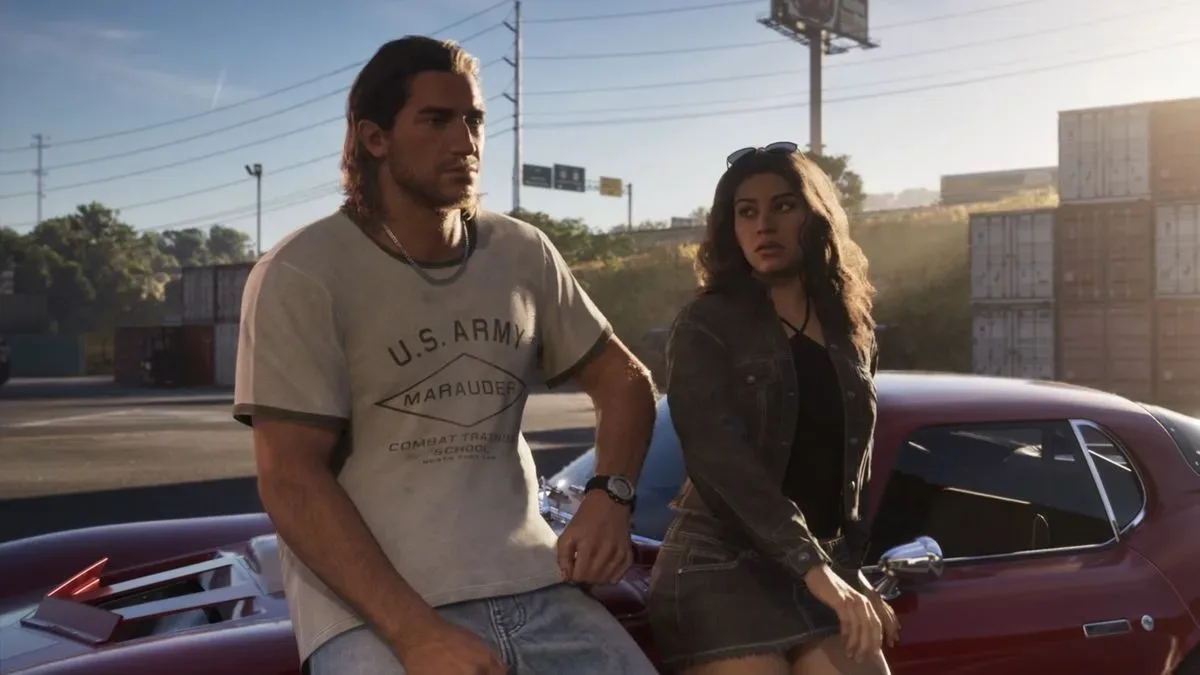
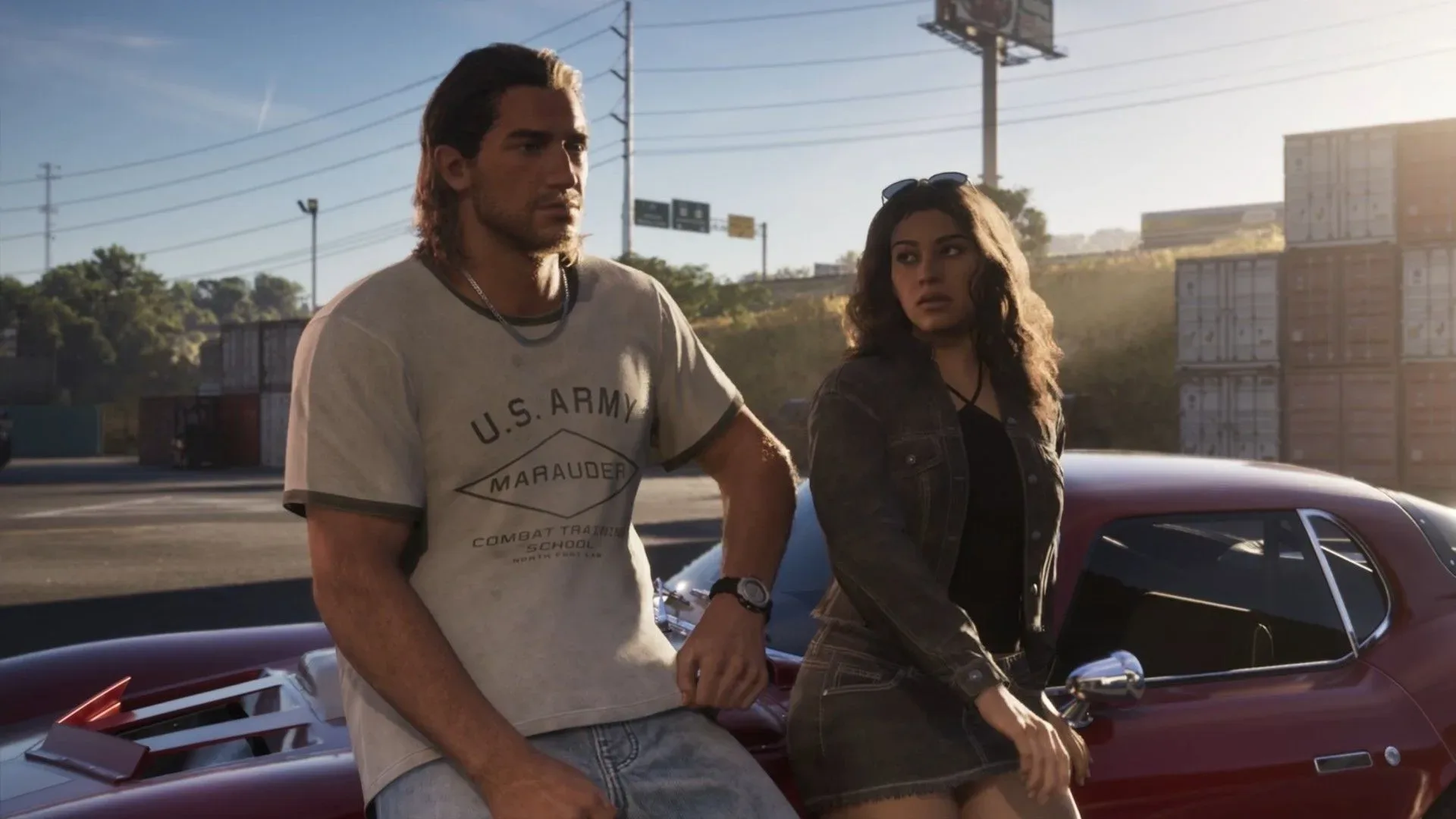
Grand Theft Auto 6 is the most-nominated game at The Game Awards 2026 with eight nominations, including Game of the Year. That is a formidable awards showing for Rockstar Games’ latest release, and it places GTA 6 ahead of Resident Evil Requiem and Control Resonant, which each have six nominations.
But the raw total also illustrates a limitation of nomination-count comparisons: eight is not simply a verdict on how much a game is valued. It is the result of how many categories a game can plausibly enter, which categories it is eligible for, and how broadly its individual contributors are recognized. By that measure, GTA 6 was not realistically positioned to surpass the 13 nominations collected by Clair Obscur: Expedition 33 last year.
That does not diminish GTA 6’s position atop the 2026 field. It does mean that treating the gap between eight and 13 as a straight quality ranking would miss what award totals actually measure.
Eight nominations puts GTA 6 in strong company
Rockstar’s eight nominations equal the tally earned by Red Dead Redemption 2, its earlier major release. They also place GTA 6 among a group of past high-performing Game Awards contenders, though several titles have received more:
- Death Stranding: 10 nominations
- The Last of Us Part II: 11 nominations
- God of War Ragnarök: 11 nominations
- Deathloop: 9 nominations
- Baldur’s Gate 3: 9 nominations
- Clair Obscur: Expedition 33: 13 nominations
In this context, eight is not a minor result. GTA 6 leads the current field and matches a previous Rockstar benchmark. Its Game of the Year nomination is especially prominent, since that category is the show’s broadest recognition of a game’s overall impact.
The unusual wrinkle is that GTA 6 earned its Game of the Year placement before release. That makes the nomination headline-grabbing, but it does not create extra routes across the ballot. A Game of the Year spot is one nomination, not a multiplier that automatically produces recognition in every specialized category.
Why nomination totals are not a universal scoreboard
A nomination count is best understood as a measure of category overlap. One game can compete across overall awards, genre awards, creative awards, technical awards, accessibility recognition, community-voted honors, and performer categories. Another may be a major contender in only some of those lanes.
Genre is one clear dividing line. GTA 6 is nominated in Best Action/Adventure Game, while Clair Obscur: Expedition 33 could pursue Best RPG. Neither category is inherently more valuable than the other, but the distinction matters when comparing the kinds of recognition each game can accumulate.
Related coverage includes GTA 6 Leads The Game Awards 2026 Field, but Clair Obscur's Record Was Always Out of Reach.
Eligibility creates an even larger difference. Rockstar Games is part of Take-Two Interactive and is not an independent developer. GTA 6 therefore is not eligible for Best Debut Indie Game. Even in a hypothetical world where Rockstar were independent, it would still not qualify as a debut studio entering its first game awards cycle.
That is a nomination slot that was structurally unavailable before anyone weighed GTA 6’s artistic, technical, or commercial merits. In other words, a record chase began with the game unable to compete in every category that helped build Clair Obscur’s total.
Performance nominations made a meaningful difference
Clair Obscur: Expedition 33 also had three Best Performance nominees: Jennifer English, Ben Starr, and Charlie Cox. Those individual acting nominations are important because they can substantially raise a game’s overall count without requiring separate game-level categories.
GTA 6 could, in principle, have received multiple performance nominations as well. Yet it would have needed several of them to close the gap. At eight current nominations, even an additional Player’s Voice nomination would bring GTA 6 to nine. Matching Clair Obscur’s 13 would still require four more nominations after that.
That arithmetic explains why the record was so difficult to approach. A plausible route would have required several performer recognitions plus another specialist category, such as Innovation in Accessibility. Those are possible forms of recognition, but they cannot be assumed merely because a game is widely anticipated or receives a Game of the Year nomination.
It is also worth separating the status of Player’s Voice from the confirmed eight. GTA 6 has the profile of a likely contender for the community-voted category, particularly after winning Most Anticipated Game in each of the prior two years. Still, likelihood is not the same thing as an official nomination. Until a Player’s Voice lineup is confirmed, the cleanest count remains eight.
What the 13-nomination record says about Clair Obscur
Clair Obscur’s record did not come from one category alone. Its 13 nominations combined broad recognition with openings that GTA 6 did not share: an RPG category, three Best Performance slots, and debut-indie eligibility. Player’s Voice was another part of its total.
That does not make the record any less impressive. A game must still be selected to take advantage of every category it can enter. But it does show why the record should not be treated as a simple bar that every acclaimed blockbuster can reasonably clear.
Different games arrive with different nomination ceilings. A debut release from an independent studio may have access to recognition unavailable to an established publisher-backed franchise. Conversely, a large franchise can be a major contender in Game of the Year, action/adventure, and other fields while having no path at all to debut-indie recognition.
For readers following Rockstar’s broader moment, Joking Joystick has also examined the dilemma GTA 6 presents for PC-first players. The awards story is another example of how one game can dominate conversation while still being shaped by systems outside the game itself—whether platform plans or awards eligibility.
GTA 6’s awards case is bigger than one record
The eight nominations leave GTA 6 with a substantial presence at the 2026 ceremony. It is the year’s nomination leader, has a Game of the Year spot, and has matched the total reached by Red Dead Redemption 2. Those are meaningful markers without needing to recast an unattainable record as a disappointment.
There is also a longer-term consideration. GTA 6’s awards footprint may not end with its initial release window. The franchise’s online component could generate future awards attention, though no specific future nominations can be presumed. The two prior Most Anticipated Game wins demonstrate the scale of public interest heading into this period, while the current slate shows that interest translating into prominent formal recognition.
The more useful takeaway is that award tallies should be read with their architecture in mind. Game of the Year speaks to broad standing. Genre categories identify where a title sits within the ballot. Performance nominations recognize people rather than the game as a whole. Debut and independent categories depend on a developer’s status and history. Community-voted awards operate through a different process again.
GTA 6 has done what an awards leader needs to do in 2026: it sits at the top of the nomination board. Clair Obscur: Expedition 33’s 13-nomination mark remains the historic high point, but GTA 6 was not built to have access to every path that produced it. Eight nominations are therefore not evidence of a failed record attempt. They are a strong result shaped by a category map in which the record was, from the outset, largely beyond reach.