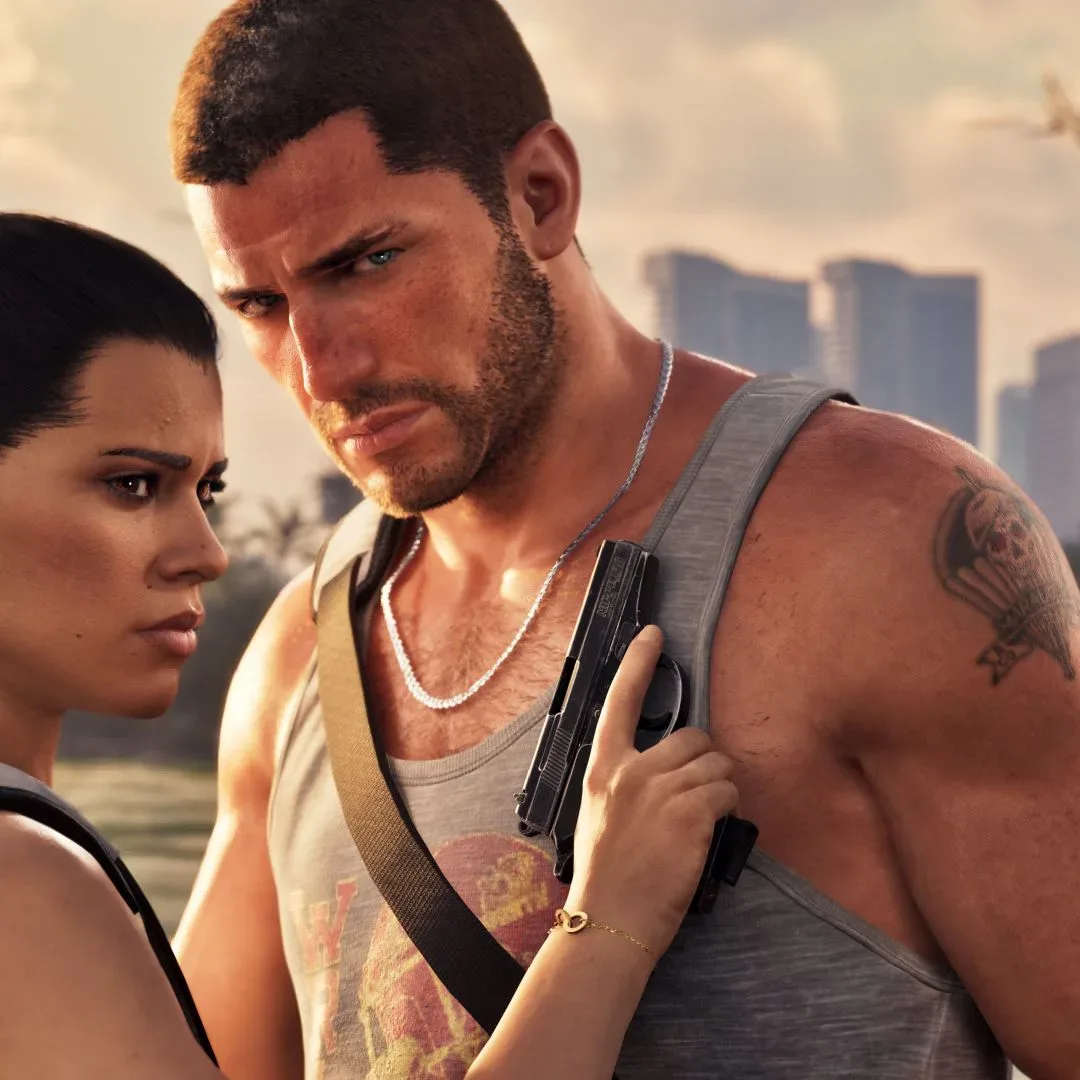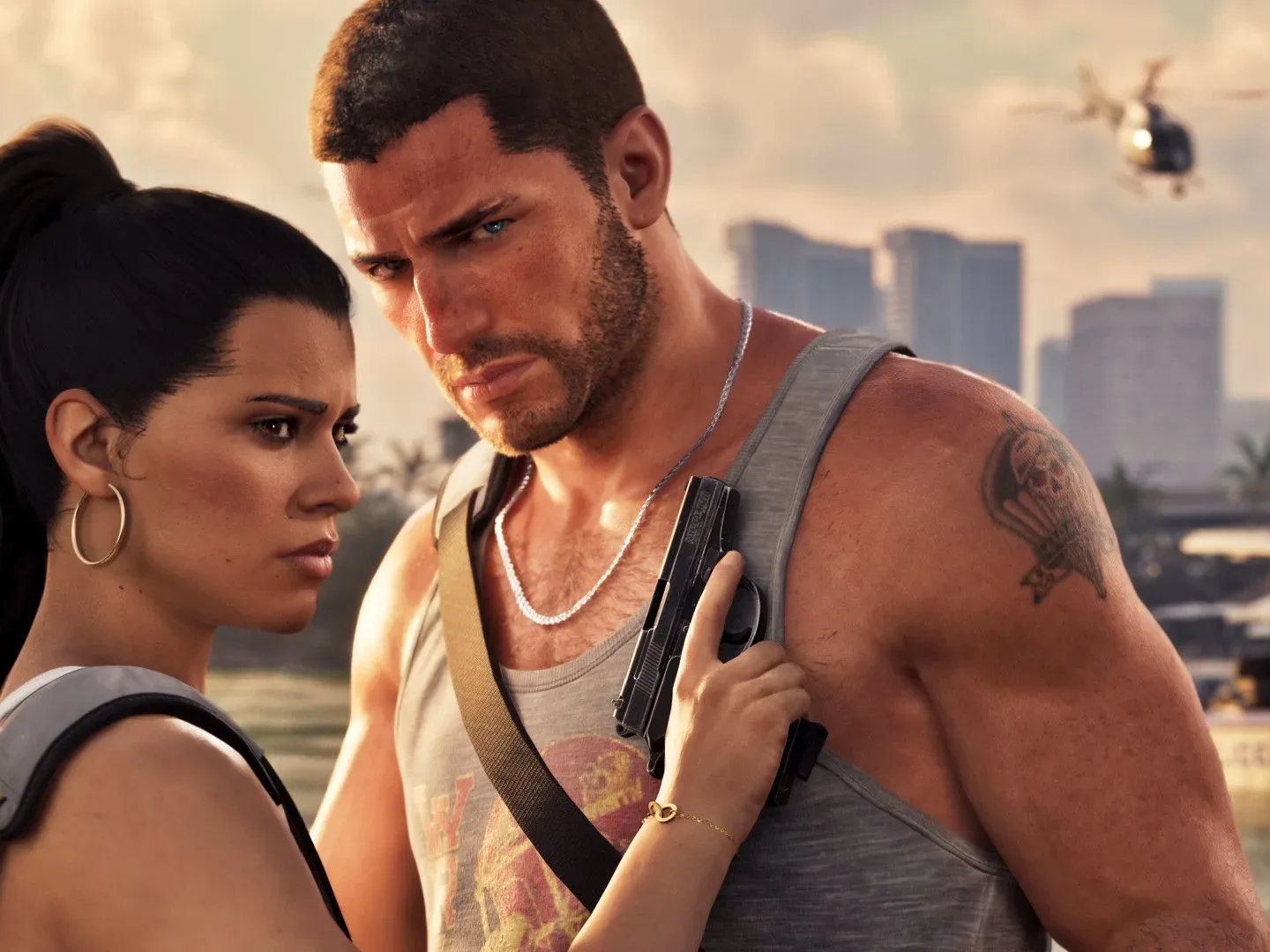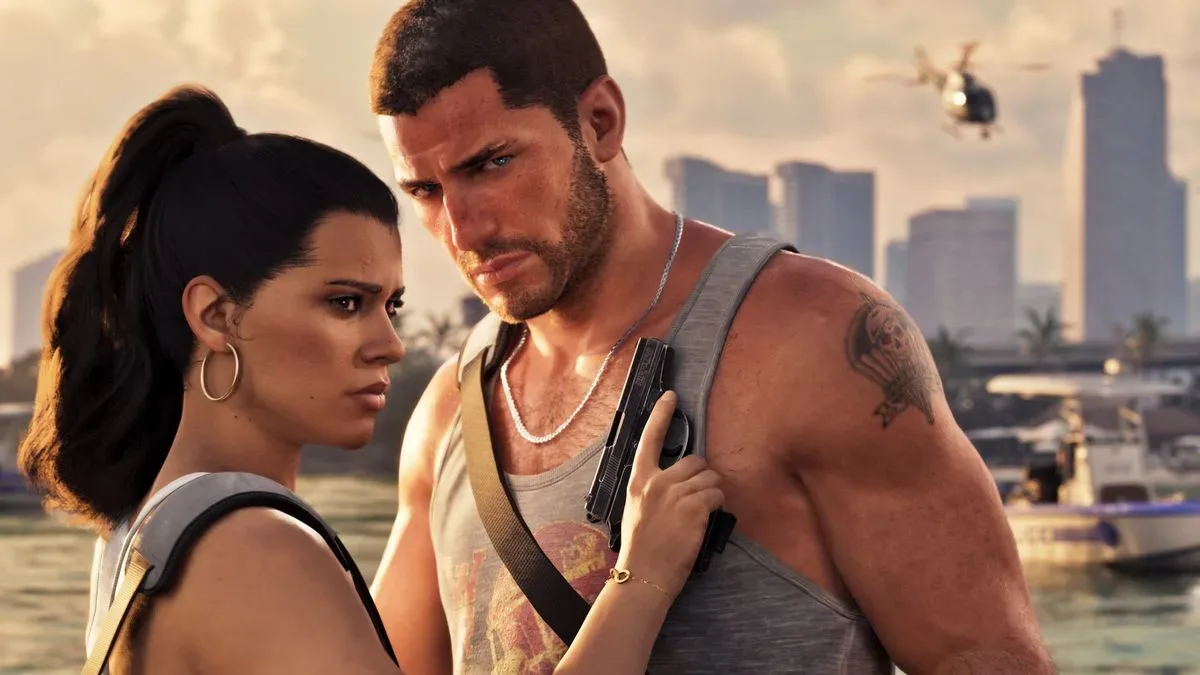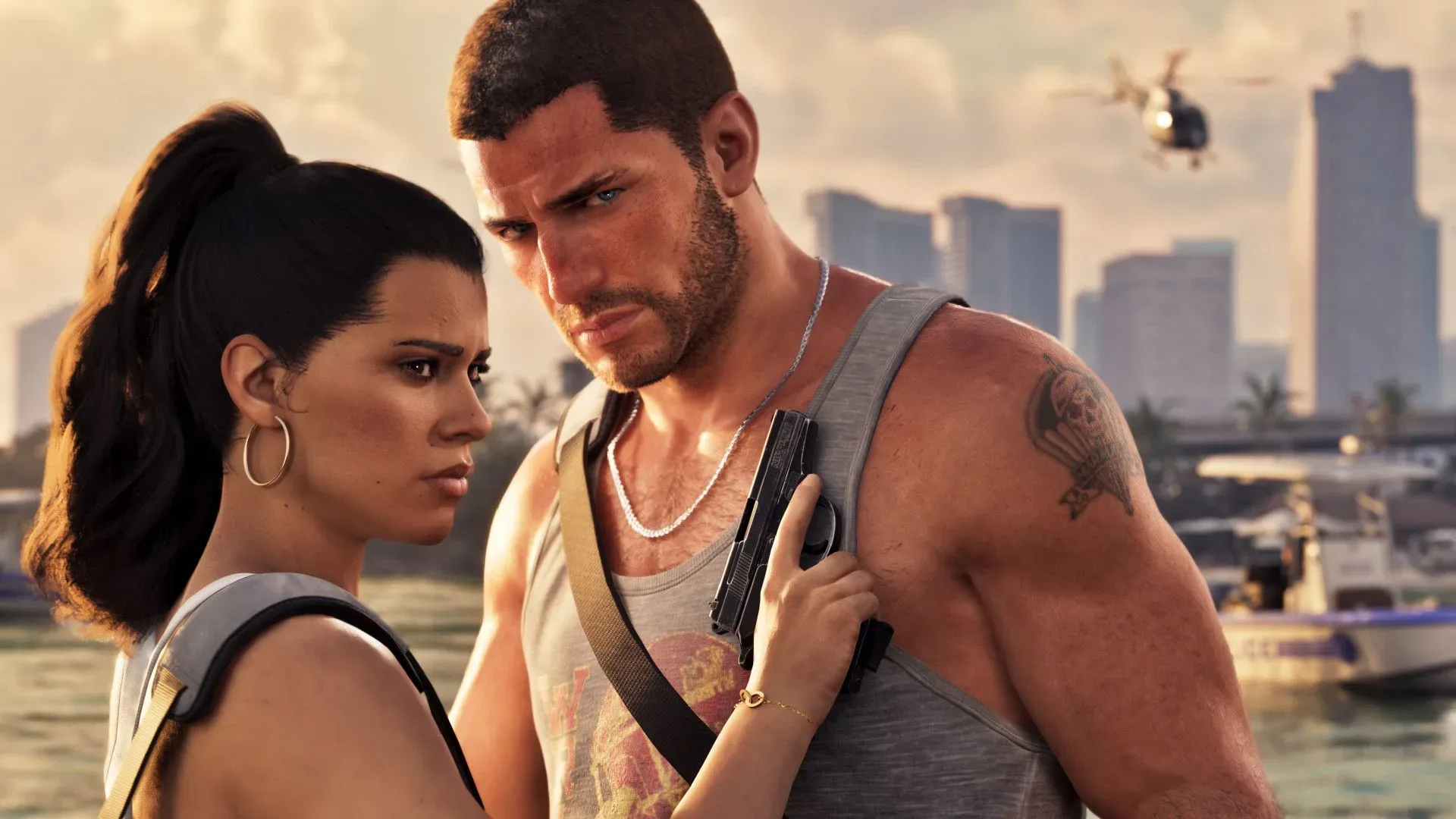
Grand Theft Auto 6 is eligible for this year’s Game Awards, arriving one day before the deadline. That timing puts Rockstar’s open-world crime game in contention during the same awards cycle rather than forcing it to wait until next year. Eligibility, however, is merely the invitation to the party. Matching the modern benchmark set by Clair Obscur: Expedition 33 would demand an extraordinarily broad and successful night.
Sandfall’s JRPG-inspired fantasy earned 13 nominations and won nine awards last year. That is the number GTA 6 would have to reach to tie the record-setting haul under discussion. It is possible to draw up a plausible nomination case for Rockstar’s sequel across much of the show’s major game-specific lineup. Turning that theoretical range into nine trophies is a much tougher proposition, especially when several relevant categories either overlap, depend on information not yet established, or reward a kind of ongoing player relationship that a newly launched game may not have had time to demonstrate.
So the useful question is not simply whether GTA 6 will be a major contender. It very likely can be. The more precise question is whether it can be a contender in enough different categories, and then win nearly every one of those contests. Clair Obscur’s total shows how unusually complete that kind of awards sweep is.
The strong, straightforward nomination lanes
There are several categories where GTA 6 has a clear route into the conversation. Game of the Year is the obvious one: it is the broad recognition reserved for a title’s overall accomplishment. Best Game Direction is another likely possibility, generally concerned with the quality and coherence of creative direction rather than one isolated technical element.
Best Narrative could be in reach as well, as could categories recognizing sound, visuals and performance. These categories matter because each assesses a different part of a production. Narrative concerns storytelling; sound can cover the game’s audio work; visual recognition concerns presentation; and performance acknowledges an individual acting contribution. A game does not need to win one to be eligible for another, which is why an ambitious, big-budget release can accumulate a substantial nomination count.
That group alone offers a credible foundation. But it is important not to confuse a likely-looking list with a guaranteed seven nominations or seven wins. Awards are comparative. GTA 6 would be judged against the full eligible field in each category, and a nomination in a marquee category does not make a victory automatic. The same title may also face a different mix of rivals from category to category.
Still, these are the areas where a record chase begins to look conceivable rather than fanciful. A game that is in the Game of the Year conversation can also have enough individual strengths to compete for direction, narrative, audiovisual work and acting. Rockstar’s challenge is that a record does not reward plausibility. It rewards conversion.
Action categories may limit the ceiling
Best Action and Best Action/Adventure are both potential homes for GTA 6, but they should not be treated as two automatic slots. The more realistic expectation is that it would land in one or the other. Those labels sound similar but can signal different emphases: an action award usually places combat and moment-to-moment intensity at the center, while action/adventure can describe a wider blend of action, exploration and progression.
Related coverage includes Can GTA 6 Surpass Clair Obscur: Expedition 33's Game Awards Record?.
For a sprawling open-world crime adventure, Best Action/Adventure may appear the more intuitive fit. Yet that is analysis, not confirmation of how the category placement would ultimately work. The key takeaway is simple: assuming dual recognition here inflates the projected total before voting even starts. A record-level forecast needs to account for that uncertainty rather than counting every remotely applicable category as a separate near-certainty.
There is a precedent for a Game of the Year nominee also appearing in one of these genre-focused categories, and Clair Obscur did so. That can broaden the total. But one additional action-adjacent nomination is meaningfully different from two, particularly when nine wins is the target.
Why some categories are not available at all
GTA 6 will not be in the running for Best Independent Game or Best Debut Indie Game. Those awards are designed for independent games and first independent releases, respectively, not blockbuster sequels from Rockstar. This is not a judgment on quality; it is a matter of category fit.
That distinction illustrates one advantage behind Clair Obscur’s 13-nomination total. A game can be celebrated across broad, craft and genre categories while also fitting awards restricted to independent productions. GTA 6 can make a formidable case in mainstream categories, but it does not have access to every nomination lane that helped make Clair Obscur’s final tally so large.
In other words, the nine-win record is not only a question of whether GTA 6 is excellent. It is also a question of awards architecture. Some games can compete in a wider set of formally distinct categories because of what they are and how they were made. Rockstar’s sequel enters with enormous visibility, but a narrower set of eligible categories.
The uncertain categories are where the record chase gets complicated
Three possible areas are especially difficult to forecast: Best Community Support, Innovation in Accessibility and Players’ Voice.
Best Community Support is about a developer’s ongoing support of its player base. That generally makes it a post-launch category in practical terms, because an initial release alone cannot establish a sustained record of updates and player engagement. Whether GTA 6 can seriously enter that race will depend on what follows launch and on the nature of its community-facing support. Other regularly updated games may have a more established case by the time nominees are assessed. Arc Raiders has already been part of discussion around active player feedback, illustrating why games with continuing service models may be relevant competition in this space.
The category is also crowded conceptually. Wardogs, Arc Raiders and other big live-service games could be in the mix, alongside titles that have been updated consistently. Baldur’s Gate 3 won Best Community Support last year. That result underscores that ongoing stewardship, rather than launch-week impact alone, can be decisive.
Innovation in Accessibility is different. Accessibility refers to design options and features that help more people play, whether their needs involve controls, presentation or other barriers. GTA 6’s prospects here cannot be responsibly predicted without knowing what is actually included in the game. Prestige, size and expected popularity are not substitutes for documented accessibility options, nor should they be treated that way.
Players’ Voice is the wildest card. It depends on player backing, which means enthusiasm and internet momentum can matter in ways that conventional juried categories do not always capture. GTA 6 is well positioned to attract huge attention, and there is an obvious possibility that players rally behind it, perhaps even with an element of online joke-making in the campaign. But broad awareness does not equal a win. The result remains contingent on the competing field and how players mobilize.
What a tie would actually require
A tie with Clair Obscur’s nine awards would likely require GTA 6 to turn its strongest possible nomination footprint into an unusually efficient set of victories. It could need to win Game of the Year while also prevailing in multiple craft and creative fields, capture its likely action-category placement, and then add wins in categories whose eligibility or competitiveness is presently uncertain.
That is a high bar because the categories are not all measuring the same thing. Winning visual recognition does not ensure a narrative win. Winning an action category does not establish superiority in accessibility. Winning the top prize does not automatically translate to Players’ Voice or Community Support. An awards sweep is hard precisely because it requires a game to satisfy different groups of voters or criteria across several dimensions.
GTA 6 may be capable of matching Clair Obscur’s nomination reach, but matching its wins would be the greater feat. Clair Obscur’s nine trophies from 13 nominations leave little room for error. To equal that outcome, GTA 6 would have to be not only a dominant nominee but also the preferred choice throughout most of its available categories.
A major awards night is more realistic than a record forecast
The sensible position is to separate expectation from prediction. GTA 6 has the profile to become one of the year’s defining awards contenders. Game of the Year, Best Game Direction, Best Narrative, sound, visuals, performance and an action-oriented category present a substantial potential slate. Players’ Voice could add another unpredictable opening.
But the record remains an uphill target. GTA 6 is excluded from the indie awards, may reasonably fit only one of the two action categories, and faces unanswered questions around accessibility and post-launch community support. Those are material constraints, not minor footnotes.
Its eligibility one day before the deadline ensures that the discussion can happen now. The eventual result will depend on the game itself, its category placement, its features, the strength of the wider field and the response after players get their hands on it. Until then, the fairest read is that GTA 6 has a credible path to a huge Game Awards presence—but Clair Obscur: Expedition 33’s nine-win standard is a record that deserves to be treated as the exception, not the baseline.