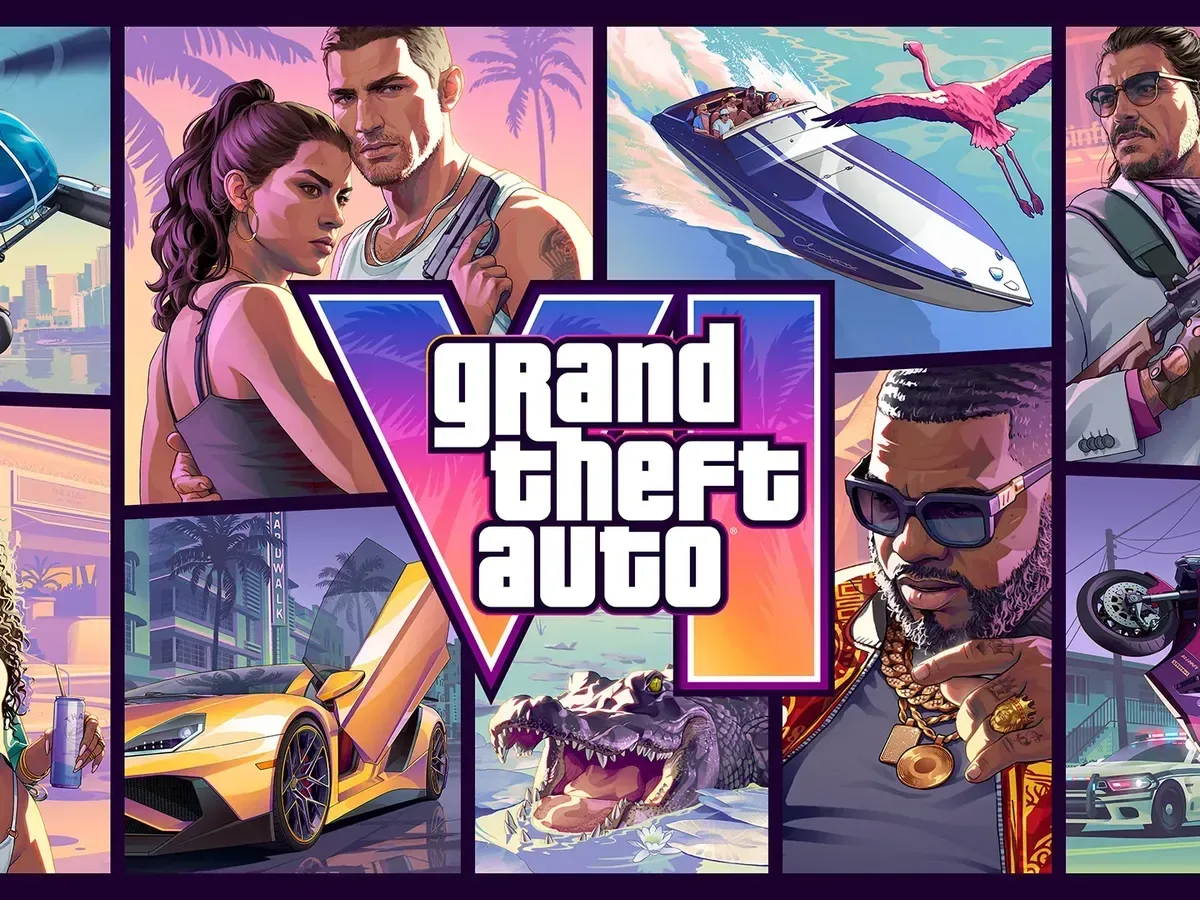
Grand Theft Auto 6 is scheduled to arrive on November 19, 2026, placing it just inside The Game Awards’ stated eligibility window for that year. The cutoff is Friday, November 20: games must be publicly available to purchase by that date to be considered across the show’s categories. On the calendar, that gives Rockstar’s enormous open-world release a one-day margin.
It is a narrow margin, but it matters. GTA 6 will not have to wait for the following awards cycle merely because of its November release date. Provided it launches as scheduled and is publicly purchasable on November 19, it can enter consideration for the 2026 ceremony, including Game of the Year.
The one-day deadline gap has also put the timing under a microscope, and understandably so. A game with GTA 6’s profile arriving at the very end of an eligibility period creates a particularly unusual awards-season question: can a title released so late build enough critical and cultural momentum before voting decisions are made?
What eligibility means — and what it does not
Eligibility is the first gate, not a trophy. In awards terms, an eligibility cutoff is the final date by which a work needs to be commercially available to qualify for a particular year’s consideration. It does not mean that a game is automatically nominated, that every voter will have played it, or that it has an advantage over earlier releases.
For more context, explore Skull & Co’s Zelda-Inspired FissionGrip Gives Switch 2 a Green-and-Gold Handheld Makeover.
The key practical point is simpler: a November 19 release falls before the November 20 deadline. That makes GTA 6 a potential 2026 candidate rather than an automatic 2027 contender.
That distinction will be significant for players, publishers and rival releases alike. Awards recognition can keep a game in public discussion beyond launch, while nominations and wins may become part of a marketing campaign. That does not reduce awards to marketing, of course; critical recognition and sales are different measurements. But a visible awards show can give a game another moment in the spotlight after release.
The Game Awards has become one of the industry’s most prominent stages, and recent Game of the Year conversations have included major commercial successes such as Baldur’s Gate 3 and Clair Obscur: Expedition 33. A GTA 6 nomination, should it happen, would put Rockstar’s latest alongside the other major 2026 releases in one of gaming’s highest-profile annual contests.
A late launch creates a compressed awards runway
GTA 6 being eligible is not quite the same thing as GTA 6 having a normal campaign runway. A release earlier in the year has months for critics and audiences to form a detailed consensus. Players can finish it, revisit its systems, discuss its characters and compare its accomplishments against the rest of the year’s catalogue.
A November 19 launch has far less time. That compressed period could matter especially for a large-scale game: the broader and longer a game is, the harder it can be for a conversation to settle quickly around its full strengths and weaknesses. The available information does not establish the voting timetable, nomination timetable, or who will be nominated, so it would be premature to claim that GTA 6 is favored or disadvantaged by process alone.
Still, its place in the field changes the shape of the question. Instead of asking whether Rockstar’s game will dominate a later awards season, the immediate debate becomes whether it can make a decisive impression in the closing stretch of 2026.
Public availability by November 20 is the stated threshold. GTA 6’s scheduled November 19 release is therefore inside the line, but only barely.
Why the date is strategically useful without proving intent
It is tempting to read the one-day gap as evidence that the release date was selected to secure awards eligibility. There is not enough information to make that claim. The rules have been in place for years, and major games are scheduled around a huge list of business, production and release considerations. A deadline that happens to work in a publisher’s favor is not proof that it drove the schedule.
It is fairer to describe eligibility as a valuable upside of the November 19 date. Take-Two and Rockstar will naturally want the game to perform strongly commercially and critically after a lengthy development period. Being able to compete in the 2026 awards cycle rather than sitting out until the following year gives the launch another possible avenue for visibility.
There is also an important condition attached to all of this: the analysis relies on the scheduled release date. If GTA 6 were delayed beyond November 20, its status for the 2026 event would change under the stated public-availability rule. Until the game is actually on sale, this remains a calendar-based assessment rather than a completed eligibility milestone.
The potential 2026 Game of the Year field
Any talk of a winner this far out is necessarily speculation. A Game of the Year field is shaped by releases still to come, critical response after launch, changing audience sentiment and the eventual nomination process. The current conversation has pointed to Saros, Slay the Spire 2 and Resident Evil: Requiem as possible contenders among games already available.
A remake of The Legend of Zelda: Ocarina of Time has also been framed as a potentially major challenger. But neither possible nominations nor final comparisons can be treated as settled facts before the field is complete. The more reliable conclusion is that GTA 6’s late arrival does not exclude it from the same year’s contest.
That alone is enough to intensify the conversation. GTA is one of the most recognizable names in games, and a new numbered entry is likely to draw attention regardless of awards. Formal 2026 eligibility means that attention can overlap with the year’s biggest awards discussion almost immediately after launch.
What has been highlighted about GTA 6 so far
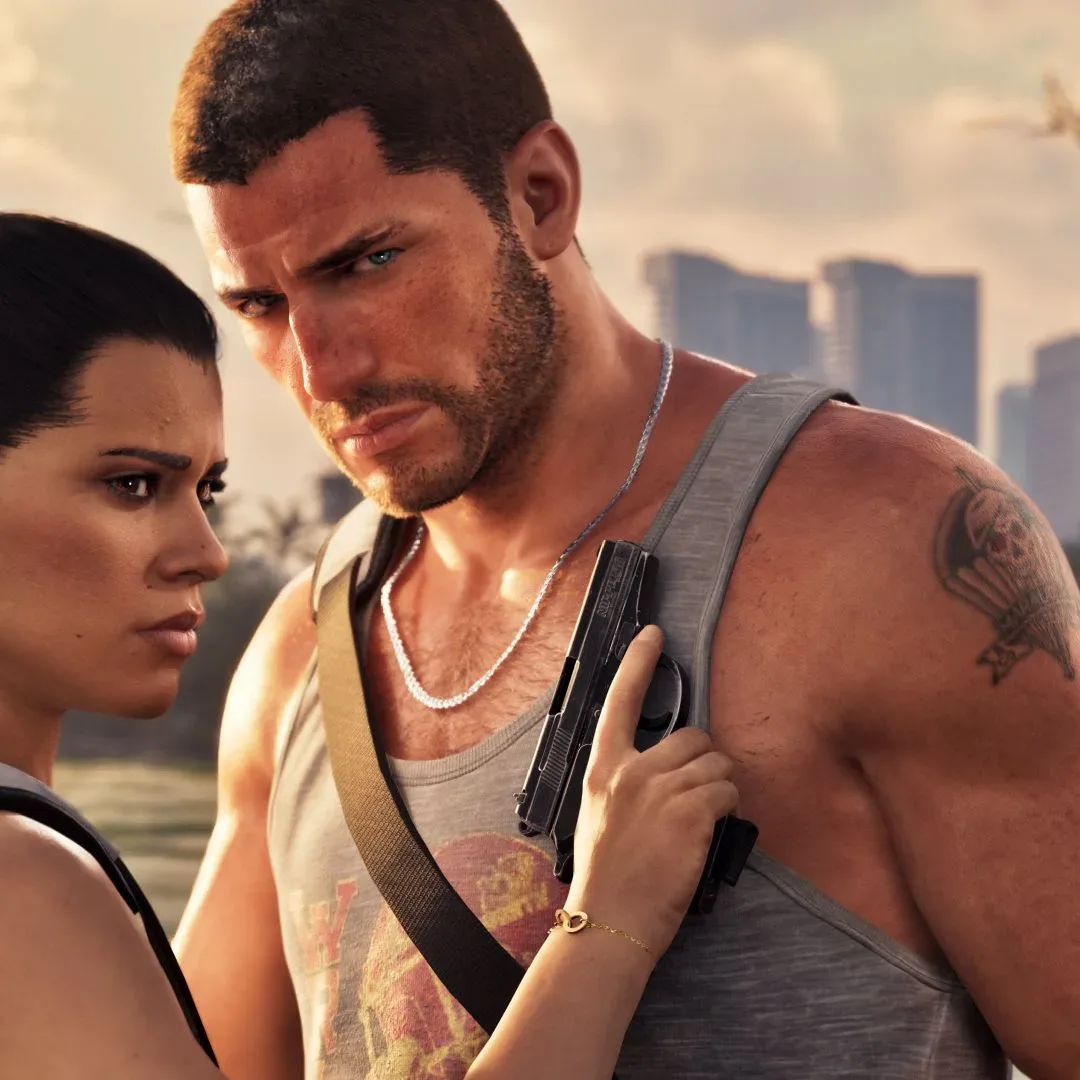
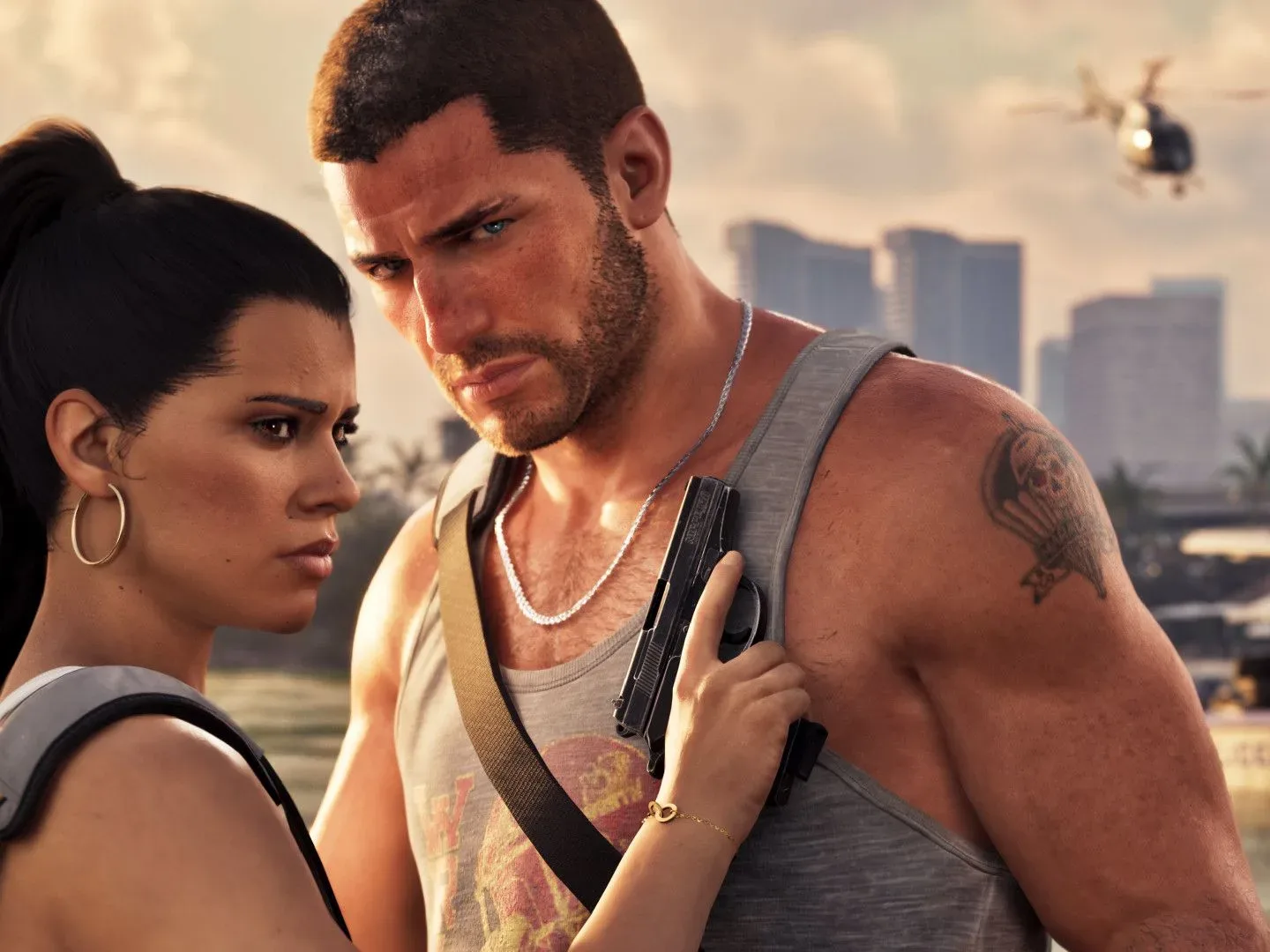
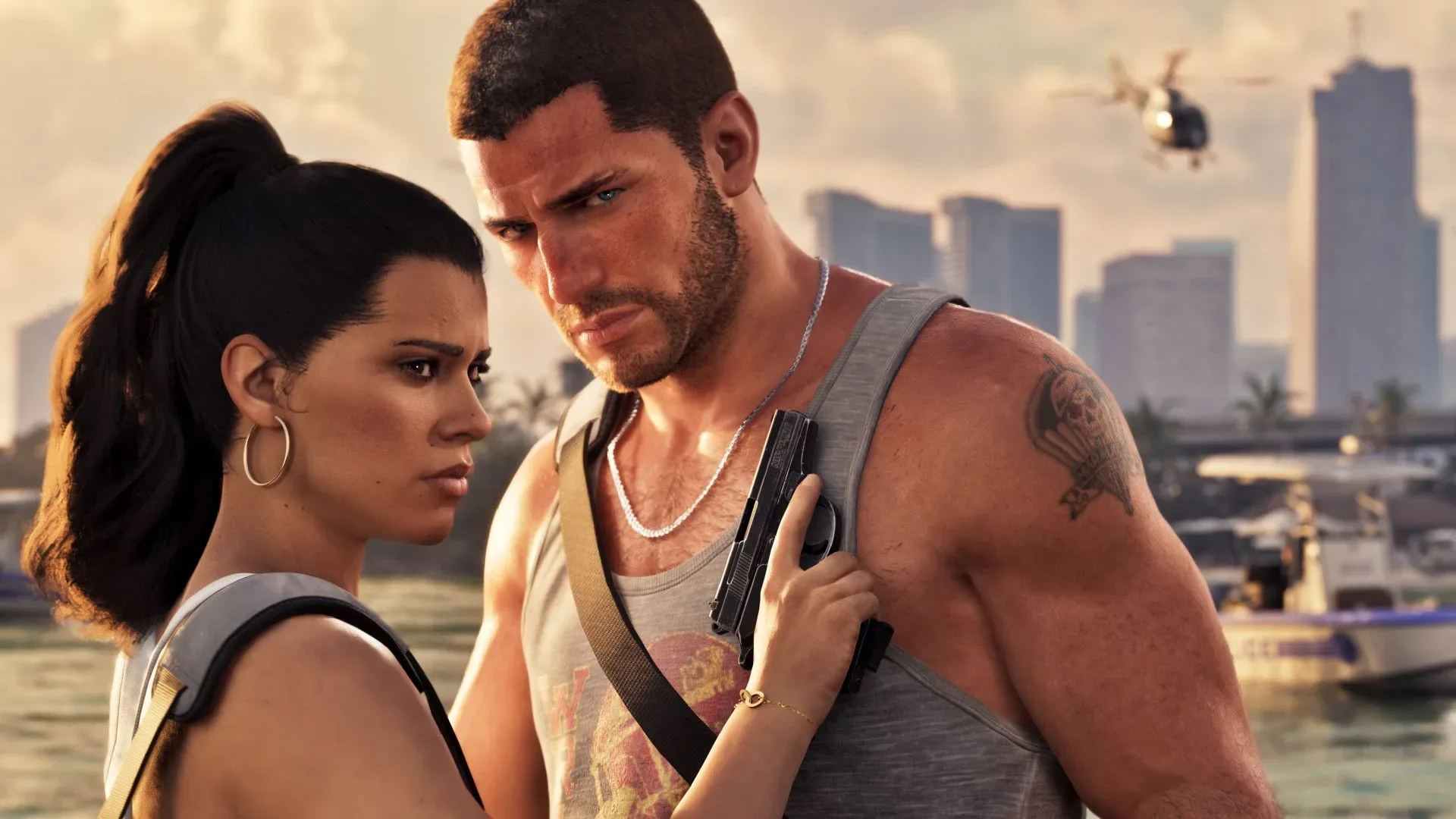
One small detail cited as an illustration of the game’s technical ambition is a realistic sweat system for protagonists Jason and Lucia. Their perspiration is said to respond to how intensely they dance. It is a highly specific example, but it points to the kind of environmental and character simulation detail that often fuels discussion around major Rockstar releases.
In technical terms, a system like this is a form of responsive character presentation: visual details alter in response to an in-game action or condition rather than remaining fixed. In this case, the condition is exertion during dancing. The fact itself does not reveal how broad the system is, how it affects gameplay, or how players will judge it in the finished release. Its relevance is primarily illustrative. GTA 6 is arriving with expectations that extend beyond mission design and story to the density of its world simulation and visual detail.
That is also why the awards deadline has generated so much interest. A game carrying this level of anticipation does not enter a Game of the Year debate quietly. Even a very short gap between release and cutoff ensures it is part of the 2026 discussion, while leaving the eventual reception—and any awards outcome—entirely unresolved.
What to watch between now and the ceremony
- The release date: November 19 is the crucial date for 2026 eligibility under the current stated rule.
- Public purchase availability: This is the threshold specified for contenders, rather than announcement timing or pre-release attention.
- The complete release slate: More 2026 games may emerge as serious awards candidates before nominations are decided.
- Critical and player response after launch: Eligibility establishes a chance to compete; reception determines whether a contender develops.
For now, the clearest fact is also the most striking one: GTA 6’s announced launch date leaves a single day of room before the eligibility deadline. Rockstar is not arriving early to the 2026 Game of the Year conversation. It is arriving just before the door closes.