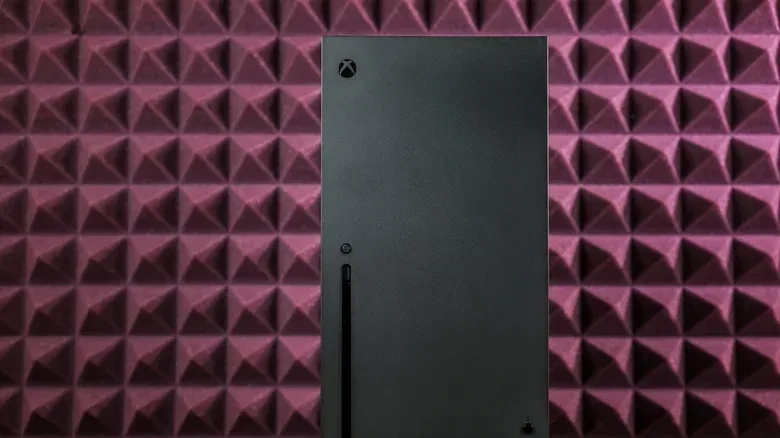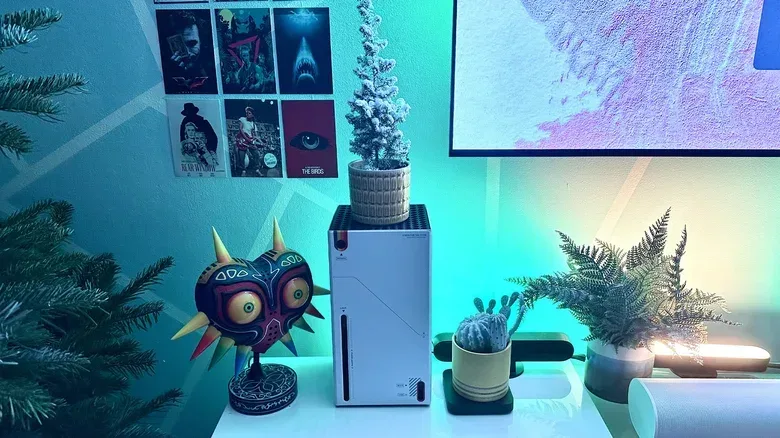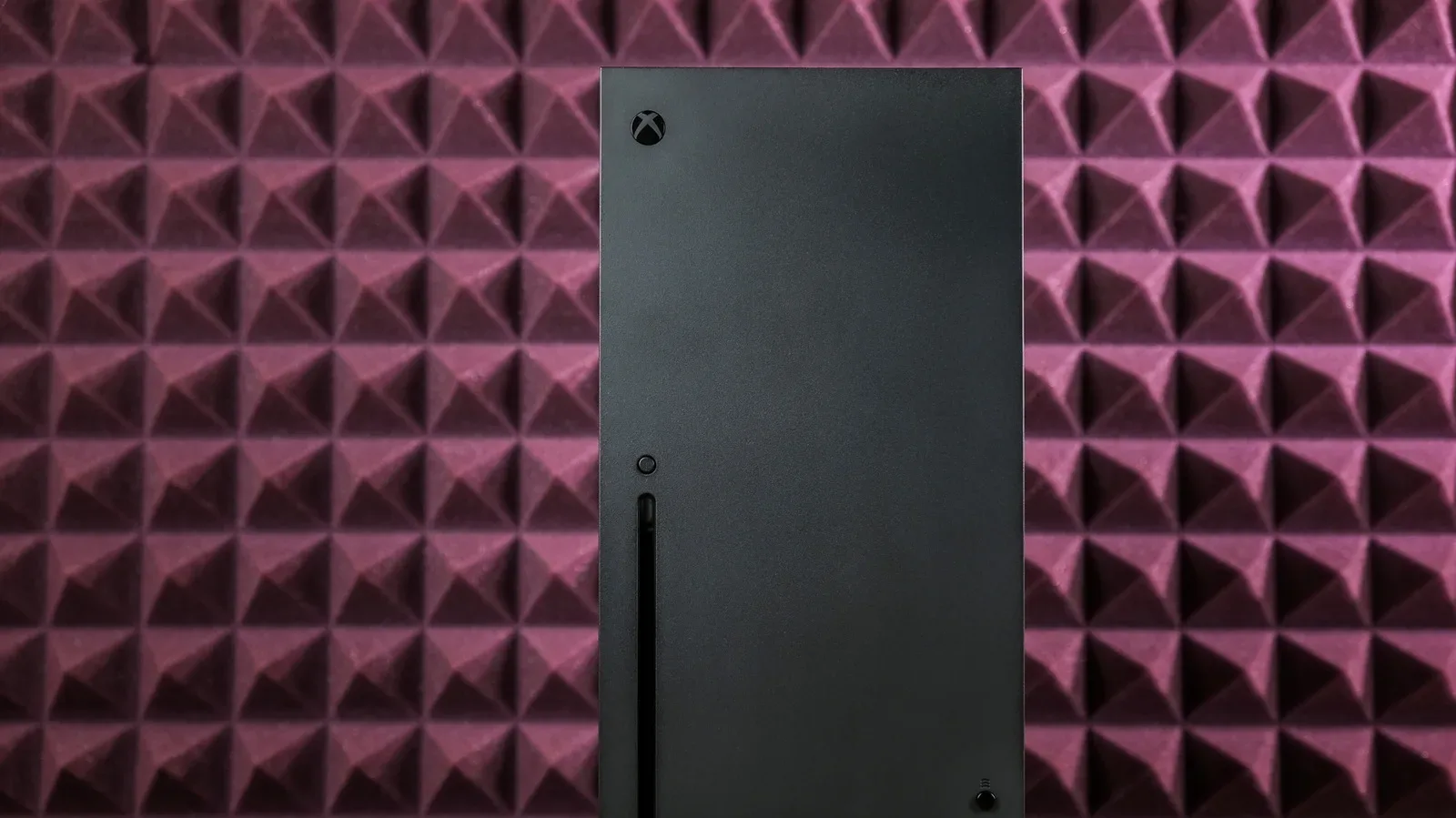
The Xbox Series X is still a competent, current-generation game console. It supports 4K and 60 fps targets in compatible games, offers ray tracing support, plays a deep Xbox library, and remains the second-most-powerful console hardware available. None of that has suddenly stopped being true.
But a sensible purchase is not just a question of whether a machine is good. It is a question of value at the price being asked now, the cost of the ecosystem around it, and whether another device a buyer already owns can do much of the same job. Six years after the Series X launched in November 2020 at $499, those questions are unusually difficult for Microsoft’s console.
For players who specifically want a simple living-room Xbox with physical-disc support, the machine can still fit the bill. For everyone else, four drawbacks deserve a close look before committing hundreds of dollars to the hardware.
1. The launch-value equation has changed dramatically
The biggest hurdle is straightforward: the Series X costs much more than it did when it arrived. The original $499 launch price made it look like an aggressive proposition for a compact system capable of 4K/60 fps gameplay and ray tracing. In 2026, average Series X prices are reported in a roughly $725 to $900 range depending on storage and configuration.
The 1TB disc-based model generally sits around $799, while the digital-only Robot White version is listed at $750. That is a major change in the basic buying proposition. A machine that once appeared to be priced as a relatively accessible route into new console hardware now asks buyers to pay substantially more for hardware approaching its sixth year on the market.
Memory and storage demand associated with AI data centers has been cited as one factor behind rising hardware costs. Whatever mix of forces is responsible, the practical consumer issue is simpler: a shopper must judge the Series X at today’s price, rather than against the far more favorable price it carried in 2020.
That changes the threshold for purchase. At $499, it was easier to view the Series X as a dedicated, powerful box for Xbox games and Game Pass. At around $799 for the disc model, a buyer should be much clearer about what they need from it that a PC, an existing console, or a less expensive Game Pass route cannot provide.
What the hardware is still good at
Aging does not mean obsolete. The Series X remains capable, and its disc drive is meaningful for players with a physical Xbox library or for those who prefer not to make every purchase digital. The issue is that its price has climbed rather than fallen while the buying landscape has become more competitive.
Related coverage includes Xbox Series X in 2026: Four Big Drawbacks to Consider Before Buying.
It is also worth separating the price of the console from the value of the games someone will actually play. A buyer who knows they will use the machine frequently over several years may reach a very different answer from someone buying it for one or two releases. A high entry price is hardest to defend when a console will be used occasionally, or where the buyer already has a capable Windows PC.
2. Game Pass is no longer the uncomplicated bargain it once was
Game Pass used to be one of the clearest reasons to choose Xbox hardware. The service began in June 2017 at $9.99 per month, with a catalog of more than 100 Xbox One games and some backward-compatible Xbox 360 titles. Xbox Game Pass Ultimate followed in June 2019 at $14.99 monthly.
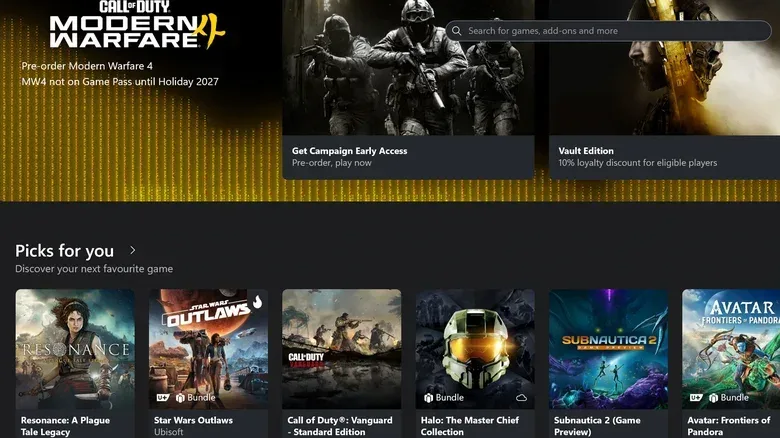
That simplicity has faded. Game Pass Ultimate had reached $19.99 per month by July 2024, then moved to $29.99 beginning in October 2025. Following a strong negative response, the Ultimate price later fell to its current $22.99 monthly rate. That remains a significant recurring cost for anyone whose main reason for purchasing a Series X is access to new Microsoft games on release day.
The current tiers make it more important to read the details instead of assuming every Game Pass plan does the same thing.
- Game Pass Essential costs $9.99 per month and includes around 50 games.
- Game Pass Premium costs $14.99 per month and provides access to more than 200 titles across Xbox Series X|S, PC and cloud devices.
- Game Pass Ultimate costs $22.99 per month and is the tier required for day-one releases, including the upcoming Fable reboot.
Essential and Premium can be perfectly reasonable subscriptions for players who want a rotating catalog and are happy to wait. They are not substitutes for Ultimate if launch-day Microsoft titles are central to the plan. That distinction matters because advertising a large library does not automatically mean a subscriber has the specific access they expected.
Cloud limits are another qualification
Cloud streaming also needs a closer read than it once did. Unlimited cloud streaming was formerly an Ultimate benefit. Streaming now has time limits: Ultimate members receive 15 hours per month, lower tiers receive less, and additional hours can be purchased.
Cloud gaming means running a game on remote hardware and streaming its video to a user’s device over the internet, rather than rendering it locally on the console or PC. It can be convenient for trying games across supported devices, but a capped monthly allowance makes it less of a broad replacement for owning a console than unlimited access would have been.
None of this means Game Pass cannot save money. Someone who would otherwise buy a $70 release such as Forza Horizon 6, play it extensively, then move on to other catalog games may still see excellent value in a subscription. The drawback is predictability: the all-in cost of Series X ownership now depends more heavily on choosing the right tier and accepting an ongoing monthly bill.
Over time, that subscription cost can be as important as the console’s upfront cost. Prospective buyers should decide whether they want day-one releases enough to maintain Ultimate, or whether Premium or Essential better matches how they actually play.
3. Xbox’s strengths are increasingly available on PC
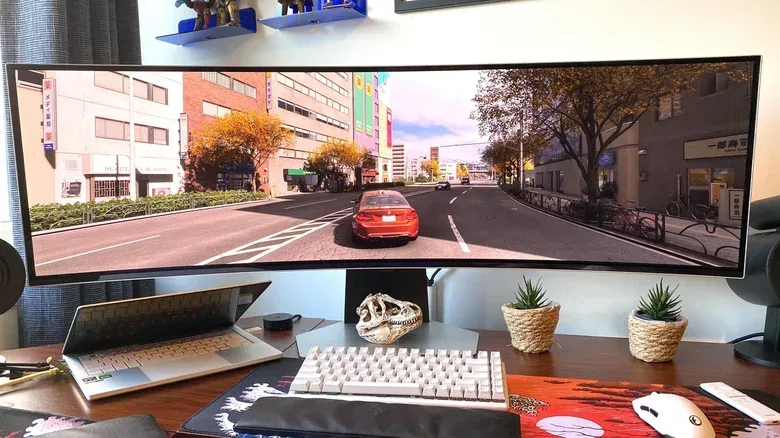
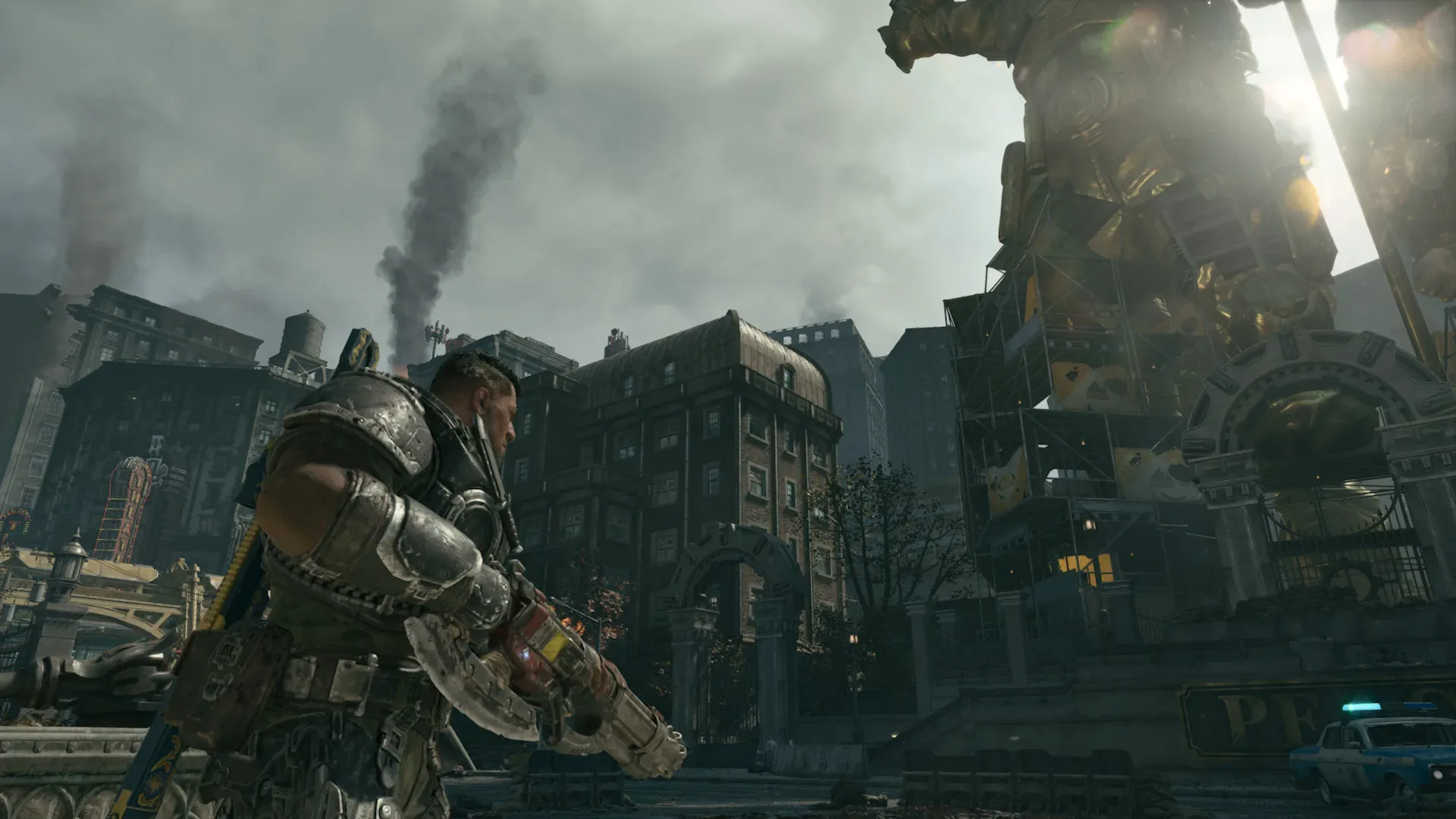
The Series X is not the only convenient doorway into Xbox games. A capable gaming laptop or desktop can access more than 300 titles through PC Game Pass for $13.99 per month, including day-one Microsoft releases such as Gears of War: E-Day. The PC and console Game Pass catalogs are not identical, but the overlap is substantial enough to undermine the idea that buying an Xbox console is necessary for access to Microsoft’s biggest games.
That makes existing hardware especially important. A player who already owns a decent Windows gaming PC does not need to compare the Series X only with a hypothetical new PC purchase. They need to compare it with spending nothing on a second gaming device and using the PC they have.
PC also offers access beyond the Xbox ecosystem, including frequent Steam sales. The trade-off, of course, is convenience. A console is a standardized appliance: plug it into a television, sign in, and play. PC ownership can bring more settings, more variables between systems, and potentially more expense if upgrades are needed. But for someone who already has suitable hardware, the Series X’s software exclusivity is much weaker than it would be if Xbox games were available only on the console.
The practical question is not whether PC is universally better. It is whether the buyer values the Series X’s living-room simplicity enough to justify purchasing a device that shares much of its major software with Windows.
That calculation becomes even tougher for people primarily excited about forthcoming Microsoft releases. Day-one access to Gears of War: E-Day via PC Game Pass is a material alternative, and readers looking at that game’s place in the 2026 release conversation can see the recent discussion of its Golden Joystick Awards omission.
4. PS5 Pro has the graphical edge
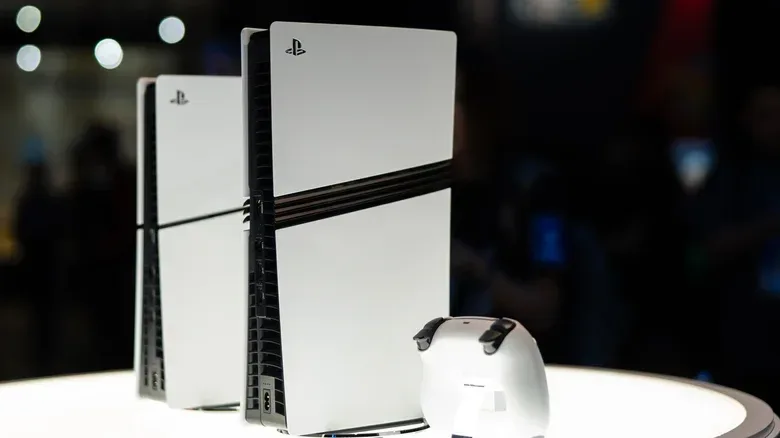
The Series X’s final complication is not that it is weak hardware. It is that Sony’s PS5 Pro has surpassed it in graphics capability. The Series X is listed at 12.15 TFLOPS of GPU power, while PS5 Pro reaches 16.7 TFLOPS. Both use custom AMD RDNA accelerated processing units and support ray tracing.
TFLOPS, or trillion floating-point operations per second, is a measure often used to describe theoretical graphics-compute throughput. It is useful for a broad hardware comparison, but it is not a direct promise that every game will run a certain percentage better. Actual results depend on game engines, developer choices, memory use, resolution targets and whether a game is limited by graphics processing or by the CPU.
In this comparison, the PS5 Pro has a meaningful GPU advantage, which can help it render many games at higher resolutions than Series X. It also has PSSR 2.0, short for PlayStation Spectral Super Resolution, a reconstruction technique intended to produce a sharper image from a lower internally rendered resolution. The technology has looked impressive in Resident Evil Village.
That said, PS5 Pro does not rewrite every performance limitation. Both consoles use eight-core, 16-thread AMD Zen 2 processors. PS5 Pro’s listed clock speed is 3.85 GHz, narrowly ahead of Series X at 3.8 GHz. In CPU-intensive open-world games, that relatively small processor difference means the Pro does not necessarily deliver large frame-rate gains.
Frame rate, expressed in frames per second or fps, is the number of complete images displayed each second. It has a direct effect on apparent motion smoothness and controller responsiveness. GPU horsepower can help raise resolution or improve visual features, but it cannot automatically overcome a CPU bottleneck, where processor work such as simulation and world management becomes the limiting factor.
That distinction is relevant to Grand Theft Auto VI. PS5 Pro systems have been in short supply, with used systems listed near $1,400 while the stated MSRP is $899. The expectation is that the game will look better on PS5 Pro than on Series X, particularly due to Sony’s image-reconstruction technology. Yet both consoles are expected to run it at 30 fps, illustrating why a graphics advantage and a performance advantage are not always the same thing.
Who should still consider a Series X?
The Series X remains most persuasive for a player who wants Xbox’s console interface, expects to use it heavily, values disc support, and does not already own a gaming PC that covers the same releases. For that buyer, its raw capability and game library can still justify the investment.
It is less persuasive for a budget-conscious shopper, someone who must subscribe to Ultimate for the releases they want, or a PC player looking for exclusive software they cannot otherwise access. It is also a harder recommendation for enthusiasts who prioritize the strongest available console graphics, where PS5 Pro holds an advantage.
In short, the Series X has not become a bad console. It has become a console that demands a much more personal case for purchase. Check the exact configuration and price, choose a Game Pass tier based on the games and cloud use you genuinely need, and account for the PC or PlayStation hardware already in your home. That is the clearest way to decide whether its remaining strengths outweigh its increasingly visible compromises.