Former PlayStation executive Shawn Layden has made a forceful case for the game-industry auteur: the highly visible creative leader whose taste, priorities and willingness to make difficult calls give a project a distinct identity. In a conversation on The Trophy Room podcast, Layden rejected the idea that the business overvalues figures such as Hideo Kojima, Ken Levine, Neil Druckmann and Todd Howard. His view is blunt: auteur-led work is behind the games that last in players’ memories, while committee-made games rarely reach the same level.
“Auteurs, quote unquote, built this business,” Layden said, comparing the singularity of creative figures to artists and filmmakers with unmistakable bodies of work. He also acknowledged the uncomfortable edge of that argument, saying greatness can often require “a megalomaniac.” The wording is intentionally provocative, but the underlying point is less about celebrating bad behavior than recognizing that ambitious creative work frequently needs someone prepared to hold onto a clear vision when compromise is easier.
What “auteur” means in games
An auteur is a creator whose personal sensibility is strongly associated with a finished work. The term comes from film criticism, where it describes directors whose themes, visual language and creative choices are recognizable across multiple movies. In games, the label is necessarily messier. A game is not made by one person: it relies on artists, designers, programmers, writers, producers, audio teams, quality assurance and many others. A public-facing director is not the sole author of all that work.
Still, a creative lead can establish a project’s center of gravity. They can decide what the game is trying to make players feel, which mechanics best serve that goal, what should be cut when time is limited, and which unusual ideas are worth defending. That is the useful sense of auteur Layden is describing. It is not a claim that collaboration does not matter. It is a claim that collaboration needs a sufficiently clear destination.
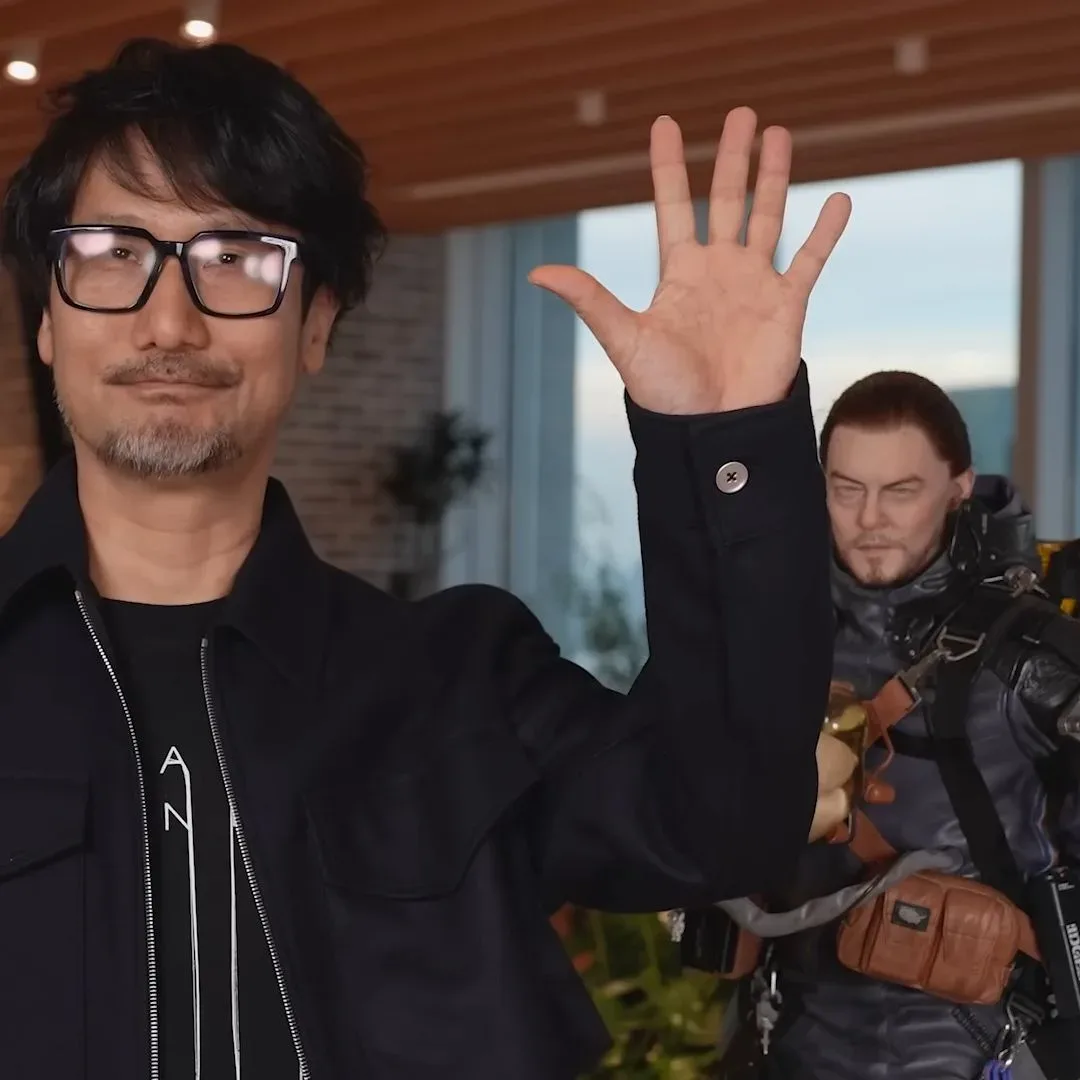
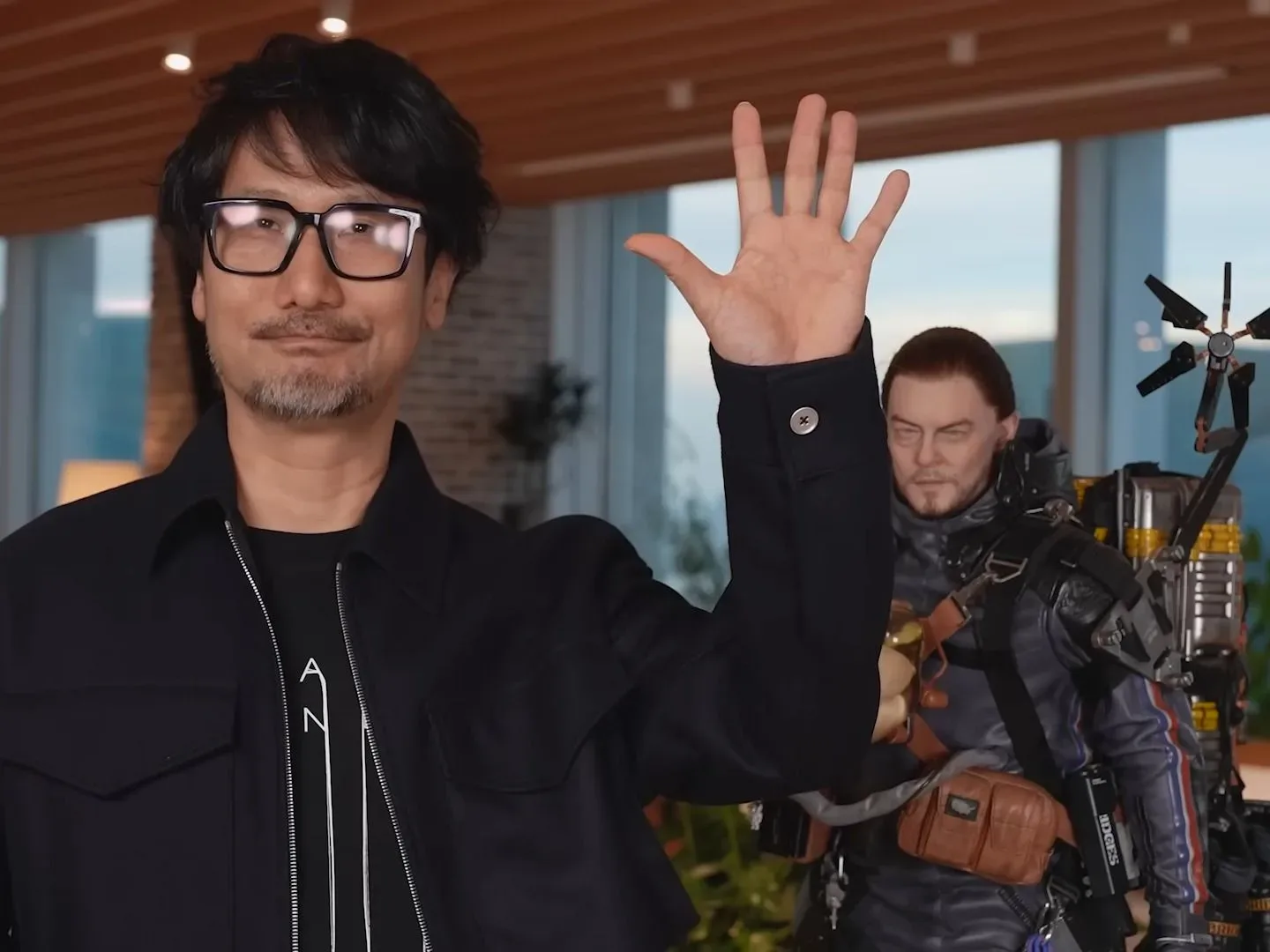
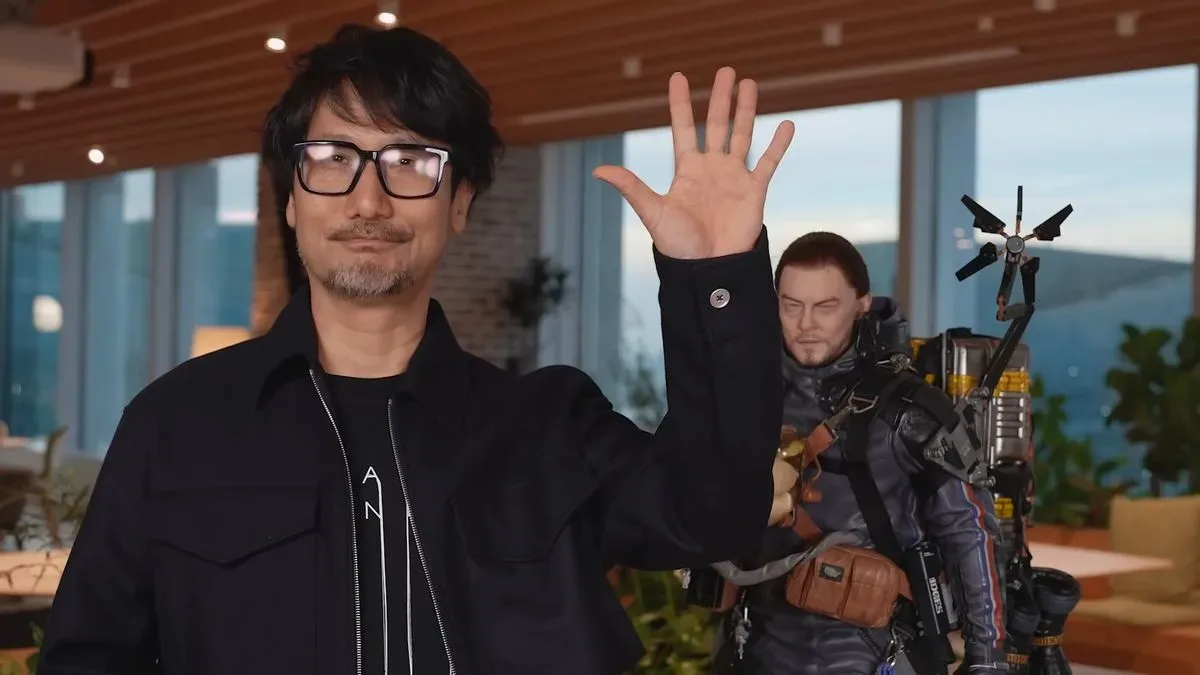
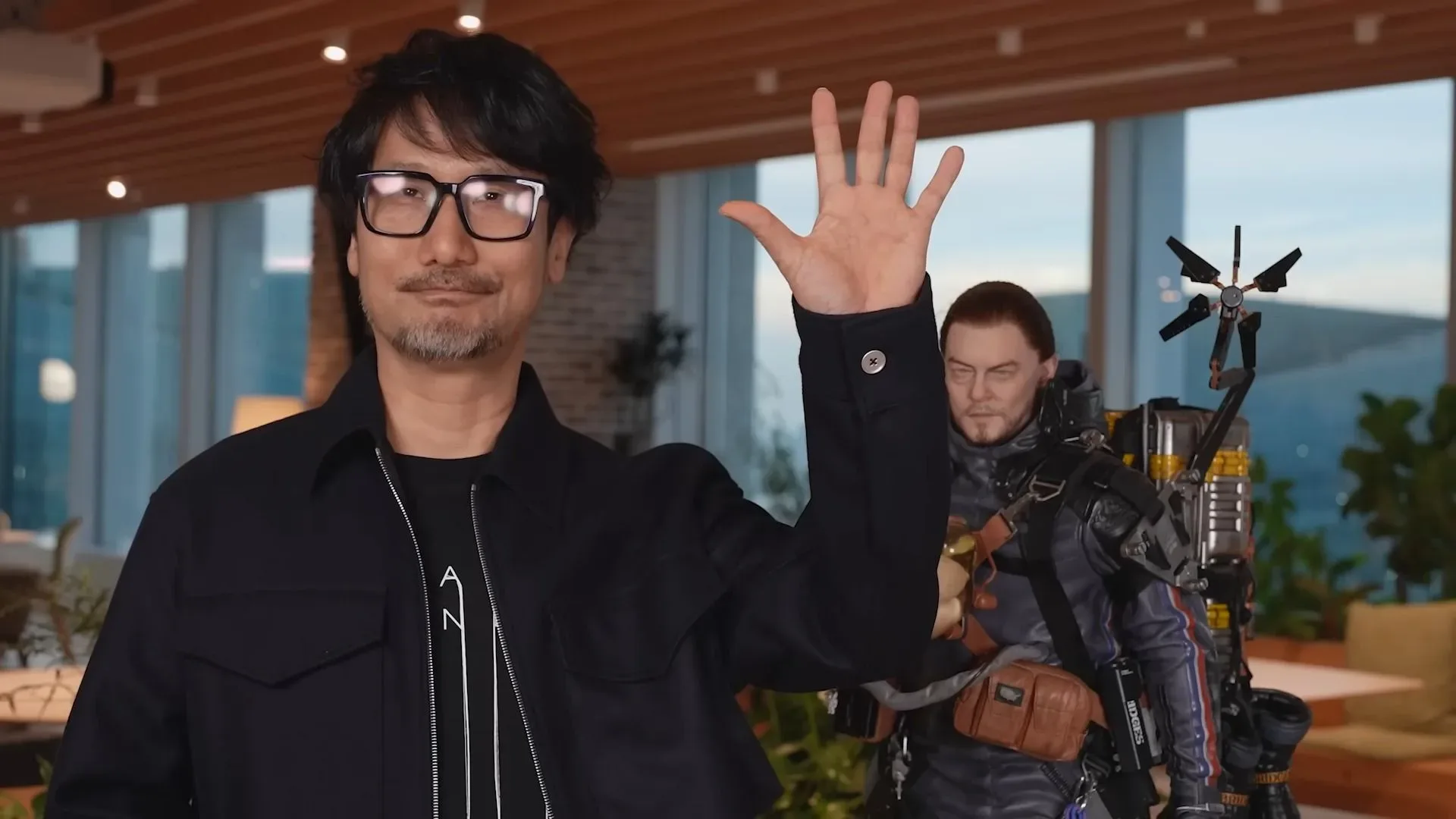
Kojima is perhaps the most commonly invoked example in contemporary games because the Metal Gear and Death Stranding creator’s name has become closely tied to a particular kind of large-scale, idiosyncratic design. Layden’s wider point reaches beyond one studio or one genre. The discussion also named BioShock’s Levine, The Last of Us’s Druckmann and The Elder Scrolls and Fallout’s Howard. The same conversation can extend to creators including Nier’s Yoko Taro and FromSoftware’s Hidetaka Miyazaki, whose work is often discussed through its distinctive priorities rather than only its technology or market category.
Layden’s argument is really about decision-making
The sharpest part of Layden’s position is his statement that he has never seen a good game made by committee, even though he has seen plenty of bad ones made that way. Taken literally, it is an absolute claim and a deliberately argumentative one. Modern games absolutely involve collective decision-making. No major project can function without specialized teams solving thousands of problems together.
But “built by committee” usually means something more specific than “made collaboratively.” It describes a process in which competing stakeholders continually smooth away decisions that might alienate somebody: a bold mechanic becomes safer, a strange narrative turn becomes more familiar, a focused feature set becomes an overstuffed checklist, or the project’s purpose becomes difficult to articulate. The result may be technically competent, expensive and carefully researched, yet feel anonymous.
Auteur leadership, in contrast, can create creative coherence. That means the game’s systems, tone, visual choices and narrative ambitions appear to be pulling in the same direction. Players do not need to agree with every decision to recognize that it was a decision. Memorable games often have edges. They may be unusual, challenging, funny, divisive or structurally odd, but those qualities give people something concrete to discuss long after release.
Related coverage includes Shawn Layden Defends Game Auteurs: 'We Always Remember' Their Work.
There is a practical production lesson here. Teams need room to debate ideas early, and experts need the authority to challenge flawed assumptions in their disciplines. But eventually, decisions must converge. A project without a final creative authority can spend too long reopening questions, pursuing incompatible goals or responding to every new pressure with another layer of compromise. A strong director is not valuable because they silence everyone; they are valuable because they can listen, choose and maintain a consistent standard.
Protection from distraction is a leadership job
Layden’s comments are also notable because he describes the executive role as protective rather than directive. During his PlayStation tenure, he said the objective of studio leadership and creators was the same: make a great game. His job, as he put it, was to remove obstacles from the road. If headquarters called, he would take that call so the development team could keep working.
That image explains why the auteur debate is not simply a question of whether one famous individual deserves credit. Creative authority needs institutional support. A creator cannot maintain a vision if they are constantly pulled into unrelated corporate disputes, asked to repeatedly relitigate settled creative questions, or diverted by demands that do not improve the game. Shielding a team from those pressures can be as important as any note an executive offers.
For players, that support may be invisible, but its absence can show up in the final product. Development is full of constraints: schedules, budgets, platform needs, technical limits and organizational priorities. None of those concerns are imaginary, and none disappear because a director has a strong personality. The leadership challenge is to resolve real constraints without turning every creative decision into a negotiation detached from the game’s identity.
The danger of turning the auteur into a myth
Layden’s defense should not be read as an argument that every dominant personality produces great work. A forceful leader can be wrong, and singular vision can become stubbornness. The fact that an auteur can explain a project’s direction does not automatically make that direction compelling, sustainable or responsibly managed. Nor does a recognizable name erase the contributions of the people who translate big ideas into playable systems, finished art, stable code and polished experiences.
That distinction matters because the term can be used in two very different ways. At its best, it identifies accountable creative direction: someone articulates a vision, accepts difficult trade-offs and takes responsibility for the work’s overall shape. At its worst, it becomes a celebrity narrative that treats the rest of a studio as invisible or suggests that talent grants permission for chaos. Layden’s own use of “chaotic genius” captures both the appeal and the risk. Chaos may produce unexpected ideas, but it is not inherently a virtue.
The more durable interpretation is that studios should preserve clear authorship without confusing authorship with isolation. The strongest teams can give a director final creative responsibility while building processes in which other disciplines have meaningful influence. A gameplay designer should be able to identify when a narrative demand damages play; an engineer should be able to flag technical reality; artists and audio teams should be able to strengthen the emotional effect a director is chasing. A vision becomes a game only through that exchange.
Why this matters as the industry debates creative tools
The discussion lands amid wider anxiety over what creative work will look like as technology changes. Kojima has separately expressed concern that artificial intelligence may eventually play a key role in creative fields, while emphasizing that the process of making something—not only receiving a completed image—is part of drawing’s appeal. That idea sits naturally beside Layden’s argument. The value of a game is not just that it arrives at a finished state. It is also in the choices, craft and intention that shape it.
Tools can assist production, but tools do not settle a game’s purpose. Someone still has to decide what is worth making, what emotional response matters, which possibility to reject and when a project is finished. In that sense, the auteur question is partly an accountability question. As production becomes more complicated, the need for a human creative throughline may become more obvious rather than less.
There is also a related industry conversation around who gets to preserve, distribute and control games once they are made. The debates outlined in the history of Yuzu’s shutdown, forks and preservation debate show that games are not merely products at launch; they can become lasting cultural works shaped by technological access, legal constraints and community stewardship. Distinctive games are often the ones people most want to revisit, study and keep available.
A useful standard: clarity without cults of personality
Layden’s view is strongest when it is understood as a call for clear creative leadership. The industry needs projects with personalities, not projects engineered to be unobjectionable to every possible stakeholder. Players remember games that take meaningful chances, and chances require somebody with the authority to say that a particular strange, expensive or risky idea belongs.
But clear leadership need not mean diminishing collaboration. The most useful version of the auteur model gives a team a legible creative north star, protects it from avoidable noise and credits the many people required to realize it. It asks leaders to make hard calls, not to pretend they alone made the work.
Layden’s central observation remains hard to dismiss: the games that endure are frequently attached to a point of view. Whether that point of view belongs to Kojima, Levine, Druckmann, Howard, Yoko Taro, Miyazaki or another creative lead, players can feel when a game has something specific it wants to be. The hard part for studios is creating the conditions where that specificity survives production without allowing “genius” to become an excuse for everything else.