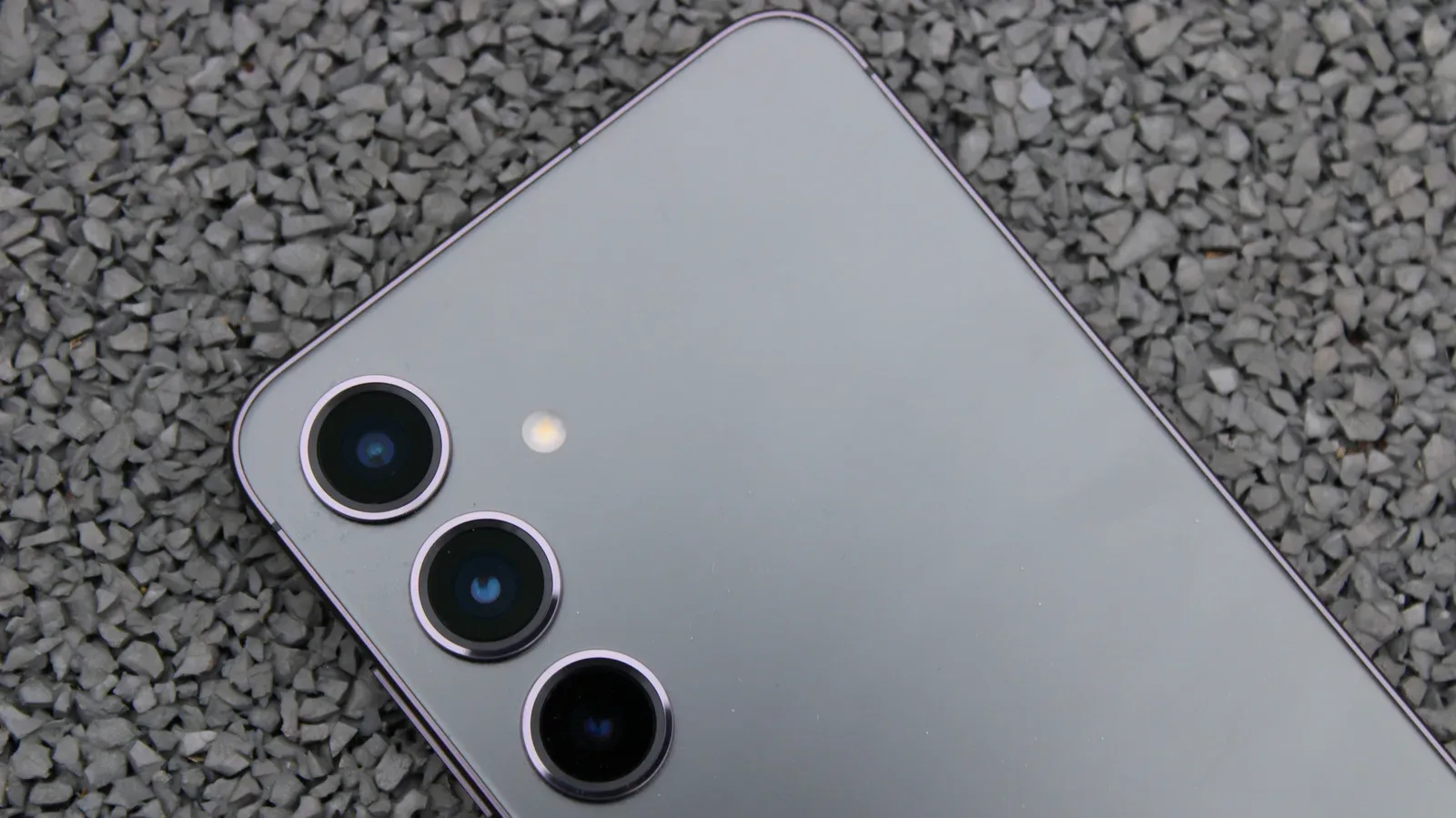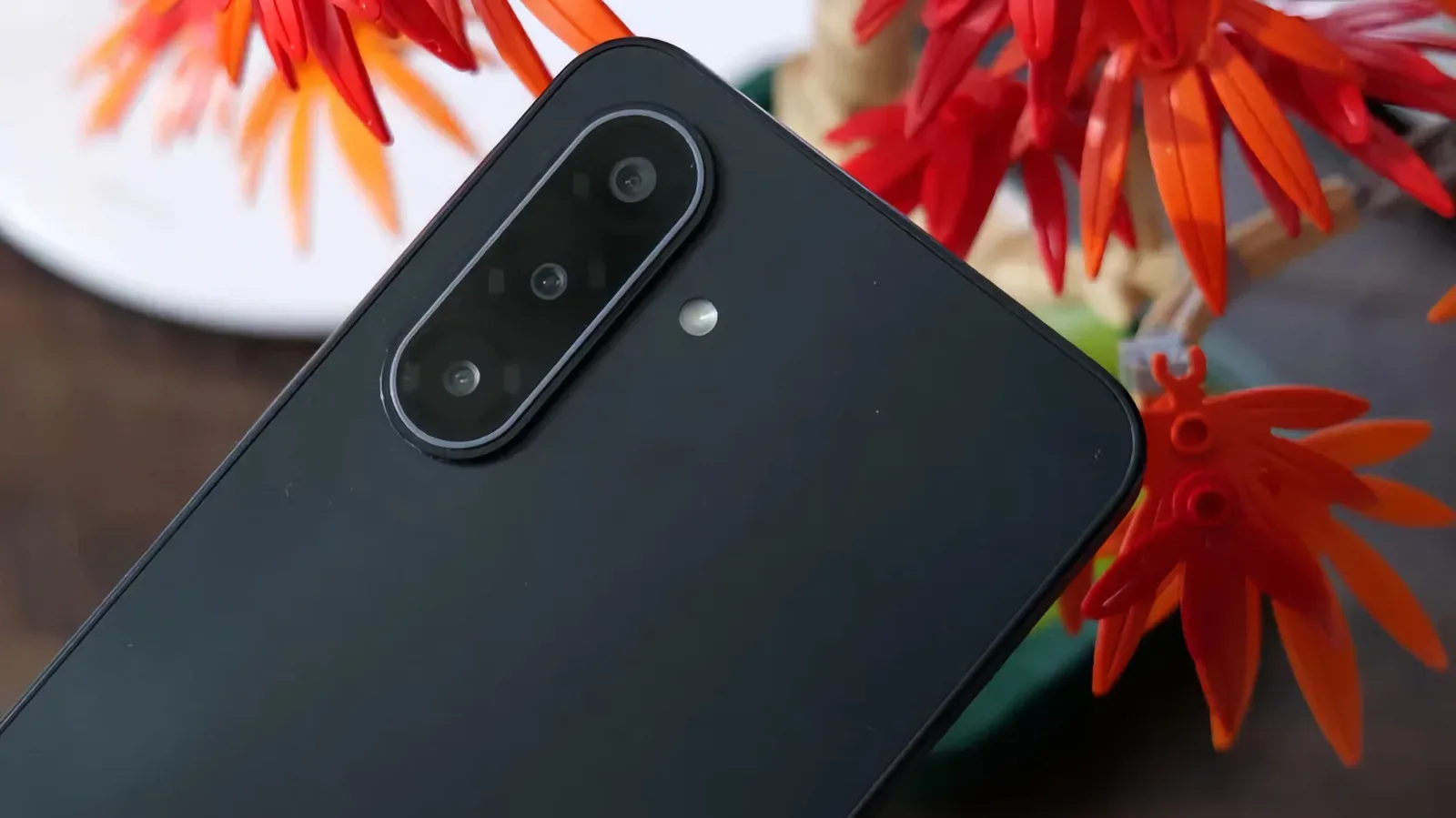
The affordable-phone aisle is becoming substantially less affordable. Samsung has raised prices across its Galaxy A range, while Google’s Pixel 10a has moved from a $499 launch price to $599. These are not minor changes hidden in a storage upgrade or a seasonal bundle: they lift the entry price of phones explicitly aimed at shoppers who are trying not to spend flagship money.
The common explanation is pressure in the market for RAM, or random-access memory. It is an unglamorous component, but a foundational one. When its cost rises, manufacturers have limited choices: absorb the increase, reduce spending elsewhere in the device, or pass part of it to customers. The latest Samsung and Google pricing makes the third option very visible.
For people choosing a phone for gaming, messaging, streaming, photography and the usual daily work of modern life, the significance is simple. The headline price is now moving upward at the same time that the “budget” label remains attached. That makes it more important to compare the actual current price, not merely the price attached to a phone at launch.
Samsung’s Galaxy A price increases, model by model
Samsung’s adjustments span the Galaxy A lineup rather than one isolated model. The new prices are:
- Galaxy A17 5G: $270, up from $200 at launch. This model had already received a price increase in August.
- Galaxy A27 5G: $380, up from $350.
- Galaxy A37 5G: $490, up from $450.
- Galaxy A57 5G: $600, up from $550.
That is a $30 to $70 jump from the prior listed prices, with the A17 5G showing the sharpest difference against its original launch position. The A17’s move is especially revealing because a $70 increase on a $200 launch price changes the math far more drastically than the same dollar amount would on an expensive handset. At $270, it costs 35% more than it did at launch.
The increases also compress the psychological gaps between price tiers. A shopper who had set a firm ceiling around $350 now finds the A27 5G above it. Someone who viewed $450 as a workable middle ground is looking at $490 for the A37 5G. And the A57 5G has reached $600, a number that sits uncomfortably close to the territory many buyers associate with phones that are no longer “budget” purchases at all.
This does not establish that any one Galaxy A phone is a poor purchase. A phone’s value depends on its full hardware, software support, carrier situation and a buyer’s personal needs, details not established by these price changes alone. It does mean that older reviews, launch-day recommendations and price-to-performance comparisons can become stale quickly. A recommendation written when an A17 5G was $200 is not automatically a recommendation for that same handset at $270.
Pixel 10a climbs $100 after its March launch
Google began selling the Pixel 10a for $499 in March. Its starting price is now $599, a $100 increase. The Pixel remains on the cheaper side of Google’s own phone range, but the device’s position as an unusually aggressive $499 alternative has plainly changed.
A $100 jump is large in any price category, but it has particular weight in the budget segment. Buyers in this range frequently select a phone precisely because it comes in beneath a spending cap. Moving from $499 to $599 can turn a settled decision into a new round of comparisons, or make waiting, repairing an existing phone or considering a pre-owned model more attractive.
The reported Canadian adjustment is larger in absolute local-currency terms: the Pixel 10a moved from CAD$679 at launch to CAD$849. That is a CAD$170 increase. Currency conversions, taxes, retailer pricing and regional sales conditions can all complicate international comparisons, so it is best not to treat the Canadian figure as a direct one-for-one equivalent of the US change. Still, it underscores the core point: this is not a tiny pricing correction that will be invisible to someone replacing a phone.
What RAM is, and why it can affect phone prices
RAM is short-term working memory. It helps a phone keep apps and processes active while it is running. It is different from storage, which is where apps, photos, games and files remain saved after the device is powered down.
That distinction matters because RAM is not usually the capacity consumers talk about first, even though it helps shape how a phone behaves while multitasking. A shopper may compare cameras, display size, battery claims and storage, while the cost of memory chips remains largely invisible. Yet it is still part of the hardware bill that a manufacturer must account for when setting a phone’s price.
Current reporting ties these increases to a RAM shortage affecting technology companies. The best-case outlook described is that additional RAM production in China could improve supply within roughly a year. The pessimistic possibility is far harsher: elevated RAM prices lasting through 2030. Neither outcome is certain, and consumers should be wary of treating a supply forecast as a guarantee. What is clear is that both Samsung and Google are raising entry prices now, not merely warning that they might do so later.
The immediate practical lesson is that component economics can reach every tier of a product line. Cheap phones are not insulated simply because they use less expensive materials or omit some premium features. When a widely needed part becomes harder or costlier to source, budget devices may have less room to absorb the blow without changing the retail sticker.
Why this is a bigger deal for budget buyers
At the high end, a price increase can be painful, but buyers may have more latitude to pay it or may be more focused on a specific feature set. At the low end, the whole proposition is affordability. A rise of $30, $70 or $100 is therefore more than a percentage on a spreadsheet. It can be the difference between buying new and not buying new.
It also makes marketing language less useful than a clear price check. “Affordable” is relative. The relevant question for a buyer is not whether a device belongs to a budget-branded line, but whether its current cost still works against the alternatives available today. That means comparing the precise variant and local price rather than leaning on launch coverage, old deal roundups or the reputation of a series.
For players who use a phone as a casual gaming device, this shift can be especially noticeable. Mobile games compete for both storage and active memory alongside social apps, browsers, streaming services and system processes. That does not mean RAM alone determines gaming quality; it does not. Performance also depends on the phone’s processor, software and the game itself. But an industry-wide increase in memory costs can make the entry-level hardware market more constrained at the moment buyers are asking phones to do more than calls and texts.
Joking Joystick’s wider technology and industry coverage regularly shows how device decisions can shape what people can do with their digital lives. Here, the issue is more basic: the cost of getting a capable modern device into someone’s hands is rising.
What shoppers can reasonably do now
There is no universal best answer, particularly without a complete list of specifications, carrier offers and regional pricing. But the price changes support a few sensible, low-risk habits.
- Check the live price before relying on any launch recommendation. The Pixel 10a and multiple Galaxy A models demonstrate how quickly a published starting price can lose relevance.
- Set a total budget, not just a target model. Decide the maximum amount that makes sense before moving up a tier because a formerly cheaper model became more expensive.
- Compare a new device against a used option carefully. Pre-owned phones may become more appealing as new budget prices climb, but condition, battery health, device compatibility and seller reliability all deserve attention.
- Do not assume the next model will reset prices downward. The outlook for memory supply is uncertain, and the possibility of sustained higher RAM costs means future launches could inherit similarly elevated price levels.
- Separate essential needs from nice-to-haves. A buyer replacing a broken phone may prioritize dependable basics and price over chasing the newest model designation.
The used market is increasingly relevant in this environment, though “used” should never be treated as automatically cheaper in a meaningful sense. Its value depends on the particular phone’s condition and the protections offered by the seller. It is simply one route worth comparing when new devices that began as $200 or $499 propositions no longer carry those prices.
The concern is not one price hike; it is the baseline
Temporary increases can be frustrating but manageable if they quickly reverse. The bigger concern is that current increases may become the new starting point for later budget-phone releases. If memory costs stay high, manufacturers may set upcoming models around the higher prices rather than treating today’s adjustments as a brief exception.
That possibility is why the Galaxy A and Pixel 10a changes matter beyond their individual price tags. Samsung’s range now runs from $270 for the A17 5G to $600 for the A57 5G, while Google’s Pixel 10a sits at $599 after beginning at $499 in March. The budget-phone category has not disappeared, but its boundaries are being pushed upward by a component market most shoppers never see.
For now, buyers should approach “budget” as a comparison exercise instead of a promise. Check the current number, evaluate what it buys, and keep a close eye on whether a supposedly affordable model still fits the job—and the budget—that made it attractive in the first place.