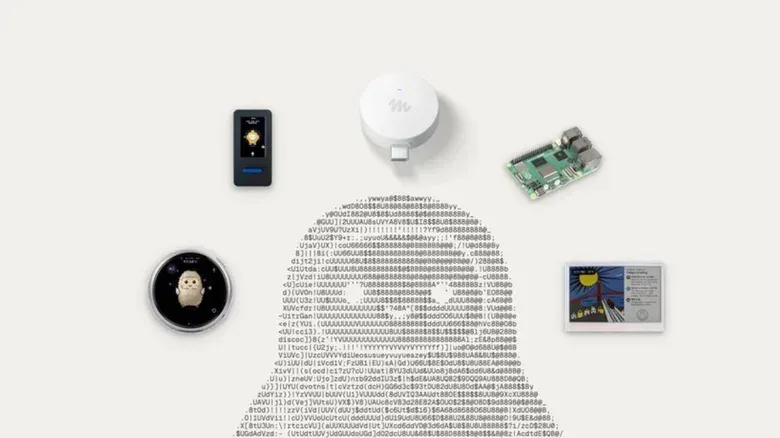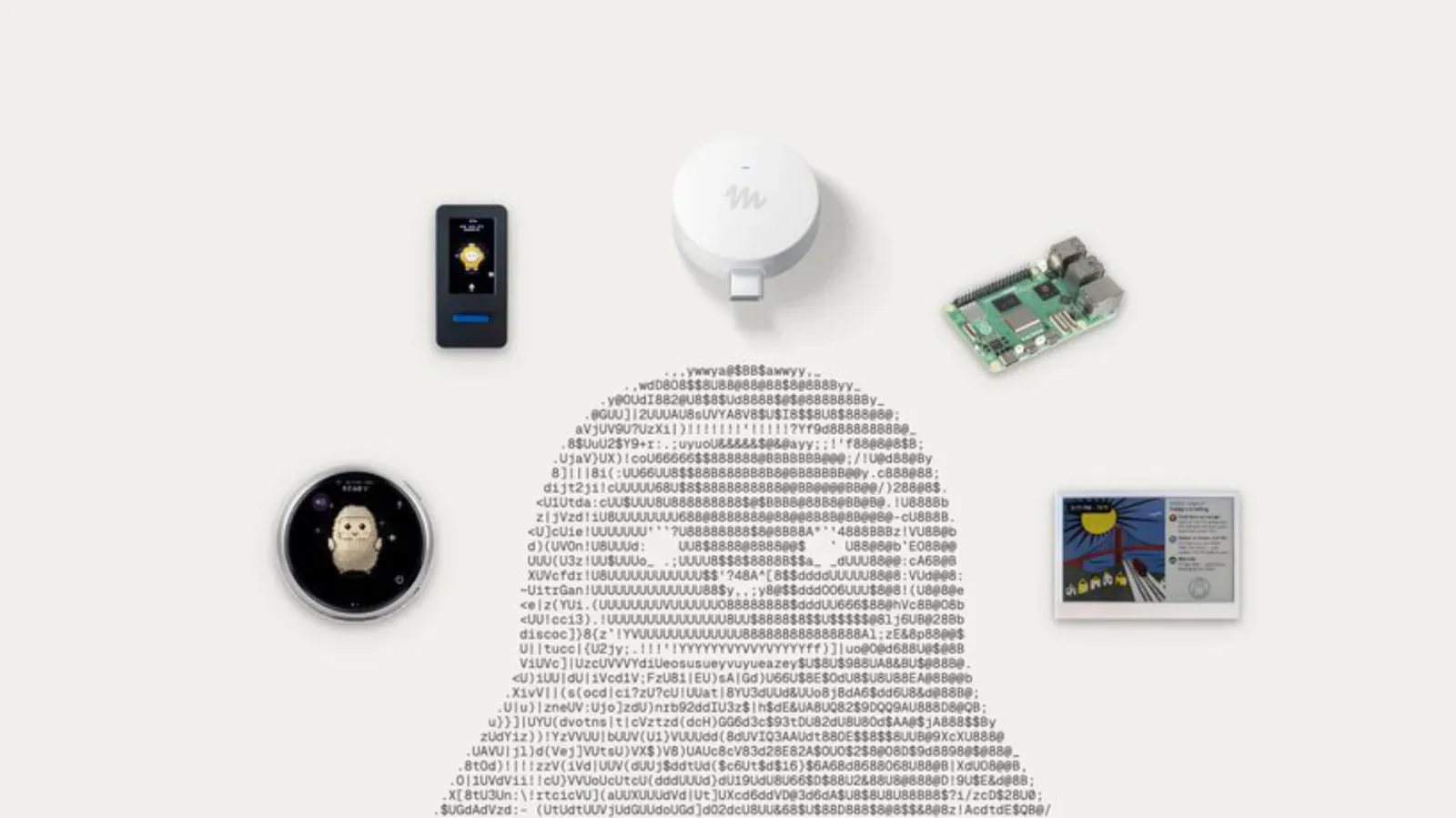
Meta is inviting developers to take its Muse AI agent off the screen and put it into hardware of their own design. The new open-source initiative, called Muse Gadgets, provides firmware and a Linux software development kit (SDK) intended to help builders connect Muse to custom devices.
The project arrives alongside Meta’s own small smart-home accessory, Muse Home Link. The USB-C-powered device is designed to put Muse on a home network so it can communicate with compatible TVs, speakers and other smart-home equipment that exposes HTTPS. Meta plans to give 5,000 Home Link units to Muse subscribers.
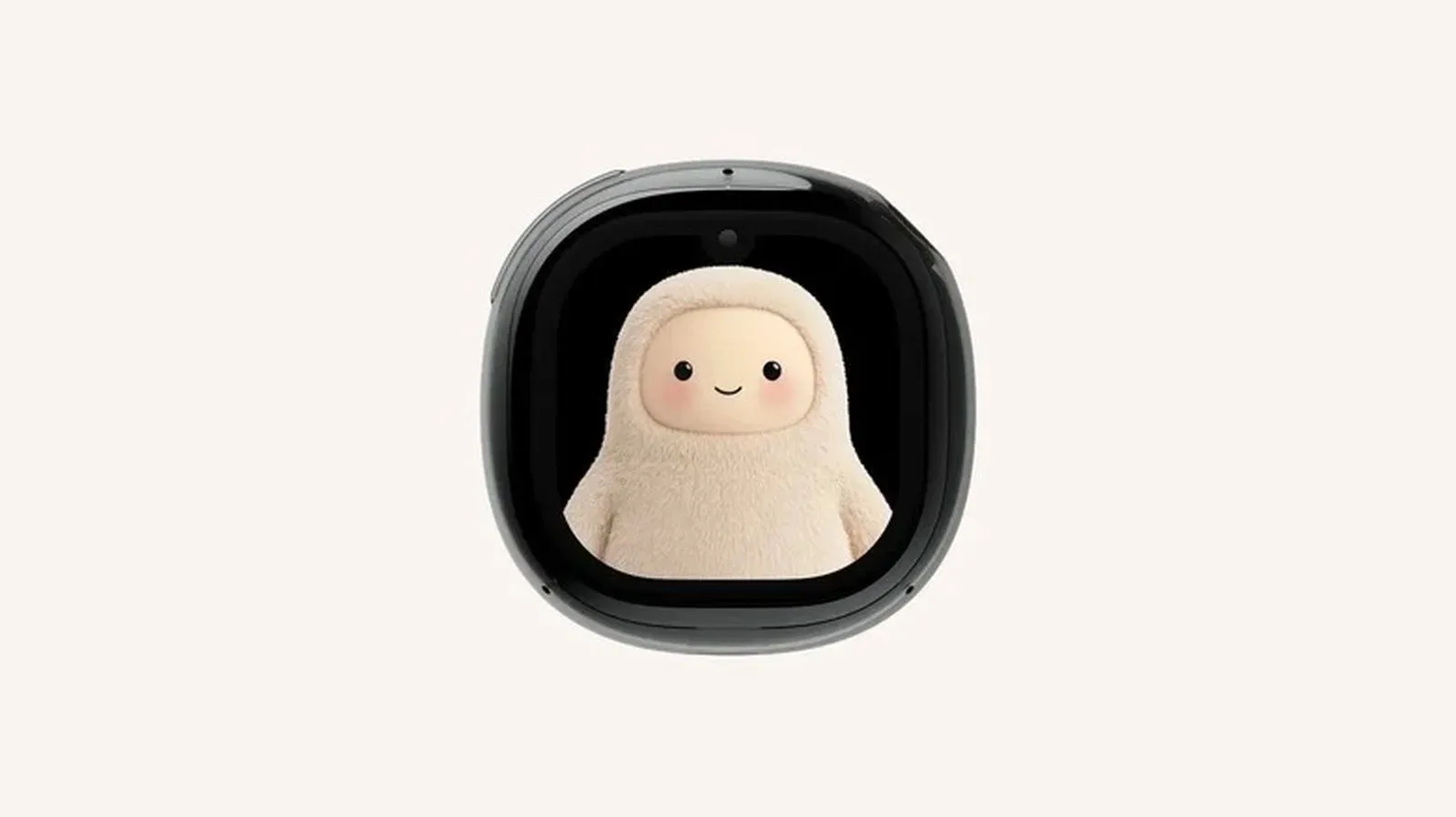
It is an intriguing expansion of the company’s still lightly detailed Muse hardware plans. The Muse Charm, revealed at Connect the previous week, has been positioned as a way to speak to an agent without wearing smart glasses. Muse Gadgets broadens that premise considerably: rather than one company-defined form factor, the agent could appear on a desk display, behind a television, or in whatever other device a capable hobbyist can assemble.
What Muse Gadgets actually opens up
Open source can mean many things, so the specific materials matter. Meta says it is offering open-source firmware and a Linux SDK for Muse Gadgets.
Firmware is the foundational software that helps hardware perform its basic functions. In a small connected gadget, it can govern how the device starts, uses ports, connects to a network and communicates with higher-level services. An SDK, meanwhile, is a developer toolkit: it generally gives creators the code interfaces and supporting materials needed to build applications or integrations for a platform. Linux is the operating-system environment named here, which places the project squarely in territory familiar to many hardware tinkerers and developers.
The practical promise is not that every household object suddenly becomes a Muse device. It is that people who can build and configure hardware may have a supported route to make a purpose-built interface for the agent. Meta has floated several examples:
- a dedicated E Ink display;
- an HDMI dongle connected to a television; and
- a small touchscreen accessory with a form reminiscent of the Muse Charm.
Those examples point to different kinds of interaction rather than a single prescribed product. An E Ink display could favor glanceable, low-distraction information. An HDMI dongle suggests a TV-based interface. A compact touchscreen could make Muse a separate, portable touchpoint rather than something accessed through a phone, computer or wearable.
Crucially, they are examples, not a confirmed hardware roadmap. Meta’s stated concept is broader: the platform appears intended to be flexible enough for builders to attach the agent to other device types as well. What those gadgets can ultimately do, how they will be configured and which capabilities will be available have not been detailed here.
Muse Home Link is the first concrete reference point
The Home Link provides the clearest available indication of the project’s direction. It is described as a small USB-C-powered dongle that lets Muse join a home network and communicate with smart-home devices including TVs and speakers, plus anything else that exposes HTTPS.
HTTPS is the secure version of the web protocol commonly used for encrypted communication between a client and a server. In this context, the important phrase is “exposes HTTPS”: Home Link’s stated compatibility is tied to devices or services that make a network-accessible HTTPS interface available. That is not the same as a promise that every smart TV, speaker or connected appliance will work automatically. Compatibility will depend on what a particular device exposes on the network and how Muse supports it.
The use of a USB-C-powered dongle is also notable because it makes the Home Link sound like an intentionally modest appliance rather than a full smart-home hub. Its role, based on the available description, is to bridge Muse and devices on the local network. Meta has not outlined a wider feature list, detailed setup requirements or named supported brands.
For subscribers who receive one of the 5,000 units, the Home Link may function as both a useful accessory and a real-world example of the kind of integration Muse Gadgets is meant to foster. For developers, a first-party reference device can be valuable even when its design is simple: it illustrates one possible pairing of power, connectivity and agent access without dictating that every project follow the same shape.
Why the developer angle matters
Meta has also opened a dedicated Discord community for Muse Gadgets. That signals an effort to gather builders around the platform, where practical questions, prototype ideas and software work can circulate. Community infrastructure does not guarantee a flourishing ecosystem, but it gives an early hardware initiative a place to develop outside a single product launch.
The larger strategic appeal is easy to understand. Dedicated AI hardware remains a field where interface decisions are not settled. A voice-first companion, a tiny screen, a TV interface and a smart-home bridge all make different assumptions about where people want an AI agent to live. By opening firmware and a Linux SDK to outside makers, Meta can see which ideas attract attention without having to build every experimental form factor itself.
That should not be confused with a declared plan for broad consumer hardware. Meta has not made its longer-term intentions for Muse Gadgets clear. Still, creations from hobbyists could inform its future hardware work. A popular DIY concept may reveal an interaction pattern worth pursuing; a complicated or unreliable one may show the limits of a particular approach.
There is a useful cultural parallel in the wider AI discussion: technical openness and trust are separate questions. Builder-friendly tools can encourage experimentation, while users still need clarity about what a connected assistant can access, what it sends across a network and how it behaves around sensitive devices. That distinction also sits at the heart of debates about evidence and responsible AI claims, including the risks of treating AI suspicion as proof.
What remains unknown
Muse Gadgets has a clear starting proposition but many unresolved details. Little is known publicly about the tamagotchi-like Muse device itself, and the current information does not establish the full scope of the agent’s features in third-party hardware. There are no specifics here on final device requirements, how far the SDK reaches, what safeguards are built into integrations or whether Meta will turn popular community ideas into commercial products.
Likewise, the 5,000-unit Home Link giveaway is a defined initial distribution, not an indication of broader retail availability. No price, retail launch or subsequent production plan has been provided.
That uncertainty is important because the difference between an appealing prototype and a useful everyday smart-home tool is often in the unglamorous details: setup, device compatibility, permissions and reliability. The current announcement establishes the technical invitation, but not the answers to those everyday questions.
A move away from one-size-fits-all AI hardware
The Muse Charm framed Meta’s agent as something people might talk to without putting on smart glasses. Muse Gadgets takes the next logical step: perhaps there is no single ideal vessel for an AI agent at all.
Some people may prefer a quiet, always-visible display. Others may want a television interface or an unobtrusive link to the smart-home devices they already own. Makers may pursue purposes that do not resemble any of Meta’s examples. The open firmware and Linux SDK are an attempt to make that experimentation possible.
For now, the initiative is best understood as an early platform effort rather than a finished lineup of consumer gadgets. Its first device is a USB-C smart-home bridge, its developer resources target Linux builders, and its stated examples range from E Ink displays to HDMI accessories. Whether Muse Gadgets becomes a productive ecosystem or simply a source of interesting prototypes will depend on what developers build—and how much practical utility they can find for an AI agent beyond the screen.