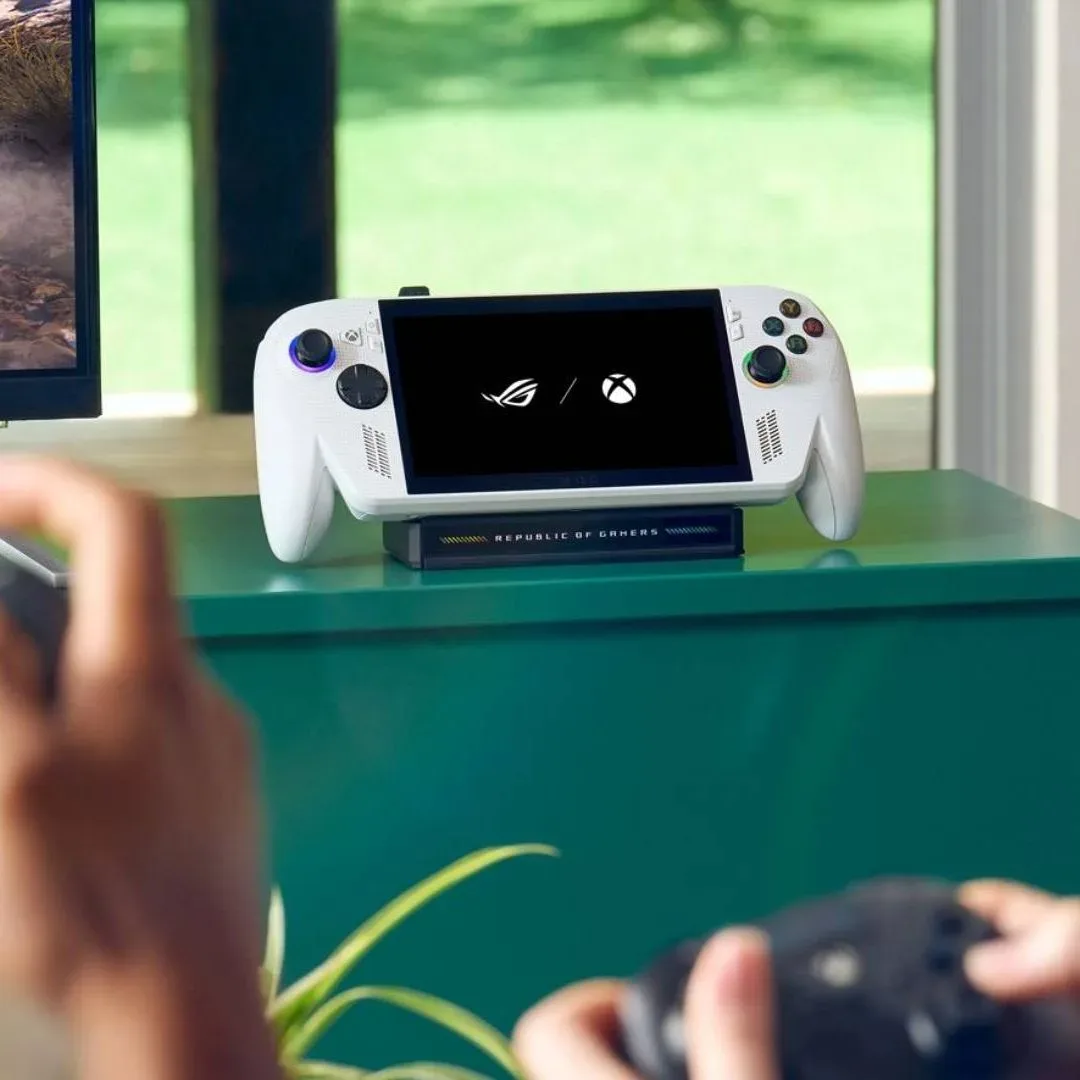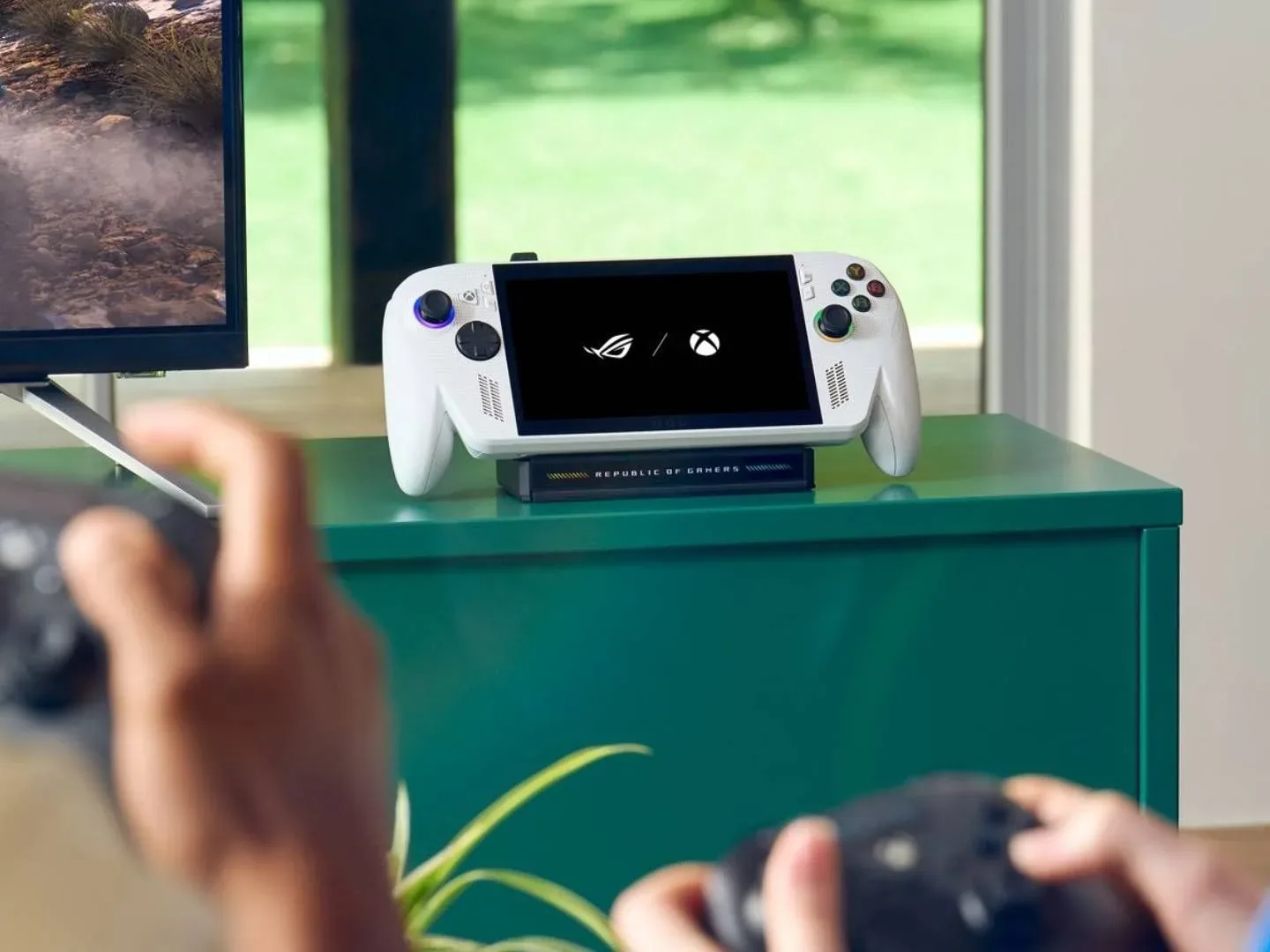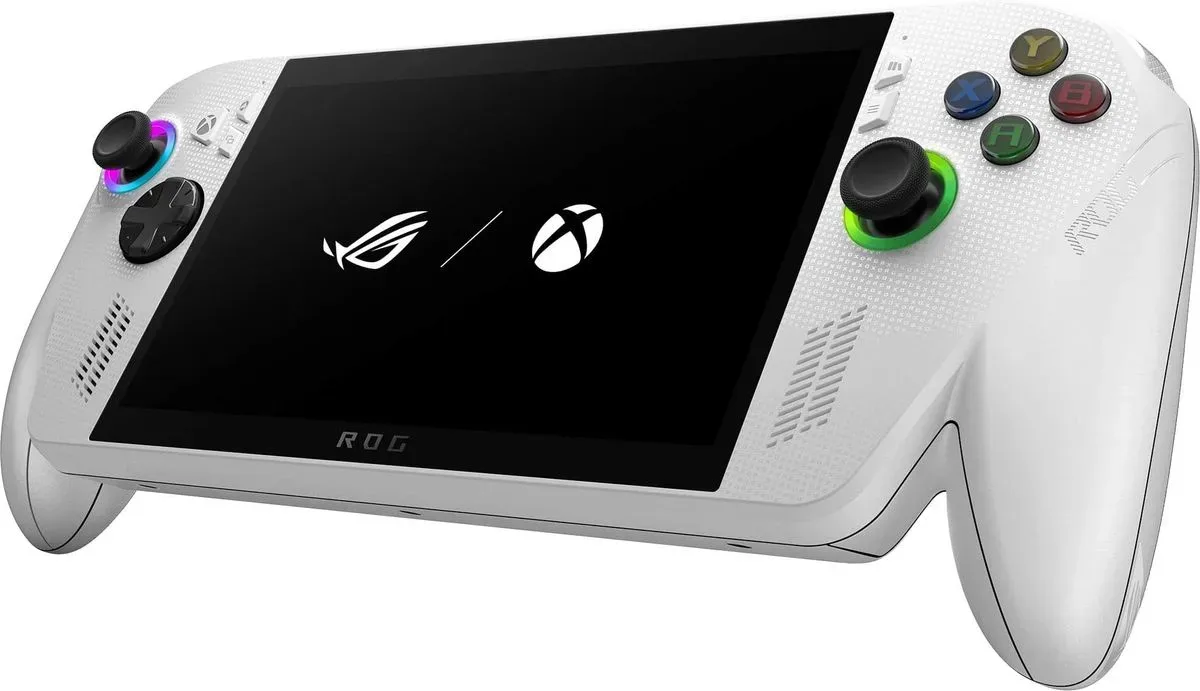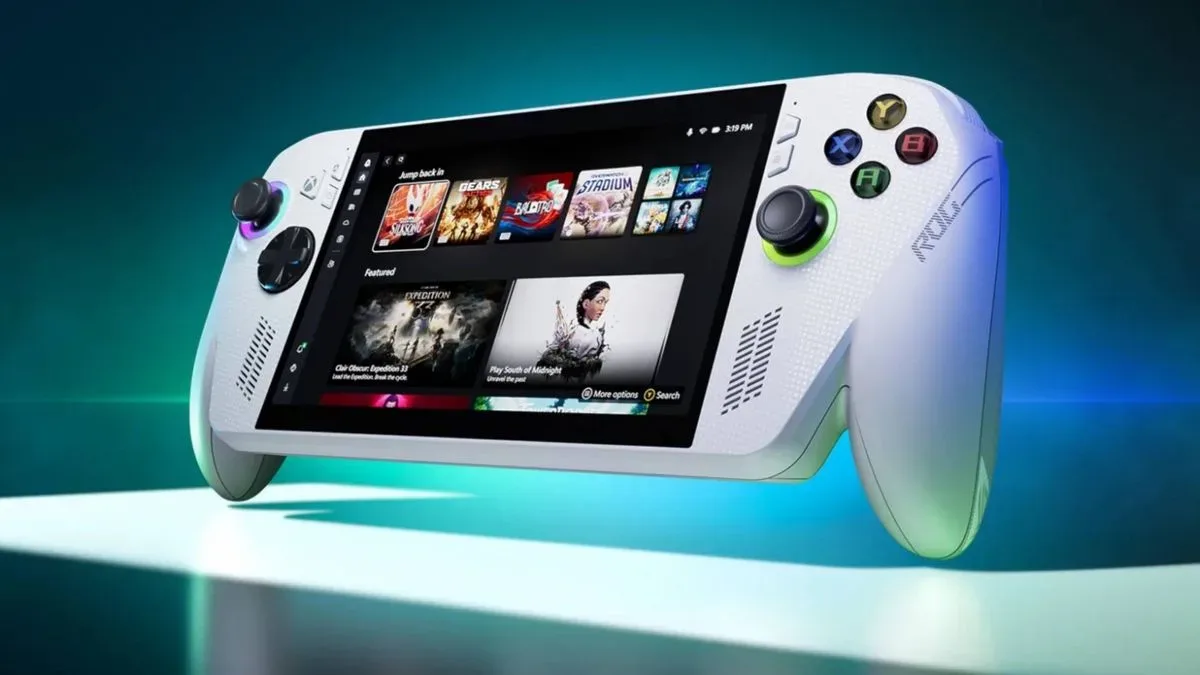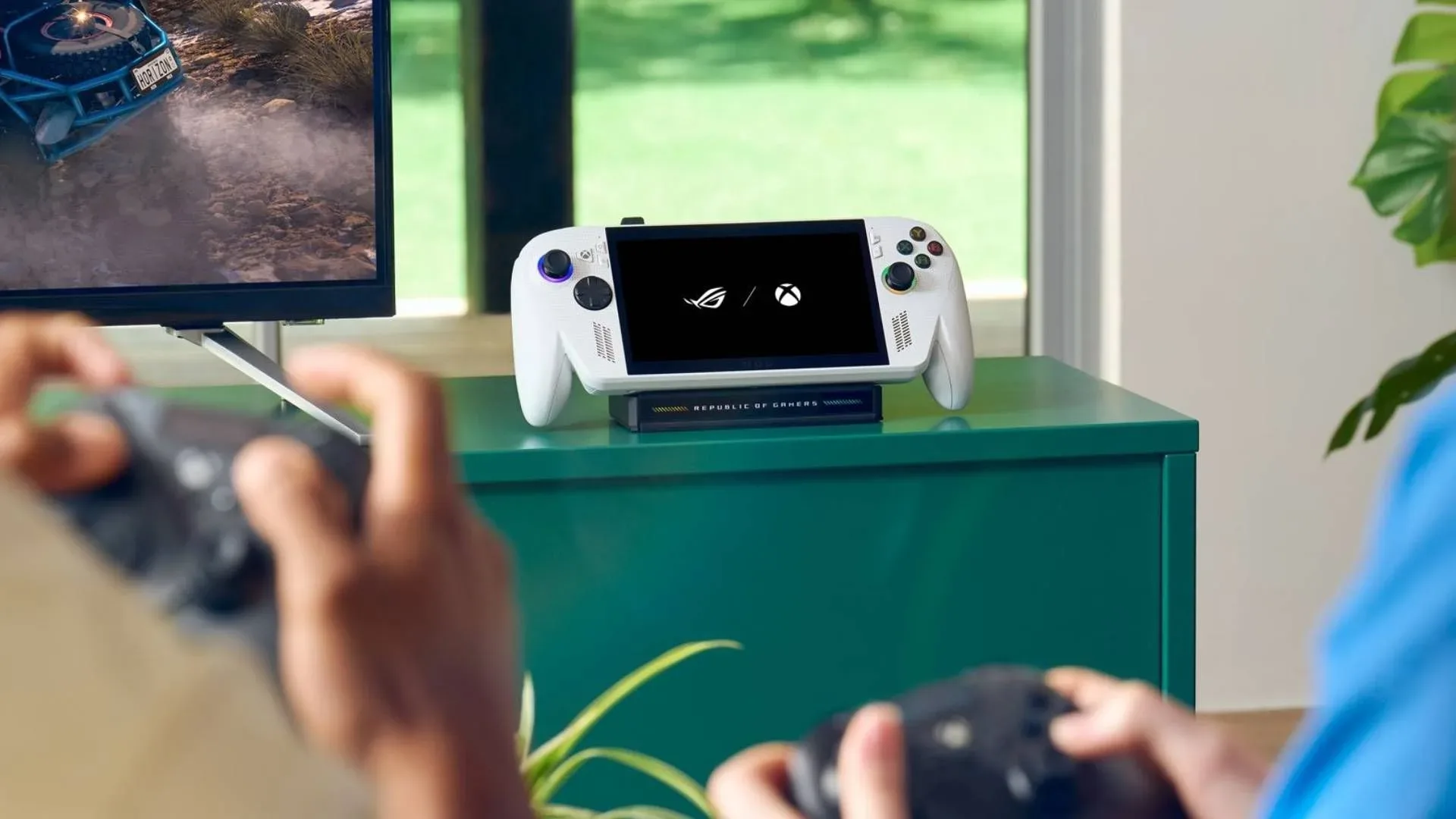
There is a particular kind of modern hardware bargain that feels less like victory and more like finding a sandwich in the couch cushions. Best Buy’s open-box pricing on the white ROG Xbox Ally is one of those bargains: it can put a working handheld PC in buyers’ hands for under $500, which is genuinely useful. It also asks buyers to celebrate getting a previous-generation-style value proposition only after accepting returned hardware and a lower-powered chip.
The most compelling current listing is the ROG Xbox Ally in “good” open-box condition for $479.99. A “fair” example is listed at $461.99, while an “excellent” unit is $497.99. Each tier is expected to be fully functional, but the condition labels matter: they reflect the possibility of cosmetic wear, including minor scratches or dents. That means this is not simply a standard price cut on a sealed handheld. It is a trade-off between savings, the unknowns inherent to an open-box item, and how much visual wear a buyer is willing to tolerate.
For someone who needs a Windows-style handheld PC now and has set a firm ceiling around $500, the $479.99 “good” unit is the sensible middle option. It is only $18 more than “fair,” a small enough gap that avoiding the lowest cosmetic grade is likely worthwhile. The “excellent” tier is another $18 above good, however, and buyers should decide whether that extra reassurance has real value to them rather than assuming that it changes performance. These are all the same base ROG Xbox Ally configuration, not a route to the more powerful ROG Xbox Ally X.
The important distinction: this is the base ROG Xbox Ally
The deal applies to the white ROG Xbox Ally rather than the ROG Xbox Ally X with AMD’s Z2 Extreme chipset. That distinction is the heart of the story. The base machine has 16GB of RAM, 512GB of storage, and a 7-inch 1080p display with a 120Hz refresh rate. Those are still perfectly recognizable handheld-PC specifications, and 512GB is at least a practical starting point for a game library. But the overall package closely resembles the original 2023 Asus ROG Ally rather than making a dramatic generational leap.
Its AMD Ryzen Z2 A processor is the primary limiter on expectations. The chip has four CPU cores and eight threads. A thread is a processing path available to software; more cores and threads do not automatically make every game faster, but they can offer a platform more room to handle a game’s CPU work alongside the operating system and background tasks. By comparison, the Z1 Extreme has an eight-core, 16-thread configuration. The numerical difference does not provide a universal frame-rate formula, but it is a meaningful dividing line between the base model and the higher-end class of handheld hardware.
That is why a buyer should not read “120Hz” and assume 120 frames per second are around the corner. Refresh rate describes how often a display can update per second; it is the screen’s ceiling, not a promise that the system can render every game at that rate. Frames per second (fps) is the rate at which the hardware actually produces frames. A 120Hz screen can still be valuable for responsiveness and for games that run well, but processor performance determines whether demanding games can approach that upper limit.
The Z2 A is positioned much closer to the custom processor used in the Steam Deck than to the Z1 Extreme. Experience with the Lenovo Legion Go S using a similar Z2 Go chip points to performance that only narrowly moves ahead of the Steam Deck in some circumstances. Meanwhile, the original ROG Ally, equipped with the Z1 Extreme, could more clearly outperform Valve’s handheld across many scenarios. The practical takeaway is straightforward: the discounted base Xbox Ally should be approached as an entry-level-to-midrange portable PC, not as a cut-price substitute for the Ally X.
Why under-$500 still matters
The awkwardness of this deal is that $480 used to sound less like a clearance-style compromise and more like the basic promise of the category. The Steam Deck helped establish a new expectation in 2022: a handheld PC could be capable enough for modern games without demanding a premium-device budget. The original ROG Ally reinforced that expectation, and it fell below $400 during sales. In that context, an open-box base model at roughly $480 is financially defensible but emotionally underwhelming.
Related coverage includes Open-Box ROG Xbox Ally Deals Highlight How Difficult Affordable Handheld PCs Have Become.
It is also notable that the Steam Deck OLED now begins above $700. Whether shoppers prefer SteamOS-oriented hardware or a Windows handheld, the lower end of the category is plainly harder to reach at conventional retail pricing than it was during the early rush of handheld PC competition. Broader component-market pressures have been suggested as part of the explanation, including the increasingly intense pull of AI-related demand, but a single retailer listing cannot establish a clean cause-and-effect chain. What it does show is the consumer result: a price once associated with new entry-level hardware is now being found through open-box stock.
That makes this less a triumphant new standard than a useful market signal. Buyers seeking a portable PC for a modest budget may need to watch returns, clearance inventory, and condition grades rather than wait for a straightforward sub-$500 launch model. The deal can be good without the market situation being good.
How to evaluate the three open-box options
Open-box inventory needs a slightly different shopping checklist from new hardware. “Fully working” is reassuring, but it does not eliminate questions about cosmetics, packaging, accessories, or how consistently the retailer’s grade matches a buyer’s own definition of acceptable wear. Since this price spread is narrow, it is worth treating condition as part of the actual product decision.
- Fair at $461.99: The lowest listed price, but only $18 below the good tier. It suits a buyer whose budget is genuinely fixed and who considers exterior wear irrelevant.
- Good at $479.99: The strongest balance of cost and condition based on the provided prices. It remains below $500 without selecting the lowest grade.
- Excellent at $497.99: Still below the psychological $500 line and only $18 above good. It is the choice for someone who would rather reduce the chance of noticeable cosmetic compromise than preserve every possible dollar.
Buyers should also remain disciplined about what the discount does not change. It does not turn the Ryzen Z2 A into a Z2 Extreme, increase storage beyond 512GB, or alter the 16GB memory configuration. It also does not erase the possibility that a newer, faster handheld may offer a better long-term fit if its higher price is manageable. A deal is only a deal when the device’s actual performance tier matches the games and software a person expects to use.
Who this handheld fits—and who should wait
The open-box ROG Xbox Ally makes the most sense for a buyer who prioritizes access to PC games in a portable format, recognizes the limitations of the base chip, and would rather spend about $480 than move to a premium model. Its 7-inch 1080p, 120Hz panel, 16GB RAM, and 512GB SSD create a feature set that is not bare-bones. It simply is not positioned to deliver the performance headroom associated with Extreme-class handhelds.
It is a weaker fit for anyone purchasing primarily to chase higher frame rates in demanding games, or for buyers who already know they will compare it constantly with Z1 Extreme or Z2 Extreme machines. In that situation, the lower ticket price can become false economy: saving money upfront may feel less satisfying if performance was always the deciding factor. The base Ally’s value depends on accepting its class rather than expecting it to escape it.
It can also have appeal for players interested in older PC libraries and retro software, where raw modern performance may be less central. The setup work still matters on a handheld PC, especially for emulation: controller mappings, profiles, and hotkeys can decide whether portable sessions feel effortless or fiddly. Our guide to setting up emulator controls with profiles, hotkeys and safe defaults covers the sort of preparation that can make that use case more comfortable.
A sensible purchase born from an unsatisfying comparison
The ROG Xbox Ally open-box listings are not hard to understand. At $479.99 for a good-condition model, the base handheld is one of the clearer routes to a functional portable PC below $500. The $497.99 excellent-condition option is similarly defensible for shoppers who place more importance on appearance. Those prices are close enough that buyers can choose condition deliberately instead of treating “fair” as the automatic bargain.
But the recommendation is necessarily qualified. This is a base model whose four-core, eight-thread Z2 A is not built to deliver the same level of performance as Z1 Extreme or Z2 Extreme hardware. Its specification is also closely aligned with a 2023-era handheld template that was once available for less money during sales. The deal is therefore best understood as a practical answer to an expensive market, not proof that affordable handheld PCs have recovered.
For a shopper who needs a handheld now, that answer may be enough. For everyone else, the larger wish remains reasonable: a new, readily available portable that combines a genuinely current chip with the approachable pricing that helped make handheld PCs exciting in the first place.