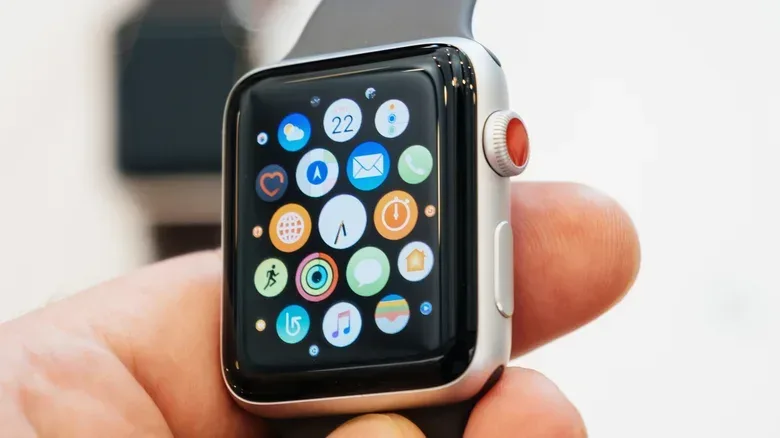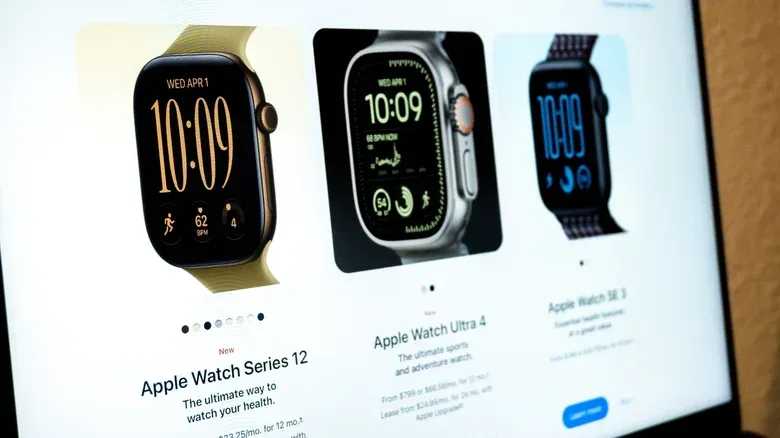
An Apple Watch does not instantly become worthless when a new model arrives or when it stops receiving the newest version of watchOS. But it does enter a different kind of ownership phase: one where the decision is less about shiny new features and more about convenience, resale effort, device condition, and account security.
That choice is particularly relevant for watches older than Apple Watch Series 9. watchOS 27 no longer supports those models, though some may continue to receive security patches. The distinction matters. A watch without the latest features can still work as a wearable and can still be useful to another owner, but software support changes are a clear signal to assess whether the device should be traded, sold, repurposed, or recycled.
Current examples show a substantial gap between the simplest route and the potentially higher-paying one. Apple’s trade-in program offers up to $45 for a Series 6 and up to $90 for a Series 8. Resale examples on Swappa place a Series 6 at roughly $100 and a Series 8 around $130. Those are not guaranteed prices; actual returns vary with exact configuration and condition. Still, they illustrate the core bargain: trade-in minimizes friction, while direct resale can reward the extra work.
Trade-in credit is about certainty and convenience
Apple Trade In is designed for an owner who wants to turn an old watch into credit without managing a listing or finding a buyer. The credit can go toward a new Apple product, whether that is another Apple Watch, an iPhone, or AirPods. If there is no immediate purchase planned, the value can be issued as an Apple gift card, which can also be used for apps or subscriptions.
That is an important limitation to understand at the outset: this is credit, not cash. A $90 maximum offer is most useful to someone already planning an Apple purchase. For anyone who would rather have money to spend elsewhere, private resale may fit better even if it takes more time.
The process is available in store or by mail, with shipping covered for mailed devices. Credit is added after Apple receives the watch and confirms its condition and eligibility. That confirmation step is why the published figures should be read as maximum values rather than promises. Scratches, cracks, and other wear can lower an offer. A sufficiently old or badly damaged watch may receive no trade-in value, although Apple still offers free recycling.
Examples of maximum trade-in values
- First-generation Apple Watch SE, released in 2020: up to $30.
- Apple Watch Series 6: up to $45.
- Apple Watch Series 8: up to $90.
- Apple Watch Series 11: up to $200.
- Apple Watch Ultra 3 in good condition: up to $430.
The example at the lower end makes the financial trade-off especially plain. If a Series 8 receives its maximum $90 credit against an Apple Watch Series 12 starting at $399, the remaining device price is $309. That is simple and predictable, but it may not equal the higher amount a seller could obtain from an individual buyer.
Why resale values can be higher
A direct buyer pays for a watch they believe still has practical use. That may be a first smartwatch, a replacement device, or a companion wearable that does not need the latest watchOS capabilities. A marketplace transaction therefore gives the seller an opportunity to capture more of that remaining utility than a standardized trade-in quote does.
Related coverage includes What an Old Apple Watch Is Worth in Trade-In Credit or Resale.
The supplied resale examples suggest a Series 6 can bring around $100, more than twice the cited $45 trade-in maximum, while a Series 8 can reach about $130 compared with Apple’s $90 maximum. Those figures should not be treated as fixed market prices. They are snapshots, not a floor. Condition, the exact model, and the configuration all remain material.
In practical terms, resale asks the owner to take on duties the trade-in program largely removes: accurately identifying the watch, describing its condition, preparing it for transfer, and completing a buyer-facing transaction. The higher possible return is compensation for that effort and uncertainty, not free money.
Configurations that can affect value
Not every Apple Watch with the same series number is equally desirable. Models with cellular connectivity generally retain more value than GPS-only versions. Cellular means the watch can connect to a mobile network rather than relying only on a paired phone connection for that type of connectivity.
Case material matters as well. Steel or titanium versions tend to hold value better than aluminum versions. That does not mean a GPS aluminum watch has no market; it means that the specific version needs to be considered before deciding whether a trade-in quote is competitive.
A sensible comparison begins with the exact device, not merely “Series 6” or “Series 8.” Once the owner knows whether the watch is cellular or GPS-only and what material it uses, a more useful choice emerges: accept the credit for speed, or seek a private-sale price that better reflects the configuration.
Condition is not a footnote
Condition affects both paths. Apple’s trade-in assessment explicitly accounts for issues such as scratches and cracks. A private buyer will also weigh visible wear when deciding what to pay. That makes a clear-eyed evaluation worthwhile before any transaction begins.
Owners should avoid assuming that an older watch is automatically a write-off just because it has left the newest watchOS support list. Equally, they should avoid treating a maximum trade-in value or an observed resale figure as an entitlement. The usable middle ground is to recognize the model’s remaining value while being candid about its physical state.
For a watch in poor condition, free recycling may be the most straightforward outcome if no credit is offered. It is better than letting an unusable device sit indefinitely in a drawer, and it avoids the problem of trying to transfer a device that is not realistically sellable.
Activation Lock: the non-negotiable preparation step
Before trading in or selling an Apple Watch, it must be unpaired and reset. This is not just tidy digital housekeeping. It is necessary to remove Activation Lock.
Activation Lock is the protection that prevents a different person from unlocking and using the watch without the previous owner’s Apple Account credentials. It is valuable when a device is lost or stolen, but it makes a legitimate second-hand transfer impossible if the original owner leaves it enabled. A buyer cannot unlock the watch without that account and password, and Apple will not accept a trade-in with Activation Lock active.
The practical implication is straightforward: do the account-removal work before the watch leaves your possession. Do not assume that a reset alone settles the matter if the watch remains tied to the old owner’s account. A device that reaches a buyer or trade-in channel with Activation Lock in place risks becoming a frustrating return, a rejected trade, or an unusable purchase.
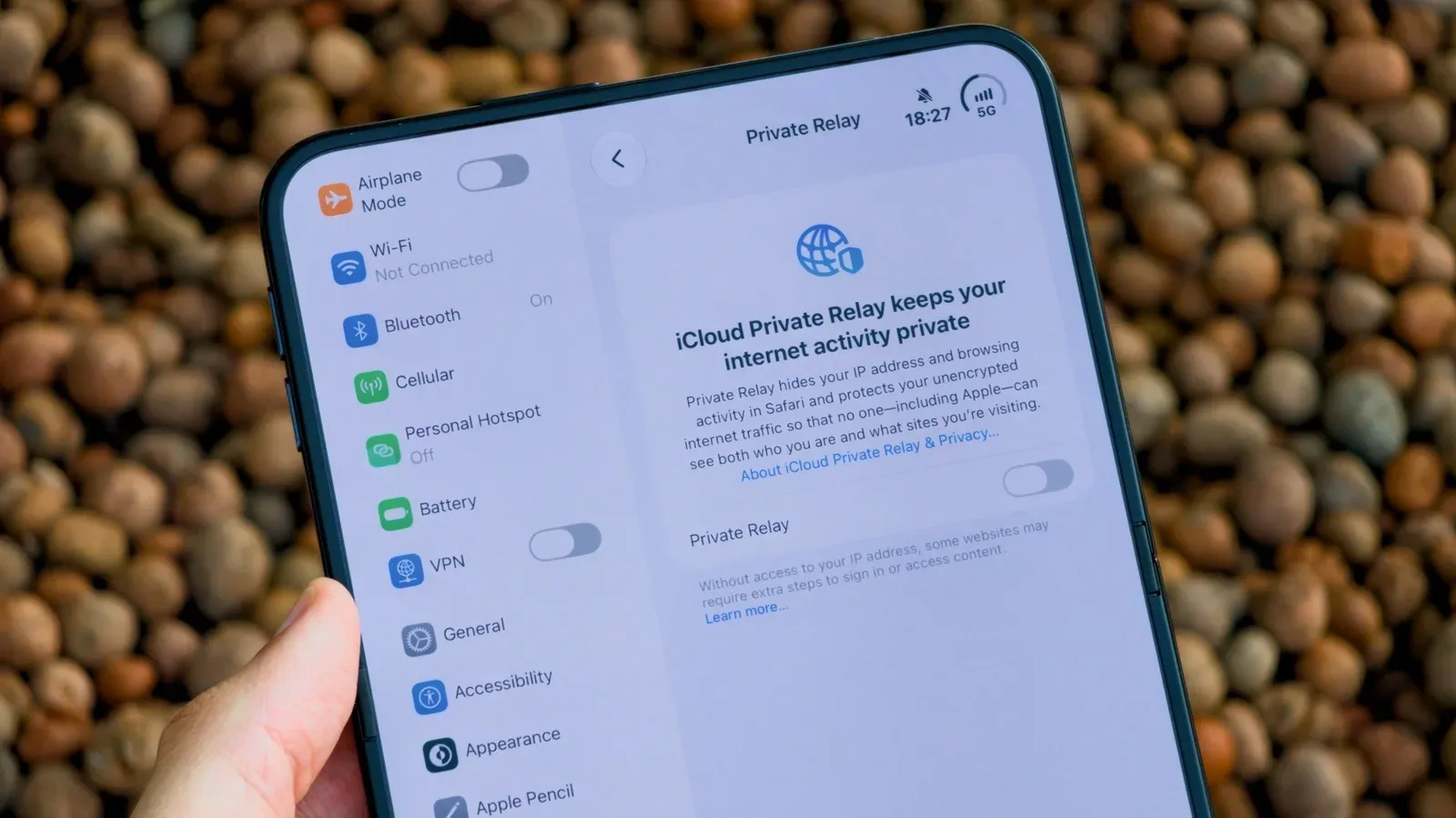
This preparation principle applies to consumer devices more broadly. Privacy and account separation are often just as important as cosmetic condition when passing hardware along. For another Apple-focused privacy consideration, see our guide to what iCloud Private Relay does—and does not—do.
Keeping an old watch can be a valid third option
A sale or trade is not mandatory merely because a newer Apple Watch exists. An older model can still take on a narrower role. One cited example is using it as a sleep tracker while a primary watch charges overnight. That arrangement makes use of a device that may no longer be the best all-day watch but remains capable of serving a specific purpose.
This choice has an opportunity cost: keeping the watch means giving up any credit or resale income. But the better decision depends on how much usefulness the owner gets from that dedicated role. A $30 trade-in maximum for an early Apple Watch SE, for example, may be less appealing than retaining a functioning secondary tracker. Conversely, a higher-value device—particularly an Ultra model—may be more compelling to trade toward a new purchase.
How to make the decision without overthinking it
- Identify the exact watch. Confirm its series, connectivity type, and case material. These details influence its potential value.
- Assess its condition honestly. Look for scratches, cracks, and other damage that may change a trade-in assessment or buyer interest.
- Check Apple’s current quote. Trade-in values are updated regularly, so use the current figure rather than an old estimate.
- Compare the convenience premium. Consider whether the difference between a trade-in credit and a likely resale amount is worth the added effort of selling.
- Unpair and reset it before transfer. Ensure Activation Lock is removed, whether the watch is headed to a buyer or Apple.
- Choose recycling or reuse when selling does not make sense. Free recycling is available for devices that do not qualify for credit, while a functioning watch may still be useful in a secondary role.
For most owners, the best route is not determined by the age of the Apple Watch alone. It is determined by the relationship between its condition, configuration, likely credit, likely resale value, and the owner’s tolerance for a little transaction work. The old wearable may no longer run the newest watchOS features, but it can still have a useful next chapter—whether that means Apple credit, a new owner, a bedside charging companion, or responsible recycling.