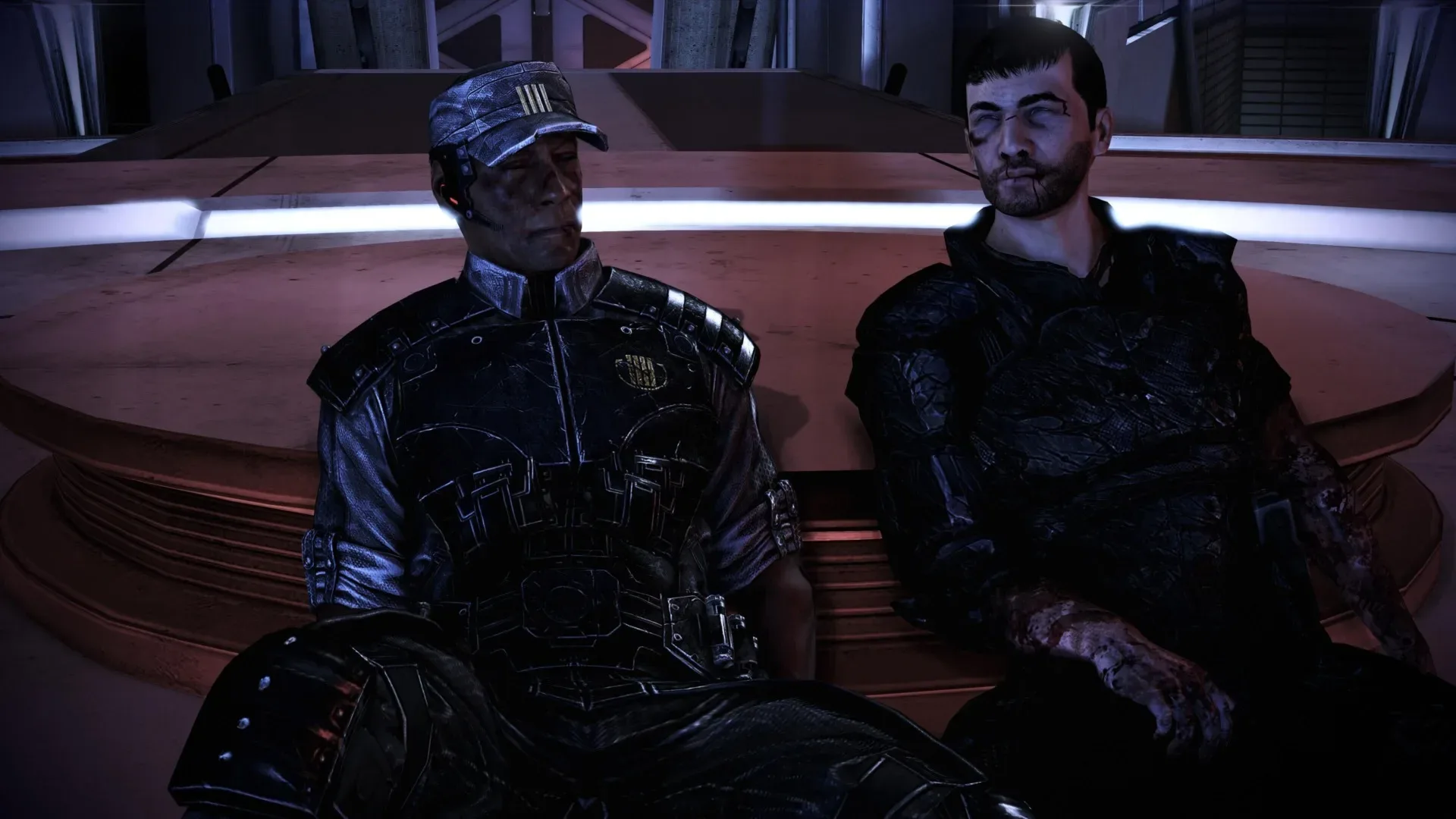
There is a particular kind of sequel confidence in beginning with a catastrophe. Mass Effect 2 opens by treating the Normandy SR-1, its familiar crew and even Commander Shepard’s survival as expendable. The spectacle is dramatic, certainly, but it also works as a statement of intent: this will not be a cautious return trip through the first game’s formula.
The original Mass Effect, released in 2007, established an unusually ambitious premise. It offered a science-fiction role-playing game where decisions could carry forward, where an ongoing narrative could stretch over multiple games, and where dialogue choices were central rather than decorative. Its scope was enormous. So was the amount of lore asking to be absorbed. Yet its moment-to-moment action and vehicle sequences could feel less certain than its conversation system, leaving a gap between the grandness of the universe and the immediacy of playing within it.
Mass Effect 2 narrows that gap by doing two things at once. It makes combat faster, clearer and more tactically demanding, then makes the people between those firefights matter far more. Its looming threat may be galactic, but the game finds its pulse in a ship full of companions with unfinished business, incompatible values and very understandable reasons to distrust one another. The universe gets bigger in implication, but the storytelling feels closer.
A reset that means something
Returning players could bring established continuity into the sequel, along with benefits such as XP and credits. That continuity was not simply discarded. But the destruction of the Normandy and Shepard’s subsequent reconstruction create a clean dramatic break. It is a reboot inside a sequel: familiar enough for past decisions to retain meaning, decisive enough for the new game to choose a different identity.
That distinction is vital. A sequel can add systems without changing its priorities. Mass Effect 2 changes the priorities. The first game had RPG mechanics and third-person shooting running alongside one another. The follow-up pushes hard toward a cover-shooter rhythm, where positioning, incoming fire and an enemy’s defences determine the immediate problem. It does not abandon character classes, powers or dialogue choices; it gives them a more focused stage.
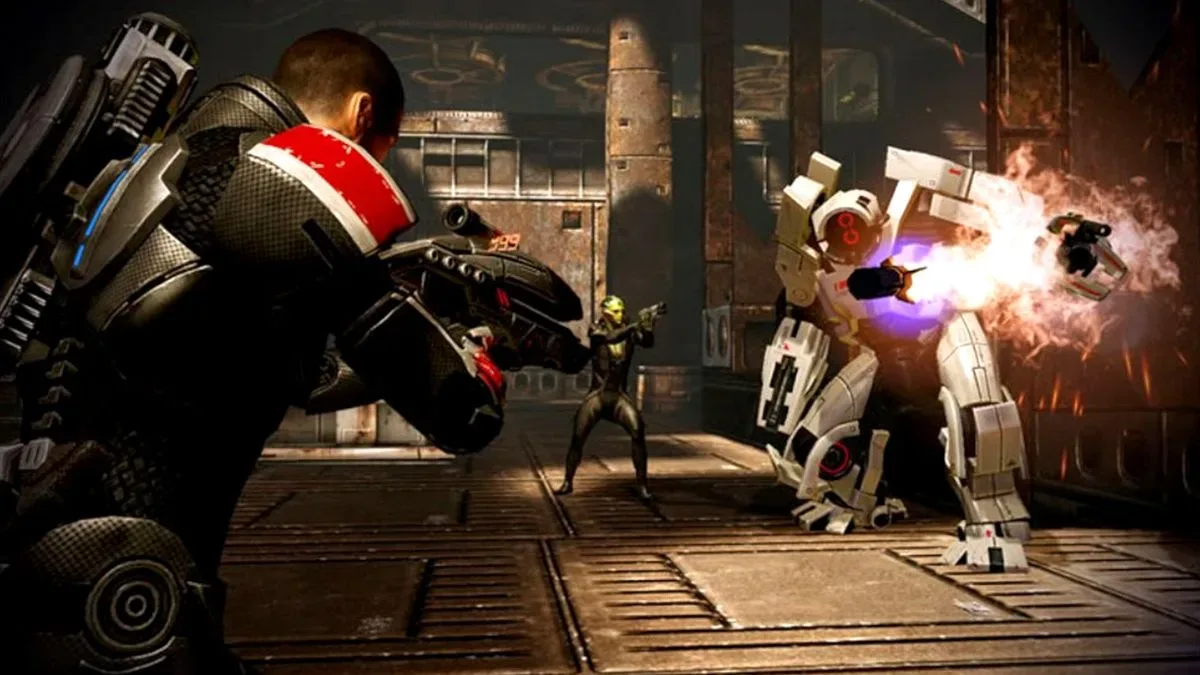
The change begins with movement. Shepard is no longer described by the heavy, deliberate feel of an armored RPG protagonist. Cover becomes a natural part of moving through arenas, and the opening pistol establishes that guns can have punch. That feedback matters. A shooter lives or dies not only by the number of weapons it contains, but by whether firing one communicates force, risk and result. Here, shooting becomes a compelling activity rather than a delay between the conversations everyone remembers.
What the combat overhaul actually changes
The sequel’s clearest mechanical idea is its layered approach to enemy protection. Opponents can have shields, barriers, armor and health, each presented separately. This is more than extra user-interface decoration. It gives players a readable sequence of problems: strip the protection, then finish the target. The result is a combat language that asks players to identify what is in front of them instead of merely pouring ammunition into a single oversized health bar.
In practical terms, sustained SMG fire can wear down shields, while the biotic power Reave can prevent health regeneration against organic enemies. Those examples show why the system is not just a cosmetic update. It links equipment and powers to the condition of an opponent. A fight can be won by damage, but also by choosing the correct kind of pressure.
Related coverage includes Mass Effect 2's Great Reinvention Was Built on Personal Stakes.
Biotic powers are abilities associated with manipulating force and bodies in space, allowing spectacular crowd-control moves and aggressive attacks. Tech abilities provide another route to disrupting or managing a battlefield. Both build on the earlier game’s collection of buffs, debuffs and control powers, but their use feels more immediate within the sequel’s sharper action. Pulling an opponent from cover becomes useful not just because it looks clever, but because cover is now an essential resource for both sides.
The enemies understand that resource too. They flank, close distance, establish dangerous firing lanes and use flamethrowers to force Shepard away from safe positions. This is why the game’s speed does not have to flatten into chaos. Enemies exert spatial pressure, meaning players must think about where they stand, where they can move and which threat needs attention first.
The power wheel is central to that balance. Opening it pauses the action, providing a brief tactical intermission inside hectic encounters. The player can inspect the situation, select an ability and make a plan without requiring Shepard to be an impossibly quick decision-maker. On tougher settings, that pause changes the feel of battle. The game is still a cover shooter, but it becomes one in which planning and adaptation can be as important as aim.
That makes the reinvention more substantial than a surface-level attempt to imitate the third-person shooters prominent around the time. The action is not simply louder. It is designed to support the role-playing choices that remain at the game’s center: class abilities, squad powers, target priority and the player’s preferred way of solving a confrontation.
The crew is the actual campaign
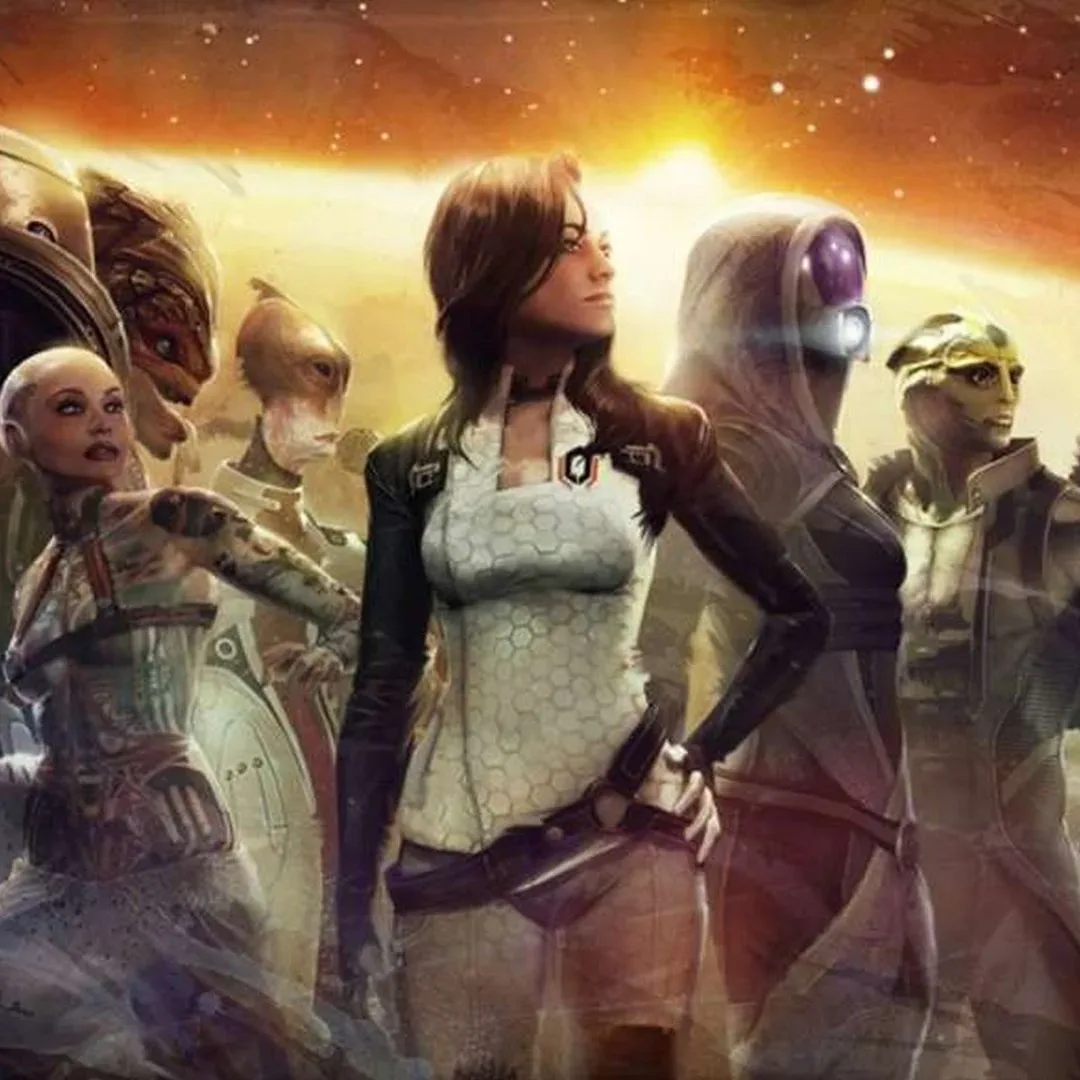
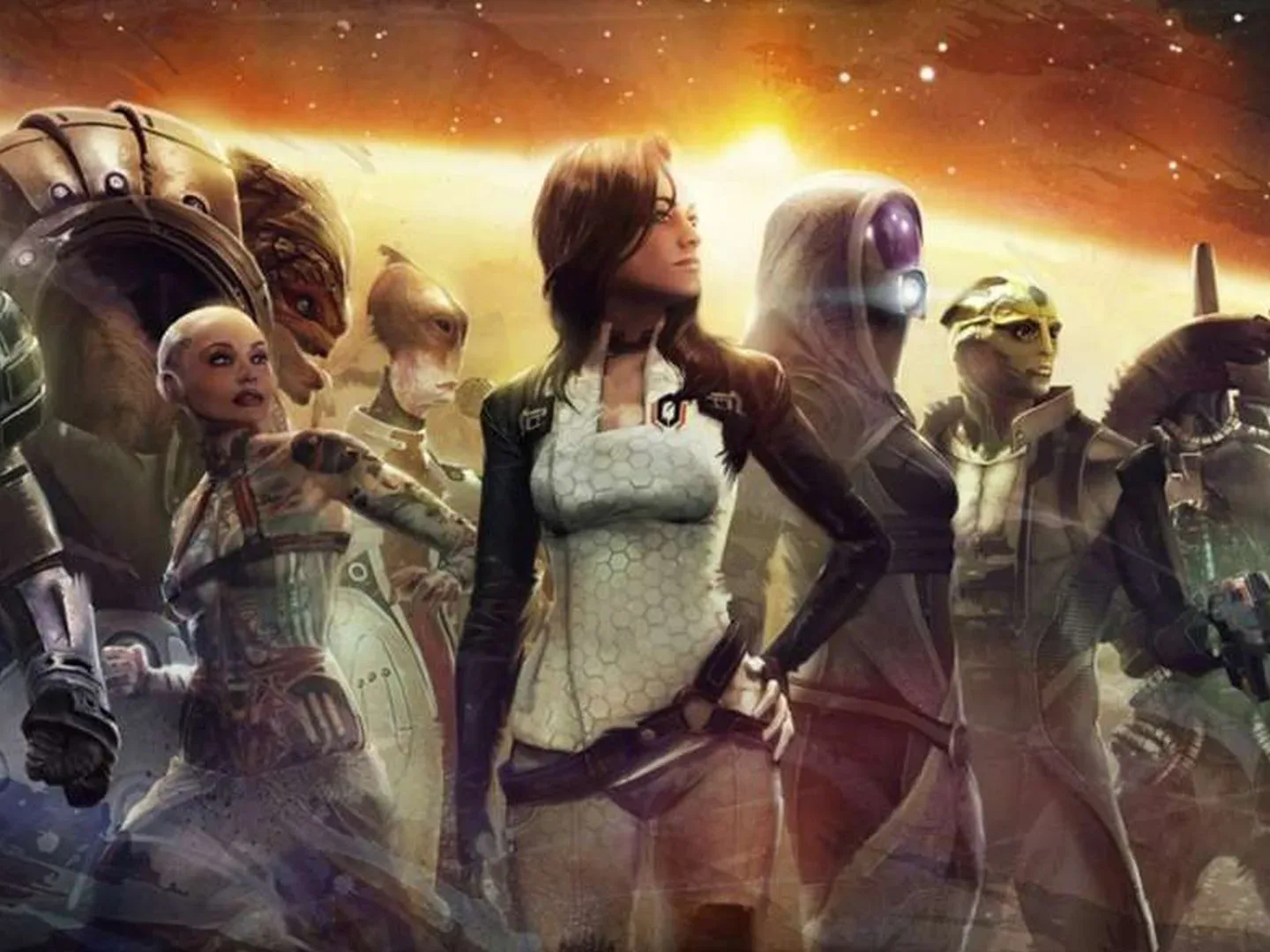
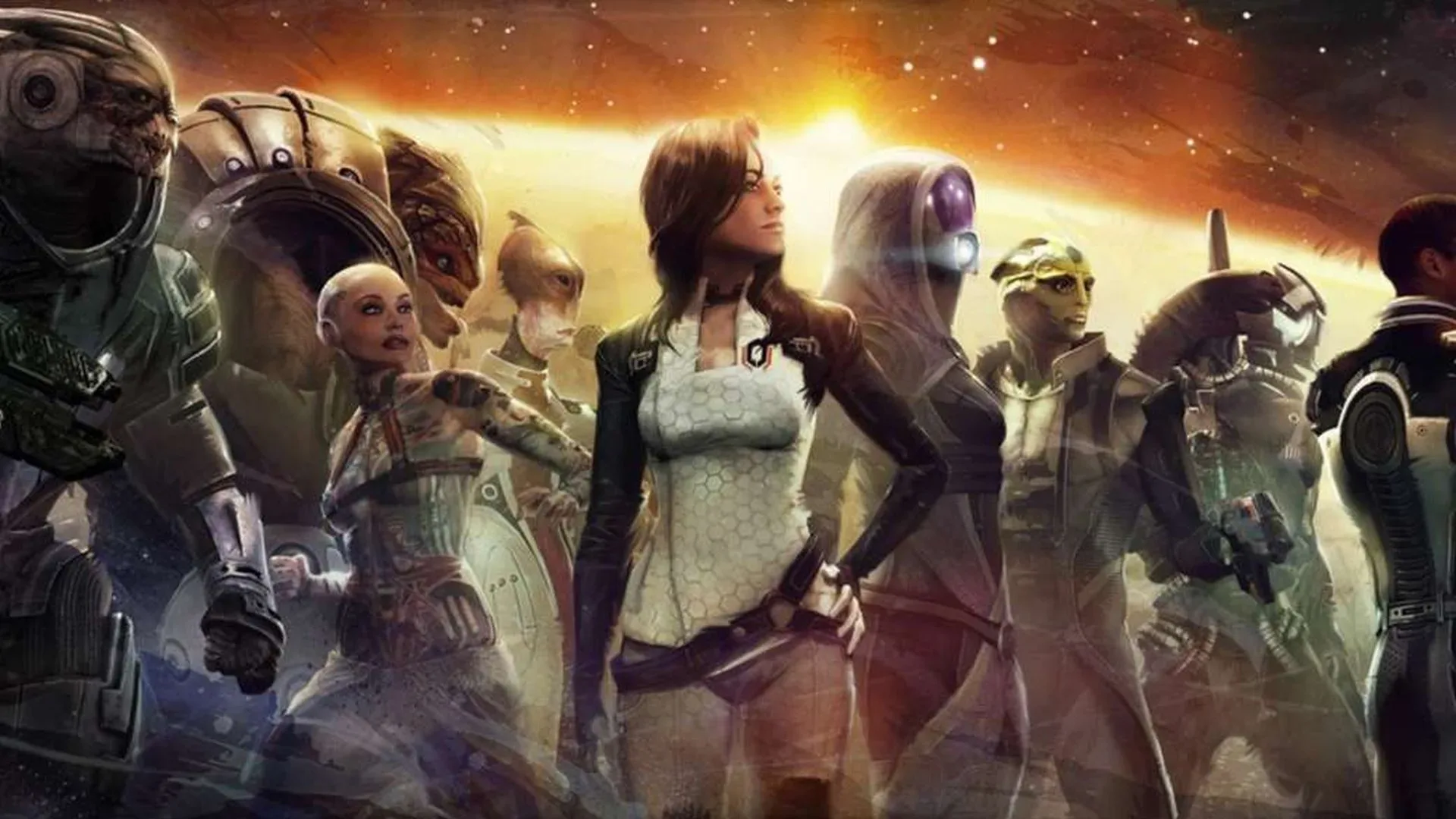
Combat may be the most obvious redesign, but it is not the reason Mass Effect 2 has remained so closely associated with its characters. The game’s true masterstroke is treating recruitment not as a checklist but as the core structure of the adventure. Shepard assembles a remarkably volatile team for a mission that has every chance of becoming a suicide run. The premise permits an array of personalities who would not naturally share a room, much less a ship.
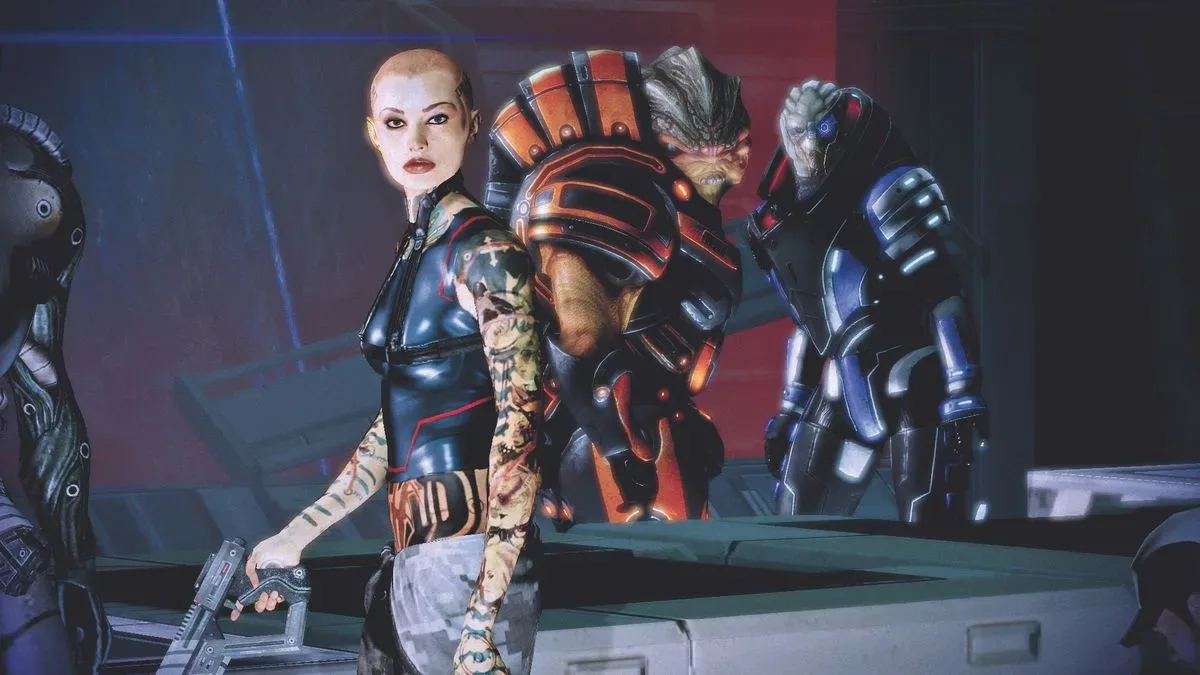
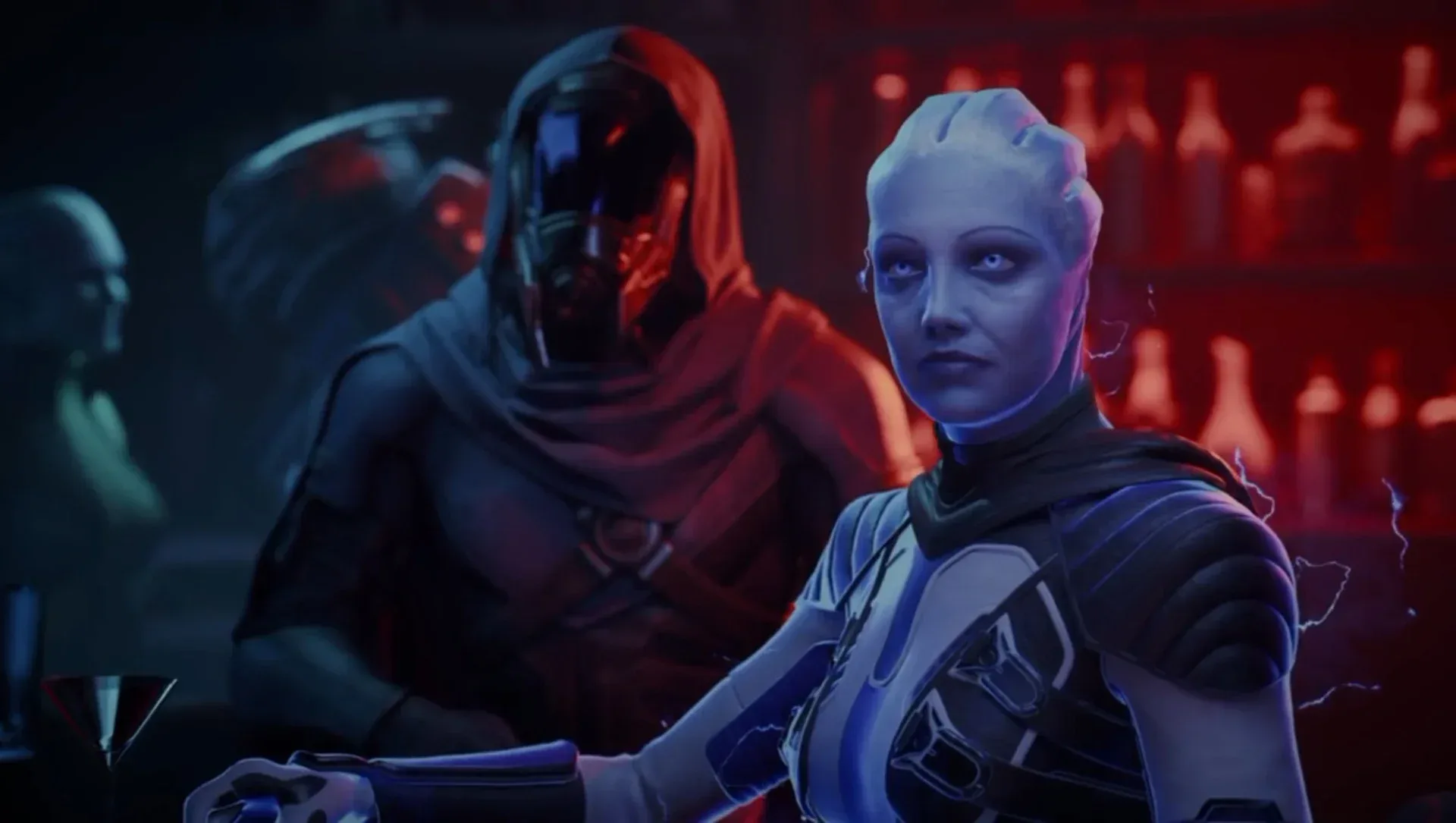
Among them are a dying assassin seeking absolution, Jack—marked by her past as Subject Zero—and Legion, a synthetic construct containing 1,183 digital minds. Their concepts are deliberately high science fiction, but their stories are rooted in emotional pressures: fear, resentment, failure, responsibility, self-definition and the need to be understood.
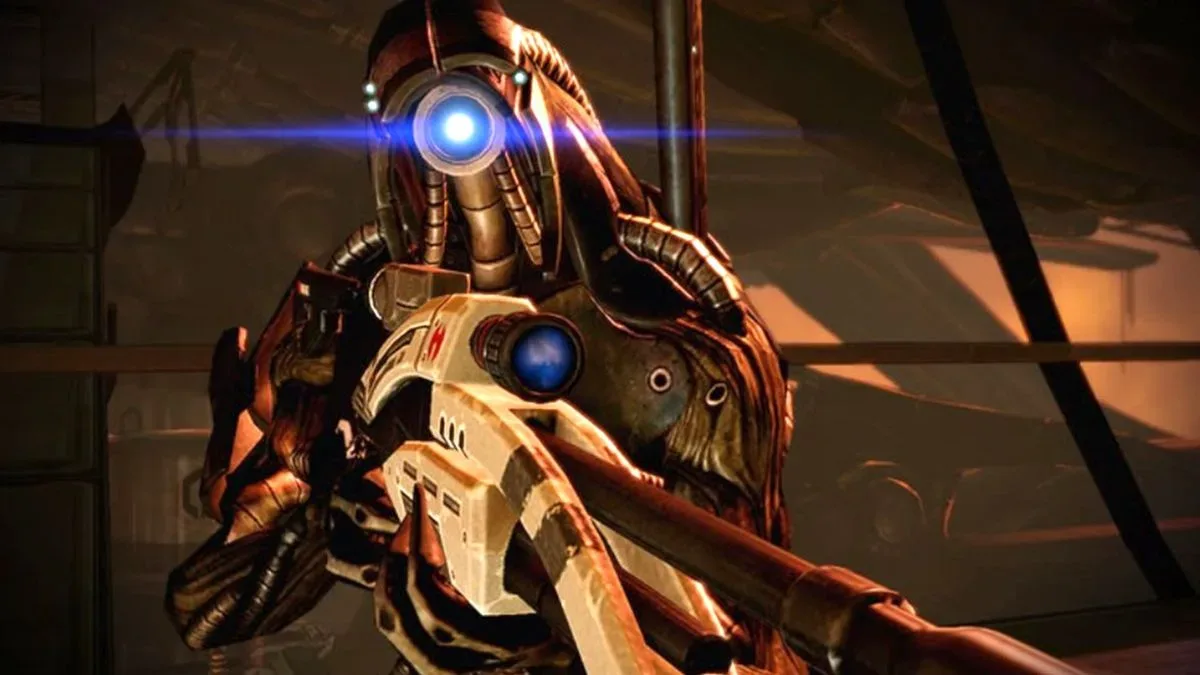
Miranda’s storyline is shaped by the burden of having been engineered for perfection and by her relationship with an overbearing father. Garrus wrestles with a sense of ineffectiveness in his work, alongside a revenge-driven plot. Jack’s history with Cerberus gives her need for closure a direct connection to the institution currently enabling Shepard’s mission. These are not merely biographies stored in a codex. They create reasons for arguments, alliances and vulnerability aboard the Normandy.
The loyalty missions make that structure especially effective. In many RPGs, a companion quest can become a detached errand: help someone retrieve an object, clear a cave or settle an incidental score, then collect a reward. Here, personal missions are tied to a larger stake. Addressing a squadmate’s unresolved crisis affects their readiness for the final act, where the survival of the team is on the line.
That is a smart fusion of narrative and system design. The game does not say, in abstract terms, that relationships are important. It makes its climactic mission dependent on them. Personal care becomes strategically meaningful without reducing it to a cold calculation. Players can pursue loyalty because they want their companions to heal or find clarity; the game also makes clear that neglect may have consequences. The emotional and mechanical incentives point in the same direction.
This is how the series’ immense cosmology acquires weight. Reapers are an enormous threat, but enormity alone is not intimacy. A player worries about losing a universe when that universe contains people whose insecurities, loyalties and grudges have been given time to breathe. The galaxy matters because its inhabitants do.
Cerberus gives Shepard’s choices friction
Shepard’s association with Cerberus is another crucial shift. Rather than operating simply as humanity’s bright standard-bearer, the Commander works with a pro-human terrorist organization focused on outcomes over consequences. This does not make every decision morally sophisticated, and the game still uses separate Paragon and Renegade tracks. But it gives player behavior more dramatic context.
Paragon and Renegade are the series’ broad role-playing paths, generally associated with virtuous diplomacy and more ruthless pragmatism. Binary morality systems can stumble when the negative option amounts to senseless cruelty. Mass Effect 2 improves the dramatic case for Renegade behavior because Shepard is embedded in an organization whose methods and motives are already troubling. Being expedient, intimidating or willing to take a dirty shortcut no longer has to feel entirely detached from the surrounding story.
Its smaller decisions help sell that texture. The player might sabotage a gunship by tasering an engineer, making a later boss fight easier. Elsewhere, Shepard can intervene when a Quarian faces racial harassment from a Volus and a corrupt police officer. These scenarios differ drastically in scale, which is precisely their value. They ask what kind of person Shepard is during daily injustice as well as apocalyptic danger.
The strongest role-playing games do not require every player to choose one pure identity. A Shepard who is compassionate in one moment and ruthlessly practical in another can make sense. The game’s moral framework remains structured and game-like, but it lets players express a character through contradictions instead of only through a reliable count of saintly or hostile responses.
Continuity becomes texture, not a trap
Importing a save from the first game helps Mass Effect 2 deliver on the original trilogy’s central promise: decisions can echo. Missions may appear or disappear based on an earlier playthrough, and recognizable people can surface in unexpected places. The broad architecture of the sequel must still remain stable enough to tell its story, but the details of the galaxy can change around its edges.
That is an important technical and narrative compromise. A truly branching trilogy would need to account for countless incompatible versions of every major event, a difficult proposition for any game. The sequel instead preserves the sense that history happened to your Shepard while maintaining a common framework. Past choices alter the texture of the journey even when they cannot entirely rewrite its route.
It also makes replaying meaningful in more than one way. Different classes and combat powers can change how encounters are approached. Different dialogue choices can reshape relationships and the tone of Shepard’s leadership. An imported history can alter the faces and situations encountered along the way. For anyone revisiting the game, decent audio helps the small character beats land as cleanly as the firefights; this guide to gaming with earbuds versus headphones lays out when a less expensive setup can still make sense.
Why the reinvention still matters
Mass Effect 2 is often remembered for a huge final mission and an iconic crew, but its lasting achievement is structural. The opening disaster clears room for a sequel that is more agile in combat, more deliberate in its use of powers and more intensely interested in the inner lives of its cast. It makes a mission to save the galaxy feel inseparable from helping individual people confront what has shaped them.
Not every part of the experiment is equally nuanced. The Paragon/Renegade divide remains a divide, and continuity can influence atmosphere more readily than core structure. Yet the game demonstrates that a sequel does not need to confuse preservation with loyalty. Keeping the parts that work—Shepard, choice, conversation, a long-form space opera—can coexist with rebuilding the parts that do not.
Its audacious early reset is therefore more than a famous shock. It is the sound of a series deciding that lore alone is not enough, that action needs purpose, and that a universe only becomes worth saving once the people inside it feel impossible to leave behind.