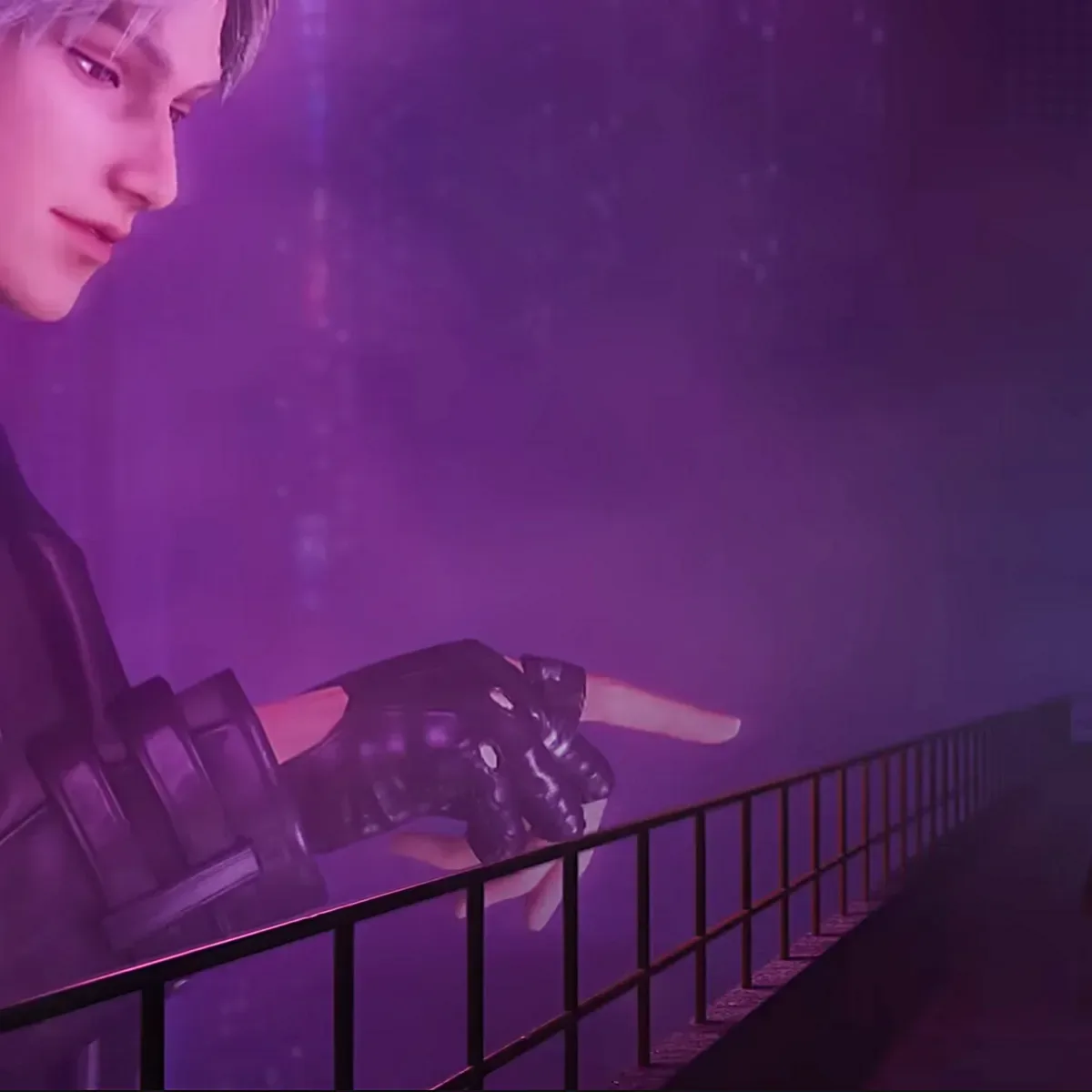
Love and Deepspace has launched a crossover event with Blade Runner 2049, and what might otherwise be a straightforward bit of cyberpunk promotion has landed in the middle of one of the game’s most sensitive community disputes. The event gives players daily in-game currency plus a photo background and emote referencing the film’s famous billboard imagery involving K and Joi. For fans still campaigning for the return of the withdrawn love interest Valko, though, that particular reference has not felt neutral.
The response is less about the size of the reward pool than the symbolism attached to it. Valko’s supporters have continued to withhold spending after the character was announced and then removed from the game. Each fresh event can therefore become a test of whether the developer, Infold Games, is preparing a change of course. This crossover instead puts a neon spotlight on a story image involving an artificial companion who is ultimately lost, while Valko remains absent.
That parallel has prompted a wave of skeptical interpretation: is the campaign a remarkable failure to anticipate the audience’s reaction, or an intentional provocation? The available details do not establish intent. But they do show why the collision of a licensed crossover, a disrupted character rollout and a community already primed to examine every signal has made an ordinary tie-in feel anything but ordinary.
What the crossover actually includes
The Blade Runner 2049 event is built around daily rewards rather than a newly described gameplay system. Players can receive in-game currency, along with a special photo background and an emote. The visual reference recreates the moment in which K, played in the 2017 film by Ryan Gosling, encounters advertising for Joi, a mass-market digital girlfriend. K also has a Joi companion at home.
That scene is a logical visual shortcut for a romance-focused game: huge city lights, intimate sci-fi imagery and a digital companion all align with the broad aesthetics of a futuristic relationship fantasy. It also gives the collaboration a recognizable piece of Blade Runner 2049 iconography without requiring players to know every piece of its story.
But visual shorthand can gain a different meaning once it is placed next to a current controversy. In the film, K and Joi’s relationship ends with Joi’s destruction. Fans who remain invested in Valko have connected that plot point to the character’s removal from Love and Deepspace. It is an interpretation of the event’s messaging, not proof that the collaboration was designed as commentary on Valko. The distinction matters, because a fandom’s reading of a promotion and a company’s intended message are often very different things.
Why Valko changes the context
Valko was positioned as Love and Deepspace’s sixth love interest before being un-released. The fallout did not simply disappear once the character left the active lineup. A committed group of players has maintained a spending boycott, and the issue has continued to shape how portions of the community view updates, events and marketing.
That is the key practical context for this crossover. Live-service games depend on a continuing relationship with their audience. In a gacha game—a game where players typically spend currency for chance-based character or item acquisition—character attachment is not peripheral. It is often central to the appeal, player conversation and purchasing decisions. When players believe a desired character has been removed or mishandled, they may treat unrelated content as evidence of whether the underlying problem is being acknowledged.
Related coverage includes Love and Deepspace's Blade Runner 2049 Event Reopens the Valko Debate.
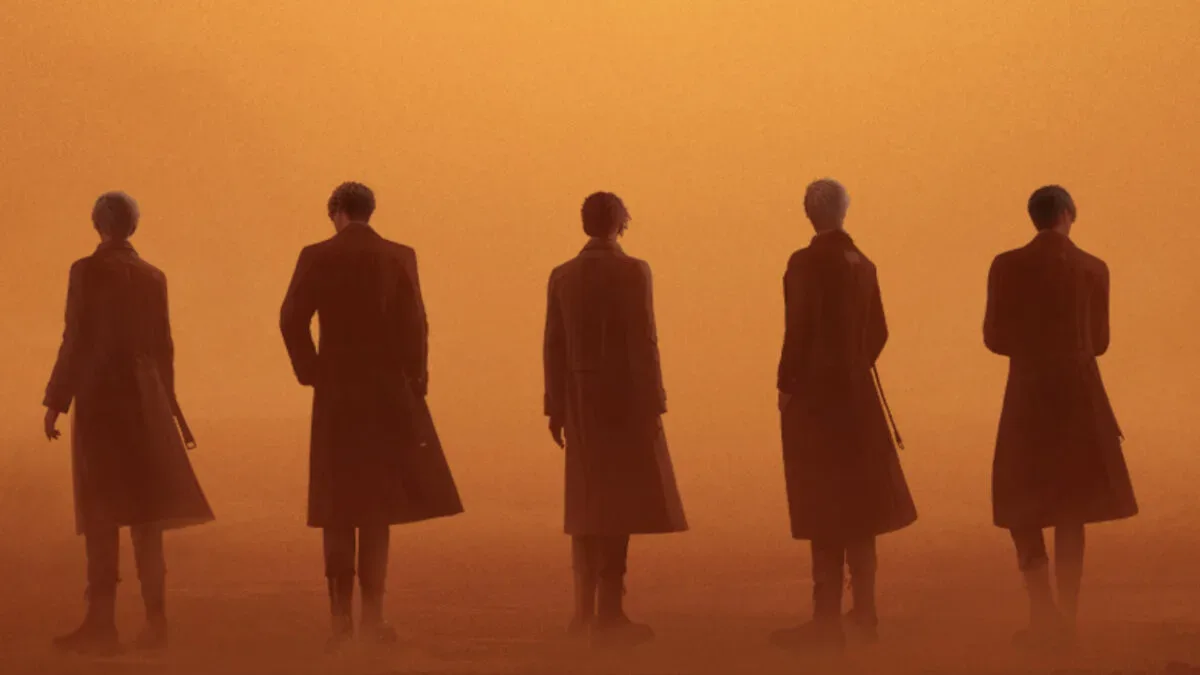
Valko’s continuing absence is especially conspicuous here because his presented identity and the event’s aesthetic appear to overlap. Both his announcement material and the Blade Runner 2049 event trailer have cyberpunk imagery. Fans have accordingly argued that he would have been a natural fit for the crossover. Whether or not that was ever part of the plan, the apparent fit makes the event feel, to those players, like a showcase prepared for somebody who is no longer allowed onstage.
That sense of absence is more potent than a simple complaint that a favorite character missed a banner. It turns the campaign into a counterfactual: players can picture how the event might have looked with Valko involved, then contrast it with the version that arrived. Once that happens, every reward image and every bit of licensed imagery becomes vulnerable to being read as a reminder of what is missing.
Coincidence is the more supportable explanation—without making the reaction irrational
There is no supplied evidence that Infold Games chose the Joi imagery to mock Valko supporters, and it would be a major leap to declare an elaborate troll campaign as fact. The much more ordinary explanation is that a crossover with a major film property takes planning, approvals and commitments that are made well before an event appears in a game.
That does not require claims about a specific production schedule. It is simply a more plausible reading of the basic situation: a licensed event can be locked into a particular visual direction, while the game’s own character plans shift or a disputed character is removed. The resulting campaign may look astonishingly pointed in hindsight even if its crucial decisions were made before the public backlash reached its present shape.
There is also an important difference between brand synergy and personal messaging. Brand synergy means two properties use shared themes, visual styles or audiences to make a collaboration feel coherent. A cyberpunk romantic game crossing over with a cyberpunk film that prominently features a digital companion has an obvious thematic connection. That connection is strong enough on its own; it does not need a hidden message about Valko to exist.
Still, the community’s reaction is understandable. Marketing is received in context, not in a vacuum. When a player base has spent months debating a character’s removal, and an event invokes the destruction of a beloved artificial companion while the missing character would seem suited to its neon setting, the campaign is going to acquire baggage. Intent may be unknown, but impact is visible in the renewed argument.
A crossover cannot automatically repair a trust problem
The wider lesson is not that crossover events are inherently risky. They can introduce a game to new audiences, reward existing players with a fresh visual theme and create memorable one-off cosmetics. Love and Deepspace’s Blade Runner 2049 rewards are a clear example of the format: currency for routine participation plus collectible-style cosmetic elements inspired by the guest property.
Yet a tie-in has limited power to address a dispute rooted in character trust. Players who are upset about Valko are not necessarily asking for more cyberpunk imagery, a new photo background or an emote. Their concern is the status of the character whose removal triggered the boycott. If that question remains unresolved, even an event that would normally be a clean thematic win can intensify the feeling that the game is moving around the issue rather than through it.
This is also why the crossover conversation has become so different from a normal licensing debate. The question is not only whether Blade Runner 2049 is an exciting match for Love and Deepspace. It is whether the campaign’s imagery accidentally echoes a still-open wound inside the game’s own fandom.
Licensed events work best when their symbolic language is shared by the publisher and its players. Here, different parts of the audience may be seeing very different things. Some may see a stylish daily-login promotion tied to a recognizable sci-fi film. Others see a character-shaped empty space in a setting that seems almost custom-built for him. Neither reaction changes the listed rewards, but it changes the emotional value players attach to them.
What to watch next
For Valko supporters, the practical question remains unchanged: will Infold Games say anything further about the character or alter his status? The Blade Runner 2049 campaign itself does not answer that question. It supplies an event theme and daily rewards, not a stated resolution to the larger conflict.
For everyone else, the episode is a useful reminder that fandom analysis can be both speculative and revealing. Speculation begins when people assign a deliberate motive without evidence. The revealing part is what the speculation says about the relationship between a game and its community: players who feel unheard will scrutinize details that a marketing team may have treated as routine. In this case, a billboard, an emote and a photo backdrop have become a referendum on missing trust.
Crossovers often promise a frictionless meeting of brands. This one has instead exposed a fracture that was already there. The cyberpunk fit is easy to see, as is the reason Valko fans believe he would have belonged in it. Until the character’s situation receives a clearer answer, the event’s neon glow is likely to keep illuminating that same unresolved debate. For another look at why crossover choices can matter so much to a game’s identity, see Kingdom Hearts Needs Final Fantasy Back in the Crossover Spotlight.