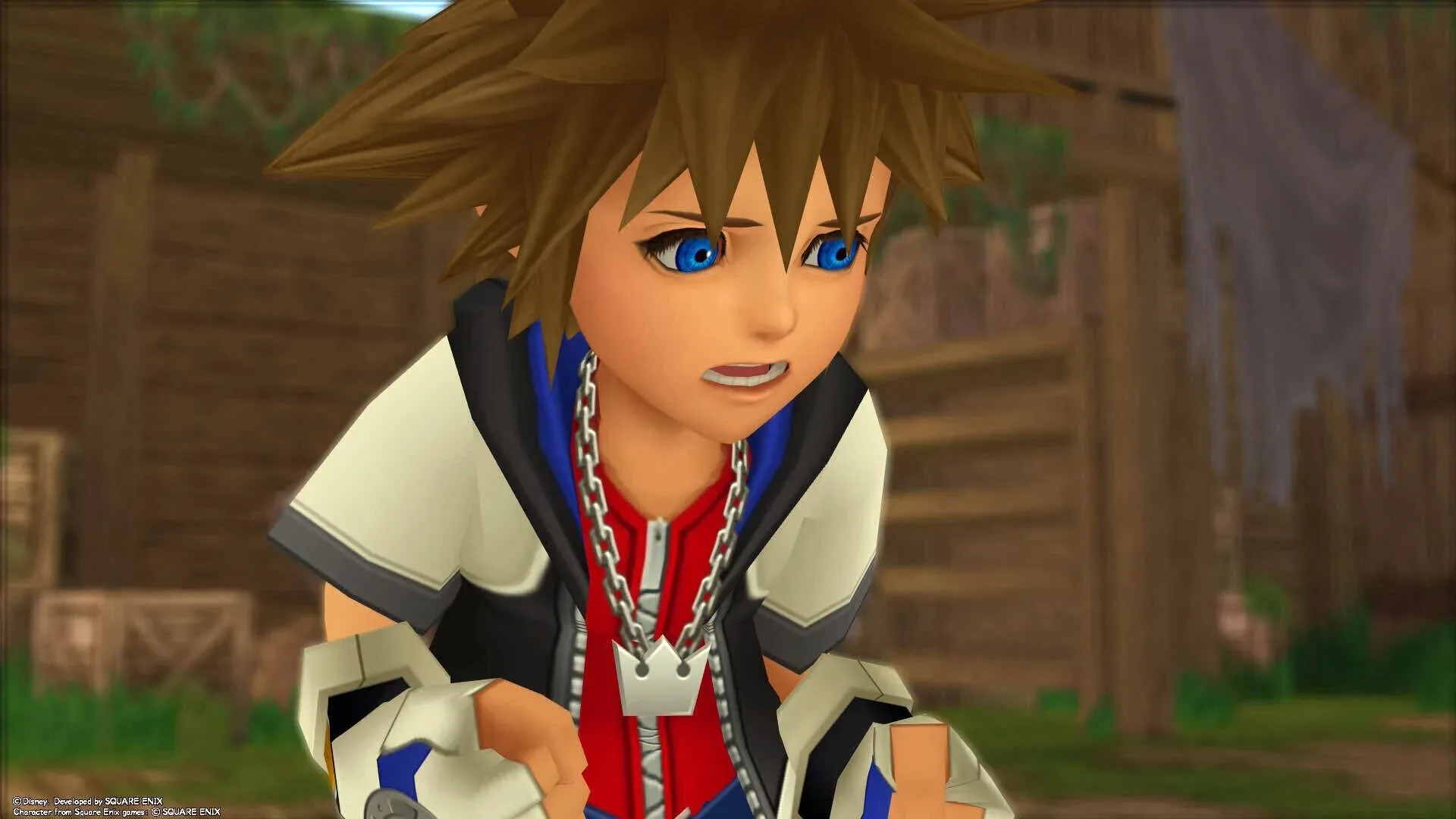
Kingdom Hearts remains an unusually bold collision of ideas: an action RPG built around Disney settings, original dark-fantasy mythology, Final Fantasy guest characters, platforming, and Gummi Ship shooting stages. That scope is a major part of why the 2002 PlayStation 2 game still inspires affection. It is also why returning to it can feel less like opening a treasured time capsule and more like arguing with a mischievous antique cabinet that has hidden the hinges.
The sharpest example is Deep Jungle, the world based on Tarzan. On paper, it has the ingredients for a memorable early-game adventure: a layered jungle space, vines, platforms, traversal routes, and a villain whose role is woven into the game’s Heartless threat. In practice, its vertical layout makes the original game’s movement feel especially unforgiving. A missed jump does not simply mean trying again. It can mean dropping to a lower tier of the map, then undertaking the long, awkward trip back to the route that was missed.
That distinction matters. A platforming challenge can be difficult without being exhausting. Deep Jungle’s problem is not merely that Sora can fall; it is that failure often creates recovery work. The game asks the player to repeat navigation rather than immediately retry the jump that went wrong. With a precise movement system, that might be tolerable. With one remembered for a particularly floaty leap, it is a recipe for frustration.
What “floaty” movement means here
“Floaty” is a common shorthand for a character jump that does not feel tightly connected to player input or to the ground beneath the character. It can refer to long airtime, momentum that is difficult to judge, or a landing arc that feels less predictable than desired. The word is subjective, but the practical player experience is easy to understand: a jump becomes something to hope for rather than something to confidently execute.
Kingdom Hearts is not only a platformer, of course. Its core identity is action RPG combat, with Sora fighting alongside Donald and Goofy, building strength, using items, and moving through a succession of worlds. But whenever the game demands careful positioning above a drop, players naturally judge it against platformers. The test becomes simple: can the player read the distance, make a decision, press the button, and reasonably expect the character to land where intended?
Deep Jungle puts that question under a magnifying glass. Its jungle traversal includes jumping, swinging, and moving across the environment, while the geography stacks routes on top of one another. The lower areas are not a clean reset point. They are part of a layered structure that turns one imprecise landing into a detour. That is why the location has become such a useful shorthand for the rougher parts of revisiting the first game.
This is an important difference between age and design friction. An old game does not automatically play badly, and a player does not necessarily need modern conveniences to appreciate an older work. But the PlayStation 2 era included action games celebrated for responsive, immediate control. The issue in this case is not simply that Kingdom Hearts is from 2002. It is that several of its ambitions—especially action combat and platform navigation—occasionally pull against each other.
A great crossover can still have rough edges
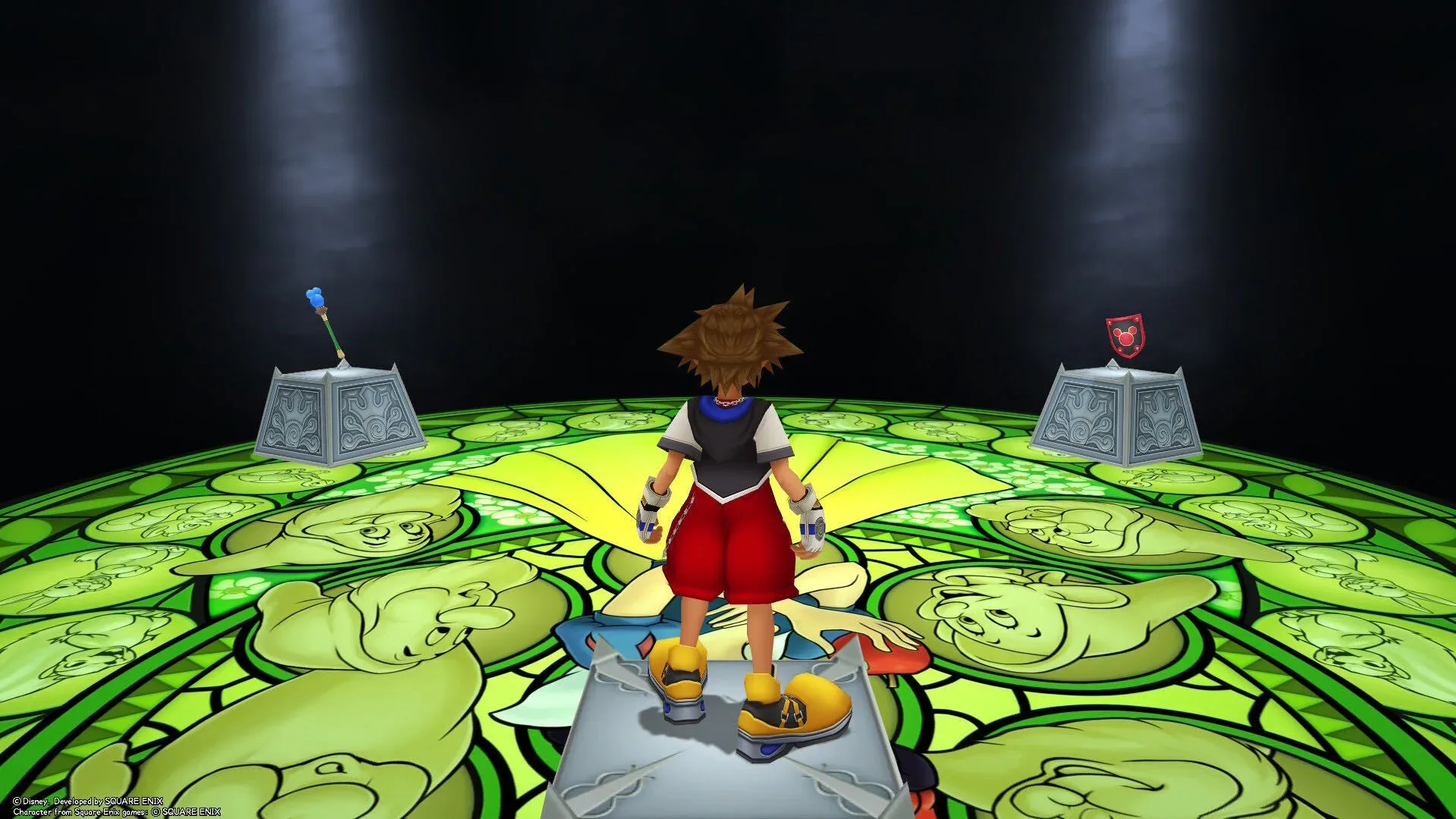
Those mechanical irritations have not erased the game’s creative appeal. If anything, the early worlds demonstrate why the original Kingdom Hearts had such a powerful hold on players in the first place. The premise of sending Sora, Donald, and Goofy into Disney worlds sounded improbable. The game’s most memorable moments come from treating that impossibility as an opportunity, rather than apologizing for it.
Related coverage includes Kingdom Hearts’ Deep Jungle Still Exposes the Original Game’s Roughest Edges.
Deep Jungle itself makes the case. Clayton, the Tarzan antagonist, is presented within a story where a human villain can command Heartless. That is a clean example of the series finding a meeting point between Disney material and its own darker fantasy language. It does not require the film setting to be discarded, nor does it treat the Heartless as a separate guest attraction. Instead, the world uses the series’ threat to reshape how the familiar villain functions.
That fusion is more interesting than a mere cameo. It is also distinct from simply dropping a recognizable character into a scene. Kingdom Hearts often works best when its visiting worlds feel altered by the presence of the larger adventure—when a Disney location has room to become a Kingdom Hearts location, not just a backdrop for an obligatory stop.
Wonderland offers another useful contrast. It can feel much smaller on a return visit than memory suggests. Size alone, however, is not a measure of success. Kingdom Hearts frequently builds worlds around a few compact areas, and its early locations do not all need a huge footprint to leave an impression. The question is whether a setting gives the player a clear dramatic idea, a distinct visual identity, and an entertaining reason to be there. On that front, the early worlds vary considerably.
Olympus Coliseum proves compact design can be potent
Olympus Coliseum is arguably the clearest early triumph. It has only three rooms, yet it gets extraordinary mileage from the Hercules premise. Phil’s arena provides an intuitive place for combat challenges and boss encounters, but the world also becomes a stage for one of the game’s most striking Disney–Final Fantasy intersections.
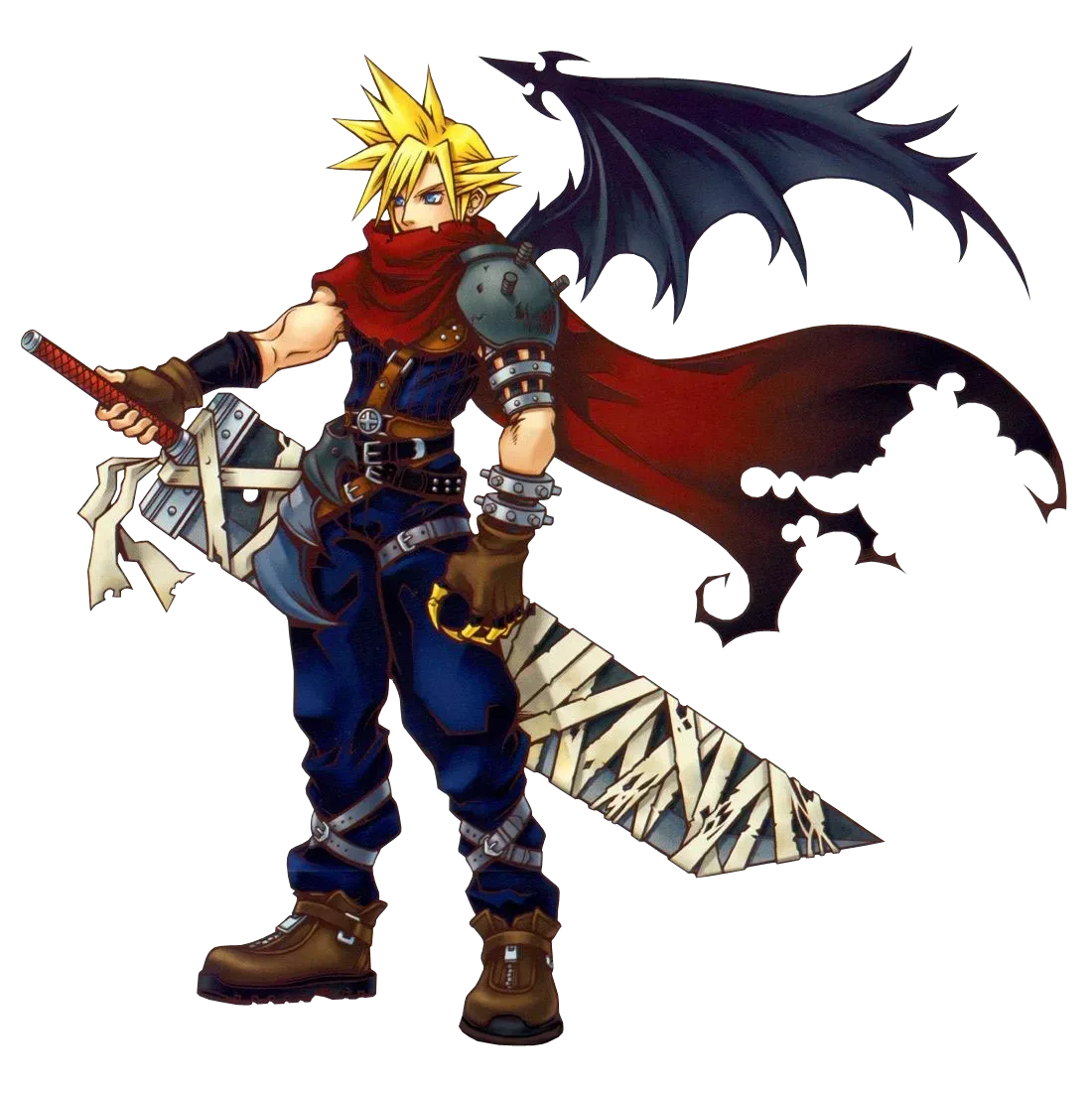
Cloud Strife of Final Fantasy VII appears as a combatant working for Hades, with the goal of killing Hercules. The encounter turns the Coliseum into much more than a tournament venue. Cloud’s bandaged Buster Sword, mobility, and swift attacks make him a noticeably demanding early opponent. The fight works because it gives the crossover a purpose inside the world rather than using Cloud as a decorative reference. Hades has an agenda; Cloud has a role in it; Sora has to deal with the consequences.
Cerberus follows as another major clash, and it is a more straightforward Hercules fit. Together, the two battles show what the original game could do with limited physical space. A world need not contain dozens of rooms if its encounters, character pairings, and premise are doing meaningful work.
That efficiency is worth remembering when assessing an old game with modern expectations. Bigger maps would not inherently repair Kingdom Hearts’ rough navigation. In fact, Deep Jungle suggests that expanding a troublesome traversal loop could make it worse. Olympus instead shows the better route: concentrate the setting around its strongest concept and use that focus to create memorable encounters.
The Final Fantasy question is bigger than a headcount
Kingdom Hearts’ Final Fantasy appearances still generate debate because they contribute a specific flavor to the series. Disney characters heavily outnumber Final Fantasy characters, and the first game does not send players to a dedicated Final Fantasy world. So it would be misleading to characterize the series as an even split between the two franchises.
But equal representation was never the point. The Final Fantasy characters help establish that the journey extends beyond Disney tourism. Cloud’s appearance in Olympus Coliseum gives the world a little more melancholy, danger, and crossover oddity than it would otherwise possess. It makes the game feel like it has been filtered through the sensibilities of its developer: Disney elements, original mythology, and guest characters sharing a deliberately strange space.
Community discussion around later entries reflects that attachment. Some players view the Final Fantasy cast as memorable seasoning that should return in smaller roles; others see those characters and optional fights, including Sephiroth, as fundamental to the series’ identity. There is even disagreement over Kingdom Hearts II’s treatment of Yuna, Rikku, and Paine as the Gullwings, tiny pixie-like versions of the Final Fantasy X-2 trio. The disagreement itself says something useful: “cameo” can undersell what a character contributes to tone.
For a crossover, atmosphere is not a trivial extra. It is the part that makes an unlikely premise feel coherent. The first Kingdom Hearts has plenty of technical and structural limitations, but its ability to create that atmosphere remains one of its strongest defenses.
Gummi Ships: customization versus interruption
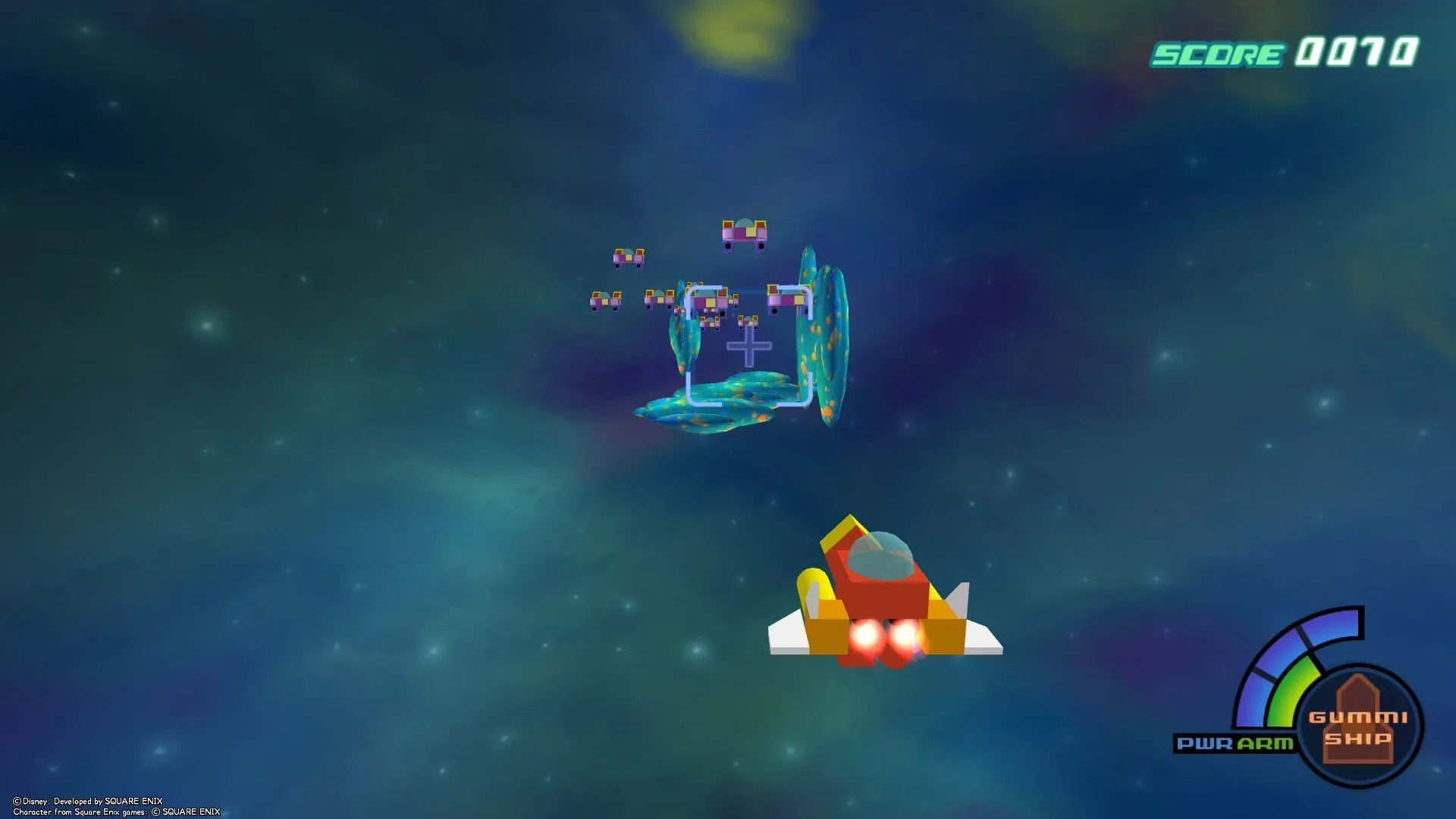
The same split response applies to Gummi Ships, the vehicle segments connecting worlds. These on-rails shooting sections ask players to build a ship from modular pieces, then fly routes while firing at threats. An on-rails shooter is a game sequence where forward movement is largely fixed, while the player concentrates on aiming, shooting, or limited maneuvering rather than freely navigating a wide space.
For some players, the building tool is the appeal. The freedom to make an enormous, asymmetrical, impractical-looking machine—or construct something designed around an enormous health pool—can be a satisfying toy-box diversion. The modular design is part spaceship builder, part creative project, and it can encourage experimentation well beyond simply equipping the strongest available parts.
For others, the travel stages feel like a forced interruption between the parts of Kingdom Hearts they actually want to play. The criticism is not necessarily that every Gummi Ship section is impossible or demanding. It is almost the opposite: players have argued that some routes can be cleared with little more than continuous firing and enough durability. When a compulsory system is neither mechanically engaging enough to master nor quick enough to ignore, it becomes a pacing problem.
That tension exposes the original game’s larger personality. Kingdom Hearts is eager to include everything. Sometimes that means a memorable hybrid idea, like Cloud working for Hades. Sometimes it means a system that feels attached because the game wanted another genre in the mix. The Gummi Ship builder has genuine creative potential, but its surrounding shooting stages do not persuade every player that travel needed to become an activity.
It is a useful reminder for anyone revisiting the first game today: not every disliked component is disliked for the same reason. Deep Jungle frustrates because control uncertainty meets a punishing recovery loop. Gummi travel divides players because creative customization and mandatory pacing are two different things. Olympus excels because it makes a tiny amount of space feel purposeful.
How to approach the original now
The most productive way to return to Kingdom Hearts may be to meet it as an ambitious early-2000s experiment rather than a perfectly refined action game. That does not mean excusing every awkward jump or tedious climb. It means recognizing the bargain: there will be moments where its control and level structure demand patience, paired with moments that still feel startlingly imaginative.
Players deciding where to place that patience should pay special attention to worlds built around vertical routes. In Deep Jungle, a cautious approach is not cowardice; it is a practical response to the cost of falling. Before committing to a leap, take a moment to read the next platform and the lower terrain. The game’s layout makes a failed jump more expensive than it initially appears.
For Gummi Ships, the practical question is whether the builder is fun on its own terms. Players who enjoy making strange machines can embrace the system as a creative side activity. Those focused chiefly on the adventure may prefer functional choices that keep travel moving. Neither approach is a failure to understand the game. They simply prioritize different parts of a deliberately messy package.
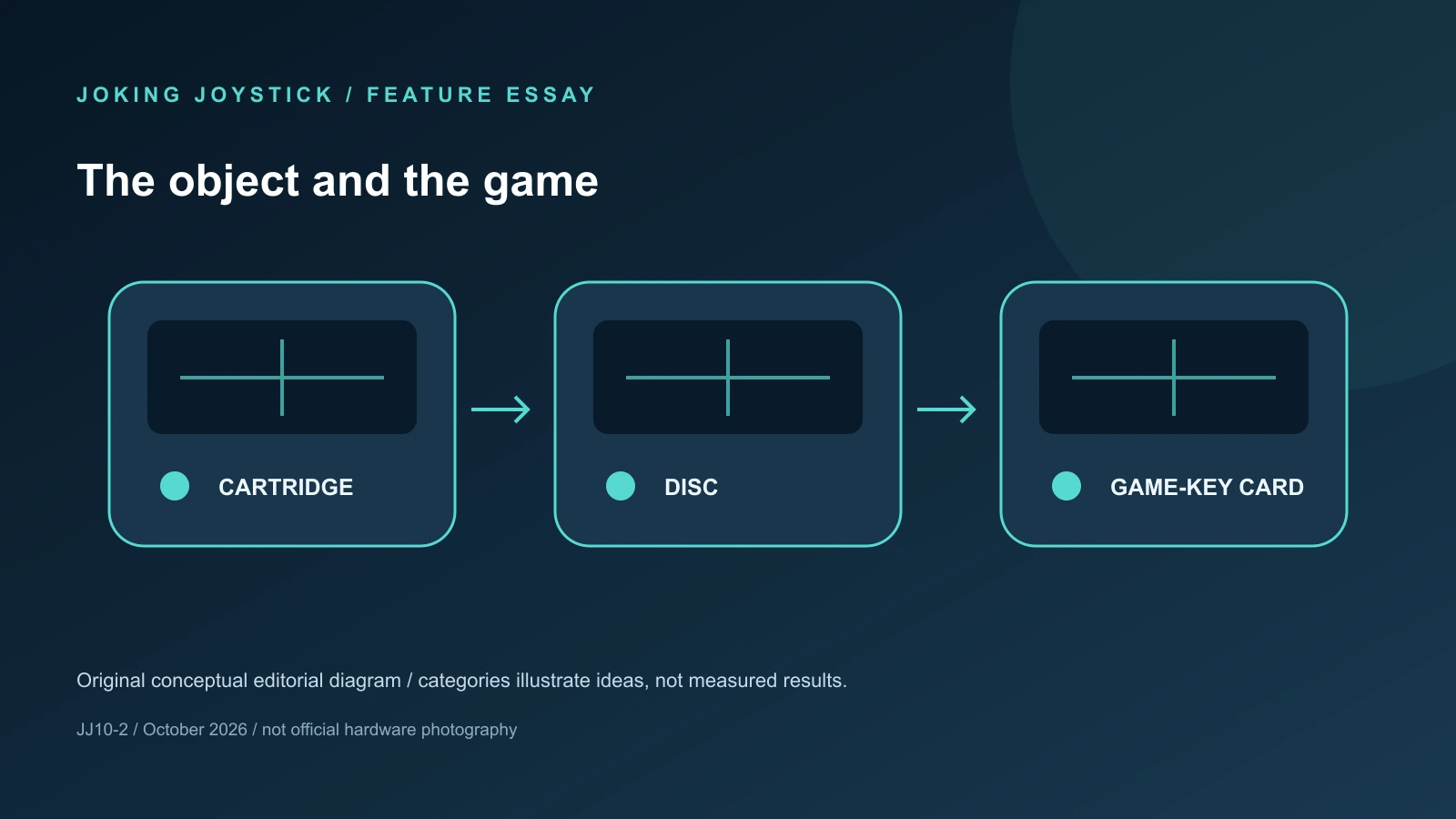
And for anyone revisiting old hardware-era games on newer machines, platform context can influence the ritual even when it does not change the underlying design. A Switch 2 is one possible place to revisit old favorites; readers considering how Nintendo’s physical game format has changed can find a breakdown of Nintendo physical media from cartridges through Switch 2 Game-Key Cards.
Kingdom Hearts’ roughness is real, and Deep Jungle puts it on full display. Yet the same early stretch contains the nimble crossover writing of Olympus Coliseum, a surprisingly effective dark-fantasy twist on Clayton, and systems eccentric enough to prompt passionate debate decades later. The original may not always be smooth, but it remains extraordinarily recognisable. Sometimes that recognition comes with a smile. Sometimes it comes immediately after missing a vine and tumbling back down the entire jungle.