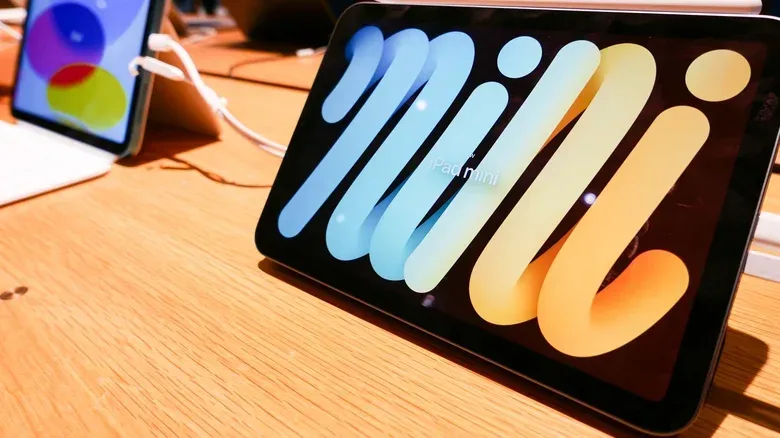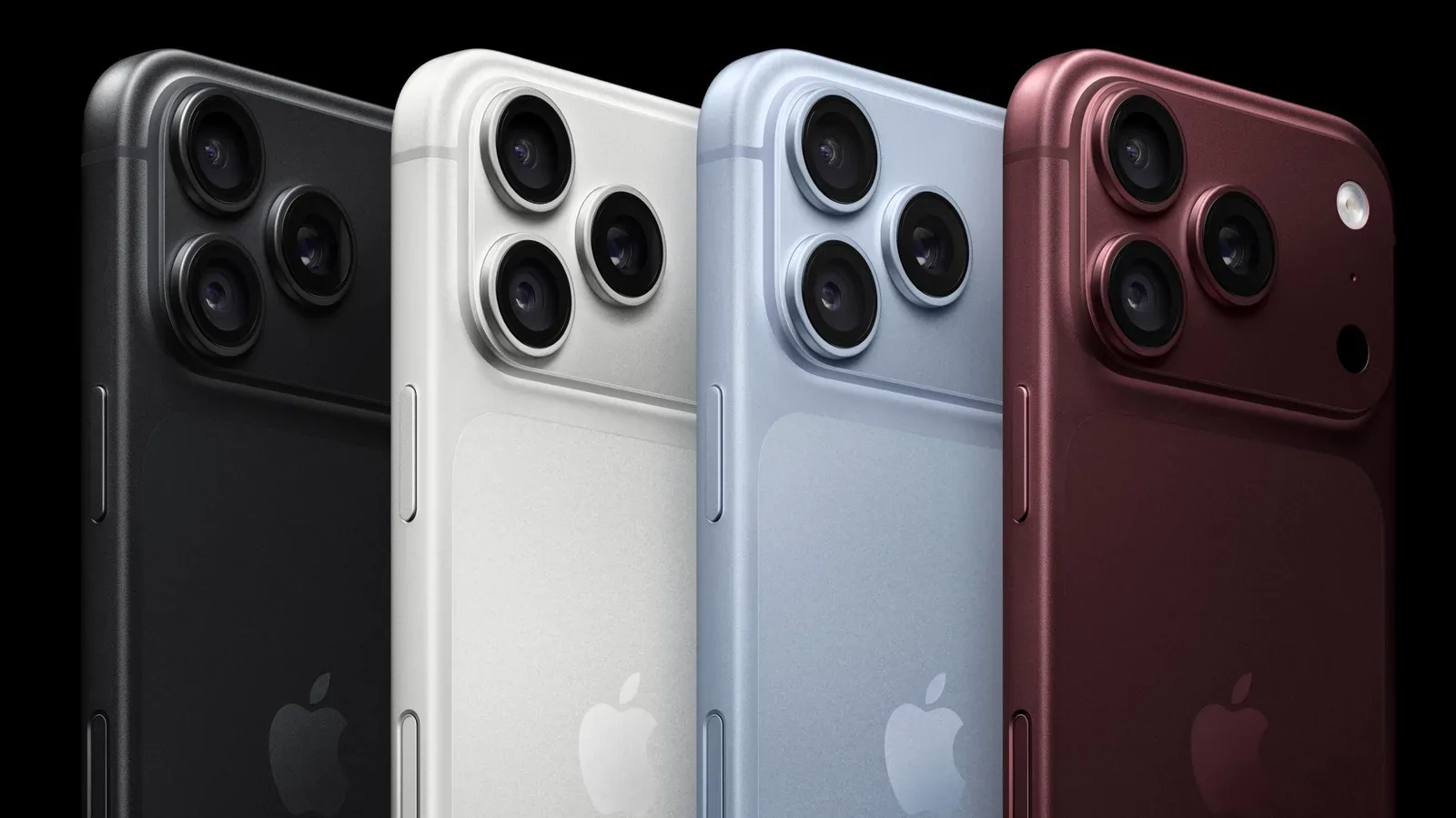
The proposed choice between Apple’s iPhone Duo and the seventh-generation iPad Mini is not simply a contest of chip names, camera megapixels, or which display is larger by fractions of an inch. It is a decision about whether one expensive, foldable phone can credibly take on some of the role of a separate tablet—and whether that consolidation is actually desirable.
The iPhone Duo is slated to arrive on October 23. On paper, it overlaps significantly with Apple’s smallest tablet: it opens into a 7.6-inch inner display and uses an interface designed to do more than a conventional phone layout. The current comparison point is the 2024 seventh-generation iPad Mini, which has an 8.3-inch display. A newer iPad Mini has been rumored, with reportedly more comparable specifications, but it is not yet available to assess here.
For buyers who want a short answer, the iPad Mini looks like the more practical value purchase and the better pick for iPadOS multitasking or regular stylus work. The Duo’s case rests on a different kind of convenience: it can move from phone-sized to expanded-screen use without requiring a second device. That convenience carries an enormous premium, plus the usual open questions surrounding a first-generation foldable format.
The price gap is the first decision, not a footnote
The two products occupy radically different spending categories. The iPad Mini starts at $600 with 128GB of storage and reaches $900 at 512GB. Cellular configurations add $150. The iPhone Duo starts at $2,000 for 256GB, with configurations reaching $3,200 for 2TB.
Storage is not a one-to-one comparison because the Duo begins at twice the iPad Mini’s entry capacity. Still, its $2,000 starting point is more than three times the $600 iPad Mini entry price. The comparison becomes even sharper for someone who needs both a capable phone and a compact tablet: a 256GB iPhone 18 Pro at $1,200 plus an iPad Mini would still cost less than the entry Duo.
That arithmetic does not make the Duo irrational. A buyer who values carrying one device instead of two may reasonably pay for that integration. But it means “the Duo replaces my tablet” should be tested as a real routine, not assumed from its unfolded screen size. Before spending at this level, using the device in a store to judge its folded feel, opening action, inner-screen proportions, and comfort in hand would be sensible.
There is also an important difference between replacement and overlap. A Duo may cover many tablet tasks—reading, browsing, video, messaging and lightweight work—while still not delivering the full set of workflows a person expects from an iPad. If a tablet only comes out occasionally, a converged device is easier to justify. If it is a daily workspace, a separate iPad may be doing more than its spec sheet reveals.
Performance favors the Duo, but task fit matters more
The Duo has the stronger stated hardware: an A20 Pro chip, a seven-core GPU, and 12GB of RAM. The 2024 iPad Mini uses an A17 Pro, a five-core GPU, and 8GB of RAM.
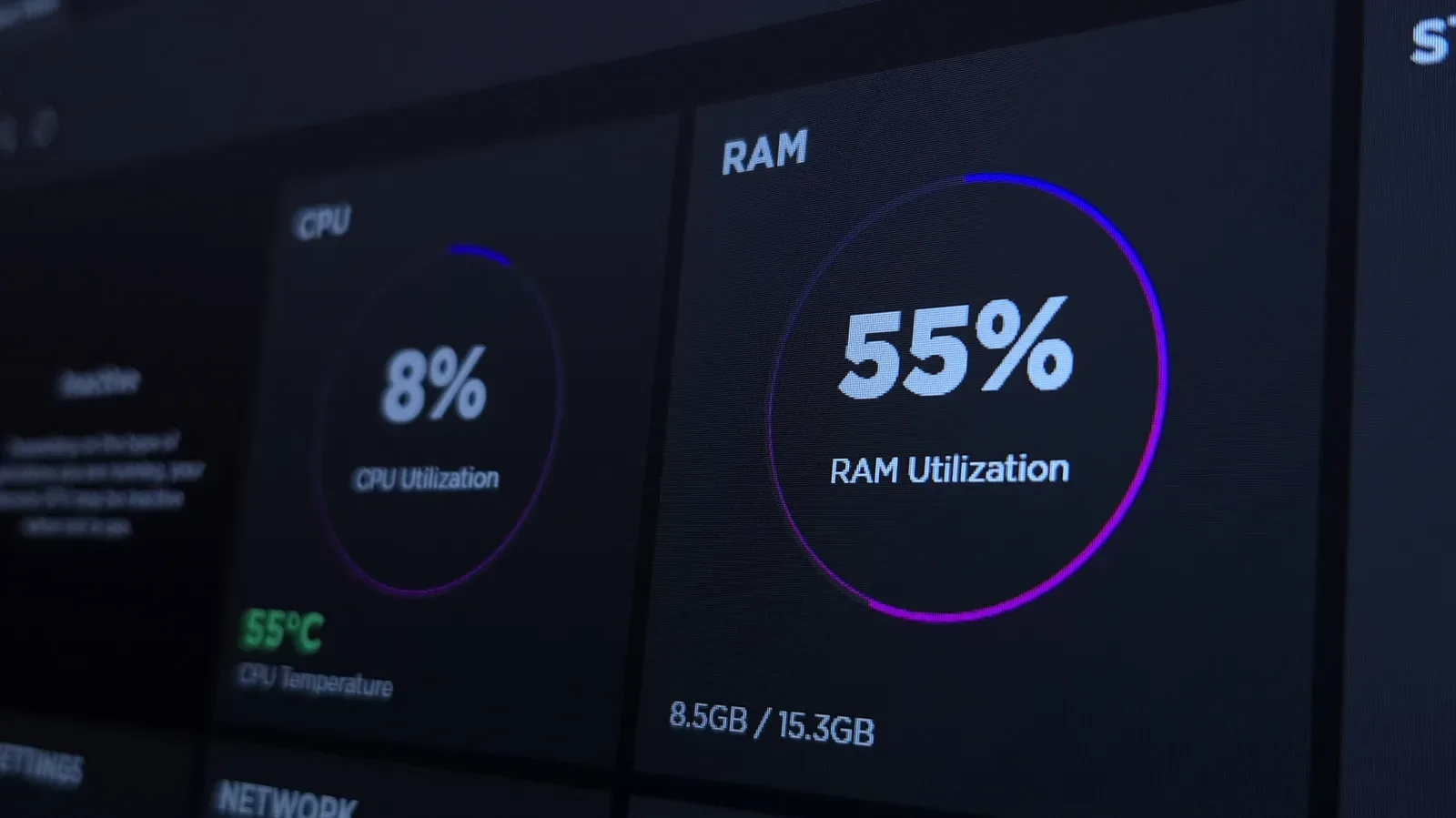
Those terms deserve a little context. The CPU, represented here by the A-series chip, handles general computing work such as operating-system tasks and app logic. The GPU is geared toward graphics processing, making its core count relevant to visually demanding applications and games. RAM is short-term working memory; more of it can help a system keep more active work available without having to reload it.
In a raw hardware comparison, the Duo has a clear advantage. That could matter to someone pushing demanding games, working across several active apps, or otherwise putting a premium on headroom. Yet a stronger chip does not automatically make a product the better work device. Software behavior, screen layout, input support, and the number of applications that can be meaningfully used at once determine whether that power is easy to put to use.
That distinction is particularly relevant to gaming. A higher-spec portable screen may be appealing, but players should think through how they actually play: whether they want a device that begins as a phone, whether their sessions are long enough to affect phone battery life, and whether a tablet’s more dedicated role is preferable. For a related look at how memory figures can be misunderstood, see our guide to why RAM usage numbers need context.
The displays split the comparison in two directions
The iPad Mini has the larger single display at 8.3 inches, versus the Duo’s 7.6-inch inner screen. For reading, watching a longer video, or viewing a document in one uninterrupted panel, that extra physical size is a straightforward advantage for the Mini.
The Duo counters with ProMotion on both of its screens, supporting refresh rates up to 120Hz. The iPad Mini display is 60Hz. Refresh rate describes how often a screen updates each second. At up to 120Hz, scrolling and supported motion can look smoother than on a 60Hz panel. It is a meaningful quality-of-use difference, especially for fast interface movement and some games, but it does not create extra workspace.
The question is therefore not merely “which screen is better?” It is “which screen shape helps with the task at hand?” The Mini provides a larger, fixed tablet canvas. The Duo provides a smaller expanded canvas that can fold back into a phone. Someone who wants to pick up a device and immediately have a tablet-sized environment may prefer the Mini. Someone who values switching quickly from a conventional phone view into a wider view may find the Duo’s transformation more compelling.
iPadOS and Pencil support are the Mini’s functional advantages
The most consequential distinction may be software. The Duo’s operating system differs from that of a normal iPhone, but it is not iPadOS. Its inner display can support an app on each half of the screen. That may be enough for many common pairings—such as reading while messaging, or keeping reference material beside another app—but it is a defined limit compared with the iPad’s more robust multitasking capabilities.
For long-form or complex tasks, this deserves more weight than the Duo’s processor lead. Multitasking is not just having two apps visible. It is the ability to arrange work in a way that supports the job rather than continually reshuffling it. People who routinely manage several documents, references, communications, or creative tools should identify whether the Duo’s two-app split meets their actual needs. If it does not, the iPad Mini’s iPadOS experience is the safer fit.
Stylus support also favors the iPad Mini. The Duo will support only the USB-C Apple Pencil, not Apple Pencil Pro. Further, that USB-C Pencil support is not expected at launch and is slated to arrive later in 2026. Anyone who relies on the Pencil Pro should not treat the Duo as a direct replacement for their iPad workflow. The difference is not an obscure accessory detail; it affects how the device can be used for handwriting, annotation, drawing, and other pen-led tasks.
The Duo’s camera hardware is stronger on paper, pairing 48-megapixel main and ultra-wide cameras against the Mini’s 12-megapixel wide camera. But this is one of the less persuasive reasons to choose between them. Most prospective iPad Mini owners will already have a phone available for photography, likely making the tablet camera a secondary consideration. A buyer looking to get more intentional results from an iPhone camera can also explore how Camera Control can be customized for deliberate shooting.
The separate-device question is real
Specifications cannot answer whether combining phone and tablet duties improves a person’s routine. A dedicated iPad can create useful separation. It can be the device for a book, a project, or a game session while the phone remains available for calls and retains its battery. For some people, that split is less about hardware redundancy than attention management: the tablet is a place to focus without carrying every phone habit into the same session.
The Duo reverses that proposition. Its virtue is continuity. Instead of moving files, contexts, or attention between a phone and tablet, the owner can open the phone and continue on the larger internal screen, then fold it shut to return to ordinary phone duties or take a call. For users who find a second device burdensome, this is the feature that makes the Duo distinct—not the camera or a benchmark advantage.
There is a trade-off. Long sessions on the Duo inherently use the same device that is also the phone. The iPad Mini can absorb a lengthy reading, browsing, or gaming session without drawing down phone battery. Neither approach is universally superior. The useful question is which compromise causes less friction: carrying and charging a separate tablet, or concentrating more use on a foldable phone.
Crease durability remains a reason to be patient
Prospective Duo buyers should also separate known specifications from long-term unknowns. The product may be slated to launch on October 23, but the real evolution of its crease cannot be judged immediately. A foldable display’s crease is the visible and tactile line created by the folding design, and how it holds up will only become clearer over extended use.
This does not mean the Duo should be dismissed outright. It does mean that a cautious buyer—especially one who does not urgently need the all-in-one form factor—has a rational reason to wait rather than make a launch-period decision. The iPad Mini’s conventional display does not ask the owner to make the same format-specific durability calculation.
Who should choose each device?
The iPad Mini makes the most sense for buyers who:
- Want the lower-cost route to a compact Apple tablet, beginning at $600.
- Need the larger 8.3-inch display rather than a 7.6-inch unfolded panel.
- Use iPadOS multitasking for more than a simple two-app arrangement.
- Depend on Apple Pencil Pro support or want Pencil functionality without waiting for a future software update.
- Prefer to preserve phone battery during long reading, gaming, or project sessions.
- Value the mental and practical separation of a dedicated tablet.
The iPhone Duo makes the most sense for buyers who:
- Can justify its $2,000 starting price and specifically value reducing two devices to one.
- Want the option to move rapidly between a phone-sized interface and a larger inner screen.
- Prioritize the stated A20 Pro, seven-core GPU, and 12GB of RAM.
- Would benefit from up-to-120Hz ProMotion on both displays.
- Are content with one app on each half of the inner screen rather than fuller iPadOS multitasking.
- Do not require Apple Pencil Pro and are comfortable waiting for USB-C Apple Pencil support later in 2026.
Ultimately, the Duo is best understood as a premium foldable phone that can take over many small-tablet duties, not as an automatic iPad Mini substitute. Its hardware advantage is substantial, and its flexible format may be exactly right for someone who dislikes carrying multiple devices. The iPad Mini, meanwhile, retains practical strengths that cannot be reduced to benchmark figures: a larger display, stronger multitasking, broader Pencil appeal, a much lower entry cost, and the value of being a device that is not also your phone.