A portable solar charger can be a useful backup when an outlet is nowhere nearby: on a hike, during a camping trip, or in a power outage. But “solar charger” describes several very different products, and buying the wrong kind can turn a sensible emergency plan into a long wait under a cloudy sky.
The central question is simple: do you need to charge a phone right now, store sunlight for later, or keep several devices running from one larger reserve? Panel-only chargers, solar chargers with integrated batteries, and portable power stations each answer that question differently. Their size, portability, ports and practical usefulness follow from that basic design choice.
For phone charging, smaller portable panels in the 15- to 50-watt range can be appropriate. That figure is a useful starting point, not a promise of a fixed real-world charging speed. Cloud cover and the panel’s angle toward the sun can reduce the power it produces, changing how long a charge takes. Solar is therefore best approached as an outdoor power tool that rewards planning rather than a magical replacement for every wall outlet.
Start with the three kinds of portable solar setup
1. Panel-only chargers: direct sunlight, direct connection
A panel-only charger converts sunlight into power and lets a device such as a phone connect directly to it. Its appeal is straightforward: it is focused on the panel itself, without an additional battery built in to hold the energy it collects.
That missing battery is also its biggest limitation. Captured solar power has nowhere to be stored for later use. If a phone needs power, the panel needs usable sunlight at that moment. This makes a panel-only option a natural fit for shorter stints outdoors, especially in sunny conditions, rather than a complete answer for a multi-day trip with uncertain weather.
For a player travelling light, it can be the most uncomplicated option: unfold or position the panel, connect the phone through a compatible port, and make the most of the conditions available. The trade-off is that timing matters. A shaded trail, cloud cover or a poorly aimed panel can affect the result.
2. Solar chargers with built-in batteries: collect now, use later
A charger that combines panels with a built-in battery adds an important layer of flexibility. Rather than needing to use the power as soon as the panel receives it, you can store energy and draw on it later. That separation between collecting energy and charging a device is the practical advantage.
This kind of setup makes particular sense for a camping trip lasting a few days. When sunlight is available, the device can gather energy; when it is time to use a phone, the stored charge provides more control over when that happens. It does not remove the importance of sunlight, but it means the phone does not have to be connected to the panel every time the battery needs attention.
Related coverage includes How to Charge Your Phone With a Portable Solar Panel.
For many people, that convenience is the real upgrade over a panel-only design. The product is doing two related jobs: turning sunlight into power and retaining that power. It is a useful distinction to make when comparing products that may all be labelled “solar chargers.”
3. Portable power stations: more stored power and more simultaneous charging
A portable power station is the broadest option in this group. Models vary in their features and capacity, but these units generally include battery storage and can charge several devices at once. That makes them a more capable choice when a phone is not the only item competing for power.
The cost of that capability is portability. A power station may be less convenient to carry than a small solar panel or a charger with an integrated battery. Compact models do exist, however, including units that weigh as little as 4 pounds. Whether that is manageable depends on the trip and the rest of the gear being carried.
In practical terms, a power station is the option to consider when the goal is wider than preserving one phone battery. Its ability to serve multiple devices at the same time is its defining benefit, while bulk is the reason it will not suit every hike or casual day out.
What wattage means—and why the number on the box is not the whole story
Wattage is a measure of power. In this context, it describes how much electrical power a solar charger can produce. Smaller, lighter portable models may offer around 15 to 50 watts, a range that should be suitable for small devices such as phones.
It is tempting to treat the listed wattage as a guarantee, but portable solar power depends on conditions. Cloud cover can affect output, as can the angle between the panel and the sun. A panel that is not positioned effectively may not produce the wattage shown on its packaging. As output changes, charging time changes too.
This is the key expectation to set before relying on solar: the same charger can behave differently across different outdoor conditions. The sensible goal is not to assume a fixed timetable from a headline wattage number, but to use the rating to compare the general capability of portable options while recognizing that sunlight and placement influence the actual result.
Features that help orient the panel can therefore matter as much as a compact design. Some chargers include stands intended to help position panels toward the sun. A folding charger can be easier to take along and set up than a rigid, awkward unit. Neither feature creates sunlight, but both can make it easier to use the available light more effectively.
Ports decide what can connect
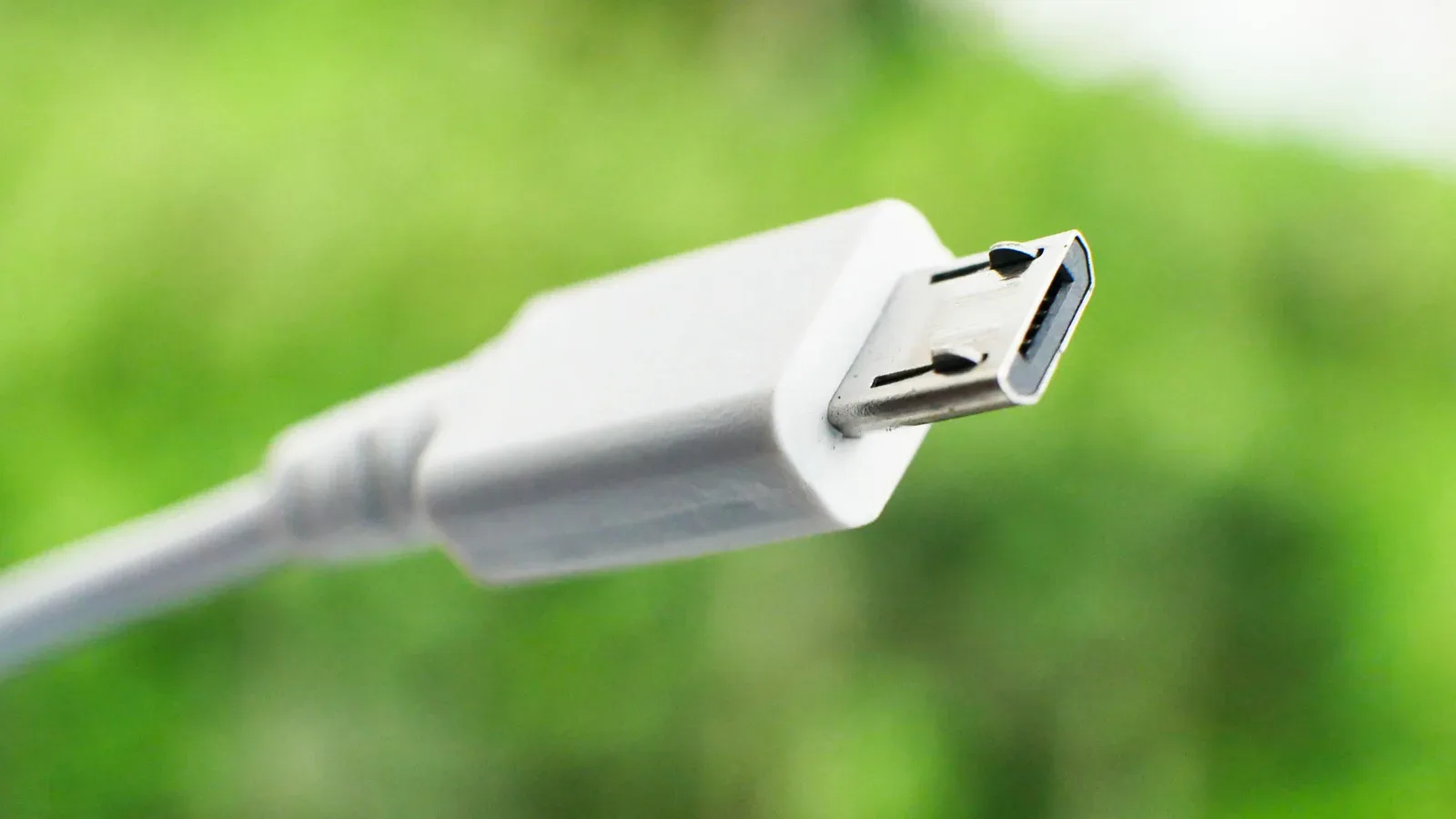
Before choosing a solar charger, check the available charging ports and think about how many devices may need power. Some panel chargers offer USB-C, allowing a phone to connect directly. For a single phone, that may be the main compatibility requirement. For a small group of devices, the number of ports becomes more important.
This is especially relevant for portable power stations, which are generally designed to charge several devices simultaneously. The useful question is not merely whether a product has a port, but whether its port selection matches the devices you expect to bring. A setup intended for one phone has very different needs from one expected to support a phone and other gear at the same time.
It is also worth thinking about the role the charger will play. A direct-connect panel is primarily for use while sunlight is present. A battery-equipped charger adds stored energy. A power station extends that idea to multiple devices. Choosing the category first makes it easier to judge whether a particular port selection is actually useful.
Portability is part of performance
A solar charger that stays at home because it is too awkward to carry does not solve an away-from-outlet problem. Size and weight are therefore functional considerations, not merely cosmetic ones. Bigger charging hardware may offer a different mix of features, but it can be harder to take camping or hiking.
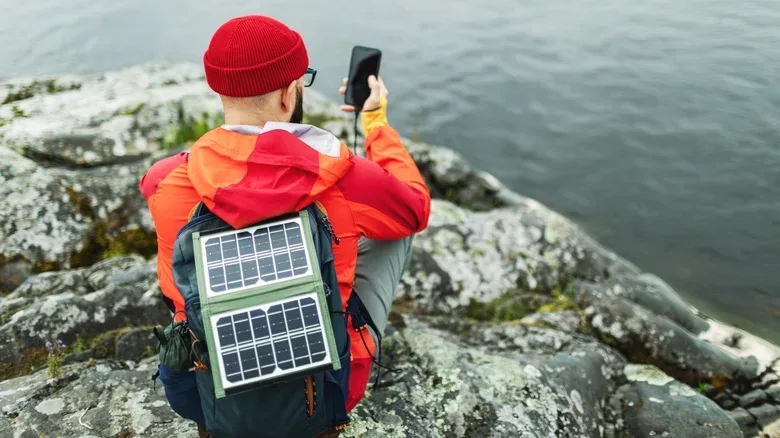
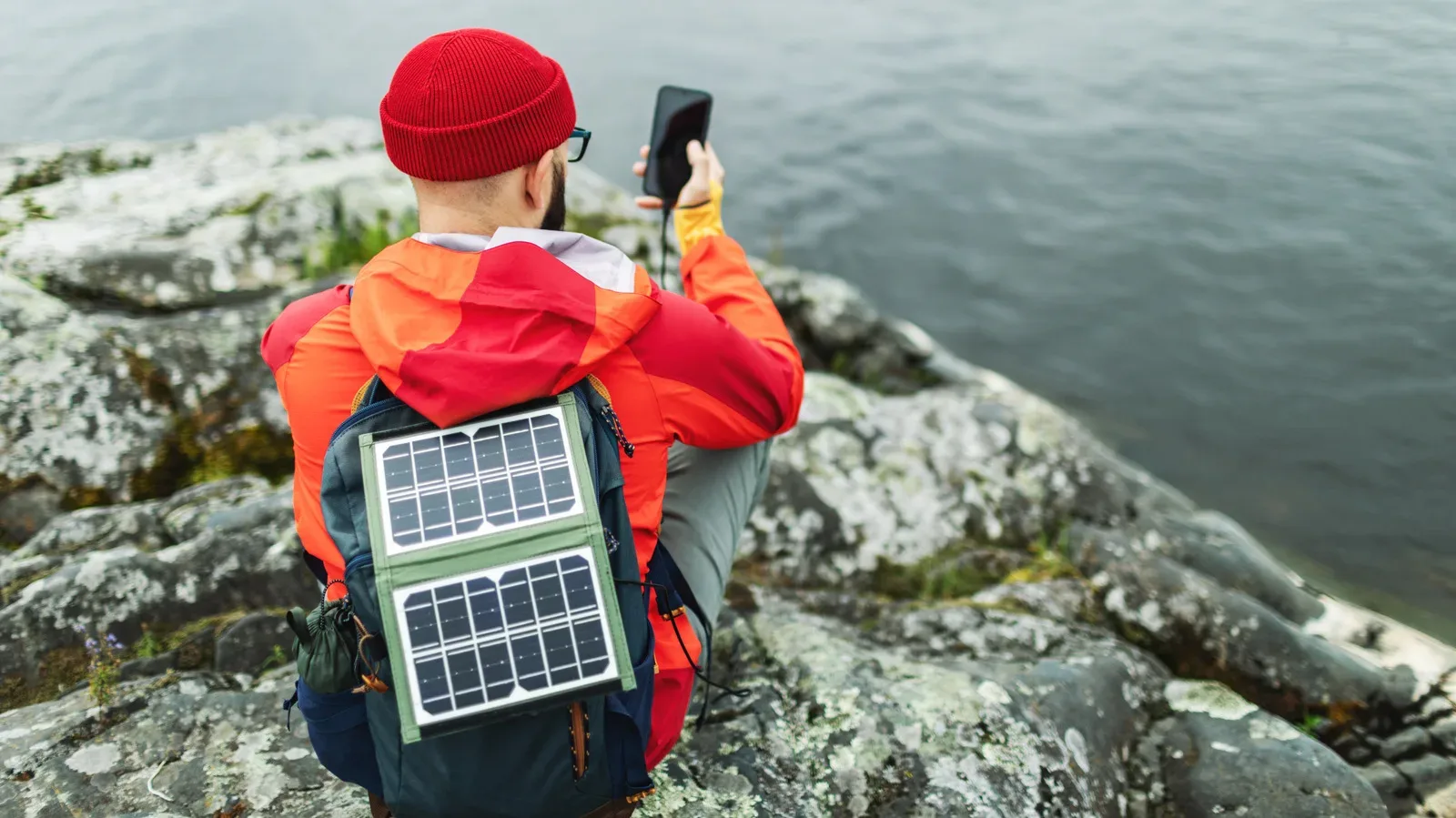
Look for designs that match how the charger will travel. Folding panels can reduce the burden of carrying them. Some products can clip to a backpack, while others use stands to help with placement. Those approaches suit different situations: a backpack clip prioritizes keeping the panel with you while moving, and a stand is geared toward intentionally positioning it toward the sun.
There is no single ideal form factor. Someone seeking a compact emergency backup may prefer the smallest practical option. Someone establishing a temporary campsite may value storage and more ports. The important thing is to avoid treating all portable solar hardware as interchangeable simply because it uses the same energy source.
Safety and weather features deserve a place on the checklist
Outdoor charging equipment has to contend with conditions that desk-bound accessories do not. Water and weather resistance are worth considering, particularly for equipment intended for camping, hiking or use during an outage. They are not decorative additions when a charger may be exposed to changing conditions.
Also look for overcharge protection and temperature control. These are safety-focused features that matter when a charger is managing power for a phone or other devices. A useful buying checklist, then, extends beyond wattage and panel size:
- Charger type: panel-only, built-in battery, or portable power station.
- Wattage: smaller portable models may produce 15 to 50 watts, suitable for phones, with output affected by conditions.
- Ports: check whether USB-C direct charging and the number of connections meet your needs.
- Carry design: consider folding panels, backpack clips, stands, overall bulk and weight.
- Protection: prioritize water and weather resistance, overcharge protection and temperature control.
Picking the right setup for the situation
For a brief outdoor use case in reliably sunny conditions, a panel-only charger can be the cleanest solution. It offers a direct route from sunlight to phone, provided you accept that there is no energy reserve once the sun is gone.
For a trip where charging may be needed at different times, a model with a built-in battery offers more practical control. Its stored energy means power gathered earlier can be used later, which is valuable when a phone cannot remain connected to a panel or conditions shift.
For several devices, a portable power station is the more expansive choice. Its general ability to charge multiple devices and store power makes it better suited to broader backup duties, assuming its size and weight are acceptable.
Solar charging is also only one piece of keeping a phone ready for use outside. Physical protection remains relevant when gear is being packed, carried and exposed to the elements; readers putting together an outdoor kit can also review the signs that a phone screen protector needs replacing.
The practical lesson is to choose for the job, not for the word “solar” on the packaging. Direct charging is simple but dependent on current sunlight. Battery storage gives you timing flexibility. A power station broadens the number of devices that can be supported. Once that choice is made, wattage, ports, carrying design and safety protections become much easier to evaluate.