Planning a trip can feel like an open-world game with a terrible quest log. One tab has flights, another has a hotel with suspiciously perfect reviews, three more have restaurant lists, and a video from six years ago is insisting a “hidden” viewpoint is essential. Before long, the browser has become the real destination.
Gemini is positioned to reduce that scavenger hunt by helping turn scattered research into a usable travel plan. Its useful angle is not simply that it is a conversational AI; plenty of services can produce a list of landmarks. The bigger draw is its connection to Google’s broader ecosystem, including Maps, YouTube and Google Flights. That combination can help travelers move from vague inspiration to dates, routes, activities and reminders with fewer manual jumps between services.
There is an important caveat before anyone lets an AI become the party leader: use Gemini as an organizer, research aide and brainstorming companion, not an unquestioned authority. Flight rules change, availability disappears, hotel policies vary, and generated answers can be wrong. The more expensive, time-sensitive or consequential the decision, the more it deserves a human double-check.
Start with a prompt that has actual quest objectives
A request such as “plan a trip to Rome” gives an AI a huge blank map to fill. It may respond with the familiar tourist checklist, which is fine for a first pass but not much better than a generic guide. Gemini becomes more practical when a traveler supplies constraints: dates or a date range, departure airport, budget, group size, walking tolerance, food preferences, accessibility needs and the kind of pace they want.
Instead of asking for the best things to do, ask for a three-day outline for Rome that prioritizes ancient history, includes low-cost meals near each stop, avoids overly packed afternoons and leaves time for a neighborhood walk. A returning visitor can say so explicitly and ask for options beyond the standard first-visit circuit. Specificity is not busywork here; it is the difference between an itinerary and an attractive pile of nouns.
Travelers can also treat the first response as a draft rather than a command. Ask Gemini to swap one museum for a market, move an outdoor activity to the morning, add more breaks, make the plan friendlier for children, or reorganize the route around one hotel area. That iterative back-and-forth is where a chatbot can feel more useful than searching for one perfect article or video.
A Rome example without the spreadsheet spiral
For a Rome trip, Gemini can be asked when airfare is commonly cheaper and can surface recommended flights from the user’s local airport. Google Flights integration also puts price tracking and Flight Deals into the wider planning flow. This makes it easier to connect the question “when should we go?” with the more immediate question “what will it cost to get there?”
That does not mean a price pattern is a promise. Historical pricing guidance, suggested routes and deal indicators can be useful signals, but they are not guarantees that a fare will stay available or fall further. Compare times, airports, baggage rules, connection lengths and cancellation terms before committing. A cheap fare that turns a short holiday into an overnight airport side mission is not automatically a win.
Let the connected services do the clerical work
Maps and YouTube are particularly relevant to the early research stage. Maps can inform questions about where places are relative to each other, while YouTube can help build a picture of neighborhoods, attractions and travel styles that appeal to a particular person. In practical terms, Gemini can help consolidate information that would otherwise be spread across saved locations, videos and search results.
Accommodation can be handled in the same spirit. A traveler might ask for budget-conscious lodging ideas or, at the other end of the slider, more upscale options. The key is to name the non-negotiables: proximity to transit, a quiet room, a lift, breakfast, a family layout, a particular district, or flexibility on cancellation. A polished summary is helpful, but the booking page remains the place to verify the room type, dates, fees and policy details.
Gemini may be able to assist with flight and hotel reservations, but this is exactly where caution should increase rather than disappear. A human should review every final booking detail, including passenger names, dates, departure airports, baggage allowances, hotel location and cancellation conditions. Booking tools are convenient; correcting a wrong booking can be a boss battle nobody asked for.
People who use Gmail may also find that Gemini can use relevant information in their account context, such as signs that they have previously visited a destination. Even so, travelers should not assume the system has understood every detail correctly. State prior visits, preferences and restrictions again when they matter. It produces a clearer planning brief and helps prevent the itinerary from sending a repeat visitor directly back through an experience they specifically wanted to skip.
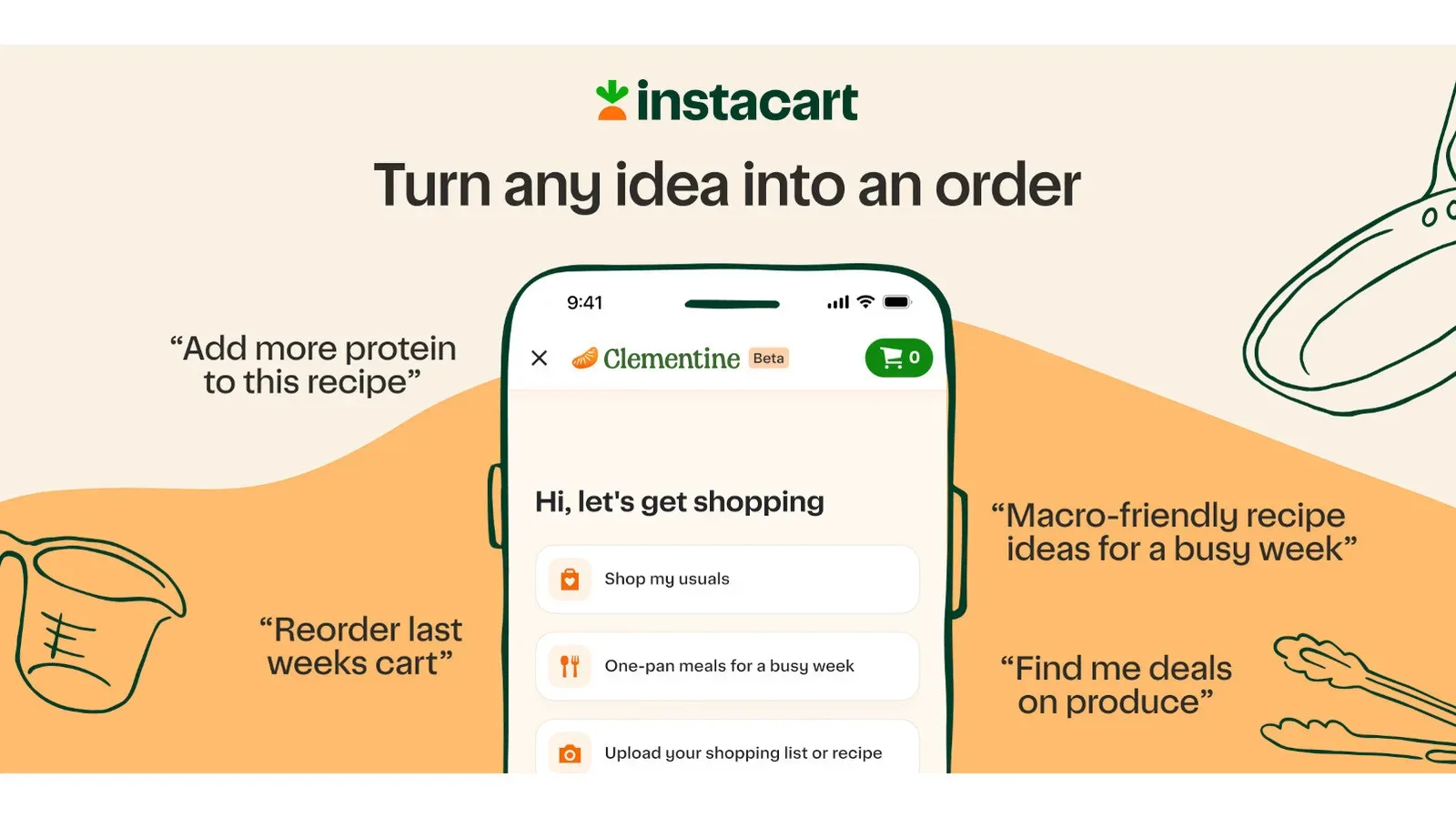
For a broader look at how AI assistants are being pitched as everyday planning tools, see our coverage of Instacart’s Clementine AI assistant and its attempt to organize meals and shopping. The travel use case follows a similar formula: make a messy decision tree conversational, then leave the user responsible for the final call.
Build an itinerary that can survive contact with reality
An itinerary should not be a speedrun. Once Gemini produces a schedule, ask it to make the logic visible. Group nearby stops, account for meal breaks, leave transit buffers and identify which reservations need to happen first. A plan becomes more resilient when it includes one or two flexible alternatives instead of stacking every hour with attractions.
A useful follow-up prompt can request several layers of the same trip:
- A simple day-by-day plan for quick reference.
- A list of bookings and tickets that must be confirmed independently.
- A rainy-day substitute for outdoor activities.
- A lower-cost version of the itinerary.
- A short list of reservations or opening hours that need checking shortly before departure.
This approach keeps the AI in the role it handles best: reshaping information into a format that matches the traveler’s needs. It also separates recommendations from facts that can change. Opening times, entry rules, transit disruptions and venue closures should always be checked through the relevant official channels before a trip and again while traveling.
Think of a generated itinerary as a party strategy: useful, adaptable and much better after everyone checks their own equipment.
Use it for the boring-but-important pre-departure checklist
Travel planning does not end when the booking confirmation arrives. Gemini can create packing and preparation checklists based on destination, climate, duration and trip style. That can be a strong defense against the classic arrival-day realization that a charger, medication, adapter or document is still sitting at home.
A good checklist request should distinguish between things to pack and things to verify. It can include clothing suggestions, personal items, electronics and travel documents, but travelers should independently check passport validity, visa requirements, insurance coverage, airline luggage rules and any other official entry or transport requirements. AI can remind someone to investigate these issues; it should not be the sole source for them.
Gemini can also help search for rental cars or train tickets, and it can organize an itinerary into a format that is suitable for printing. A printed copy is not glamorous, but it can be reassuring when a phone battery is low, connectivity is unreliable or someone else in the group needs the plan. Consider keeping essential reservation numbers and addresses available offline as well.
Bring the camera into the sightseeing loop
The most interesting part of Gemini’s travel role may arrive after landing. With the camera function, users can photograph a painting, statue or nearby scene and ask for context. That could make an unplanned museum detour or street-side monument more approachable, particularly when a traveler does not know what they are looking at.
The same verification mindset applies. Generated historical details can be a starting point, not a final museum label. For something important, compare the response with information provided by the museum, gallery, landmark or guide. Still, the conversational format has real appeal: it can make it easier to ask follow-up questions, request a simpler explanation, or learn why an object matters without breaking out a dozen searches.
Gemini’s promise is not that travel suddenly requires no research. It is that research can become less fragmented. It can assist with flight exploration, lodging ideas, tailored plans, packing lists, ticket searches, printable schedules and on-the-ground visual questions. Used with detailed prompts and a healthy habit of checking the facts, it can help replace the tab avalanche with a trip plan that is easier to adjust—and easier to actually enjoy.