There is a very particular parental riddle at the center of the modern kid-phone market: how do you give a child enough technology to be reachable, orient themselves and handle a small real-world task without handing them a glowing portal to infinite video, social pressure, games engineered for repeat engagement and the open internet?
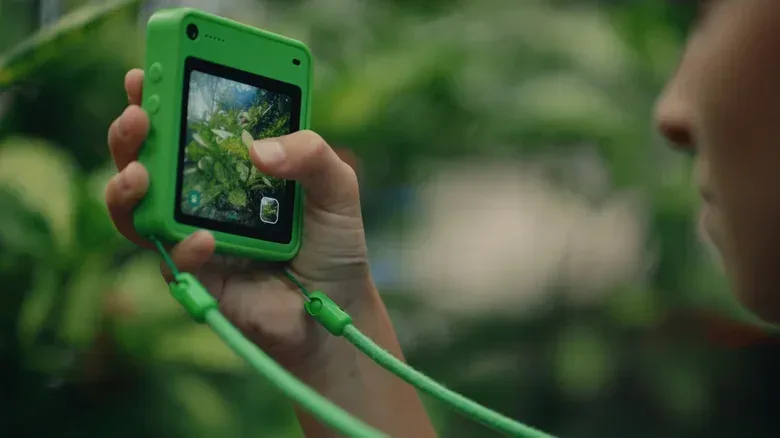
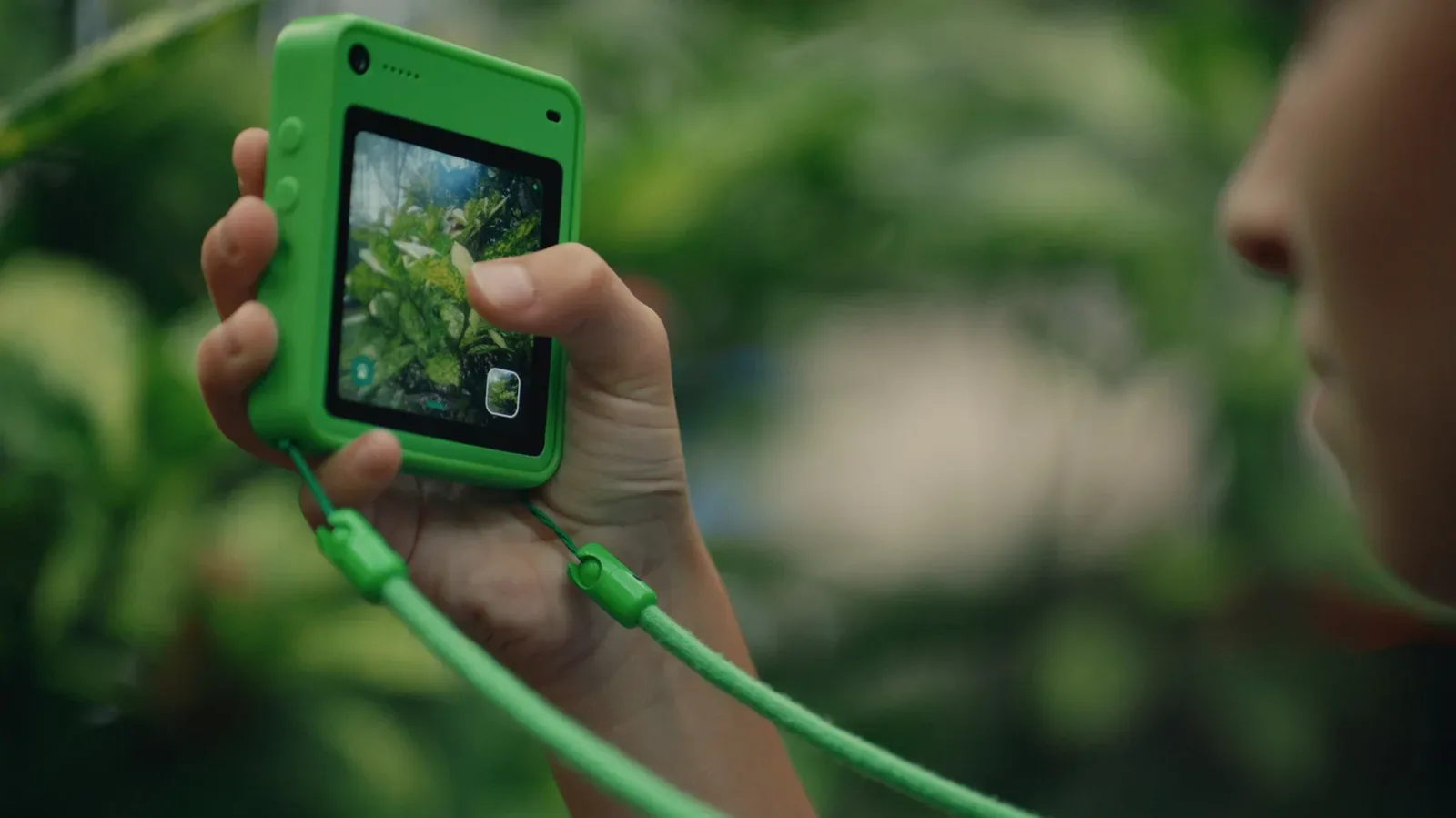
New York City startup Freckle’s answer is a small, square phone designed for children aged seven to 13. The $199 device requires a $25 cellular subscription and runs ClayOS, a simplified operating system that deliberately leaves out an app store, open-web browsing, streaming-video apps and social media. Instead, it offers calling and texting with a parent-selected set of contacts, a mini-map, basic tap-to-pay capability, a nearby-device walkie-talkie feature, an AI-powered camera and question tool, plus parent-created and built-in outdoor missions called Quests.
It is an unusually direct attempt to make a phone feel less like a destination and more like equipment. In gaming terms, Freckle is not trying to put a whole digital arcade in a child’s pocket. It is trying to turn a walk to the park, a museum visit or a trip for a snack into the actual game world.
A phone built around the trip, not the feed
Freckle’s design philosophy is clearest in what ClayOS excludes. An app store is a marketplace through which users can download software; removing one means a child cannot simply add a browser, a social platform or a new game when no adult is looking. No open web means no general-purpose web browsing. Those choices trade broad capability for a more fixed set of uses.
That can sound restrictive because it is restrictive. But restriction is the product proposition here, not a missing checkbox on a spec sheet. Conventional smartphones are built to be flexible, then rely on parents to configure that flexibility into something appropriate. Freckle reverses the arrangement: its baseline is a narrower device intended for a narrower age range.
The company’s selected features point outward. A child can photograph an object and ask the device to describe it, or pose general questions about how the world works. The mini-map is intended to help with navigation. The walkie-talkie function works with nearby Freckles. Tap-to-pay could cover a snack or public transit. Calling and texting remain available, but only with people parents have chosen.
None of those functions guarantees that a child will spend more time outdoors. A gadget cannot create a safe route, a welcoming park, a willing friend or free time in a family schedule. It can, however, avoid making a feed the default response to a spare minute. That distinction matters. A device designed around errands, routes, observation and communication has a different incentive structure from one designed to keep the user moving from clip to clip.
Quests are the key idea—and the tricky one
The most interesting feature is the Quests system. Parents can create a prompt such as asking a child to photograph several flowers, while Freckle also supplies built-in missions. The format borrows a familiar game-design word. A quest is a structured objective: the player receives a task, does something, and usually gets a sense of completion or progress.
In this case, the important part is not a fictional reward loop but the real setting. “Find and photograph flowers” asks for noticing, moving and looking closely. It can give a child a starting point when “go outside” is too vague, especially in a park, museum or neighborhood walk. It may also offer parents a way to make an outing feel collaborative rather than supervisory.
Yet the framing deserves a little skepticism alongside the enthusiasm. Turning ordinary exploration into an assignment can cut two ways. Some children may welcome a prompt that helps them begin. Others may prefer the freedom to wander without a device telling them what counts as a completed objective. The useful version of Quests is likely optional and light-touch: an invitation into an activity, not a checklist that makes every walk feel monitored.
That tension is central to the wider product. Freckle is trying to combine independence with connection, not choose one over the other. Its founder and CEO, Sam Terris, has described the goal as helping children feel capable and self-directed while retaining access to modern communication with parents and guardians. The device is positioned less as a fear-first tracker than as a tool for gaining autonomy.
Why a small screen is part of the argument
The hardware follows the same logic. Freckle has a 3.1-inch display and a small square form factor. The company also says the device is built for the rough handling associated with children and offers a lanyard case for carrying it around.
A smaller screen does not make a product virtuous on its own. But screen size sets expectations. It is enough for basic information, a map glance, messages and a photo-based question. It is much less naturally suited to lingering over elaborate apps or endlessly scrolling visual content. Freckle’s physical constraints appear deliberately aligned with its software constraints.
That is the sharp contrast with giving a young child a conventional smartphone and attempting to lock it down after the fact. The supplied background notes concerns about smartphone use among younger children, including studies associating it with lower overall quality of life, games intentionally designed to be addictive and poorly moderated online spaces. It also notes a simple practical reality: technically curious children may eventually find their way around restrictions on a general-purpose phone.
Freckle does not solve every digital-safety question by existing. Parents would still need to decide who belongs on the approved contact list, when the phone can be used, whether payment is enabled and what degree of check-in is appropriate. AI tools also require judgment: a child should not be taught that every answer from a device is automatically correct. But a purpose-built operating system may reduce the number of doors that need to be guarded in the first place.
Independence still depends on the place
The strongest use case appears to be walkable areas where children can plausibly move under their own power. The device’s mini-map, calls, messages, transit payment and possible snack purchases make most immediate sense in cities and neighborhoods where walking, biking and public transportation are part of ordinary life.
That does not limit the idea to dense urban blocks. Parks, museums and other bounded public spaces could also be settings where a parent gives a child some room to range while preserving a line of contact. A suburban child biking around a neighborhood or meeting friends might gain more from a navigation-and-communication device than from a watch that is mainly for location tracking and emergency calls.
Still, technology cannot flatten the differences between places. Car dependence, traffic, distance, local norms and a particular child’s readiness all shape what independent movement looks like. The right amount of freedom for one seven-year-old may not suit another; the same child may be ready for one route but not a more complicated one. A phone can support a plan, but it cannot responsibly make the plan on its own.
That is also why Freckle’s attempt to sell freedom rather than surveillance is notable. The current landscape often treats child-connected devices primarily as tools for remote oversight. Freckle instead foregrounds what a child can do: navigate, communicate, identify something interesting, pay for a small purchase, speak to a nearby friend and complete a self-contained outdoor prompt.
The anti-smartphone smartphone has a clear trade-off
Calling Freckle a smartphone is accurate in the practical sense: it is cellular-connected, can communicate and includes digital tools. But it is not trying to compete feature-for-feature with an iPhone, nor does it appear designed to. Its value depends on parents accepting that a child does not need an adult’s full computing environment to gain useful independence.
That premise will appeal to families who see the choice as more nuanced than “no device” or “full smartphone.” Until now, a less capable cellular smartwatch has often filled the middle ground for families seeking location awareness and emergency communication. Freckle proposes a different middle: more useful for maps, messages and real-world prompts than a watch, while being intentionally less open-ended than a standard phone.
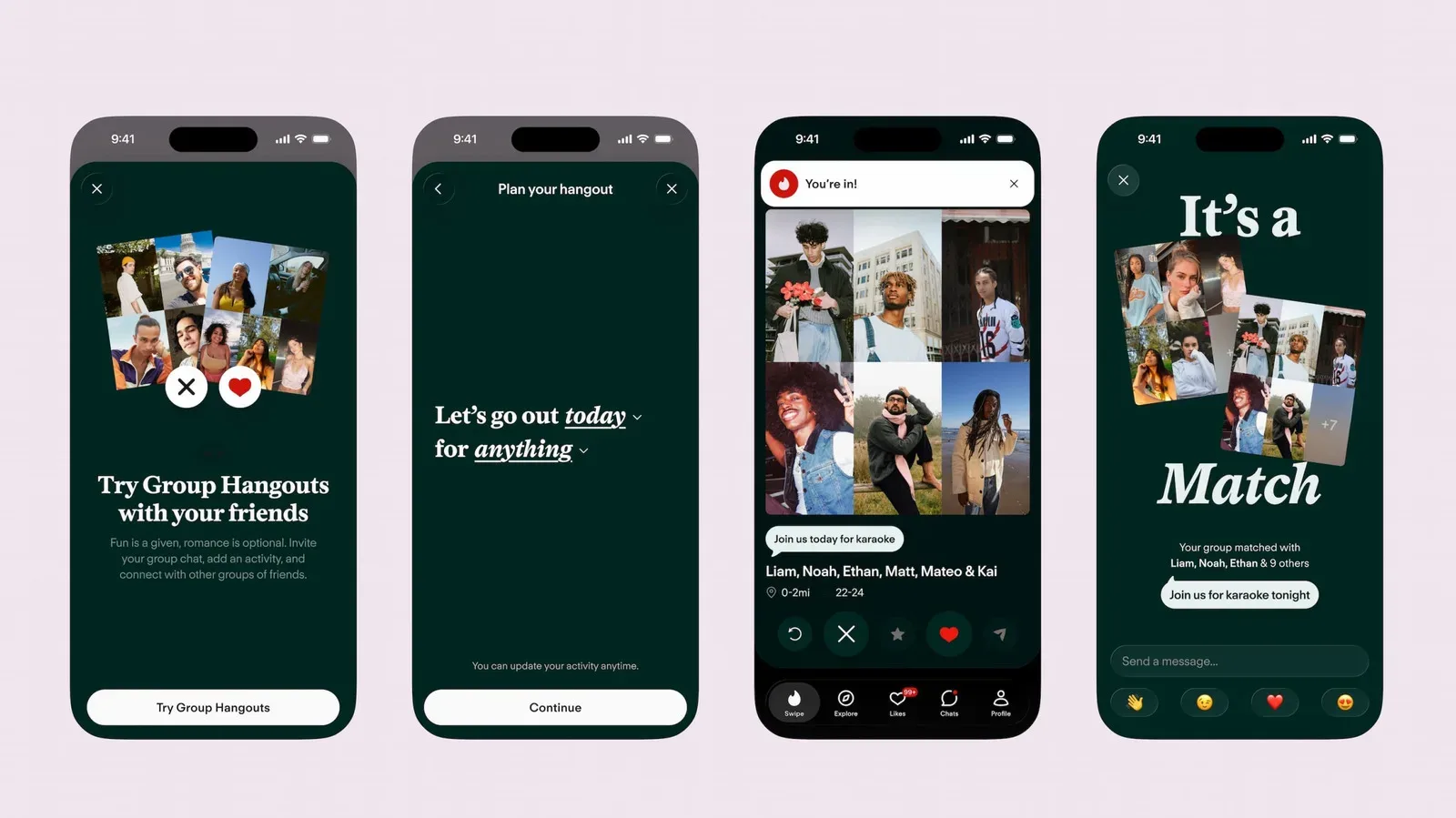
It also reflects a broader product-design question that reaches beyond children’s devices: can technology encourage participation in a setting rather than pull attention away from it? Activity-centered digital products can at least attempt to place the person, place or task ahead of the feed. The same basic instinct appears in social products that turn interaction into a shared activity rather than an endless interface; see how group hangouts are being framed around activity-based connection.
For Freckle, success will not be measured by whether children stare at it happily. The more revealing test is whether it can be useful enough to carry, constrained enough not to become a distraction, and trusted enough that parents are comfortable loosening the leash a little. The product’s most ambitious idea is not its AI camera or tap-to-pay support. It is the suggestion that a connected device can help a child be less connected to the device itself.
There has been no hands-on assessment here, so practical questions remain about the real-world quality of ClayOS, navigation, AI responses, payment implementation, durability and day-to-day cellular experience. But the core concept is refreshingly specific. Freckle is not promising to make childhood safe through total monitoring, and it is not pretending an unrestricted phone is consequence-free. It is pitching a third route: a small piece of technology intended to make the bigger world feel accessible.