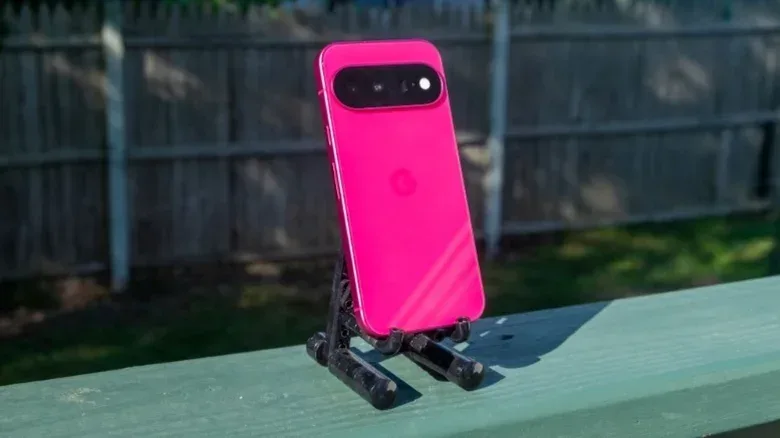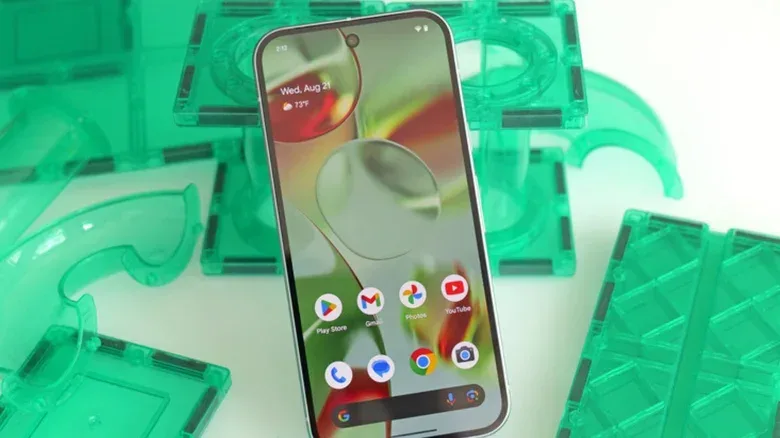
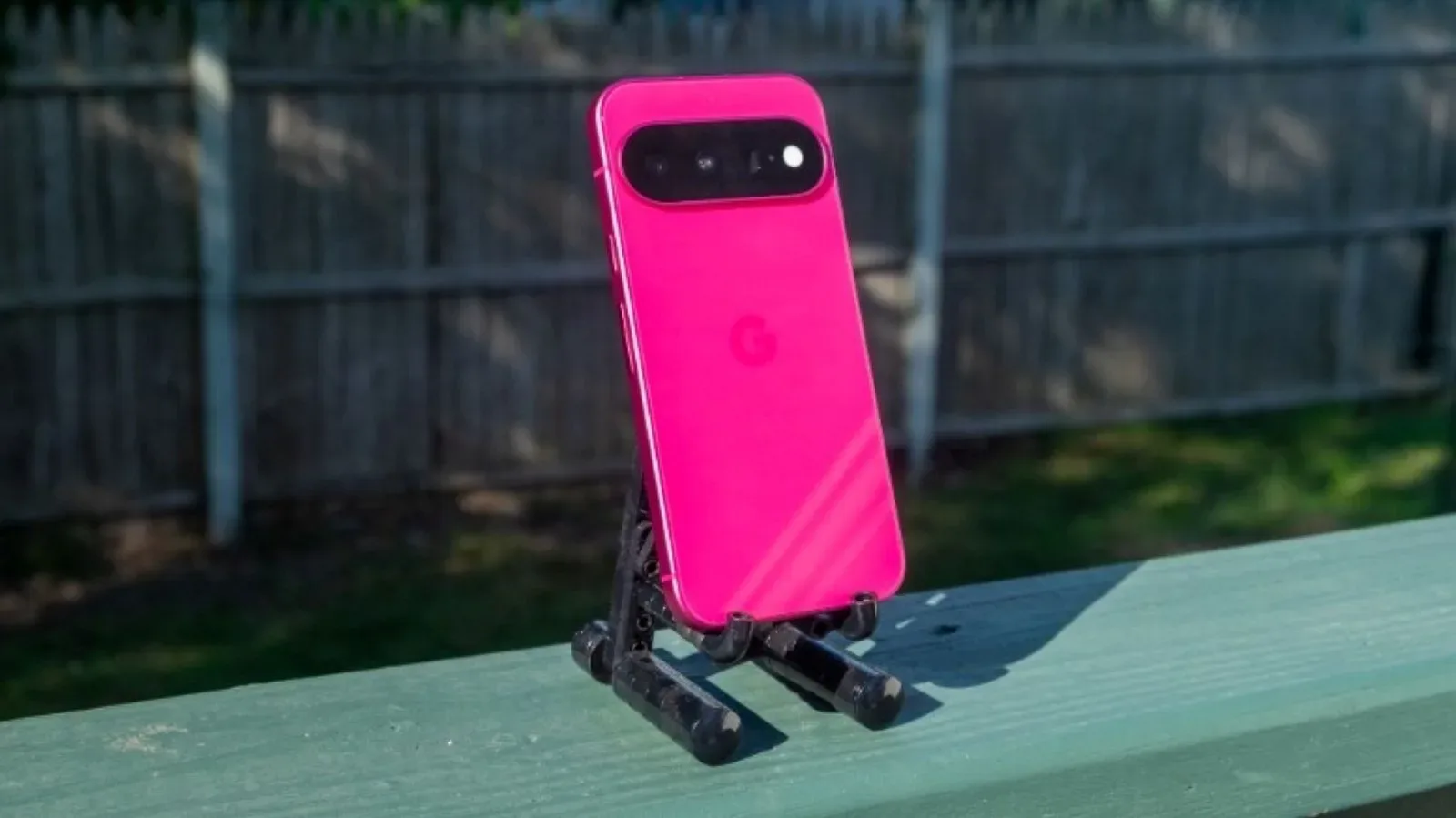
Google’s Pixel 11 is a familiar kind of annual phone upgrade: a collection of improvements that look impressive on a specification sheet, but do not automatically make the prior model obsolete. It went on sale in August 2026 at $899, $100 above the Pixel 10’s launch price. For people using a Pixel 10, the case for changing phones is remarkably thin. For Pixel 9 owners, however, two generations of changes create a much more meaningful decision.
The simple dividing line is hardware that software cannot retrofit. Pixel 10 owners already have the Pixel 11’s 6.3-inch display, 12GB of RAM and 5x telephoto camera. They gain speed, storage and charging improvements, but not a radically different everyday device. A Pixel 9 owner moving to the Pixel 11 gains a dedicated telephoto camera, a larger battery with a higher stated endurance rating, built-in magnetic Qi2 compatibility, a brighter display and two additional years on the software-support calendar.
That does not mean every Pixel 9 should immediately be replaced. An $899 purchase still needs a real use case. If a Pixel 9 lasts all day, has adequate storage and its owner rarely uses more than 2x zoom, keeping it remains the financially sensible play. But the Pixel 11 delivers enough durable hardware changes to make it a genuine upgrade rather than simply a newer number.
The Pixel 10-to-Pixel 11 jump is mostly refinement
The Pixel 11 changes Google’s processor from Tensor G5 to Tensor G6. Google says the newer chip improves web-browsing speed by 25% and app launches by 15%. A system-on-a-chip, or SoC, is the central package that combines processing components used to run apps, render graphics and handle other phone tasks. A faster generation can make a handset feel more responsive in short bursts: opening an app, jumping between screens or loading a webpage.
Those are welcome gains, but they should be put in context. A smooth new device is not necessarily a compelling replacement for a one-year-old phone that is already smooth. Without a demanding task that exposes a bottleneck, everyday use may not make the improvement feel proportionate to an $899 upgrade.
Camera changes follow a similar pattern. The Pixel 11 retains the 5x telephoto camera found on the Pixel 10, while its 48MP main camera receives a larger sensor that Google says is 56% more light-sensitive. Sensor sensitivity matters because the camera has more ability to capture light, potentially helping in darker conditions. The Pixel 11 also extends Super Zoom from 20x to 30x.
It is worth separating optical zoom from extended digital zoom. Optical zoom uses the telephoto lens’s physical focal length to bring a subject closer. Digital zoom goes beyond that optical view through cropping and computational processing. The Pixel 11’s 30x setting may be useful for viewing faraway subjects on the phone itself, but fine detail can fall away when images are examined on a larger laptop display. The extra headline number should therefore not be mistaken for 30x of consistently crisp, camera-like detail.
The practical upgrades are clearer in storage and charging. The Pixel 11 starts at 256GB rather than 128GB, doubling base capacity. That matters to people who retain large photo libraries, download substantial apps or games, and capture plenty of video. Storage is not an easily added component in a phone, so capacity can be a valid reason to choose a new model—especially for a buyer coming from a crowded 128GB device.
Related coverage includes Should Pixel 9 or Pixel 10 Owners Upgrade to the Pixel 11?.
Wireless charging moves from 15W to 25W. Wattage is a measure of charging power: all else equal, a higher number can reduce the time needed to add energy. Actual charging speed is still shaped by the charger, alignment, heat and the battery’s current level, but the higher ceiling is a concrete convenience improvement for someone who regularly relies on a compatible charging pad.
The Pixel 11 also has Magic Capture and Camera Looks listed as exclusive camera features. Magic Capture records a brief clip and extracts selected frames as still images. Camera Looks allows a default filter to be set and adjusted. These could be useful creative shortcuts, but a purchase decision should account for Google’s pattern of delivering software additions to older Pixels through updates. If equivalent features reach the Pixel 10, the remaining hardware argument becomes the G6, 256GB starting storage, faster wireless charging and improvements to the main sensor.
Why the Pixel 9 comparison is more substantial
The Pixel 9 begins with a 50MP main camera and a 48MP ultrawide camera, topping out at 8x Super Res Zoom. The Pixel 11 adds something the Pixel 9 physically lacks: a 10.8MP telephoto camera with 5x optical zoom and optical image stabilization.
Optical image stabilization, often shortened to OIS, uses hardware movement to counter small hand motions during capture. It is particularly relevant to telephoto photography, where distant framing magnifies shake. The significance here is not merely that the Pixel 11 reaches farther than the Pixel 9; it has a dedicated stabilized lens for the job. No routine update can install that additional hardware in an older handset.
For the base Pixel 11, this telephoto is one of its strongest arguments. It provides 5x optical reach, compared with a 3x telephoto on the Galaxy S26 and no telephoto on the iPhone 17. It is not, however, the same class of camera as the Pixel 11 Pro’s telephoto system. The Pro uses a 48MP, 1/1.95-inch sensor, whereas the standard Pixel 11 telephoto uses a 1/3.2-inch sensor. That distinction matters because a larger sensor can gather more light and generally has more potential detail, particularly in difficult conditions.
In other words, the base Pixel 11 telephoto is a meaningful upgrade over having no telephoto camera at all, without turning the standard phone into its Pro sibling. Buyers focused on dependable long-range photography should be precise about that expectation.
Battery life, display brightness and magnets change daily use
Battery capacity rises from 4,700mAh in the Pixel 9 to 4,985mAh in the Pixel 11. mAh, or milliamp-hours, is a capacity measurement rather than a direct promise of screen time: software, display brightness, signal conditions and workload all affect how long a charge lasts. Still, Google rates the Pixel 9 for more than 24 hours and the Pixel 11 for more than 30 hours, pointing to a potentially meaningful endurance advantage.
One battery trial saw a Pixel 11 run from 8 a.m. on Saturday until 7 p.m. Sunday on a charge. Individual results will vary, but that outcome illustrates why battery health is a more persuasive upgrade factor than modest processor gains. A phone that comfortably survives a long day, a late night and the following morning changes habits; it reduces charger planning and gives more margin when travel or heavy use intervenes.
The Pixel 11’s screen peaks at 3,000 nits, up from 2,700 nits on the Pixel 9. A nit measures display brightness. Peak brightness is not the same as a screen sitting at that number all day, but the higher ceiling can help visibility in strong light and with high-dynamic-range material.
There is also Pixelsnap, the Pixel 11’s built-in magnetic system for Qi2 chargers and mounts. Qi2 is a wireless-charging standard that uses magnets to help place a device correctly on compatible accessories. The Pixel 9 cannot attach to these magnetic Qi2 chargers and mounts without a case. This will be a minor detail for some people and a major quality-of-life change for anyone who uses a desk charger, bedside stand or car mount every day.
Software support removes the urgency
Google promises seven years of operating-system and security updates beginning from the date each Pixel first went on sale in the United States. On that timetable, Pixel 9 support ends in August 2031, Pixel 10 support ends in August 2032 and Pixel 11 support ends in August 2033.
That long runway is important because it reframes the choice. A Pixel 9 owner does not need to upgrade out of fear that updates are about to stop. Nor does a Pixel 10 owner need a Pixel 11 to remain current and protected. The decision can be based on the specific hardware shortfalls a person experiences now: battery degradation, insufficient storage, frustration with distant photos, or the appeal of magnetic accessory support.
Battery decline, in particular, does not automatically require a new phone. A genuine Pixel 9 battery replacement is listed at about $50 through iFixit, while Google offers mail-in repair quotes through its online estimator. Replacing the battery can be the more proportionate response if the handset otherwise meets a user’s needs. Before assuming a phone upgrade is the answer to a daily charge problem, it is also sensible to rule out connection and SIM-related issues that can cause needless drain or service trouble; the broader troubleshooting chain is outlined in this guide to a phone showing no service despite a SIM being installed.
A practical decision guide
Keep the Pixel 10 if these are your priorities
- Your current phone is fast enough for browsing, apps and normal daily multitasking.
- 128GB of storage is not creating a regular problem.
- You already have the 5x telephoto lens and do not need 30x Super Zoom.
- 15W wireless charging is adequate for your routine.
- You would rather wait for a larger hardware leap, with support continuing through August 2032.
Consider the Pixel 11 from a Pixel 9 if these needs are real
- You frequently photograph subjects that benefit from a true 5x telephoto lens rather than digital zoom.
- Your Pixel 9 battery no longer reliably carries you through the day, and a repair is not the preferred route.
- You want 256GB of base storage for photos, video, apps or downloaded media.
- You use magnetic chargers or mounts and want Qi2 attachment without depending on a case.
- You value the brighter 3,000-nit display and an additional two years of promised software support.
The recommendation is therefore less about chasing the newest Pixel and more about matching an upgrade to a missing capability. Pixel 10 owners receive an iterative package at a higher launch price, making patience the strong default. Pixel 9 owners have a stronger hardware case, especially when telephoto photography, battery endurance or magnetic charging fits their actual routine. If none of those changes solves a current annoyance, the Pixel 9 still has years of support ahead—and $899 can wait.