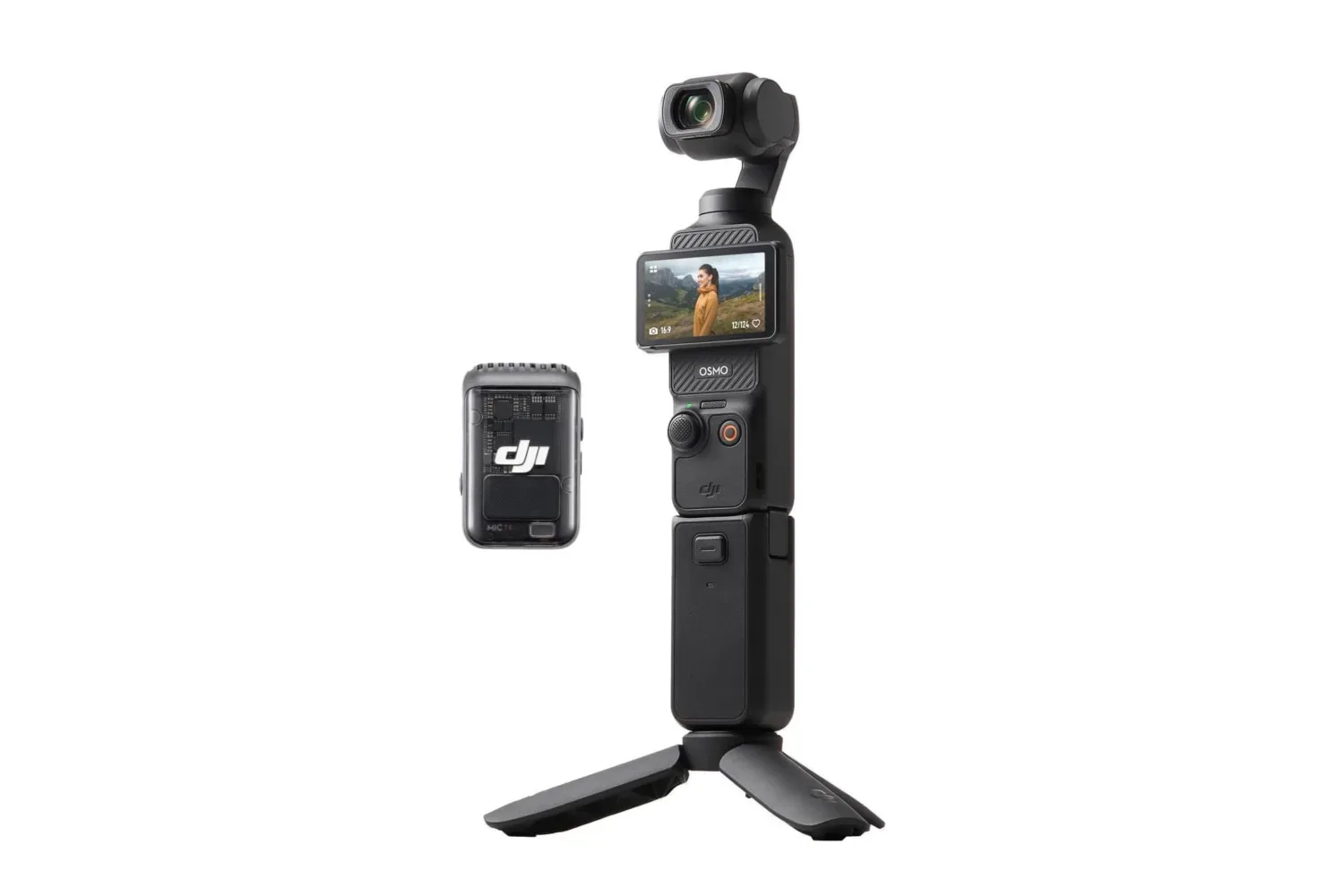
The DJI Osmo Pocket 3 Creator Combo is listed at $495, a $134 reduction from its stated $629 regular price. That works out to roughly 21% off for a compact, stabilized camera bundle built around the Osmo Pocket 3, with the DJI Mic 2 Transmitter, battery handle and Osmo mini Tripod among the included accessories.
The listed price is described as the lowest seen for the Creator Combo in a year. As with any retailer promotion, pricing and stock can change, so prospective buyers should verify the current listing and what is included before checking out. The offer is stated to include free shipping and not require a Prime membership.
For creators who want a camera that can move quickly from a desk setup to a walk-and-talk clip without bringing a larger rig, the appeal is straightforward: the Pocket 3 combines a 1-inch CMOS sensor, 4K recording at up to 120 frames per second, a rotatable 2-inch touchscreen and three-axis mechanical stabilization in a small package. The Creator Combo adds tools that address two common limitations of bare-camera shooting: managing power and capturing voice audio.
What the $495 Creator Combo includes
The central component is the DJI Osmo Pocket 3 camera. The bundle also includes a DJI Mic 2 Transmitter, a battery handle and an Osmo mini Tripod, plus additional items not specified in the listing.
That distinction matters because a bundle is not merely a different box for the same camera. The transmitter is intended to extend the audio side of a creator setup, while the battery handle and mini tripod address how the camera is powered and positioned. Someone recording direct-to-camera updates, short travel clips, streaming-adjacent segments or behind-the-scenes material may find that those pieces reduce the number of separate accessories required at the outset.
Audio gear is especially worth considering when assessing a camera package. The Pocket 3 supports stereo recording, which may be sufficient for indoor footage in quieter conditions. A dedicated transmitter can be more relevant when a speaker is farther from the camera or when the filming environment is less controlled. That does not mean every recording automatically needs external audio; it means creators can choose the appropriate setup rather than treating the built-in camera microphone as the only option.
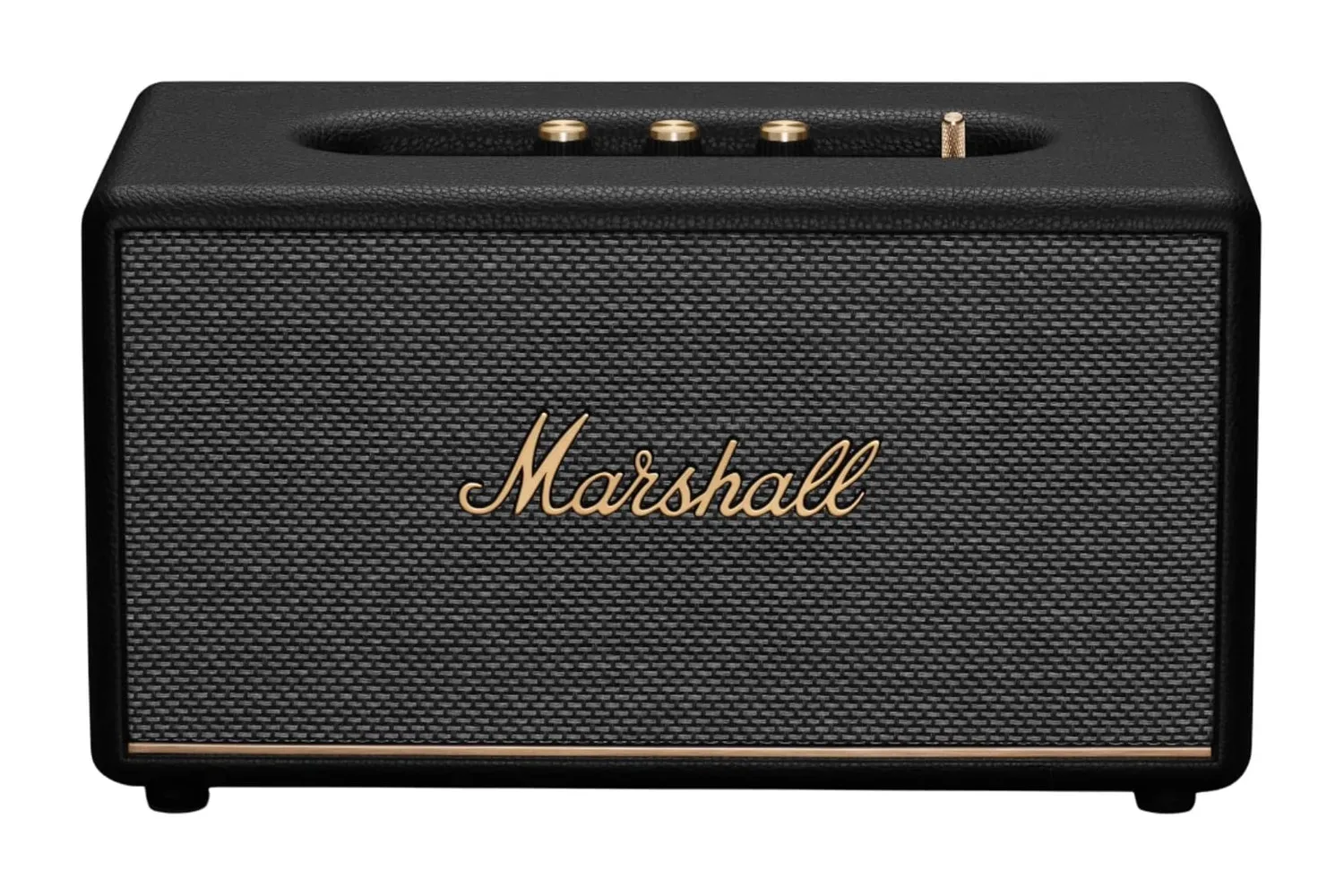
For another example of how audio features can shape a broader home content setup, Joking Joystick has also covered the Marshall Stanmore III’s current pricing and input options.
Why 4K at up to 120fps is useful
4K refers to a high-resolution video format. In practical terms, it gives creators a detailed capture format for their footage. The Pocket 3 can record 4K video at up to 120fps, or 120 frames per second.
Frame rate is the number of still images captured each second to create motion. A higher frame rate captures more individual moments of motion. When footage recorded at 120fps is played back more slowly, it can produce slow-motion sequences while retaining a smooth sense of movement. That is potentially useful for action-heavy clips, moving B-roll, quick transitions, dance footage and moments where the creator wants viewers to notice a detail that would pass too quickly at a lower frame rate.
The word up to is important. It identifies the maximum stated frame rate rather than a promise that every recording mode will operate at 120fps. Creators should select settings based on the clip they need, rather than assuming maximum frame rate is inherently the best choice for every scene. A talking-to-camera segment, for example, has different priorities from a deliberately slowed-down shot of a fast movement.
A compact camera with mechanical stabilization
Handheld video often shows small, distracting movements from walking, turning, lifting the camera or simply holding it at arm’s length. The Osmo Pocket 3 uses three-axis mechanical stabilization to keep footage smoother and steadier.
Mechanical stabilization means the camera hardware physically compensates for motion. The “three-axis” description refers to three directions of rotational movement being managed. The practical goal is steadier footage when filming while walking, running or dancing—the scenarios highlighted for the Pocket 3.
This is not a substitute for thoughtful framing or safe filming practices. Rapid subject movement, a complicated environment and poor composition can still affect a clip. But stabilization can make a smaller handheld camera more flexible, particularly when a creator needs to capture a moment without setting up a larger tripod-based arrangement first.
The small form factor is equally relevant. A camera that fits readily into a backpack is more likely to be with its owner when an opportunity appears. That convenience is useful for daily-video routines and travel, but it also has an implication for creators making gaming-related material: it can serve as a portable tool for venue coverage, event arrivals, collection-room updates, short reaction segments or supplementary footage around a main production. Its feature set does not turn it into a replacement for every camera workflow; rather, it prioritizes compact capture and stabilized movement.
The rotating screen is built for different framing directions
The Pocket 3 has an adjustable 2-inch touchscreen that can be rotated horizontally or vertically. This is a simple feature with a direct production consequence: creators can compose footage for the orientation they plan to publish.
Horizontal framing is commonly used for conventional widescreen video, while vertical framing is associated with phone-first short-form viewing. Being able to change orientation on the camera makes it easier to plan a shot around its intended presentation instead of relying entirely on an after-the-fact crop. A crop can alter a composition by removing visual information near the edges, so starting in the desired orientation can be valuable when framing a person, a product or a moving subject.
The screen also provides an immediate way to monitor the shot. That is particularly helpful for solo recording, where the person on camera must also handle composition. It does not eliminate the need to pay attention to a background or lighting, but it makes those checks accessible on the device itself.
ActiveTrack 6.0 and solo shooting
The Osmo Pocket 3 includes ActiveTrack 6.0, a tracking feature designed to keep a moving person centered in the frame. Its benefit is clearest for solo creators. Instead of asking another person to operate the camera during a moving segment, the creator can focus on the performance or activity while the camera follows their position.
Tracking should be understood as an automation tool, not a guarantee that every shot will be perfectly composed. A creator still decides where to place the camera, how much of the setting should be visible and whether keeping a subject in the center is artistically appropriate. Some shots intentionally put a person to one side to show a location, object or other visual element. ActiveTrack is useful when centered framing is the objective.
In a practical workflow, that can mean setting the camera on the included mini tripod for a stationary segment, then switching to handheld stabilized shooting when the clip needs movement. The value of the Creator Combo lies in having parts for both approaches together: a compact camera, a small support accessory, additional power hardware and an audio transmitter.
The sensor and low-light claim, explained carefully
The Pocket 3 uses a 1-inch CMOS sensor. A CMOS sensor is the component that captures light to create the image. The listing positions the camera as capable of recording detailed 4K footage in both daylight and night conditions.
That is useful context for creators whose schedules are not limited to bright daytime filming. However, “all lighting conditions” should not be treated as a promise that every scene will look identical or require no attention from the person behind the camera. Lighting remains a fundamental part of video production. A dim room, bright window, nighttime street or mixed indoor lighting can each call for different framing and exposure choices. The meaningful takeaway is that the Osmo Pocket 3 is presented as a compact camera intended to remain useful across a variety of lighting environments, not solely in ideal light.
Who should consider this deal—and who should pause
The $495 listing makes the most sense for a buyer who values a compact all-in-one video tool and expects to use the bundle extras. The combination of stabilized 4K capture, a rotating display, tracking, stereo recording and a Mic 2 Transmitter is geared toward people making regular video rather than someone who only needs an occasional still image.
- A good fit: creators who film themselves, capture footage while moving, want vertical and horizontal framing options, or need a portable setup that can travel in a backpack.
- Potentially a good fit: anyone starting a video workflow who would otherwise purchase a microphone-related accessory, extra power support and a small tripod separately.
- Worth a pause: buyers who do not expect to use the microphone transmitter, battery handle or mini tripod. In that case, comparing the bundle against the standalone camera may be more sensible.
- Also worth a pause: creators with a specific technical requirement not identified in the listing. They should confirm current specifications, compatibility and included accessories directly before buying.
At the stated $495 price, the Creator Combo’s $134 discount is the headline. The more durable reason to consider it is the package’s focus: high-resolution, high-frame-rate video; physical stabilization; orientation flexibility; subject tracking; and accessories intended to make small-scale production less cumbersome. Those strengths are most compelling when they match the videos a buyer actually intends to make.
Shop the products
Check current price, model and availability at the retailer.