Multi-room audio is one of those household luxuries that becomes instantly understandable the moment it works: one playlist follows you from the kitchen to the living room without anyone performing the ancient ritual of carrying a Bluetooth speaker by its charging cable. The catch is that building a polished, room-to-room speaker setup can become expensive very quickly.
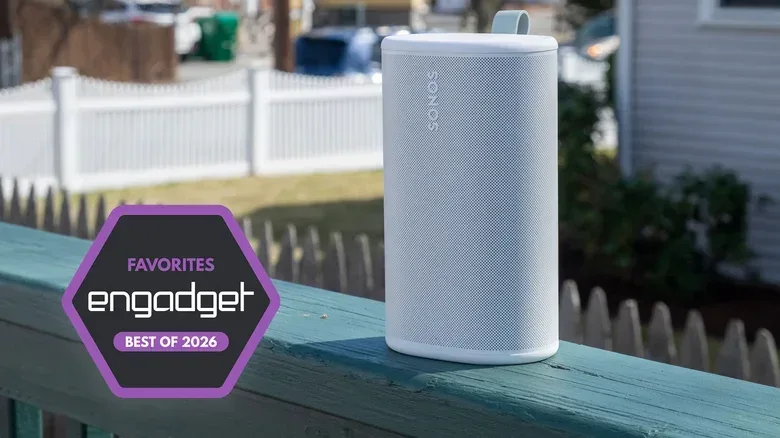
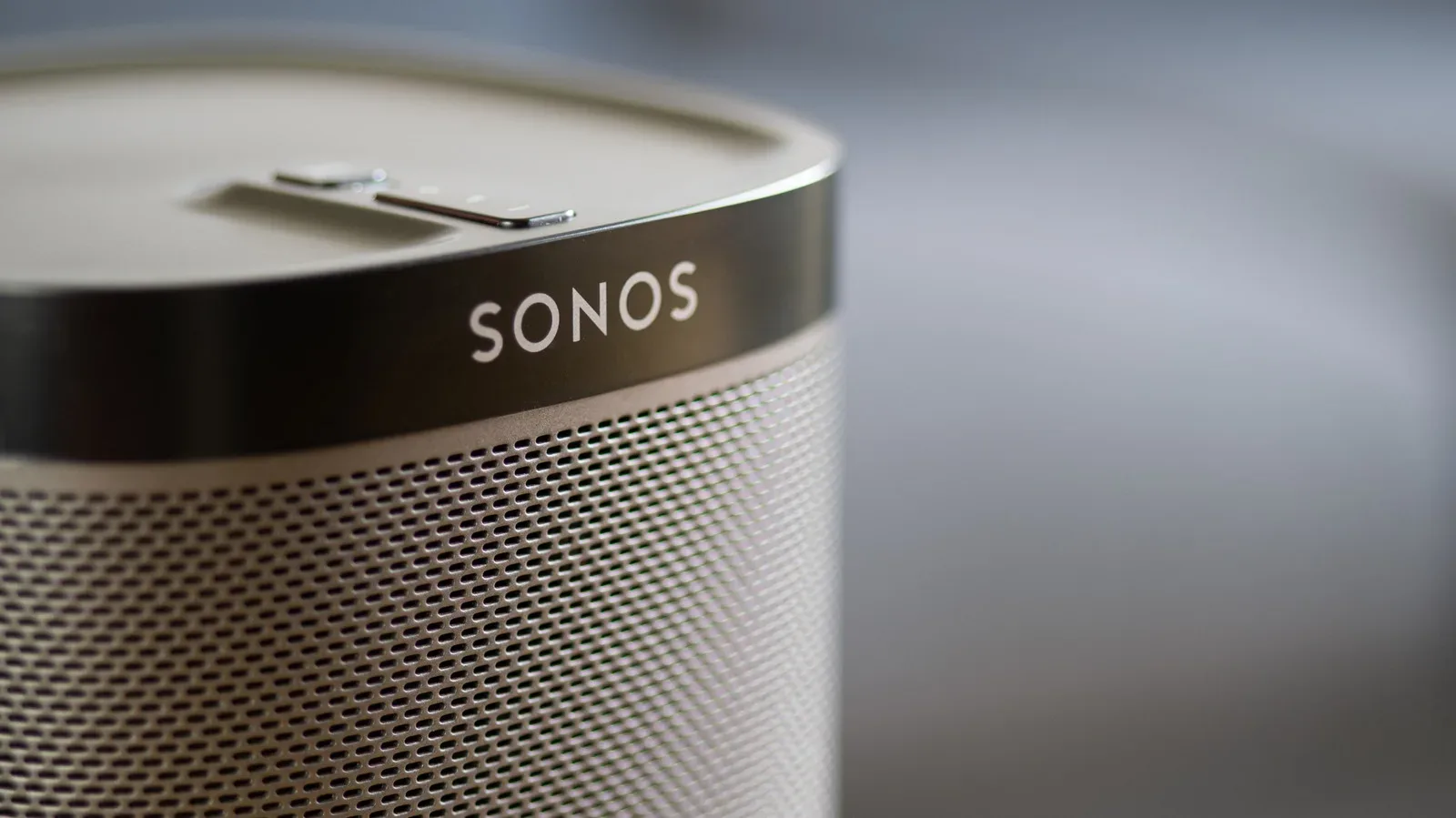
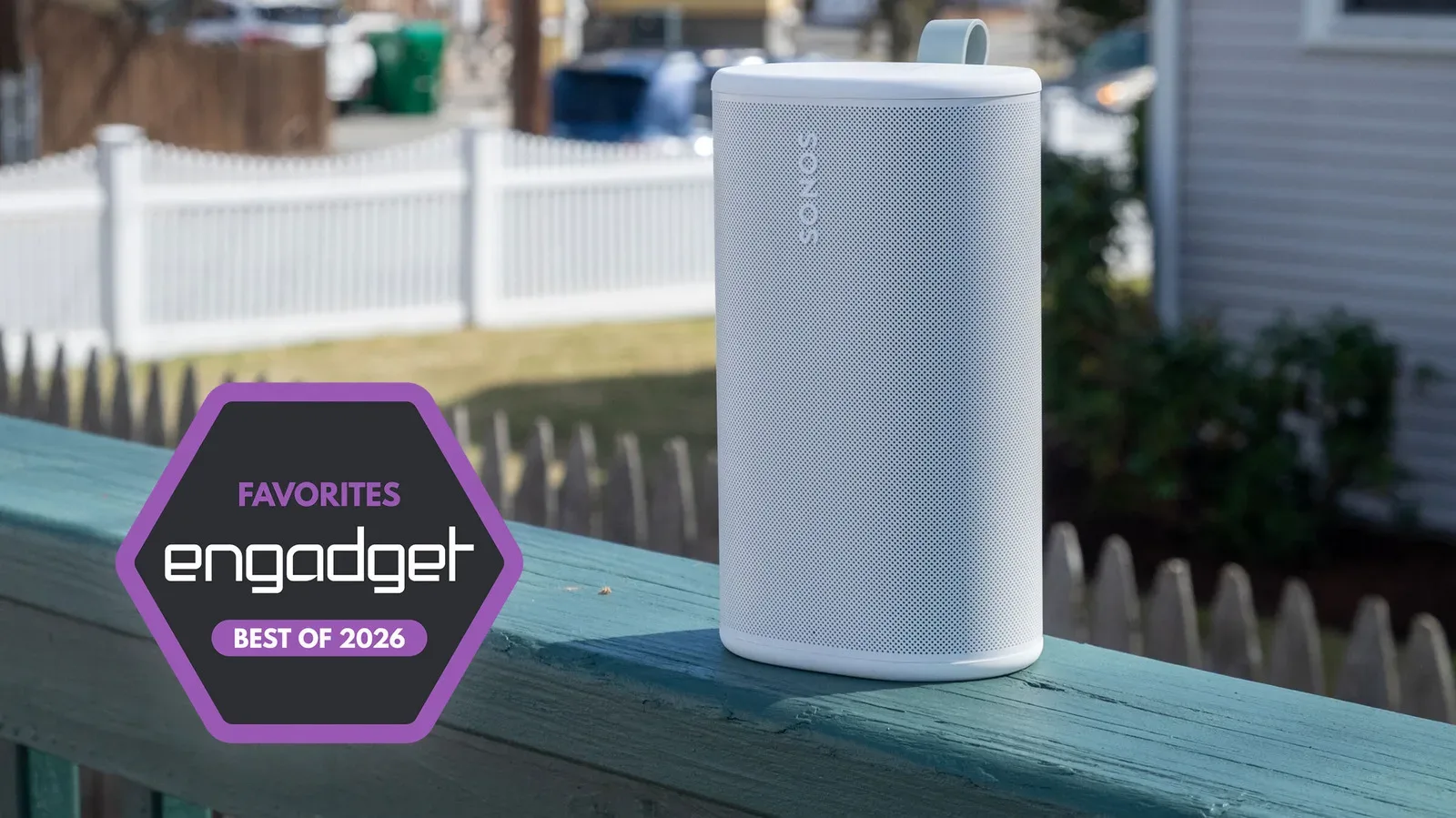
Sonos remains a major name in this category, with portable speakers, soundbars, subwoofers and models that support Dolby Atmos. But its less expensive entry points still sit at $179 for the Roam 2 and $189 for the microphone-free Era 100 SL. A microphone-equipped Era 100 costs $219. For people who chiefly want music to move cleanly around a home, those prices make the per-room math fairly serious.
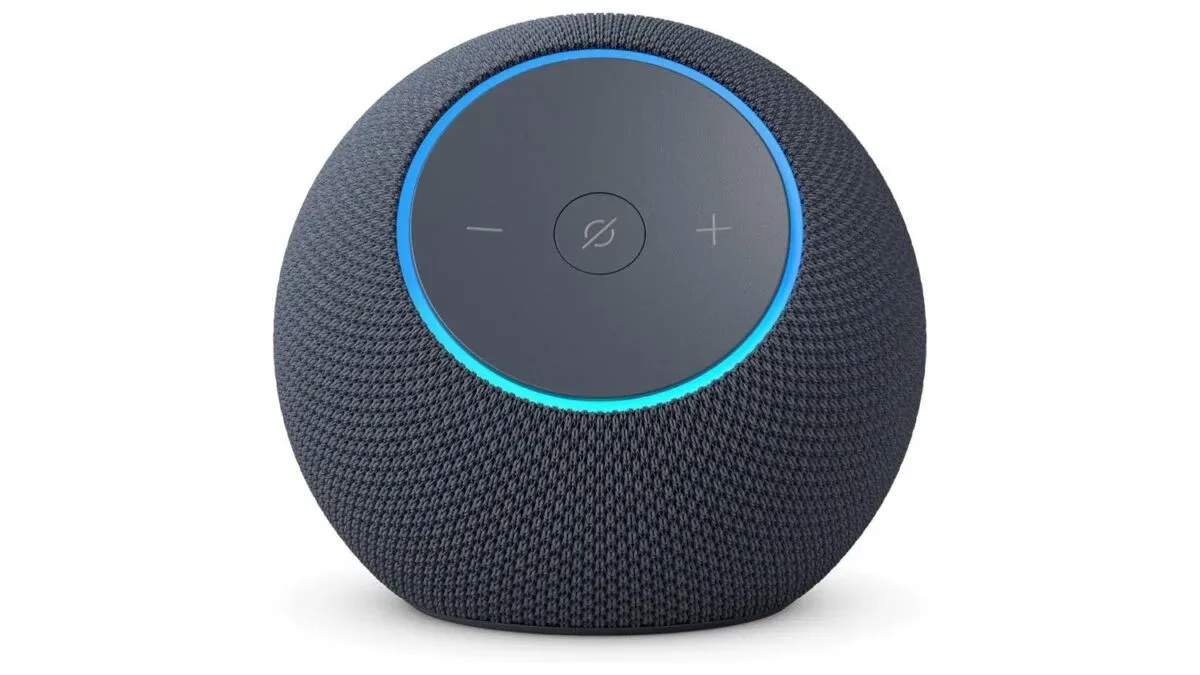
Three mainstream smart-speaker choices sit below that $219 threshold: the $99 Google Home speaker, the $129 Apple HomePod mini and the $119 Amazon Echo Dot Max. None is a straight sound-quality equivalent to the Era 100, and none escapes the wider reality of choosing a smart-home ecosystem. They do, however, offer practical ways to prioritize coverage, grouping and voice control over premium audio hardware.
The important distinction is simple: inexpensive multi-room audio is not necessarily inexpensive hi-fi. It is an arrangement built around convenience. The winning system is usually the one whose music services, phone platforms and preferred voice assistant match the people already in the home.
What “multi-room audio” should mean before buying anything
Multi-room audio means multiple speakers can be organized into groups and play the same music together, rather than each speaker operating as an isolated device. The useful part is control: a listener should be able to begin music in one room, include other rooms, or shift playback elsewhere without rebuilding the whole setup every time.
That sounds obvious, but it separates a purpose-built home system from simply owning several portable speakers. A speaker might be inexpensive, loud and easy to take outdoors, yet still make room-to-room grouping more awkward. JBL’s portable range illustrates the difference. Some models can be grouped using Auracast and many cost under $200, but the emphasis is portability rather than the seamless household controls expected from a dedicated multi-room setup. Voice controls are also absent from most of those speakers.
For shoppers, the functional checklist is more valuable than an impressive specification list:
- Grouping: Can several speakers be placed in a single playback group with minimal effort?
- Playback transfer: Can music move from one room to another from an app or with voice commands?
- Service support: Does the system work with the music service the household already pays for?
- Control options: Can people use a phone, a voice assistant, or both?
- Expansion cost: Is adding a second or third room financially realistic?
That final point matters. One great speaker can be satisfying, but it is not automatically a multi-room system. At $99 apiece, three Google Home speakers cost $297. That is still less than two $219 Era 100 speakers, which total $438. The trade-off is that the lower-cost speakers do not offer the same output or clarity.
Google Home is the value-first route for broad music support
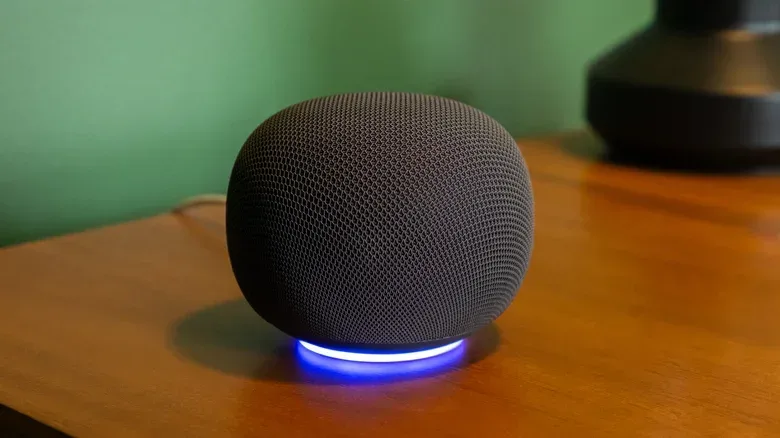
The recently released $99 Google Home speaker is the clearest budget-focused starting point in this group. Its central pitch is Gemini in the home: a voice-enabled assistant intended to handle requests away from a phone. It also functions as a smart-home control point, and Google offers subscriptions that can add functions such as sound detection and voice searching through video history.
Those optional services are separate from the core music proposition. Multi-room listening does not require a subscription beyond the listener’s own music-service plan. Google Home supports Spotify, Apple Music, YouTube Music, Amazon Music and other services, making it a comparatively flexible choice for households that do not want their speaker decision to dictate their streaming subscription.
The recently redesigned Google Home app handles initial setup, music-service selection, speaker groups and playback movement between rooms. Listeners can ask Gemini to play songs, albums or playlists, or cast compatible audio from a phone. Casting, in this context, means sending playback from a supported phone app to the speaker rather than relying only on a spoken request.
There is a meaningful compromise in the hardware. Google Home uses one 58mm full-range driver. A full-range driver is designed to cover a broad span of audio frequencies by itself. By contrast, the Era 100 uses two tweeters and a midrange woofer. Tweeters are dedicated to high frequencies, while a woofer or midrange woofer handles lower and middle frequencies. More specialized components, along with a larger enclosure, generally create more opportunity for louder and clearer playback.
That is why the $99 speaker should be understood as a casual-listening choice rather than a bargain substitute for larger premium speakers. The practical upside is scale: a buyer can place more speakers around the home for the same outlay. Two Google Home speakers can also be configured as a stereo pair for more volume in one room, and that pair remains available in the Google Home app alongside individual speakers elsewhere.
The biggest non-audio caveat is philosophical as much as technical: a Google account is required. Anyone actively trying to keep Google out of their home setup should cross this option off immediately, no matter how favorable its pricing appears.
Who should pick Google Home?
Google Home makes the most sense for a household that wants several affordable rooms of music, uses a mix of major streaming services, and is comfortable managing devices through Google’s app and account system. It is especially appealing when coverage and simple grouping matter more than maximum volume or speaker refinement.
HomePod mini fits an Apple-centered home, with a service caveat
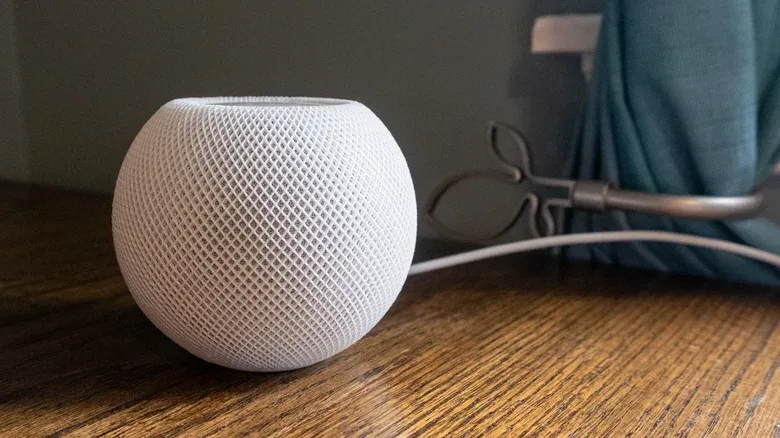
Apple’s $129 HomePod mini is the ecosystem-specific alternative. Its strongest argument is not a price advantage: it originally sold for $99, but its price was raised to $129 earlier this year. It is also nearly six years old, while reports have circulated for months that Apple may be preparing new home-oriented products. Neither point means the current model cannot do the job, but they are sensible reasons to avoid treating it as an obvious value pick for every buyer.
For people who predominantly use Apple devices, however, the HomePod mini’s AirPlay support is meaningful. AirPlay is Apple’s system for sending audio from compatible Apple devices to supported speakers. In an iPhone-focused household, that can make the speaker feel like a natural part of existing routines rather than another app-and-account island to maintain.
Multiple HomePod speakers can be set up for music control through voice or an iPhone, and the small speaker’s audio quality is described as solid for its size. But a buyer should investigate service compatibility before committing to a multi-speaker purchase. Siri works with only a limited set of music services, including Apple Music and YouTube Music. Spotify users are better served by another route.
This is a valuable reminder that voice assistant support and phone streaming are not interchangeable needs. A listener may be perfectly happy selecting Spotify on a phone, but someone who wants to say a song request aloud and have it work reliably needs a system aligned with that service. Buying three speakers first and discovering the household’s preferred music app does not cooperate with the voice assistant is an expensive way to add friction to a convenience product.
Who should pick HomePod mini?
The HomePod mini is for Apple-first households that value AirPlay, use compatible services such as Apple Music or YouTube Music, and want straightforward iPhone and Siri control. Its higher price versus Google Home and narrower Siri music-service support make it a less universal recommendation, especially for Spotify households.
Echo Dot Max is the lower-cost Alexa+ doorway
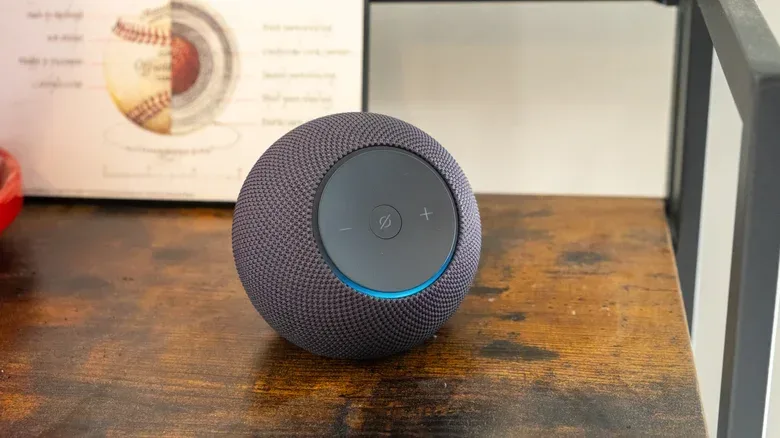
Amazon’s $119 Echo Dot Max supplies the Alexa-oriented choice. It is less than a year old and supports Alexa+, Amazon’s AI-powered voice assistant. Its physical and audio ambitions are in the same general range as Google Home and HomePod mini: it is not designed to deliver room-dominating premium-speaker sound, though it is a step above a smaller Echo.
Amazon has long supported multi-room playback through its Echo speakers and companion app, while also working with a broad selection of music services. That breadth is a notable contrast with the HomePod mini’s more limited Siri service integration. The Echo Dot Max’s price has increased by $20, and its audio quality has been characterized as disappointing compared with past Echo speakers. Still, its $119 price leaves it below the Era 100 and gives Alexa+ users a way to improve on a regular Echo Dot without heading into higher-end territory.
The case for it is therefore tightly focused. It is not the choice to make on the assumption that “newer AI” automatically means better sound. It is the choice for someone who specifically wants Alexa+ in a speaker network and wants the convenience of Amazon’s established approach to Echo multi-room control.
Who should pick Echo Dot Max?
Pick the Echo Dot Max when Alexa+ is the household’s preferred assistant and music-service flexibility matters. It is a practical ecosystem purchase, but shoppers focused primarily on audio quality should be realistic about the product class.
Why several tempting alternatives do not solve the budget problem
Many capable speaker products are not really low-cost alternatives once the price of building a system is considered. Denon’s Wi-Fi-enabled Home 200, 400 and 600 speakers are multi-room-capable, but the least expensive starts at $399. The company’s Home 150 NV costs $219 and has a feature set comparable to the Era 100 SL. Those options may deserve a look if the budget expands, yet they compete directly with Sonos rather than undercutting it.
Fender Audio’s Elie 6 and Elie 12 show another version of the mismatch. They are powerful portable speakers that can be grouped, offer Bluetooth and include four inputs, including a 1/4-inch XLR jack. XLR is a connector commonly used for audio equipment; the presence of that input signals flexibility for certain wired gear. But $300 for the Elie 6 and $400 for the Elie 12 puts both outside a value-led multi-room plan.
This is where a buyer should avoid confusing versatility with suitability. Inputs, portable construction and powerful output may be genuinely useful, but they do not replace a simple app, easy grouping and familiar voice control when the actual goal is music in several rooms.
A practical buying plan: choose the ecosystem before the speaker count
The sensible order of operations is not “buy the cheapest smart speaker, then figure it out.” Start with the phone platforms and music services that will actually control playback. Then choose the voice assistant, if voice control is important. Finally, decide how many rooms need sound now versus later.
- Name the primary music service. Spotify users should be cautious about a HomePod mini because Siri’s compatible-service list is limited. Apple Music and YouTube Music users have more reason to consider it.
- Decide whether voice requests are essential. If voice is secondary, app control and casting may matter more than assistant branding. If voice is central, stick with the platform already preferred by the household.
- Buy for the first useful layout. One speaker in the room that gets the most use is a reasonable starting point; add speakers only where synchronized playback would genuinely improve daily use.
- Use stereo pairing selectively. Two Google Home speakers can form a stereo pair in one room. That is useful where greater volume is needed, while individual units can serve other rooms.
- Account for the network. These systems depend on a stable home connection for setup, app control and coordinated playback. The same basic network discipline that helps connected gaming gear applies here; reliable Wi-Fi planning matters whenever several devices share a connection.
The budget multi-room category is strongest when treated as a convenience system, not a contest to replicate a higher-tier speaker for half the money. Google Home offers the lowest entry cost and broad service support, HomePod mini is tailored to Apple-friendly homes with compatible music services, and Echo Dot Max is the accessible Alexa+ option. Pick the ecosystem that causes the fewest daily arguments with phones, apps and playlists. The speakers are supposed to make the soundtrack follow you, not turn selecting an album into a side quest.
Shop the products
Check current price, model and availability at the retailer.