For tabletop players, miniature painters, dungeon masters and model railroad builders, a 3D printer has an obvious appeal: it promises an endless supply of terrain, tokens, storage bits and the occasional monster that somehow became essential to tonight’s session. The more useful question is less glamorous, though: does it really save money?
It can—but it is not automatic. A printer is a tool with an upfront cost, material costs, space requirements and a learning curve. The savings arrive when it repeatedly replaces purchases you would otherwise make, especially small, specialized plastic accessories that are expensive, unavailable individually or sold in quantities you do not need.
That makes 3D printing particularly relevant to gaming-adjacent hobbies. A dungeon table needs physical scenery. A model railway needs structures and details that fit a particular layout. A camera rig needs an oddly specific clamp. A drone owner may need a non-critical protective part after a rough landing. In each case, the appeal is not merely making a plastic object; it is making the right object in the required shape, size and quantity.
For players weighing a printer against buying finished gaming accessories, the most sensible approach is to separate the exciting possibilities from the break-even arithmetic.
Start with the basic 3D-printing math
Home 3D printers range widely in cost. An entry-level Creality Ender-3 V3 SE is cited at roughly $170, while more advanced systems can cost $700 or more. Common printer filament starts around $20 per kilogram. That does not mean every printed item costs only pennies, but it does establish why repeatable accessories can become economical.
A simple illustration makes the point. If a $170 printer and a $20 kilogram of filament together allow someone to produce 50 objects that would otherwise cost $10 each, there is a clear potential saving. The calculation is not a promise, because not every item will use the same amount of material or replace a $10 retail purchase. Still, it shows the underlying principle: a printer becomes financially persuasive through frequency of use, rather than through one ambitious project.
For a tabletop hobbyist, that means asking practical questions before browsing miniature files:
- Which pieces do I currently buy more than once?
- Would I print enough terrain, tokens, organizers or accessories to use the machine regularly?
- Can a printed part genuinely replace something I would have purchased?
- Do I have a suitable ventilated space for the printer?
- Would access through a library, maker space or print service make more sense than ownership?
The last point matters. Owning a machine is not the only route to using 3D printing. Some libraries and maker spaces provide access, while online services can print files for a fee. That can be a low-risk way to find out whether the hobby fits before buying hardware.
Related coverage includes Five Hobbies Where a 3D Printer Can Cut Accessory Costs.
What the technical terms mean for gamers
The phrase “3D printing” covers several processes, and the difference is important when deciding whether your goal is dungeon scenery or finely detailed character figures.
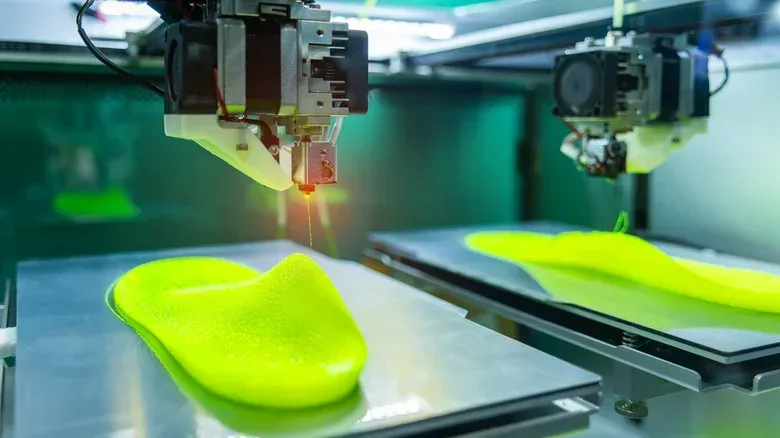
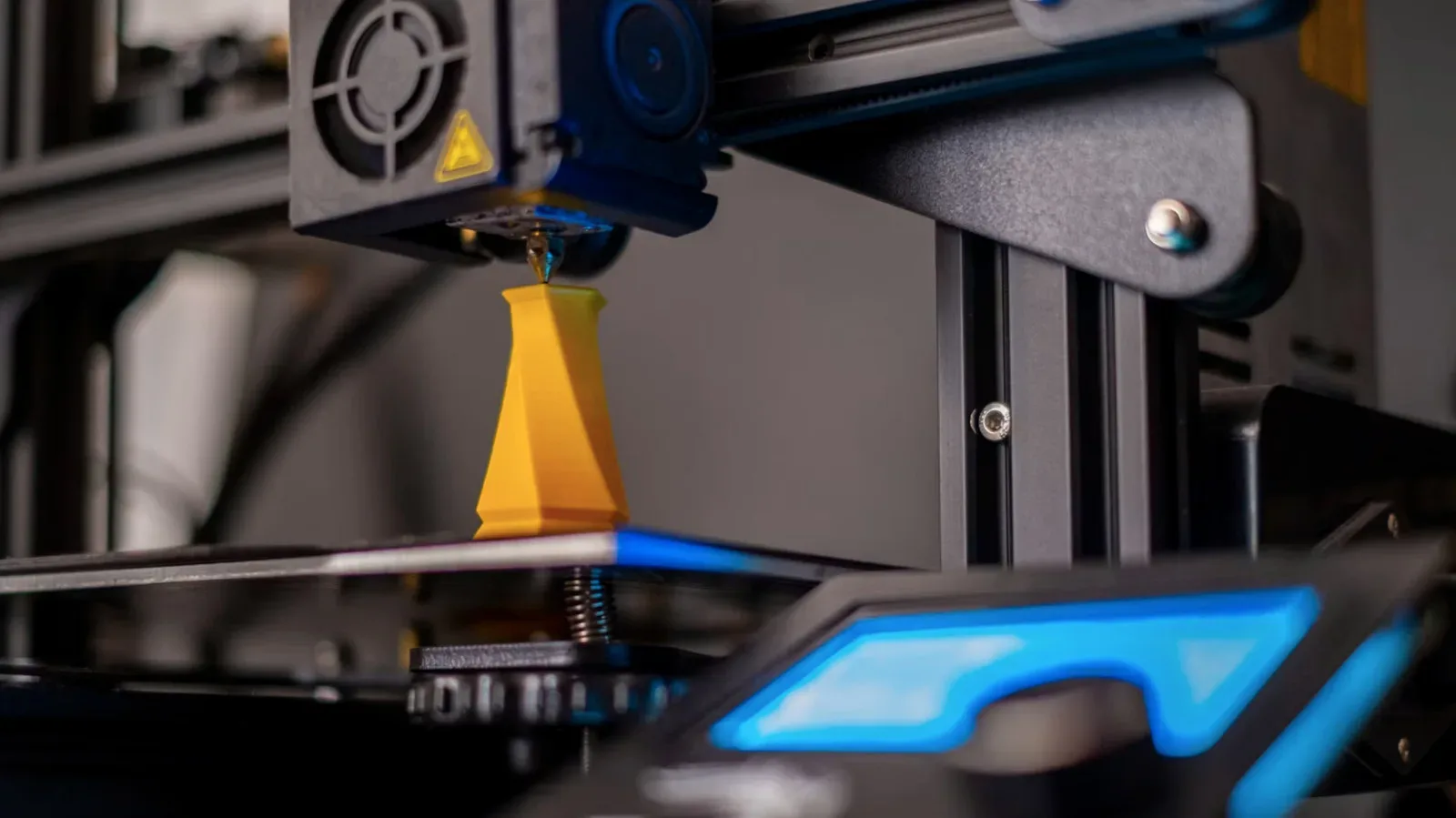
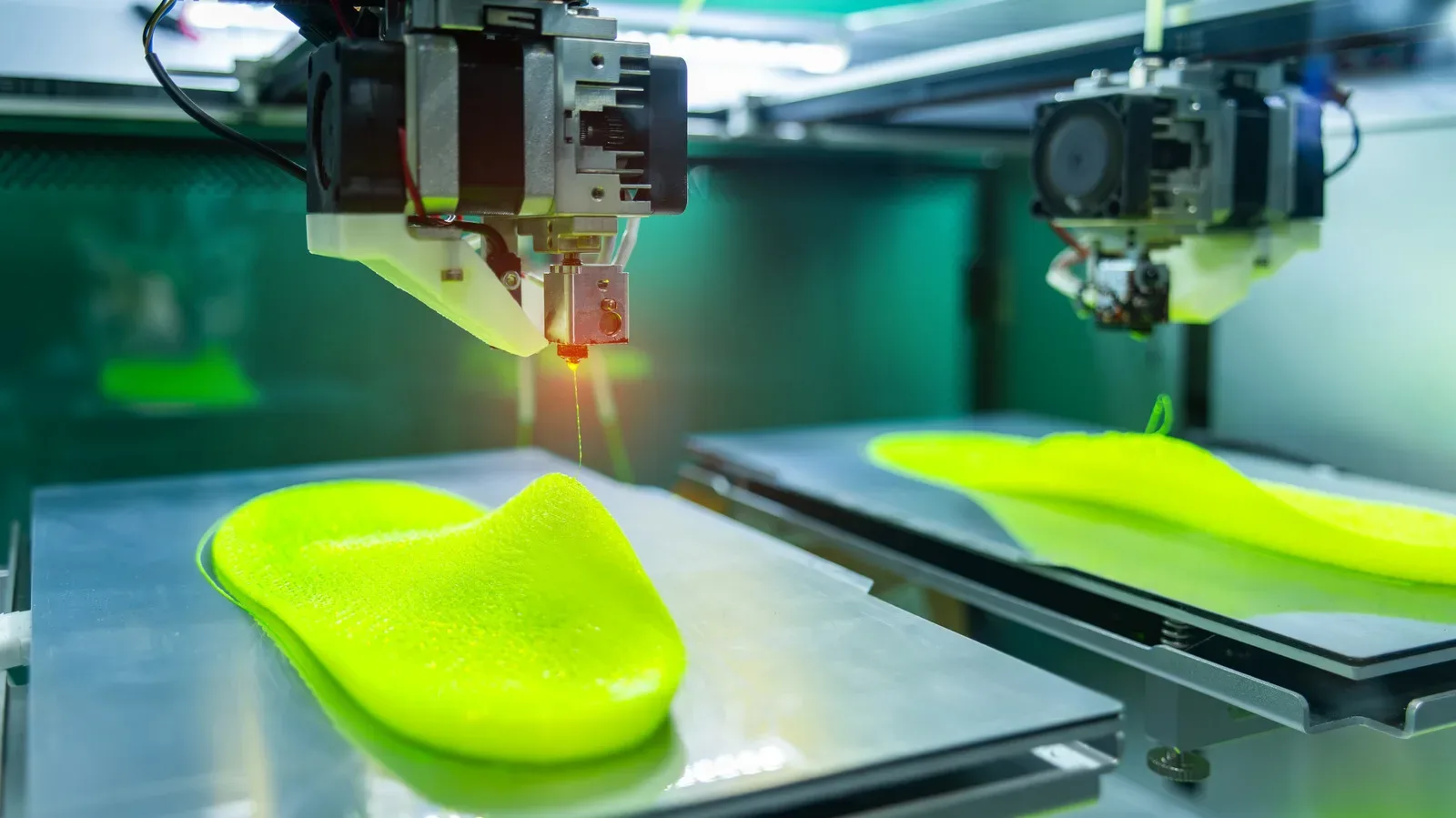
FDM, short for fused deposition modeling, is the common home-printer method. It feeds plastic filament—often PLA, or polylactic acid—through a heated nozzle and builds an object layer by layer. This is the central option for practical, larger and less detail-dependent pieces: terrain tiles, buildings, trees, dice accessories, organizers, mounts and many kinds of gaming-table scenery.
CAD means computer-aided design. It refers to the digital model that instructs a printer what to create. A hobbyist can download a model, find one in a library of printable files or create and alter a design themselves. The last option is a major part of the value proposition: changing a model lets a player create a piece that suits a particular table, scenario or storage problem rather than settling for a near match.
When fine miniature detail is the priority, the source material points toward resin-based printers. SLA is stereolithography and DLP is digital light processing; both are resin-printing approaches. SLS, or selective laser sintering, uses polymer powder. The significant distinction for a gamer is not the expanded acronym list—it is that FDM is positioned as the broadly practical choice, while SLA is the option to consider where fine detail matters.
That distinction should prevent a common mismatch of expectations. A player whose main goal is walls, ruins and useful table accessories may find an FDM machine well aligned with the job. Someone focused on highly detailed historically uniformed troops, character models or display-oriented figures may want resin-level detail instead. A printer that is excellent for a dungeon wall is not necessarily the ideal answer to every miniature need.
Tabletop terrain is where customization becomes the feature
Tabletop gaming, Dungeons & Dragons, scale modeling and model railroading are especially compatible with the idea of printing on demand. The printable possibilities include characters, monsters, buildings, trees and terrain. For model railways, the same process can add a siding or reproduce a desired logo for a layout.
The direct financial advantage is clearest with repeatable scenery and accessories. A campaign can call for multiple trees, structural pieces or terrain elements, and a printer can produce them without requiring the hobbyist to locate the exact commercial pack every time. The creative benefit is equally important: a printable file can be adjusted through CAD so an object fits a particular encounter, board footprint or railroad scene.
That does not mean every printable figure or building should be viewed solely as a bargain. The model itself, the material, the time involved and the skill needed to prepare a successful print all belong in an honest calculation. But terrain is a strong example of why printing can change the shape of a hobby budget. It favors objects that can be reused across sessions, made in quantity and adapted to a personal setting.
It also makes the physical game table feel more personal. Instead of a generic building serving as every tavern, shop and ruined tower, a group can produce distinct structures and scenery suited to its current adventure. The printer is not creating a game by itself; it is extending the range of props a group can reasonably make.
Dice, tokens and the small accessories that quietly add up
Gaming does not begin and end with miniatures. Small physical components are easy to misplace and easy to accumulate. A printer can be useful for functional pieces around the table, including dice-related items, markers, organizers and other accessories where an exact size or customized shape is helpful.
There is a practical charm to using a machine for the unglamorous objects. The monster that dominates the encounter may attract attention, but a small organizer or replacement token may be the print that gets used every week. Those repeat-use items are also more likely to support a real savings case than a single elaborate showpiece.
This applies well beyond the game room. The same FDM printer can make cable-management parts, wall mounts, small spare pieces and shelving for home-automation hubs. It can create housings or button mechanisms around NFC stickers, including a tap-to-connect Wi-Fi sign for guests. It can also produce a chassis for a Home Assistant touchscreen or a wall mount for a tablet. The point is not that every gaming household needs all of these things; it is that a printer’s value can be shared across several practical uses.
That broader use is important in the purchase decision. A machine bought only to print one category of gaming model has a narrower route to paying for itself than one used for terrain, storage solutions, smart-home fittings and other hobby repairs.
Other hobby uses reveal the same cost-saving pattern
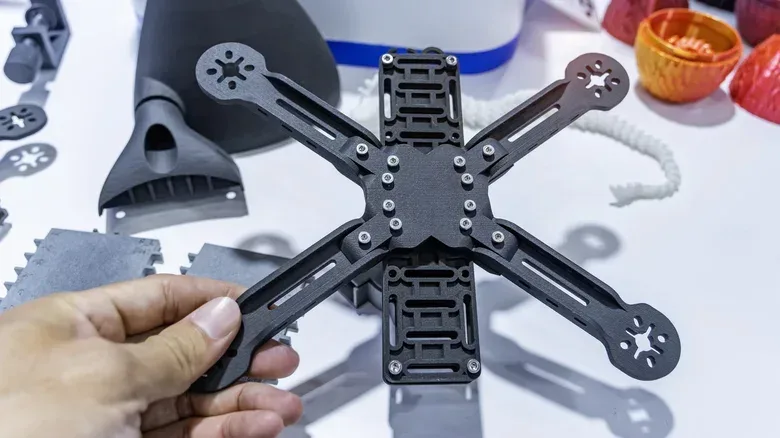
The tabletop case is part of a wider pattern. Drone and remote-control vehicle enthusiasts can print accessories such as camera mounts, antenna guards and arm protectors. These are examples of non-flight-critical parts that may be useful when a replacement would otherwise need to be ordered.
There is an important safety boundary: flight-critical parts, including propellers, should not be printed for an expensive drone unless the material, design and strength have been validated. A lower cost is not a substitute for confidence in a component’s performance. The same common-sense standard should apply wherever a printed object has a meaningful safety role.
Gardening and garage work offer another version of the same advantage. Printable garden items can include signs, clips, planters, soil dibbers and bird feeders. In a garage, possible projects include difficult-to-find interior pieces, broken knobs, tool organizers, wrenches and a multi-axis vise. These are particularly appealing when a replacement is unusually specialized or sold in a larger quantity than the user needs.
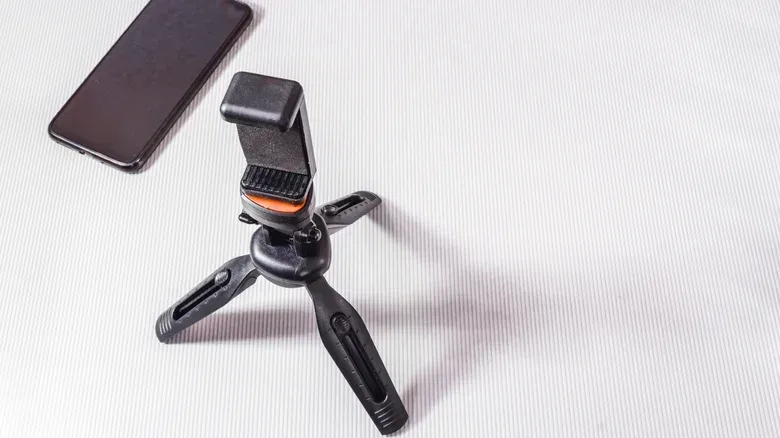
Photography and videography have similar opportunities. Lens caps, cable clamps and battery holders are replaceable accessories that can be frustratingly costly when purchased as branded parts. Printable options also include mechanical V-lock battery plates, microphone and lighting mounts, selfie handles and portable tripods. CAD customization is especially useful here because it can yield a single-purpose tool for a specific shot.
Across all of these hobbies, the lesson is consistent: the financial case is strongest when the object is small, specialized, non-safety-critical and needed repeatedly. That is a much sharper standard than assuming all printed plastic is cheap.
The overlooked costs: time, skill and setup
Filament and the purchase price are not the entire story. A prospective owner should consider how often the machine will be used, the skills required to work with it and its actual running costs. The best printing plan on paper can become poor value if the printer sits unused after a handful of projects.
Space is also a real requirement, not an afterthought. 3D printers need substantial ventilation, so a lounge or bedroom is not an appropriate place to run one. That physical constraint is part of the cost of ownership, even though it does not appear on a checkout page.
For gamers, this means the purchase should be driven by a list of projects rather than a general feeling that printed minis look cool. A useful first list could include terrain for a current campaign, a few ongoing table accessories, an organizer and one non-gaming repair or smart-home project. If the list feels thin, borrowing time on somebody else’s machine or using a maker space is likely the more sensible opening move.
For more gaming technology context, see our look at gaming VPNs, low-ping priorities and console setup.
A printer is most valuable when it solves recurring problems
The best reason to own a 3D printer is not that it can make almost anything. It cannot, and not every model, part or accessory is a wise printing project. Its meaningful advantage is the ability to produce a needed object on demand—especially when retail versions are costly, overly specialized, unavailable at the right moment or sold in inconvenient bulk.
For tabletop players, that may mean customizable terrain and game accessories. For miniature-focused creators, it may point toward a resin setup when small-scale detail is crucial. For someone who only occasionally wants a particular token or model, shared access can deliver the benefit without turning printer ownership into another hobby itself.
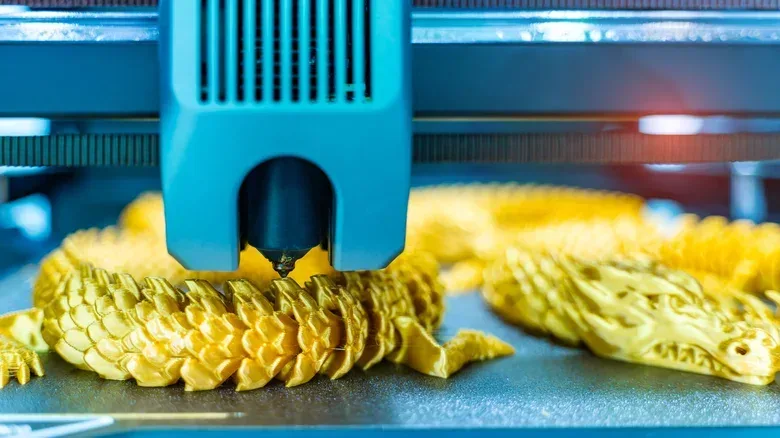
So the verdict is conditional but encouraging: a 3D printer can reduce accessory costs, particularly across several hobbies, provided it gets regular use and the owner plans around its material, skill and ventilation demands. Buy it to solve a repeated problem—not because a single dragon print rolled a natural 20 on your imagination.