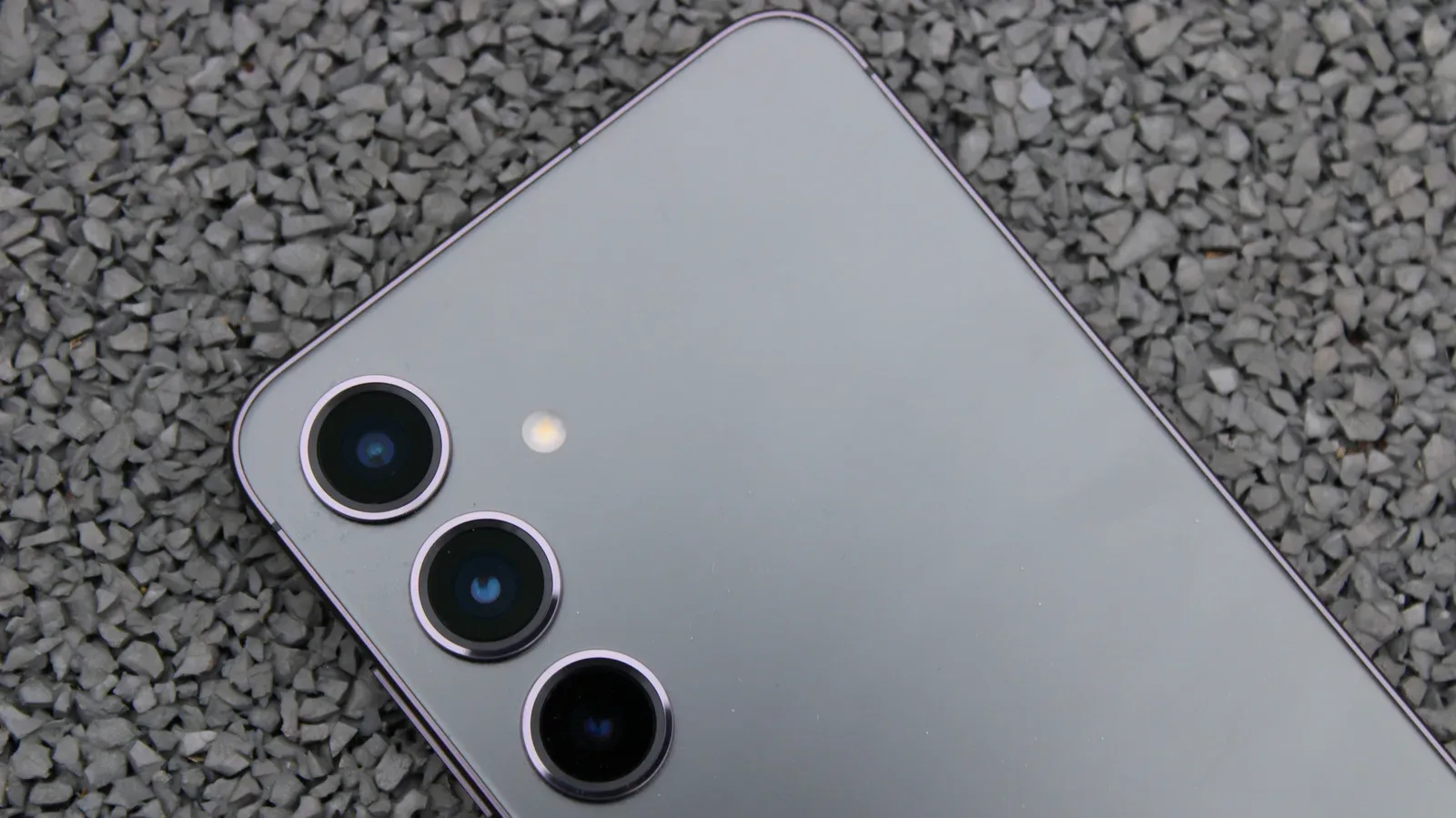
“Gaming phone” is an appealing label, but it is not a useful shortcut on its own. Android handsets can arrive with dramatic styling, attention-grabbing feature names and a long list of numerical claims, yet the important question is much simpler: can the phone run the games you play smoothly, keep doing so when it gets warm, and last through the sessions you actually have?
That makes an Android gaming purchase a question of priorities rather than a search for one particular kind of device. A phone does not need to be sold specifically as a gaming model to be a strong choice for games. Conversely, a device’s gaming-focused presentation does not replace the fundamentals. The core areas to inspect are the processor, RAM, thermal management, display and battery.
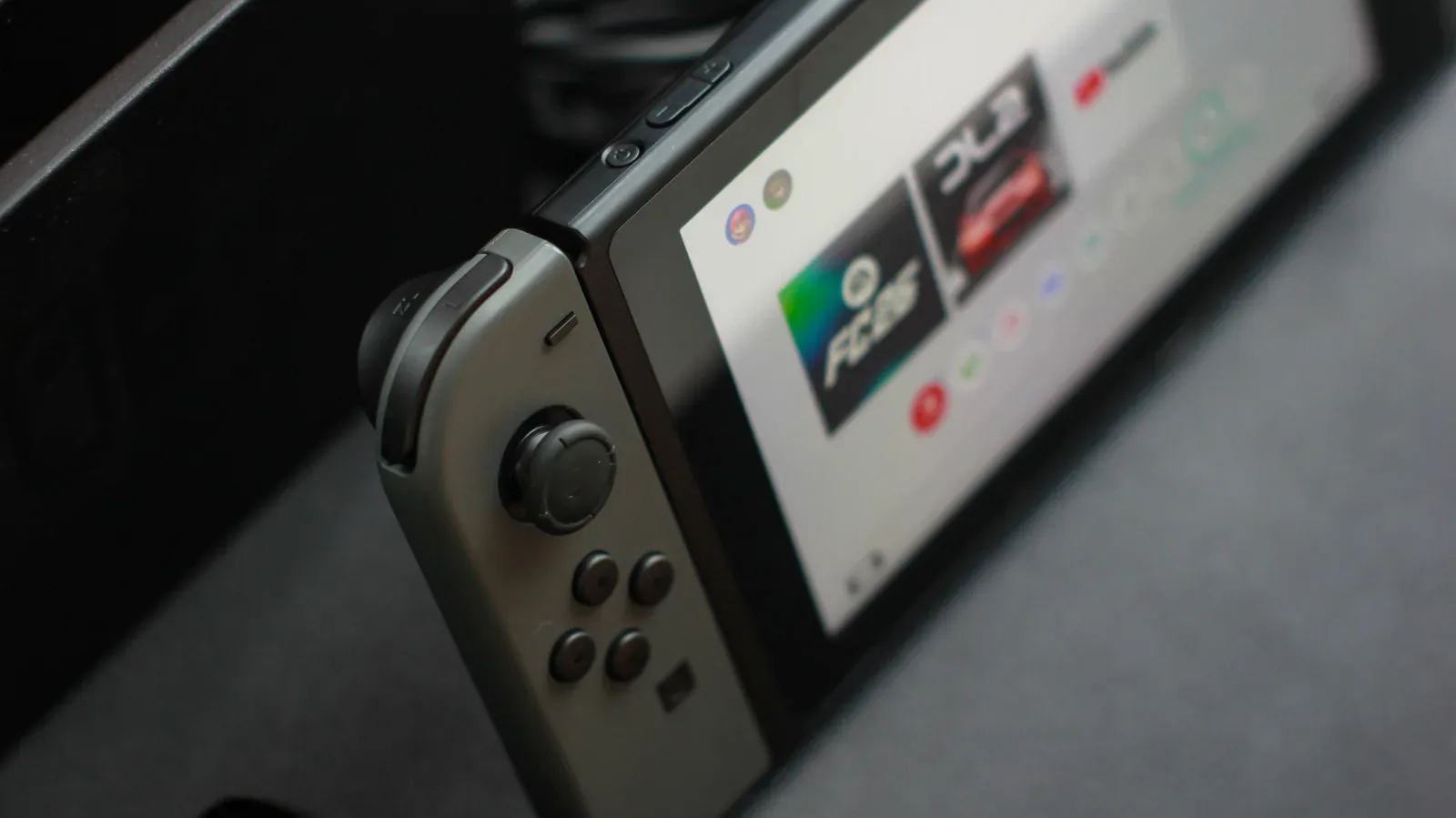
There is a useful broader buying lesson here. Product labels can describe a market category, but specifications and the way they work together describe capability. The same principle applies when weighing whether older hardware remains worthwhile at the right cost, as in this guide to buying an original Nintendo Switch at the right used price. For an Android phone, the goal is to identify the specifications that affect play rather than paying attention only to the badge on the box.
Start with the chipset: the performance foundation
The processor is the first specification to check because it is the central component that determines how much gaming work the phone can handle. It may be listed as a processor, chipset or SoC. SoC means system-on-a-chip: a single package that includes key processing components, including the CPU and GPU.
The CPU, or central processing unit, handles general computing tasks. The GPU, or graphics processing unit, is particularly important for producing game visuals. Together, these components have a direct bearing on whether a game can use higher graphics settings, how consistently it can maintain its frame rate and how well it holds up when the on-screen action becomes busy.
Frame rate is commonly expressed as fps, meaning frames per second. A higher, stable rate generally makes movement appear more fluid. Stability matters just as much as a high peak number: a phone that reaches an impressive frame rate briefly but drops sharply during demanding moments may feel less satisfying than one that maintains a lower rate consistently. That is why the chipset is not merely one line on a spec sheet. It establishes the performance headroom available for games.
At the high end of Android hardware, the Snapdragon 8 Elite series is positioned as best in class, with MediaTek’s Dimensity line following it. Brand recognition alone is not enough to make a decision, however. Both companies produce chips for flagship, midrange and budget Android phones. A prospective buyer should therefore identify the exact processor in the phone under consideration, rather than assuming that every device from one chip maker belongs in the same performance tier.
Practical implication: make the chipset the first comparison point between phones. If a buyer wants demanding graphics, consistently high frame rates or reduced lag in intense sequences, processor performance deserves priority over cosmetic gaming features. A phone marketed more modestly but equipped with a stronger chip may be the more meaningful gaming upgrade.
RAM helps a game stay ready in the background
RAM is the next major factor. RAM, or random-access memory, is short-term working memory. It lets the phone keep information close at hand while the device is running. In a game, that can include textures, large assets such as maps and audio data.
Its value is easiest to understand during an interruption. A player may switch away from a game to answer a message and then return. If the game needs to load again from the beginning or from a previous state, available RAM can be part of the reason. With sufficient memory, the phone is better able to retain the game’s active data instead of forcing it to be loaded again from storage.
Reloading is slower and consumes additional resources. When RAM is insufficient, the device may repeatedly move data in and out as it tries to keep up. That can surface as stutters or inconsistent performance. This is especially relevant to games that use large maps, detailed texture data or substantial audio assets, but it also matters to anyone who regularly multitasks on a phone while playing.
For Android gaming, 8GB is a sound middle ground. A phone with 12GB or 16GB is a more ideal target when the budget allows. The distinction is not that a game suddenly becomes playable only at one of those figures. Rather, more RAM gives the operating system and game more room to keep active information available, reducing the pressure to reload data during use.
Practical implication: buyers who usually close everything else before launching a game may find 8GB a sensible balance. Those who want to jump between games, messages and other apps with fewer interruptions should give extra weight to 12GB or 16GB. RAM is not a substitute for a capable chipset, but it supports the experience that chipset is trying to deliver.
Cooling determines how long fast performance can last
Raw speed is only part of the story. Fast components create heat, and heat changes how a phone must behave. To avoid overheating, a device can reduce performance as temperatures rise. This behavior is known as thermal throttling.
Thermal throttling is not mysterious: it is a protective response. The practical gaming consequence is that a phone may begin a session performing well, then deliver less consistent results over time as it becomes hotter. For players whose sessions are brief, this may be a minor concern. For long play sessions, sustained performance is often more important than an early burst of speed.
That is why thermal management deserves equal attention alongside processor power. Thermal management refers to the phone’s approach to moving and controlling heat so its components can continue operating effectively. A well-managed device can retain its intensity for longer, with less significant throttling during extended play.
A vapor chamber is the strongest sign that a phone takes cooling seriously. A heat sink can also provide cooling support. Some dedicated gaming phones go further with built-in fans. These details do not change the underlying need: a powerful chipset needs a credible way to deal with the heat it produces if the phone is expected to game for hours.
Practical implication: do not evaluate a phone’s gaming potential solely from its fastest component. For long sessions, the pairing of processor and cooling is the meaningful unit of comparison. Strong hardware without effective thermal management may have less endurance than the spec list suggests.
Understand the two display numbers that affect play
Displays contribute to gaming in two distinct ways: how motion looks and how quickly the screen registers input. These are commonly described through refresh rate and touch sampling rate. They are related to responsiveness, but they measure different things.
Refresh rate is expressed in hertz (Hz), and describes how often the display updates each second. A higher refresh rate can make moving images and in-game action look smoother. It also establishes the upper limit for the frames per second the display can show. A 120Hz display, for example, has a ceiling of 120 displayed frames per second.
For most buyers, 120Hz is enough and is now common enough that it should not be unusually difficult to find. A 90Hz screen can still perform well, though movement will not appear as smooth as it does at 120Hz. Dedicated gaming devices can reach 144Hz or 165Hz, but these higher figures should be read as an upper ceiling, not a guarantee that every game will run at that rate. The game, the chipset and the phone’s sustained thermal performance all still matter.
Touch sampling rate concerns input rather than image updates. It describes how frequently the display checks for touch input. A higher rate can make a device feel more responsive to taps, swipes and other screen controls. This has particular appeal in competitive shooters such as Call of Duty Mobile and PUBG Mobile, where quick reactions can matter.
A 240Hz touch sampling rate is a useful starting point. Some gaming phones advertise figures as high as 960Hz. As with refresh rate, the number is meaningful because it identifies a potential level of responsiveness, but it should be weighed in the context of the buyer’s games and priorities rather than treated as a standalone verdict.
Practical implication: 120Hz is the sensible display target for most people. Players focused on competitive touch-controlled shooters have a stronger reason to compare touch sampling rates, beginning at 240Hz. Players who value smoother everyday movement and game motion should focus first on refresh rate.
Battery capacity is the session-length spec
The final essential is battery capacity. Gaming draws heavily on a phone because it places sustained demands on the processor, graphics hardware, display and touch system. A device that has the performance to run a game is not automatically a good fit for someone who intends to play for extended periods away from a charger.
Battery capacity is measured in mAh, short for milliampere-hours. It is a capacity figure, and 5,000mAh is a reasonable baseline for an Android gaming phone. Many devices sit around that level.
Dedicated Android gaming phones increasingly ship with 7,000mAh batteries. Some newer high-end models reach 10,000mAh without becoming excessively bulky, aided by silicon-carbon battery technology. That development makes capacity a particularly useful field to compare for buyers who expect lengthy sessions.
Capacity should still be understood as one part of the overall picture. A high-capacity battery clearly gives a phone more energy to work with, but gaming use also depends on the workload created by the game and the phone’s components. The useful purchasing question is direct: how long does the buyer need the phone to game between charging opportunities?
Practical implication: 5,000mAh is a reasonable floor for general gaming needs. People planning frequent long sessions should look more closely at 7,000mAh and above, particularly when portability and endurance need to coexist.
A sensible order for comparing Android gaming phones
Comparing every advertised number at once is an easy way to get lost. A clearer method is to rank specifications by the kind of experience they enable:
- Check the exact chipset first. It is the basis for graphics settings, frame-rate potential and performance when games become demanding.
- Check RAM next. Target 8GB as a middle ground, with 12GB or 16GB offering a more ideal cushion for keeping games and their assets ready.
- Look for credible cooling. A vapor chamber is the clearest signal of serious thermal design; heat sinks and, on some gaming devices, built-in fans also matter.
- Choose the display for your play style. 120Hz suits most players; 240Hz touch sampling is a useful starting point for those who place a premium on competitive touch response.
- Match battery capacity to session length. Begin at 5,000mAh, then consider larger 7,000mAh or 10,000mAh options for more demanding endurance needs.
The most useful Android gaming phone is therefore not necessarily the one with the loudest gaming identity. It is the one whose processor, memory, cooling, display and battery align with the games a person plays and the way they play them. Reading those five areas carefully turns a crowded field of marketing claims into a much more manageable decision.