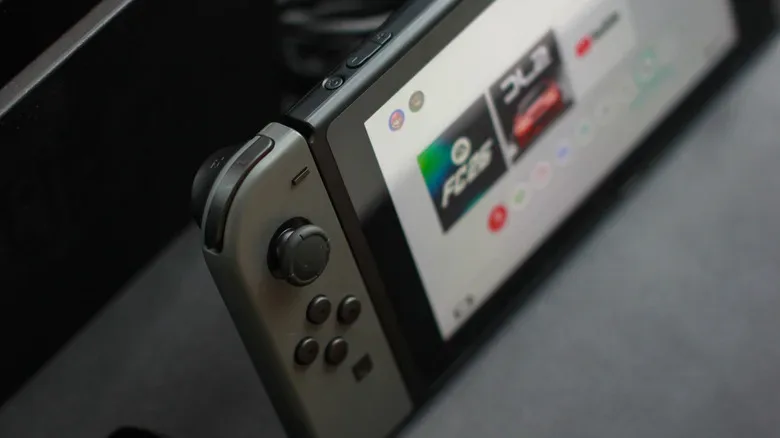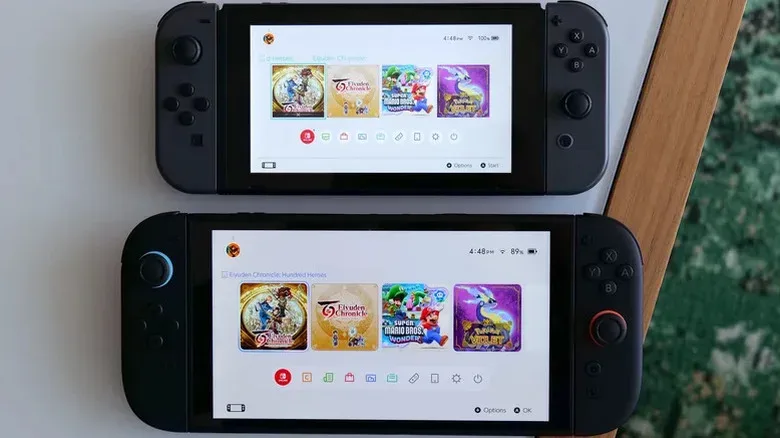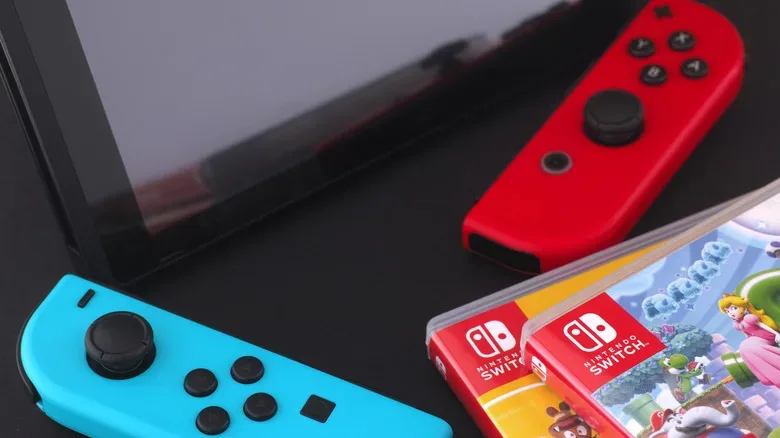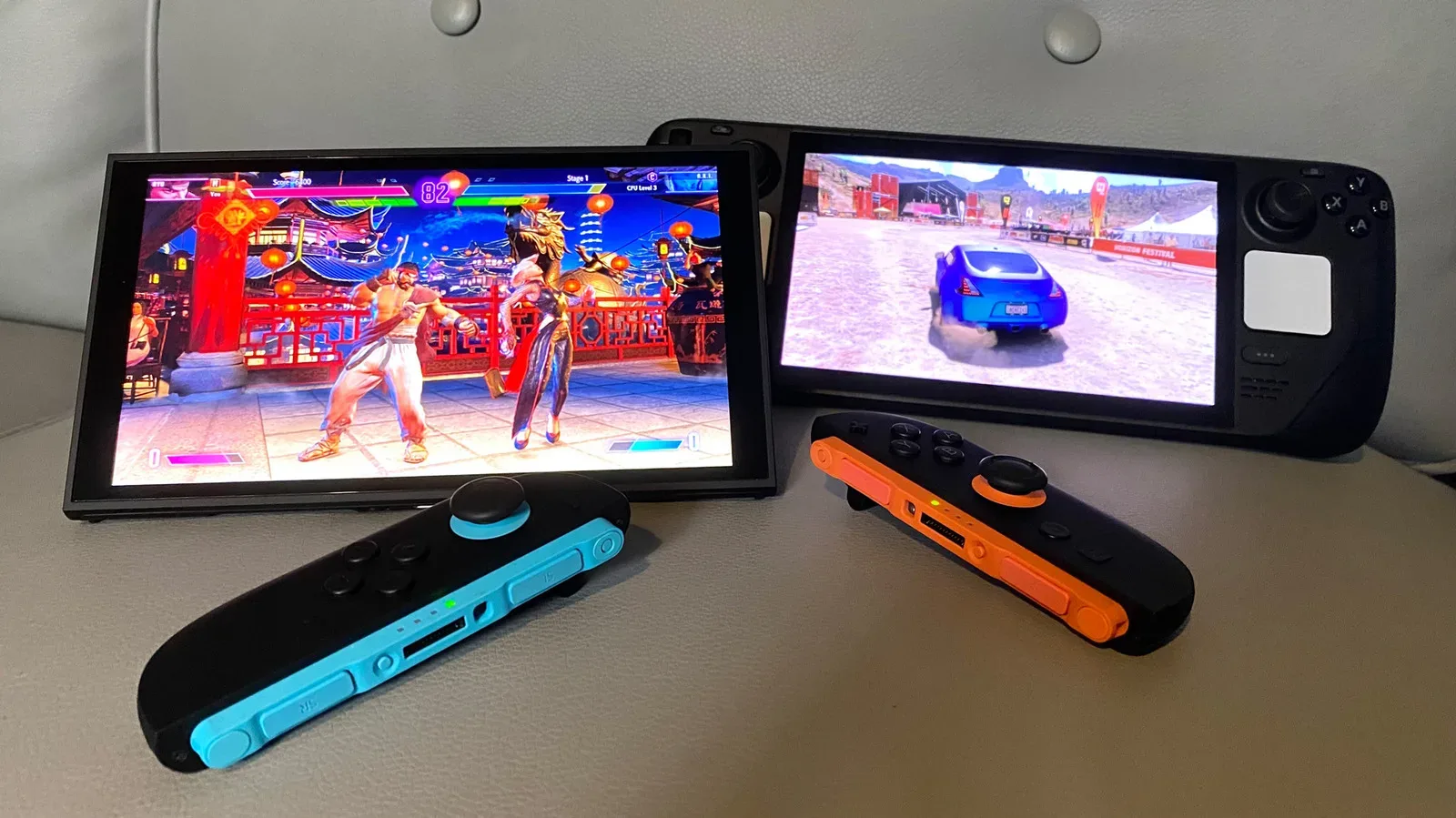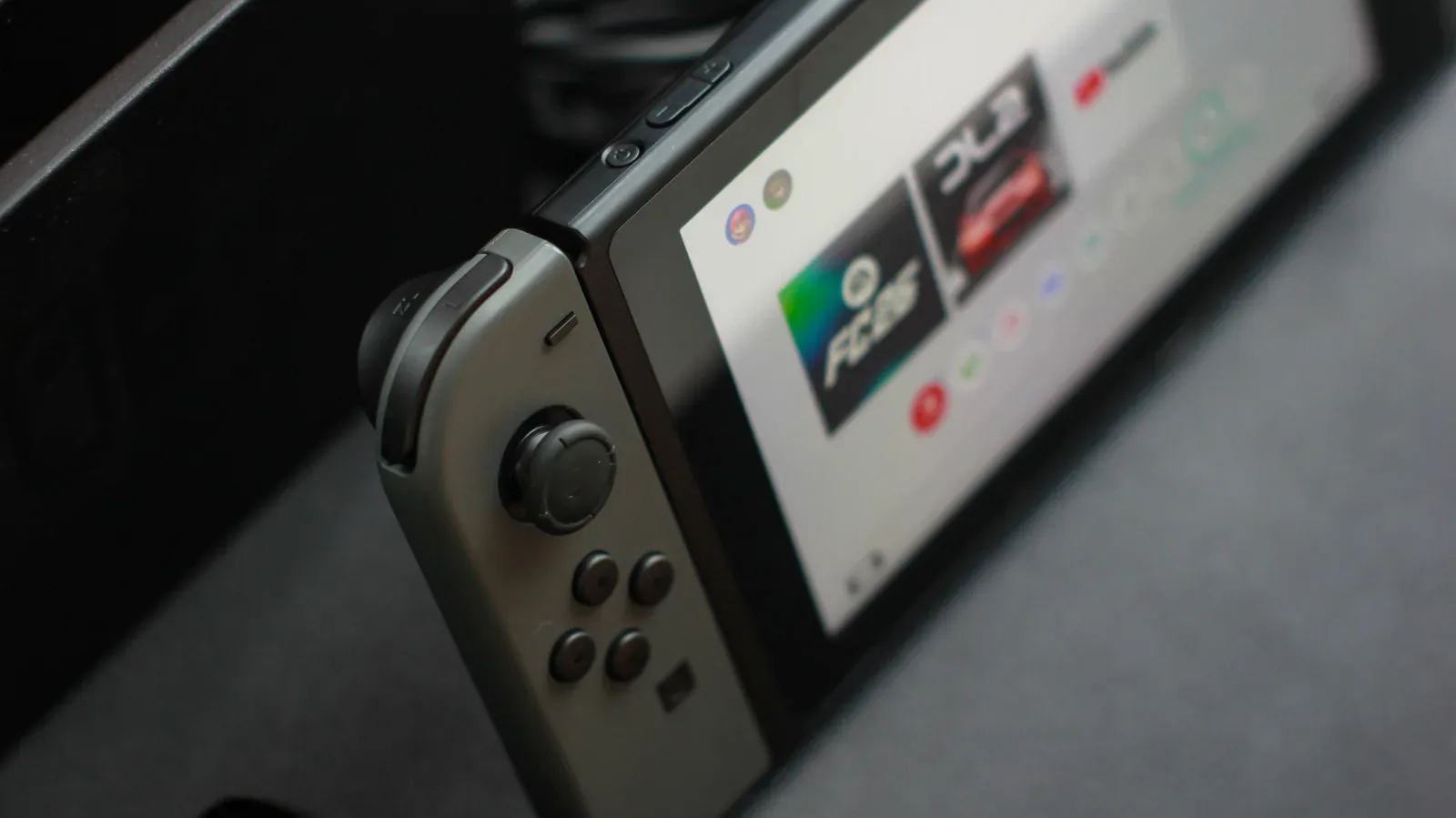
The original Nintendo Switch is nine years old, which is ancient in console years but not remotely the same thing as obsolete. It still has a vast library across Nintendo releases, third-party games and indies; Nintendo says the eShop, Nintendo Switch Online and other Switch services will remain available for the “foreseeable future.” For somebody who wants access to that catalogue without spending heavily, an older Switch can still be a sensible buy in 2026.
The important qualifier is price. The standard Switch is listed at $339.99, Switch OLED at $399.99 and Switch 2 at $499.99. At those new prices, the gap between old and new hardware is narrow enough that the original machines become hard to recommend as fresh purchases—especially the OLED. On the used market, though, a standard Switch at roughly $200, an OLED around $250, or a Switch Lite around $170 creates a very different calculation.
That is not simply a question of finding the lowest number. A buyer is choosing between an inexpensive, mature platform with known limits and a newer platform that plays original Switch games while receiving newer exclusives and technical improvements. The right answer depends on whether the purchase is about catching up on existing games, playing mostly handheld, using a TV, or keeping pace with forthcoming releases.
Why buying new points strongly toward Switch 2
For a buyer determined to purchase a new console, Switch 2 has the clearest long-term argument. It supports original Switch games, so choosing it does not shut the door on the previous system’s library. Compatible digital Switch games already owned can also be downloaded and played on Switch 2 later. That backward compatibility matters because it makes the newer machine both a current platform and an entry point to much of the older one.
It also has its own expanding software line-up. Splatoon Raiders is a Switch 2 exclusive, while Fire Emblem: Fortune’s Weave is due September 17 and Metroid Ravenous is slated for January 2027. Those names illustrate the growing divide: some new games are no longer shared between generations. Third-party publishers, too, are increasingly treating the original Switch as a prior-generation device.
There is a performance and presentation angle as well. Switch 2’s Handheld Mode Boost allows supported original Switch games to operate as though they are in TV mode even when the newer console is being used portably. In simple terms, a game that had to make compromises in original Switch handheld mode may deliver a clearer image on Switch 2 in the same use case. Some titles also receive free Switch 2 updates, while paid upgrade packs can add visual or performance improvements.
These distinctions do not mean every old Switch game suddenly becomes a different game, and support is explicitly game-dependent. They do mean the newer hardware has room to improve the experience beyond merely launching the old software. A buyer who wants one Nintendo console for the years ahead is therefore paying for access to current exclusives, compatibility with the old library and potential enhancements to that library.
The $499.99 price is still substantial. Yet compared with $399.99 for a brand-new Switch OLED, the extra $100 buys a much clearer forward path. That makes the new OLED an awkward middle choice: it has a premium handheld screen, but it does not receive Switch 2-only games or the new machine’s compatibility enhancements.
The OLED’s real advantage is handheld image quality
The Switch OLED should not be dismissed as identical to the standard model. It has a 7-inch OLED screen, and OLED refers to a display technology in which pixels emit their own light. In practical terms, that allows higher contrast and deeper black levels than a conventional LCD display. That can be particularly meaningful in dark scenes, colourful art styles and games played in dim rooms.
It also has a Nintendo-estimated battery range of 4.5 to nine hours, compared with two to 6.5 hours for Switch 2. For people who use a console almost entirely away from the TV, longer quoted battery life and the stronger contrast of the OLED panel are tangible benefits. Switch 2’s LCD does not match the OLED model’s black levels.
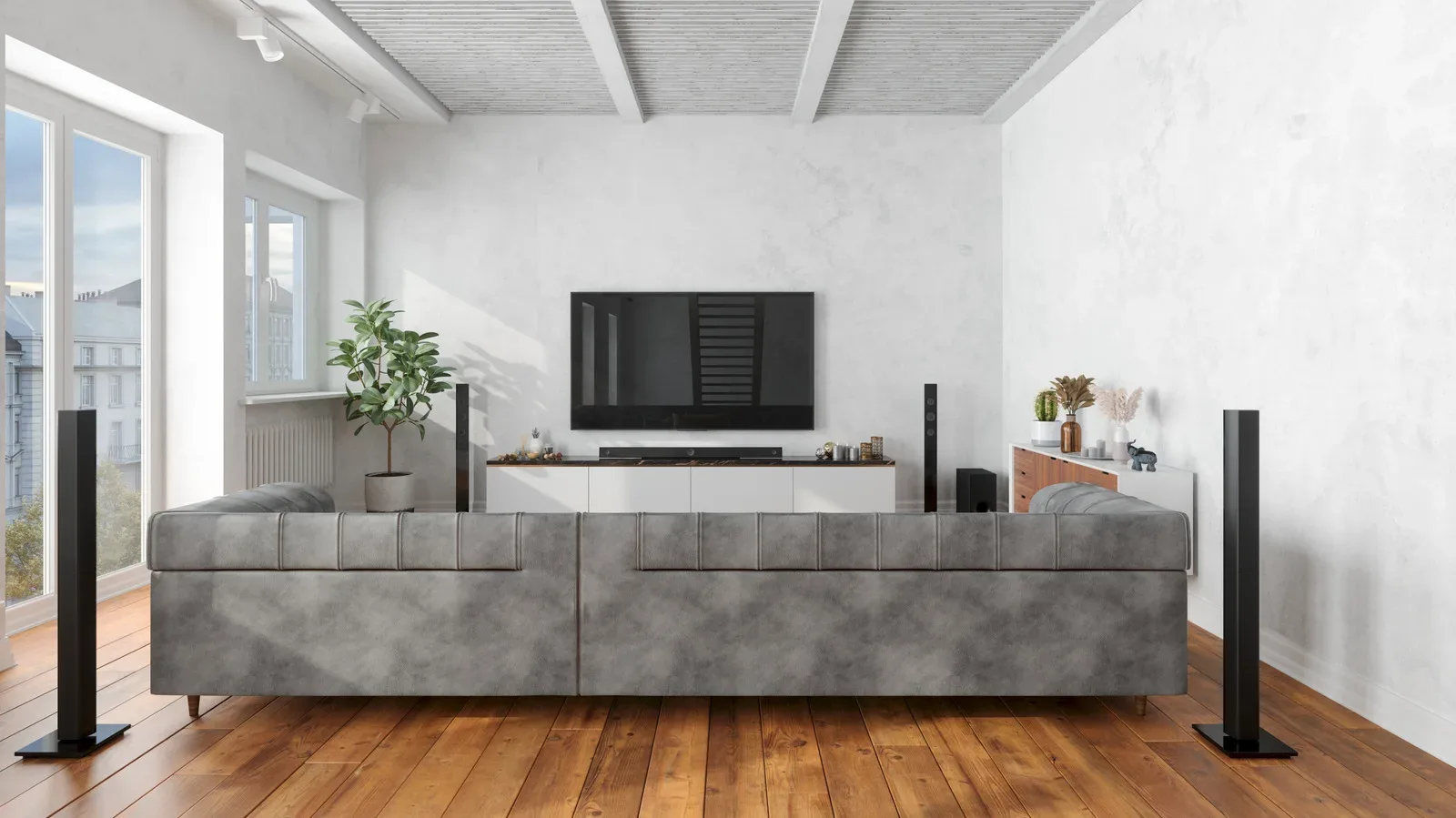
But this is a strength with a very specific use case. If the console will live in a dock, its built-in screen is largely irrelevant. In that scenario, spending $399.99 on the OLED means paying more than the $339.99 standard Switch for broadly the same performance. Anyone building a TV-centred setup should think carefully before treating “OLED” as an automatic upgrade. Improving the room’s audio setup can be more useful than paying for a handheld panel that will rarely be seen; these home surround-sound fixes offer a separate checklist for that side of the setup.
Used hardware is where the original Switch becomes persuasive
At used pricing, the original Switch has a much more coherent identity. Around $200 for a standard system is far removed from $499.99 for Switch 2. At roughly $250, a used OLED costs more, but its price premium is easier to justify for a person who will actually use the 7-inch OLED display. The Switch Lite, available pre-owned for about $170, can be the lowest-cost route in for dedicated handheld players.
The Lite’s limitation is fundamental, not a small accessory omission: it cannot connect to a TV. It is for someone who knows portable play is the whole plan. A prospective buyer should not see the lower price and assume a dock can be added later to create the standard Switch experience.
At those lower prices, a used original Switch is not really competing feature-for-feature with Switch 2. It is competing as a library machine. Nine years of games can sustain a player for a long time, and the original system remains capable of playing the software that defined its generation. Someone interested in existing Nintendo games, smaller independent releases or a backlog does not necessarily need a new exclusive immediately.
Bundles can strengthen that value proposition. Physical games and useful accessories have real, transferable value when included with a used console. Installed digital games should not be treated the same way. They remain tied to the seller’s Nintendo Account, so they should add little or nothing to a buyer’s valuation. This is an easy mistake to avoid: pay for the hardware and any items that can legitimately transfer, not a digital library attached to someone else’s account.
A note for physical-game buyers
There is also a modest appeal for players who prefer traditional physical media. Some Switch 2 releases use game-key cards, cards that do not contain the full game data and require a download before play. The card can still be loaned or resold, but it does not offer the same self-contained feeling as a standard Switch cartridge containing the whole game. That does not make the older console universally better for physical games, but it is a valid preference for a buyer who values a cartridge that carries the complete game data.
Used Switch checklist: revision, controls and charging
A bargain is only a bargain if the system works properly. Used-console buyers should verify the model revision before making a decision, particularly when shopping for a standard Switch. A serial number beginning with XKW identifies the newer revision, rated by Nintendo for 4.5 to nine hours of battery life. An older XAW revision is rated for 2.5 to 6.5 hours. The difference is significant for portable play, so listings that just say “original Switch” are not detailed enough for a battery-conscious buyer.
Whenever possible, test the system before money changes hands. The core inspection list is short but consequential:
- Joy-Con sticks: Check that inputs register correctly and that the cursor or character does not move when the stick is untouched. Stick problems can undermine both handheld and docked play.
- USB-C port: Confirm that the console charges reliably. This port is soldered to the system, making its condition especially important.
- Screen: Inspect it while powered on, not merely while it is black and reflective. Look for obvious faults that affect normal use.
- Dock and charger: If they are part of the sale, make sure the console charges and functions with them. A docked player should verify the full TV setup rather than assume included equipment works.
- Battery expectations: A system’s original rating is not a promise of current endurance. Nintendo estimates the battery will retain about 80% of its original capacity after roughly 800 charge cycles.
The battery figure gives useful context rather than a precise health reading for any individual unit. Charge cycles and age both make condition relevant, which is why an in-person test or a return policy carries genuine value. A seller’s claim that a console “holds a charge” is less useful than seeing how it behaves under ordinary use.
Repairability should shape the price, too
The original Switch is not especially friendly hardware to repair. iFixit rates it 4 out of 10 for repairability, citing the glued-in battery, soldered USB-C port, and absence of official replacement parts and repair instructions. A glued-in battery is harder to replace cleanly than one designed for straightforward removal, while a soldered charging port is not a casual swap.
This does not mean every used Switch is a risky purchase. It means condition should not be treated as an afterthought, and a very cheap system with charging trouble or weak battery life may be less economical than it appears. The purchase price needs to leave room for the possibility that aging hardware presents issues that are difficult or costly to address.
Who should buy which Switch in 2026?
Buy Switch 2 new if new releases, Switch 2 exclusives and the longest possible runway matter most. Its support for original Switch games reduces the compromise, and its price is easier to rationalize than a new OLED once the $100 gap is considered.
Buy a used Switch OLED if handheld play is central, its screen quality matters to you, and the used price stays meaningfully below Switch 2. Its high-contrast 7-inch OLED display and longer quoted battery range remain persuasive strengths.
Buy a used standard Switch if your goal is the existing library at the lowest sensible cost, especially if you will split time between TV and handheld play. Prioritize the XKW revision where battery life is important, and test every key component.
Buy a used Switch Lite only if you are committed to handheld play and accept that TV output is not part of the deal. At around $170 pre-owned, it is the budget entry point, not a discounted all-purpose Switch.
The original Switch is still worth buying in 2026, but its value now comes from being affordable used hardware with a deep established catalogue—not from matching Nintendo’s current platform. New buyers should see Switch 2 as the more durable choice. Used buyers who inspect carefully, avoid paying extra for account-bound digital games and choose the model around how they actually play can still get an excellent deal from the older family of systems.