Apple appears to have substantially expanded a small but genuinely useful iCloud Mail feature: the number of email aliases available to each user. The limit at iCloud.com now appears to be nine aliases, up from the previously stated maximum of three.
That is a threefold increase for people who prefer to keep different parts of their online lives separated without maintaining a stack of entirely separate inboxes. The change has been spotted by users and is currently live on iCloud.com, but Apple has not publicly announced it. Its iCloud user documentation still describes the maximum as three aliases, leaving a mismatch between the apparent live limit and the written guidance.
For now, the sensible reading is that the expanded allowance is active, while its long-term status has not yet been formally clarified. It could theoretically be a test, although a live increase in account-level capacity looks more like a quiet rollout than a temporary experiment.
What an iCloud Mail alias is
An email alias is an additional email address connected to an existing mail account. It is not the same thing as creating a wholly separate iCloud account, and it should not be confused with a forwarding service or a disposable address. The practical purpose is organization: an alias can give someone a distinct address for a particular category of sign-ups or communication while keeping mail tied to their main iCloud Mail setup.
That distinction matters because an alias makes it easier to preserve a degree of separation without turning email management into a multi-account log-in ritual. One address might be reserved for close contacts, another for newsletters, and another for stores, online services, or a community project. With nine slots rather than three, that approach becomes less of an exercise in choosing only the three most important uses.
The expansion is especially relevant to people whose email addresses are scattered across years of game accounts, publisher newsletters, wishlists, beta registrations, hardware services, tournament organizers, Discord-adjacent communities, and storefront receipts. None of those uses requires nine aliases by itself. Together, though, they show why three can be restrictive.
Why nine is a more meaningful number than it looks
Email aliases are a modest feature on a settings page, so this is not the kind of change likely to make anyone rush to their browser. Still, limits shape behavior. At three aliases, users are encouraged to treat them as rare, permanent addresses and avoid experimentation. At nine, it is possible to assign roles more deliberately.
A user could, for example, keep one alias for game-related retail accounts, one for competitive or community activity, one for newsletters and promotional mail, and one for personal correspondence that is shared selectively. The point is not that everybody needs such a system. It is that users who do value compartmentalization now have room to build it without immediately consuming the entire allowance.
There is also a useful administrative angle. When a particular type of sign-up begins producing unwanted mail, an address dedicated to that category gives the account holder a clearer signal about where it was used. An alias is not a cure-all for spam, and it does not replace careful account-security habits. But separating address usage can make an inbox easier to understand and maintain.
Aliases are not a substitute for account security
The privacy and organizational advantages of aliases should not be overstated. An alias can reduce the need to share one primary address everywhere, but it does not turn email into an anonymous or invulnerable system. Users should still use strong, unique passwords and whatever account protections are available to them.
Likewise, aliases are best approached as durable organizational labels rather than as throwaway addresses for every single service. A dedicated address for gaming purchases or event registration can be helpful. Creating a new permanent alias for every minor promotion is likely to recreate the clutter that aliases are meant to reduce.
The most practical setup is usually simple: use only as many addresses as can be remembered and managed, give each one a clear purpose, and keep a record of where important aliases have been used. That last step matters if an account holder later decides an address is no longer appropriate for a category of mail.
Apple has not yet updated its own guidance
The key uncertainty is documentation. Apple has not made a public statement about the increased ceiling, and the iCloud User Guide still says that users can create only three aliases. That means people should be careful not to treat every undocumented detail as guaranteed policy, even though the higher number is apparently available now.
For users who have already hit the old limit, the immediate implication is straightforward: iCloud.com may now allow the creation of additional aliases, up to nine in total. For everyone else, there is no need to rebuild an email setup simply because more capacity exists. The change is an option, not an obligation.
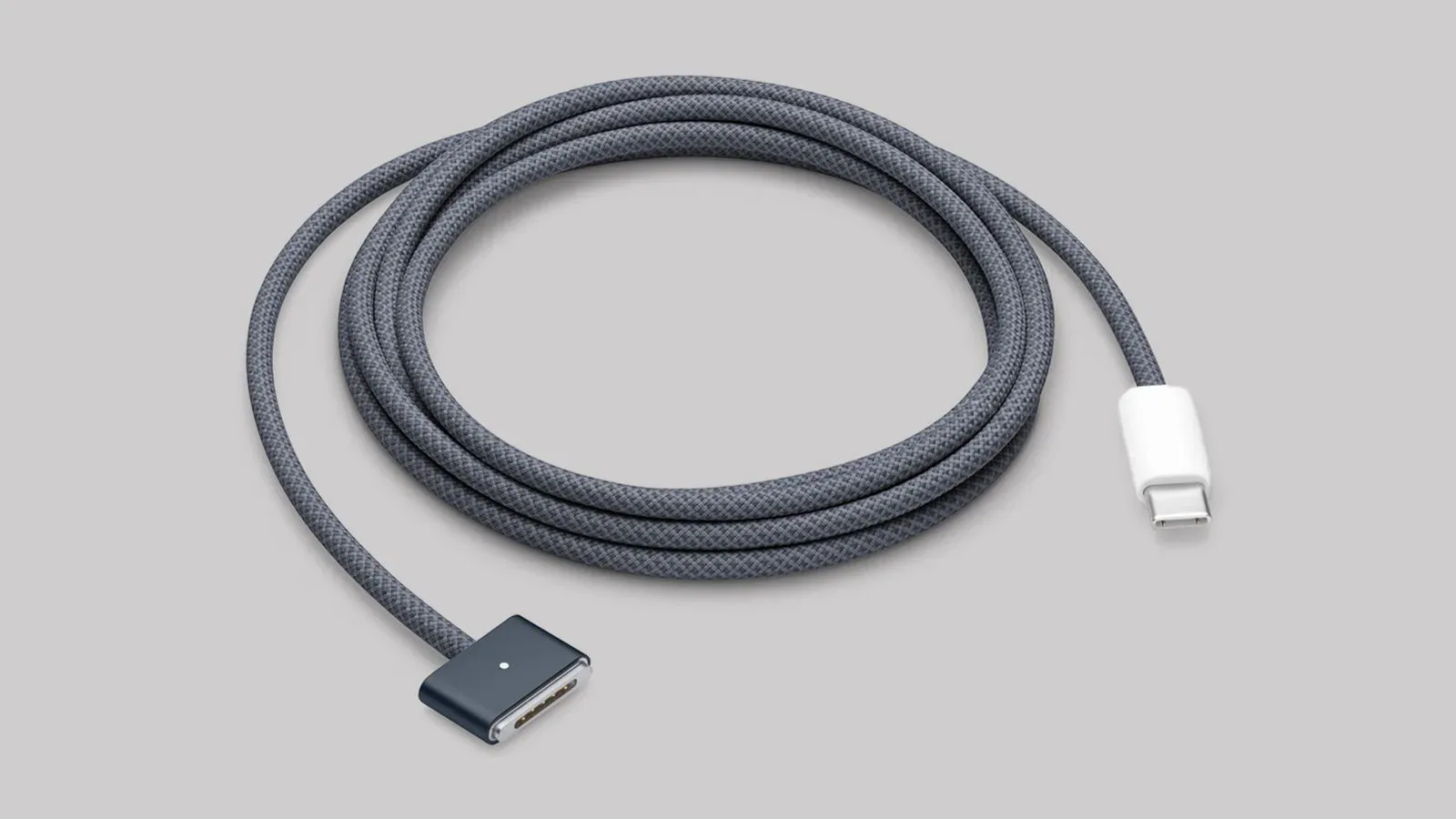
It also arrives amid another example of Apple making a change before offering much explanatory detail. The company recently updated MagSafe 3 cable firmware while giving MacBook owners limited public information about what had changed; that lack of detail can leave users to infer the practical impact for themselves. The iCloud Mail adjustment is less technically opaque, but the same documentation gap applies.
What iCloud Mail users should do now
- Check before planning around it: The apparent nine-alias limit is available at iCloud.com, but Apple’s published guide has not caught up.
- Choose categories, not impulses: Assign aliases to stable purposes, such as personal correspondence, online shopping, gaming accounts, or subscriptions.
- Do not confuse separation with security: An alias can improve organization and reduce unnecessary sharing of a main address, but it does not replace sound password and account-protection practices.
- Keep important log-ins traceable: If an alias is used for purchases, subscriptions, or game-platform accounts, make sure it is documented somewhere secure.
Tripling an alias limit is not flashy, but it is the kind of quality-of-life change that can be valuable precisely because it removes a constraint rather than adding another system to learn. Until Apple updates its documentation or comments publicly, nine should be viewed as the active observed limit, with the caveat that the company has not yet explained the change.