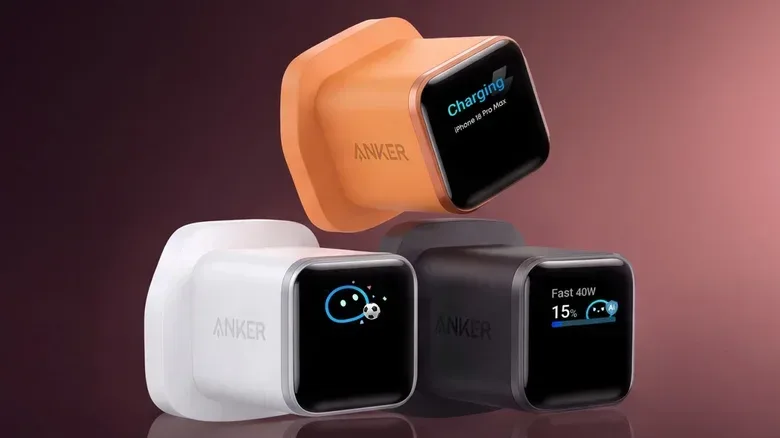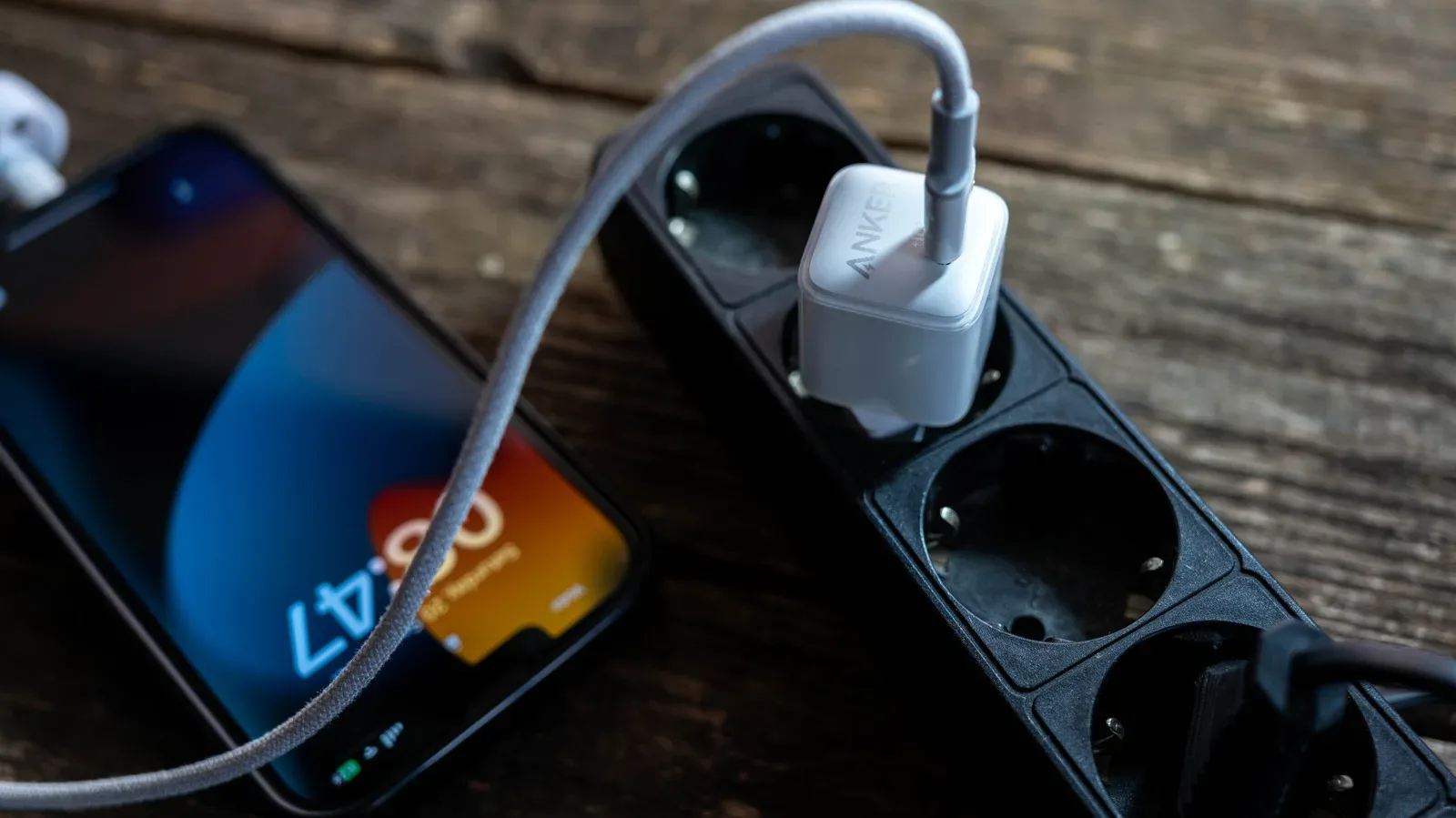
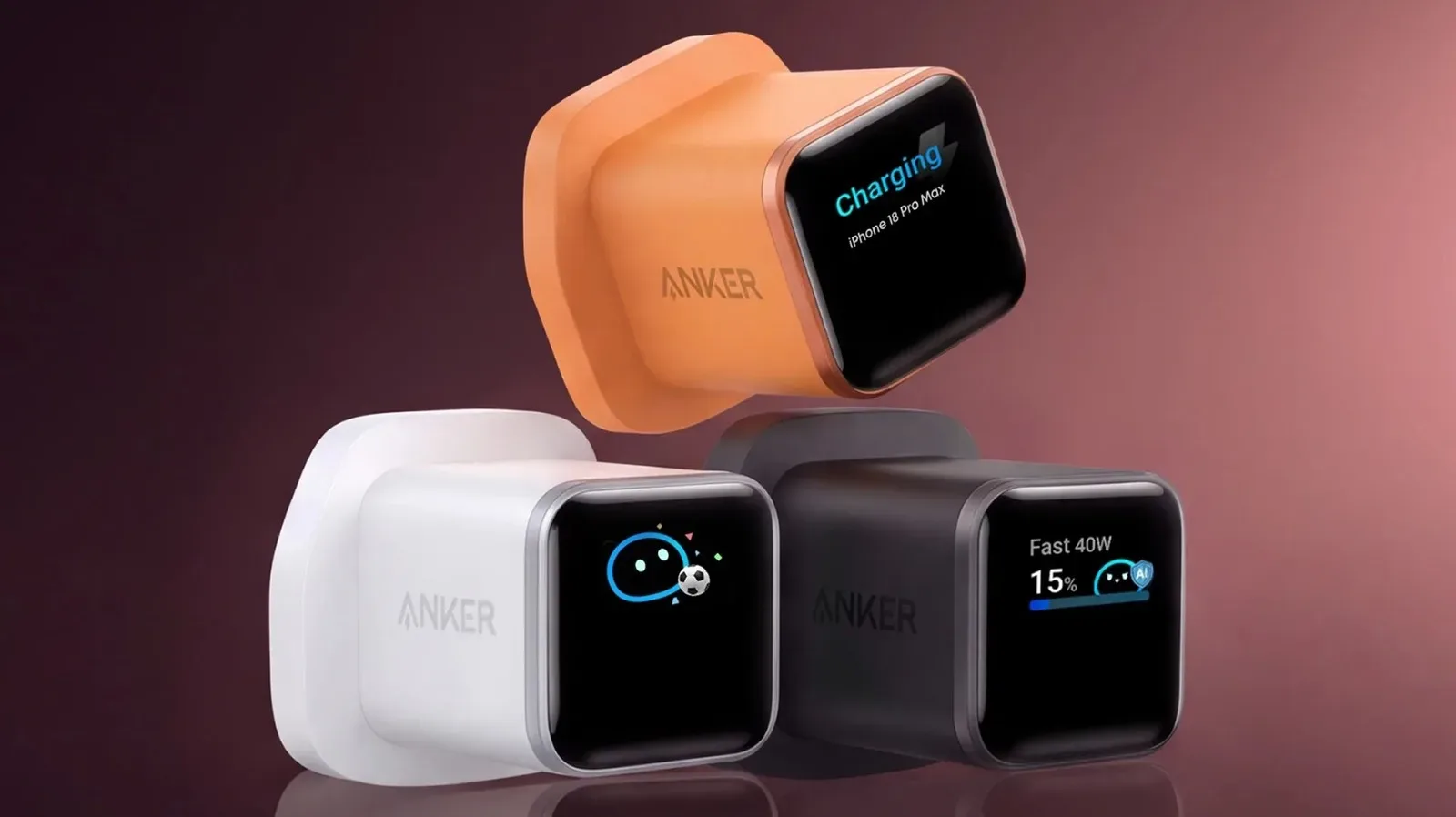
Buying a charger, dock or power bank is usually a quick equipment-screen decision: find the right port mix, check the wattage, compare the price, and move on. But Anker’s direct store adds a loyalty system to that familiar shopping loop. Its free membership earns AnkerCredits on purchases and simple account activities, while the paid Anker Plus plan adds a higher earning rate alongside benefits such as a longer return window, shipping-related coverage, beta-program access and an annual gift.
That does not automatically make the brand’s own store the best route for every cable-and-charger purchase. For a single low-cost item, credits may have little practical impact. The more useful question is whether a buyer expects to return to Anker frequently enough—and values the membership protections enough—to make an account or subscription worthwhile.
The distinction matters because rewards points can look more valuable than they are. A loyalty currency is not cash, and the percentage it delivers back to a buyer depends on redemption rules, order size and the offers actually available when it is time to use those points. The direct-store advantages are real, but they need to be separated into two categories: credits that may lower a future order, and service benefits that can reduce hassle if something goes wrong.
What AnkerCredits are, and how buyers earn them
Signing up through Anker’s site enables the rewards program. There is a free membership and a paid option called Anker Plus, listed at $100 per year or $10 per month. Members earn AnkerCredits with purchases, and the program also awards credits for actions including completing an account profile and signing up for emails.
People who have bought Anker gear elsewhere are not necessarily shut out of the program entirely. An order number can be entered to receive credits for an earlier purchase, although the credit is a fixed 200 points and appears to be available only once. That is a useful onboarding bonus, not a way to continuously turn third-party purchases into the same rewards stream as direct orders.
The earning rates are straightforward:
- Free members: one AnkerCredit per dollar spent.
- Anker Plus members: 1.5 AnkerCredits per dollar spent.
In plain language, a person spending $100 directly through the store would receive 100 credits on the free plan or 150 as an Anker Plus member. The extra half-credit per dollar is an improvement, but it is not by itself a reason to pay $100 annually. That subscription cost has to be weighed against every other included benefit and against how much the buyer actually spends.
Credits can be used for order-wide discount coupons or as part of a purchase. Paid members can also redeem some exclusive Anker products. A limited offer is available to new members, free or paid: reaching 2,000 AnkerCredits can qualify them for a $20 GoGift card usable across multiple retailers, though it is limited to the first 100 people who earn one.
That offer may be attractive for someone who was already planning a substantial purchase, but it should not be treated as a guaranteed $20 rebate. It has a threshold and a limited number of eligible claimants. More importantly, buyers should avoid adding products they do not need merely to reach a points target. The quickest way for a loyalty program to stop saving money is to steer the cart instead of rewarding a cart that was already sensible.
The exchange rate is the important stat
The headline earning rate does not tell the whole story. Redemption rates determine the true value. One cited option requires 1,600 credits for a 12% off coupon. Another example lists a $12.99 Nano charger at $8 plus 300 credits. In that second case, a free member would need to spend $300 to earn the 300 credits required for a $4.99 reduction on that particular charger.
That is why points should be viewed as a supplementary discount rather than a reason to route every purchase through the direct store. A customer who already needs higher-priced Anker equipment could eventually reach useful thresholds as a byproduct of normal buying. Someone buying one inexpensive accessory may find the points balance sitting idle.
The practical calculation is not complicated:
- Compare the direct-store price and any current discount with the price available elsewhere.
- Identify the exact credit redemption available, rather than assuming every point has a fixed cash value.
- Ask whether the purchase would happen anyway without the points.
- Include return terms, warranty coverage and shipping protection in the decision.
That final step is easy to overlook. A modest future coupon can be less meaningful than a return policy that fits an expensive purchase or an item needed for a time-sensitive setup. Conversely, strong service terms are not worth paying extra for if a buyer only needs a basic charger and has no reason to expect repeat purchases.
Free membership: a low-friction option for repeat customers
The free account is the uncomplicated choice for someone who expects to buy from Anker again, but does not need premium protections. It earns credits at the standard rate and can provide access to beta tests through targeted invitations. It also establishes an account history and gives buyers the opportunity to claim the program’s account-related bonuses.
Its main limitation is the standard return setup: a 30-day window, with return shipping paid by the customer. That may be perfectly adequate for a small, straightforward accessory. It is less reassuring for someone ordering a more complicated dock or higher-priced item where compatibility and fit can matter more.
In other words, the free plan makes sense as a passive rewards layer. Sign up if direct purchases are likely, bank whatever credits arise naturally, and regard a usable redemption as a bonus rather than a promise. There is no subscription fee to recover, so buyers do not need to force an elaborate break-even calculation.
Anker Plus is mostly a protection-and-service bundle
Anker Plus increases the points rate, but the more substantial differences are operational. It includes a 90-day return guarantee in which the seller covers return shipping, instead of the free tier’s 30-day, buyer-paid return structure. It also includes Worry-Free Purchase, described as transport insurance for loss, damage, delays or returns.
Those features address the period when an online order is in transit and the period immediately afterward, when a buyer is deciding whether the product works for their needs. They are not the same thing as a product warranty. A return policy lets a customer send something back under stated terms. Transport insurance concerns problems involving delivery. A warranty concerns covered product issues over time. Annual Anker Plus subscribers also receive six months of extended warranty coverage, adding a third, separate type of reassurance.
The annual version of Anker Plus currently includes a MagGo Wireless Charging Station described as a $90 annual gift. It also places every paid member in the Joint Maker Lab beta program, whereas free members may receive beta access only through invitations. For people who value early-product programs, that universal enrollment is more concrete than merely having the possibility of being selected.
Still, a shopper should not casually call the $90 gift a full recovery of a $100 annual fee. The supplied retail value is useful context, but its personal value depends on whether the buyer actually wants and would otherwise purchase a wireless charging station. The same principle applies to extended warranties and return coverage: a benefit has its greatest value when it solves a likely problem for that buyer.
This is a broader shopping lesson, especially when accessories become part of a desk, travel or gaming setup. The best deal is not always the lowest price displayed first. It can be the option with a clearer return path, useful coverage and an account program that matches buying habits. It is the same ownership-versus-ongoing-cost question raised by products that turn core functions into subscriptions, a tension explored in this look at fitness tracker alternatives.
Who should use the direct store?
One-off purchasers should compare the immediate final price, shipping conditions and return policy. Credits alone are unlikely to move the needle on a single inexpensive item, and a paid membership is difficult to justify on points alone.
Regular Anker customers have the clearest case for a free account. The membership costs nothing, credits accrue with direct purchases, and account-completion bonuses can improve the early balance. The sensible approach is to redeem only when an offer is genuinely useful.
Frequent buyers of more expensive gear are the strongest candidates for evaluating Anker Plus. They can earn credits faster, have a longer seller-paid return window, gain Worry-Free Purchase coverage, receive extended warranty time with an annual subscription and participate in the Joint Maker Lab. The annual gift may further improve the calculation if it is a product they genuinely need.
Buyers interested in beta programs should note the access difference. A free membership can lead to beta tests only through targeted invitations; Anker Plus automatically enrolls members in the Joint Maker Lab program. That is a feature with clear relevance for people who value product trials, but no measurable value for people who do not.
Do the math before choosing the membership
Anker’s direct storefront has a reasonable pitch for established customers: purchases can build toward future discounts, and the paid program bundles post-purchase protections that ordinary marketplace shopping may not match in the same way. But the credits are not a high-return currency at every redemption level, and the paid membership should be judged as a package rather than a simple points multiplier.
For most people, the best opening move is modest: create the free account only if buying directly makes sense on price and delivery terms, then let credits accumulate without chasing them. Upgrade to Anker Plus only after identifying a realistic reason to use its longer return policy, shipping coverage, beta access, extended warranty or annual gift. In gaming terms, the free plan is a side quest with no entry fee. The paid tier is a season pass: potentially valuable for committed players, but a poor purchase if the game is only getting one evening of your time.