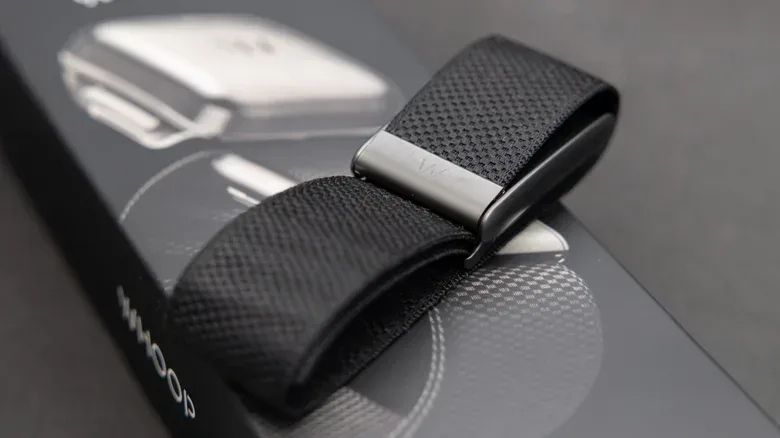
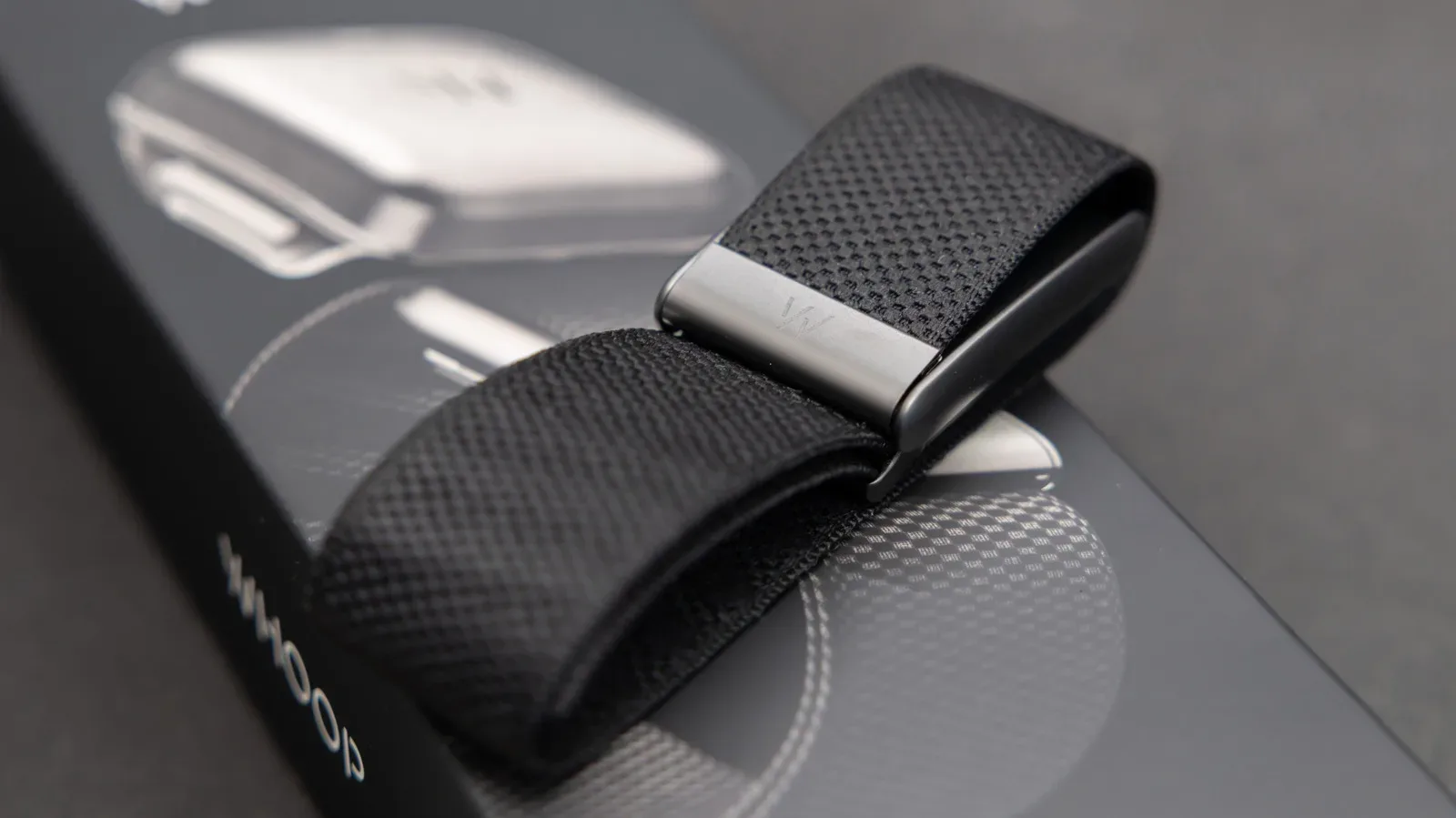
Whoop has a tidy pitch: a low-profile, screenless wearable that focuses on health and fitness information instead of trying to become a tiny smartphone attached to your arm. For people tired of another glowing rectangle vying for attention, that design has real appeal. It can blend into an outfit, stay out of the way and collect data without constantly asking to be tapped, swiped or admired.
The catch is less elegant. Whoop requires a membership priced from $199 to $359 per year, and the tracker ceases to function if that membership is cancelled. The first year also cannot be paid monthly. That changes the buying calculation substantially: this is not simply hardware with an optional enhanced service, but an ongoing commitment that determines whether the hardware keeps doing its core job.
Fortunately, a screen-free band and useful wellness data are not an exclusive club. Xiaomi, Google Fitbit, Apple and Garmin each offer a different answer to the same question: how much device, display, battery endurance and subscription baggage does someone actually want from a fitness tracker?
The five devices below all cover a broadly familiar set of metrics, including heart rate, sleep and stress tracking. Their differences matter more than the shared checklist. A person who wants to log sleep for days without thinking about a charger has a very different ideal device from someone who wants GPS for outdoor sessions, live heart-rate visibility with connected gym equipment, or an iPhone companion that can also handle everyday wrist tasks.
The real comparison: ownership, attention and recurring costs
It is tempting to compare wearables only by their upfront price, but the better question is what remains useful after the checkout screen disappears. Whoop’s membership-first structure makes its yearly cost central. By contrast, each alternative here can provide core tracking without a compulsory, permanent subscription, even when an optional premium tier exists.
That does not mean every feature is free. Fitbit’s Google Health Premium is listed at $9.99 per month or $99.99 per year. Garmin Connect+ is listed at $6.99 per month or $69.99 per year. The Apple Watch SE 3 can use extra Siri AI capacity through an iCloud+ plan beginning at $2.99 monthly for 200GB, while Apple Fitness+ is another optional route for guided workouts and personalized plans. These services deserve scrutiny, but their role is different when the device continues to operate without them.
There is also a meaningful difference between tracking and coaching. Tracking is the collection and presentation of measurements such as heart rate, sleep, stress or blood oxygen-related data. Coaching is the layer that interprets those measurements into suggestions, plans or goal reminders. A tracker may offer excellent raw or summarized information without a paid AI coach, while a subscription may add more direction for users who want a software nudge rather than another chart.
Before picking a band, decide which side of that divide is most useful. If the mission is simply to establish habits and notice patterns, the included tools may be enough. If tailored workout prompts and automated explanations are the main draw, assess the subscription price as part of the device’s long-term cost—not as a surprise loot box that appears after setup.
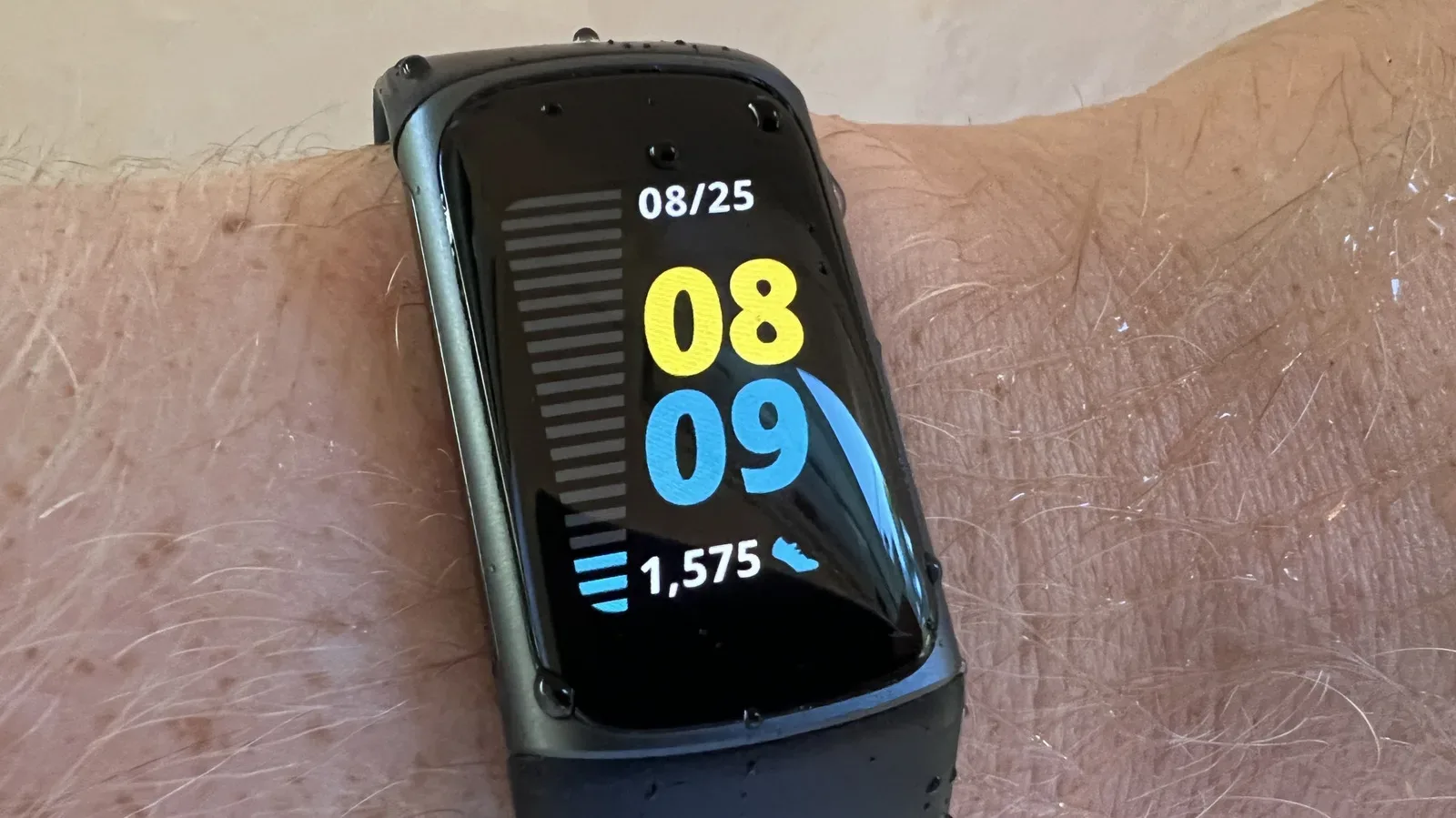
Xiaomi Smart Band 9: the inexpensive, long-running starter build
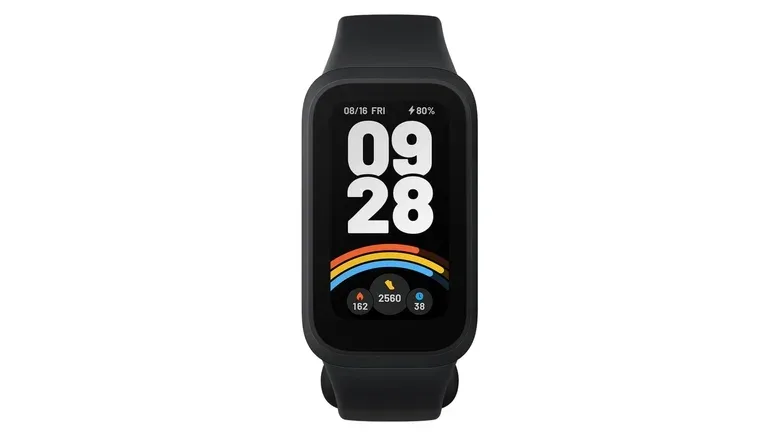
At a listed $35.99, the Xiaomi Smart Band 9 is the lowest-cost option in this group and an accessible place to begin for anyone who has never worn a fitness tracker. It tracks heart rate, sleep, stress, blood oxygen and women’s health metrics, while offering more than 50 sport modes. Replaceable bands add a measure of personalization without requiring a new device.
Its headline advantage is battery life: Xiaomi lists 18 days, with typical use described as approaching three weeks. That level of endurance has a practical effect beyond convenience. Charging less often means less chance of missing overnight sleep records or forgetting to put the tracker back on before a workout. For a wearer interested in continuity more than smartwatch tricks, a long battery can be more valuable than a large display.
The Smart Band 9 is not attempting to duplicate Whoop’s near-invisible approach. It has a screen, and its display provides more than 100 watch faces. For some people, that will be a benefit: useful information can be viewed immediately instead of only through a phone app. For others, a display is precisely the mini-distraction they hoped to eliminate. There is no physical navigation button, though it remains comfortable enough for sleep wear.
One important fine-print point: specifications such as battery life and the number of modes can differ for the global version. Anyone comparing listings should make sure the particular regional model matches the feature set they expect. Still, the basic proposition is unusually clear: broad everyday health tracking, sport coverage and exceptional advertised endurance for a modest upfront outlay.
Google Fitbit Air: closest to the screenless Whoop idea
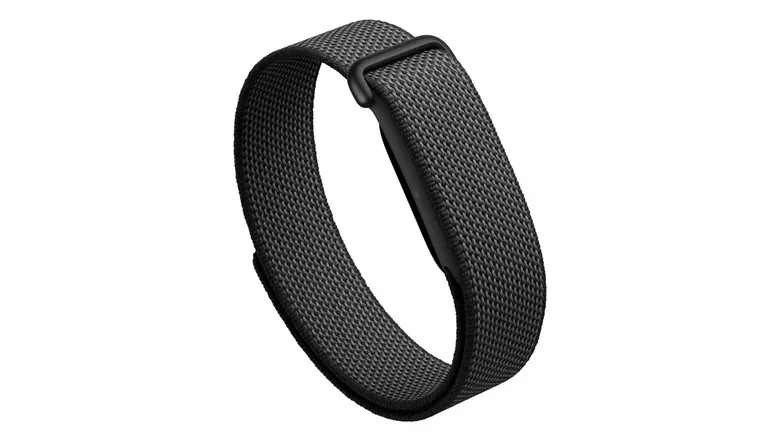
The Google Fitbit Air is the most direct choice for someone who likes Whoop’s lack of a screen but does not want device functionality tied forever to a mandatory membership. Listed at $99, it tracks heart rate, sleep, stress, overnight blood oxygen saturation and women’s health. Its low-profile, display-free format is built for wearers who want a fitness tracker rather than a wrist computer.
Battery life is listed at seven days, and fast charging can provide a day’s charge in five minutes. A week between charges is less dramatic than the Smart Band 9’s claimed 18 days, but it is still long enough to support regular overnight wear without turning charging into a nightly ritual.
Its blood oxygen feature has a specific boundary worth understanding. The Fitbit Air records blood oxygen saturation while sleeping, but it does not offer full blood oxygen monitoring capabilities. In plain English, it is collecting a narrower overnight measurement rather than promising the broader monitoring experience some buyers may assume from the phrase “blood oxygen.” The distinction is worth checking on any wearable: similar-sounding labels can describe different scopes of data collection.
Google Health Premium provides the more ambitious extras, including an AI-powered personalized fitness plan, for $9.99 monthly or $99.99 annually. The AI features have been noted as occasionally glitchy, which is a useful reminder not to make a purchasing decision solely around a coaching layer. The Fitbit Air still tracks its core set of metrics without paying for the premium service. For most people considering the screenless category specifically, that separation between functional hardware and optional coaching is its strongest argument.
Apple Watch SE 3: the smartwatch route, with a charging compromise
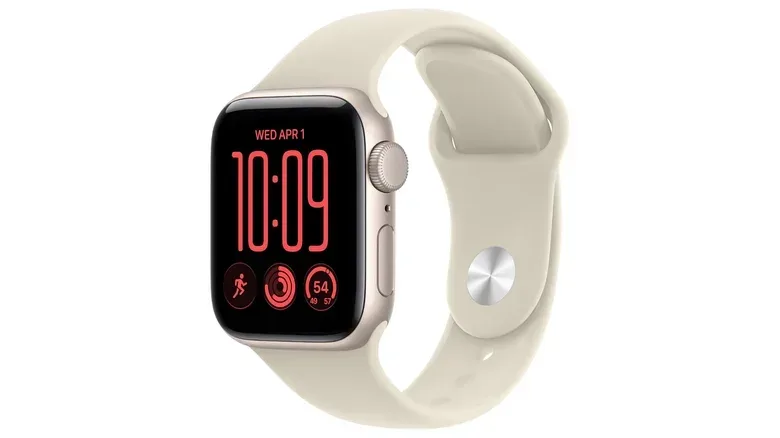
The Apple Watch SE 3 takes the opposite design path. At a listed $249, it is a smartwatch as well as a fitness wearable, with an 18-hour battery rating. It tracks heart rate, sleep, stress and women’s health, but its larger purpose is connectivity: it pairs with an iPhone for tasks ranging from podcast listening to placing an Instacart order.
That breadth will either be the feature or the problem. Someone drawn to Whoop because it removes a wrist screen may see the Apple Watch as adding exactly the sort of attention magnet they hoped to avoid. Someone who wants a single device for health data, notifications and everyday iPhone-adjacent utility may consider the trade worthwhile. As with Apple’s wider ecosystem choices, the useful distinction is often where a person spends their time and which device already anchors their routine; the same logic appears in this look at Apple Passwords and Google Password Manager on iPhone.
The SE 3 also has a coaching-style component through Siri AI. It can answer quick health questions, summarize more complicated information and help users stay on track with fitness goals. More complex Siri requests have daily usage caps, however. Extended usage requires at least a 200GB iCloud+ plan at $2.99 per month for additional Siri credits. Basic Siri functions such as timers and math remain available without that upgrade.
From a cost perspective, the Apple Watch is owned hardware rather than a membership-dependent tracker. Its upfront price exceeds a year of Whoop’s two lower-priced plans, yet there is no requirement to remain subscribed just to keep wearing it. Apple Fitness+ is separately optional for people who want guided videos and personalized workout plans. The central compromise is overwhelmingly battery life: 18 hours demands far more charging attention than the seven-day Fitbit and Garmin bands or Xiaomi’s advertised 18-day figure.
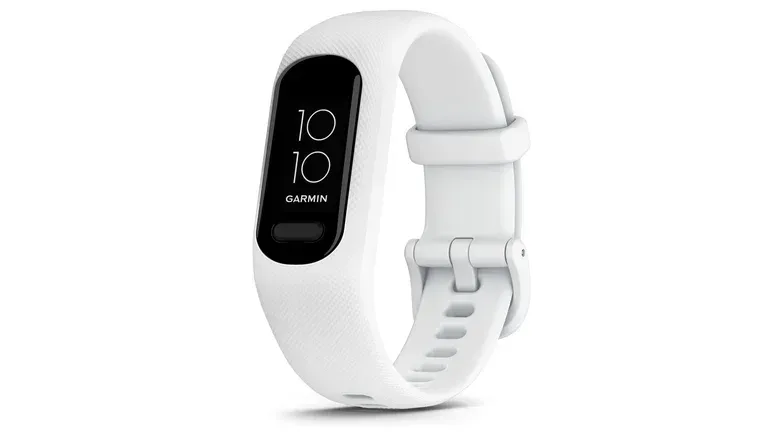
Garmin vivosmart 5: a small screen and a middle-ground feature set
The Garmin vivosmart 5, listed at $149.99, lands between a fully screenless band and an Apple Watch-style smartwatch. Its small display is deliberately less attention-grabbing than a larger smartwatch screen, but it is still there for those who want at-a-glance information. It covers heart rate, sleep, stress, blood oxygen and women’s health, with a listed battery life of seven days.
It can sync with a smartphone for email and text alerts. Android users can also respond to texts through the tracker. That makes the vivosmart 5 potentially more connected than a minimalist tracker, although notifications can also make a wearable feel busier. The good news is that the degree of distraction is partly a settings choice: buyers who value focus can treat the band as a tracker first, while those who want alerts can enable them.
One limitation is unusually important for an activity-focused brand: the vivosmart 5 has no built-in GPS. Built-in GPS means the device itself can determine and record location-based route information, rather than relying on a connected phone. Anyone who specifically wants standalone route tracking should account for that omission before choosing the Garmin.
Garmin Connect is the companion app needed to get the most from the device. It can sync with Apple Health, though Garmin Connect remains the intended home for the experience. Some more prominent features sit behind Garmin Connect+, priced at $6.99 monthly or $69.99 annually, while many features are available free. The app has been found less user-friendly than some alternatives, so this is a sensible choice for someone comfortable learning Garmin’s software rather than someone seeking the simplest possible setup.
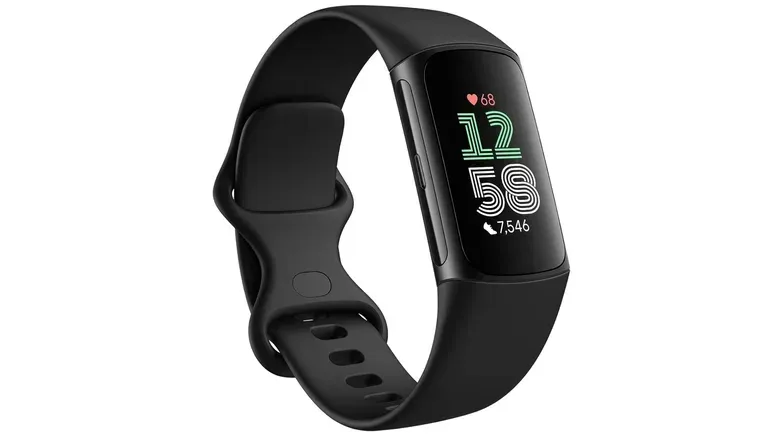
Google Fitbit Charge 6: the balanced option for more serious tracking
At a listed $159.95, the Google Fitbit Charge 6 is positioned above entry-level bands without moving all the way into the Apple Watch’s price and smartwatch scope. It tracks heart rate, sleep, stress, blood oxygen saturation and women’s health, and its battery is rated for seven days. It has a screen, but at a little over an inch it is far less visually dominant than a dedicated smartwatch display.
The standout functional difference is built-in GPS. For runners, walkers, cyclists and others who care about location-aware activity records, that makes the Charge 6 a more complete standalone fitness tool than the vivosmart 5. It also communicates with smart gym platforms including Peloton and NordicTrack, enabling real-time heart-rate tracking in those ecosystems. That is a targeted advantage rather than a universal one, but it could be decisive for somebody whose workouts already happen there.
Google Health Premium is available here too, with three months included to let users decide whether its additional features justify the continuing $9.99 monthly or $99.99 annual fee. That trial period is especially useful in a category where the paid layer is largely about preference. Some users will value more structured coaching; others may discover that heart-rate trends, sleep data, GPS and the included tools are all they need.
The Charge 6 brings together a long battery, strong heart-rate monitoring and built-in GPS, making it the most balanced pick of this group for people who want a proper fitness tracker rather than either the absolute cheapest band or a broad smartwatch. It does not mimic Whoop’s screen-free identity, but it competes where the data and day-to-day practicality matter.
Which alternative fits which player?
- Choose Xiaomi Smart Band 9 for the lowest listed price, more than 50 sport modes and the longest advertised battery life here. Verify regional specifications before buying.
- Choose Google Fitbit Air if a subtle, screenless band is the priority and core tracking without a required continuing subscription is the goal.
- Choose Apple Watch SE 3 if iPhone integration and broader smartwatch functionality outweigh the need for multi-day battery life.
- Choose Garmin vivosmart 5 for a restrained screen, phone alerts and Garmin’s platform, provided built-in GPS is not essential.
- Choose Google Fitbit Charge 6 for seven-day battery life, built-in GPS and real-time heart-rate connections with supported smart gym equipment.
The best exit from a subscription-first tracker is not automatically the cheapest band or the one with the biggest screen. It is the wearable whose compromises match the wearer’s routine. For sleep tracking, charging cadence may matter most. For outdoor exercise, built-in GPS can be the deciding stat. For people who want health data to fade into the background, a screenless Fitbit Air makes more sense than a smartwatch full of wrist-side temptations. And for anyone who wants AI guidance, the key is to separate the usefulness of the coaching from the device’s ability to do the fundamentals without it.
Shop the products
Check current price, model and availability at the retailer.