Amazfit smartwatches make a persuasive pitch to people who want a wrist device for health data, workout tracking, phone alerts and the occasional Bluetooth call without paying premium-watch money. The range is broad, the designs cover both square and round cases, and certain models promise battery life measured in weeks rather than days. For a player who wants a watch that can track a long walk, surface notifications during a session or control music from a phone, those basics can matter more than a huge app library.
But the attractive price is not a cheat code that unlocks every smartwatch feature. Amazfit devices run Zepp OS, the company’s proprietary operating system. That decision helps explain both the watches’ cross-platform flexibility and their most important limitation: the software selection is substantially narrower than on watches using Wear OS or the ecosystems associated with Apple and Samsung.
That distinction should be the starting point for anyone comparing models. An Amazfit can be a strong value when its included health, exercise and notification tools already cover the job. It is much less compelling when the buyer expects their watch to run the same collection of daily apps as their phone.
The appeal: practical watch hardware without a premium entry price
Amazfit is part of Zepp Health’s smartwatch lineup and includes devices aimed at different use cases, from general daily wear to more outdoor-oriented use. The Amazfit Bip 6 has been available for as little as $80, illustrating why the brand gets attention in the budget segment. A lower initial cost is especially useful for someone who wants a larger wrist display than a basic fitness tracker provides, but does not need a wrist-mounted mini phone.
For more context, explore Keep Your PS5 Off the Carpet: A Practical Setup Guide for Clear Vents and Cooler Gaming.
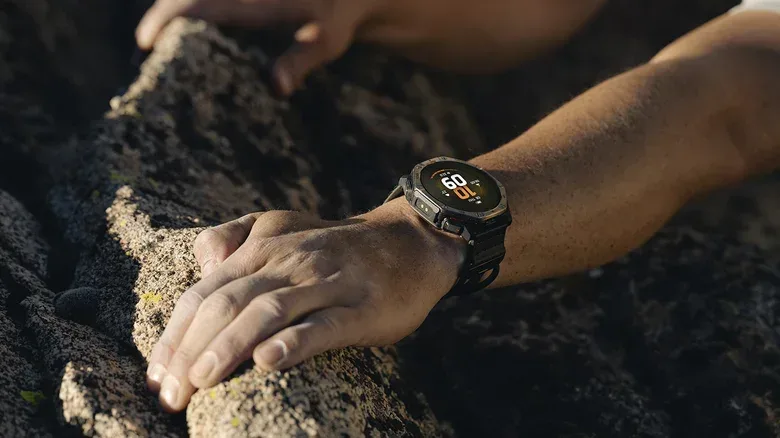
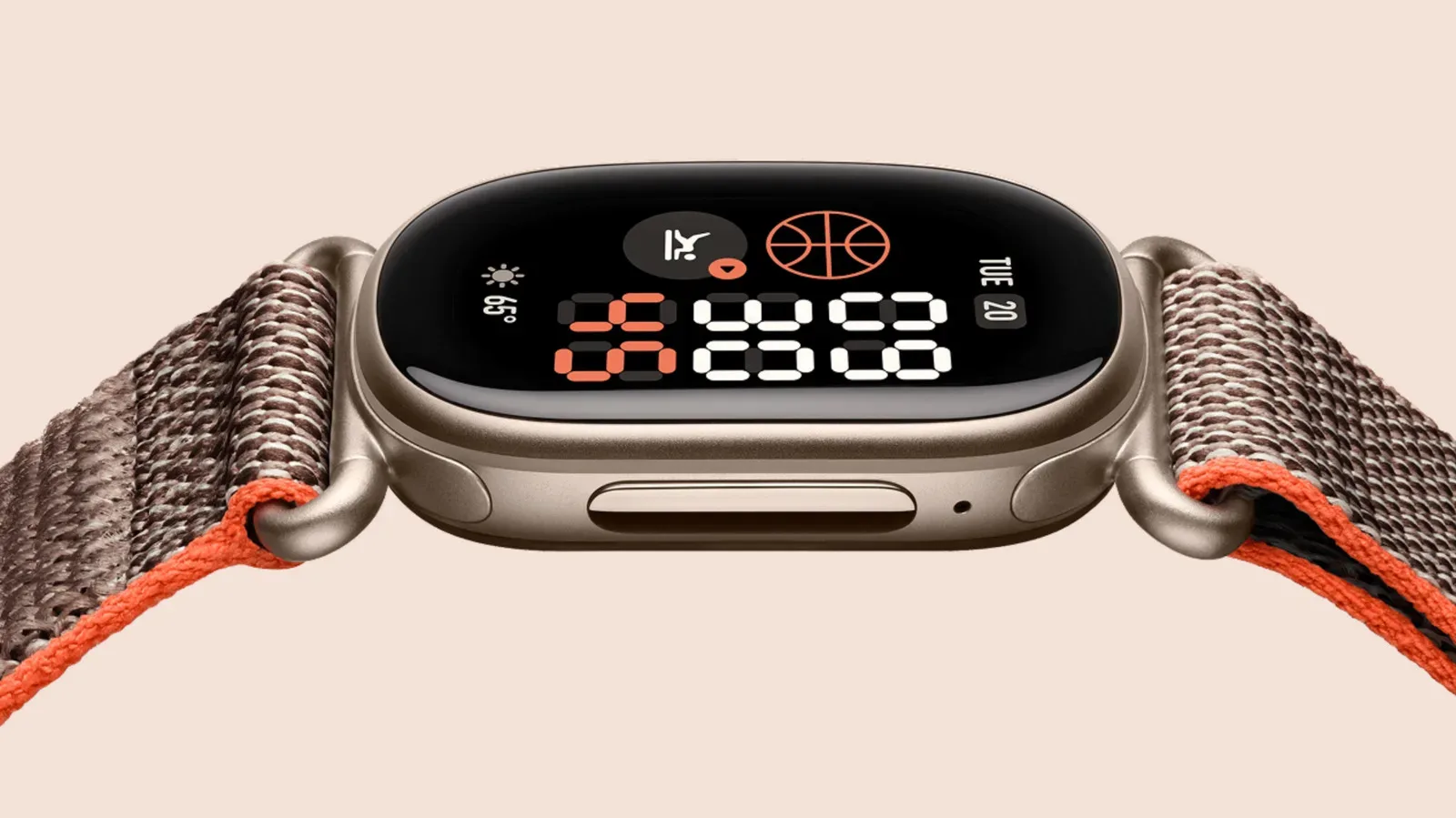
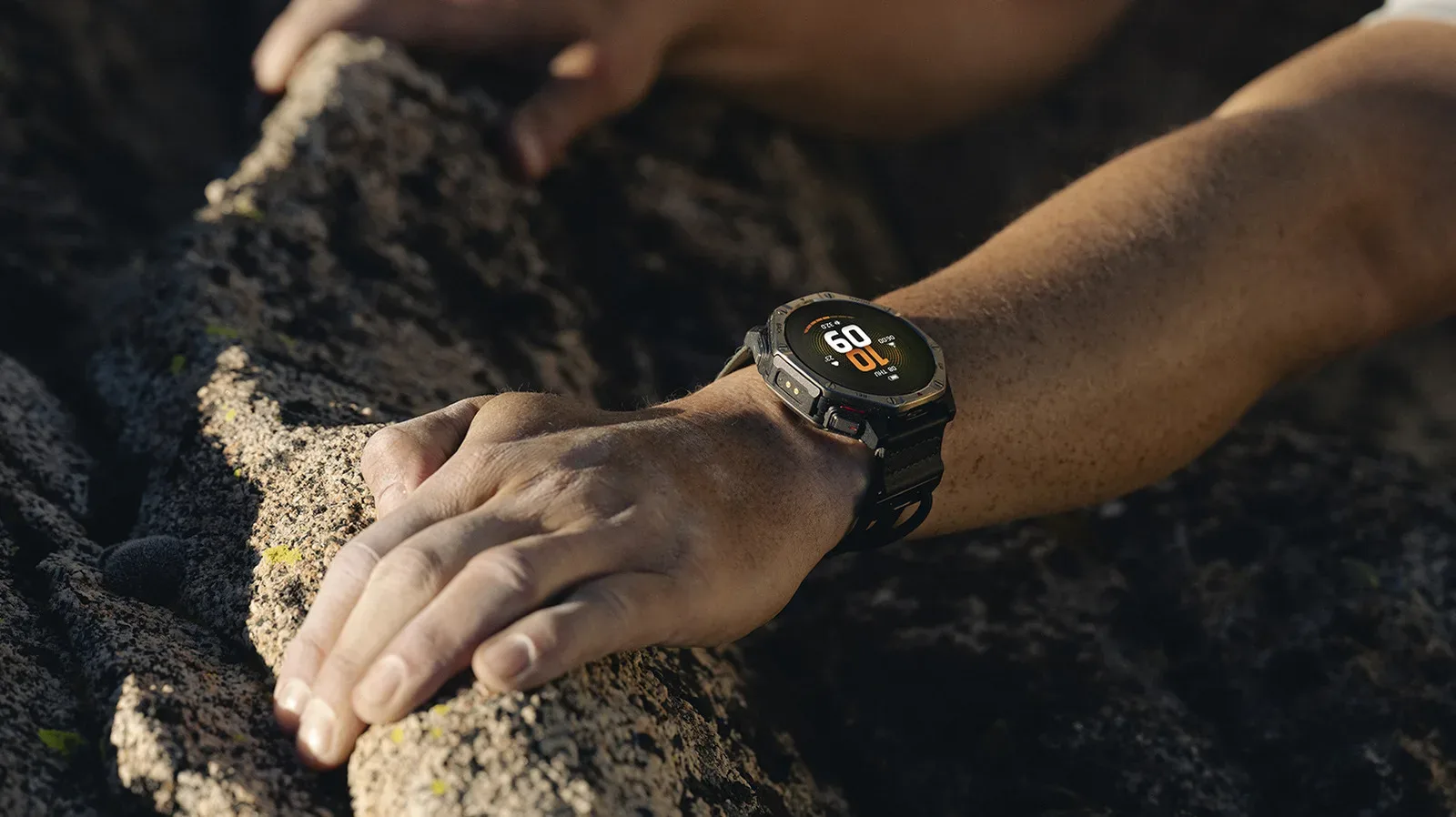
The design range is also straightforward. Square options such as the Bip 6 and Active 2 (Square) suit people who prefer a more rectangular, screen-forward look. The Active Max and T-Rex 3 use round faces; the latter is positioned toward outdoor adventurers. Personal taste is not trivial here: a watch that is comfortable and visually acceptable is more likely to stay on a wrist long enough for its sleep and activity information to be useful.
Phone-platform independence is another meaningful advantage. Because Amazfit uses its own OS rather than being locked to one mobile ecosystem, its watches can pair with either iPhone or Android. For somebody who may switch phone brands later, that can reduce the chance that a usable watch becomes a dead-end accessory. It also makes Amazfit worth considering in households where one person uses iOS and another uses Android.
For more background on the balance of value, features and compromise across the range, see this overview of Amazfit smartwatch trade-offs.
Battery life is more than a specification-sheet brag
Some Amazfit models are rated for up to 25 days per charge. Actual battery life will depend on how the watch is used, but the quoted maximum highlights a core design priority: reducing how often the device needs to visit a charger.
That can be particularly convenient for users who do not want another daily charging routine alongside a phone, headset, controller and handheld system. A watch that remains ready for sleep monitoring and daytime activity tracking is also less likely to have gaps in its data caused simply by being on a charging puck. Long endurance does not make every other limitation disappear, but it is a concrete everyday benefit rather than a novelty feature.
It is also useful to separate this kind of endurance from app capability. A long-lasting smartwatch is not automatically a more capable smartwatch; it is optimized around a different set of priorities. Amazfit’s proposition is largely about dependable tracking and routine convenience, not maximum software breadth.
Health and exercise are the center of the experience
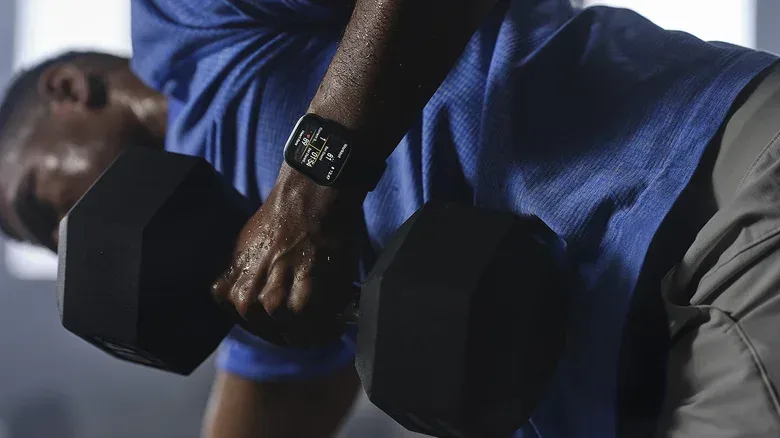
Amazfit watches include sensors and tracking features for heart rate, sleep, temperature and GPS, along with more than 100 sports modes. The listed activities stretch from familiar options such as strength training and running to gardening and Tai Chi. That variety is helpful for users who want a watch to recognize that being active does not always mean following a conventional gym or running program.
GPS, or Global Positioning System, is the location technology used to record position-related activity data. In a smartwatch context, it is relevant to workouts and outdoor movement where route or location information is useful. Heart-rate tracking records pulse-related data, while sleep tracking is intended to summarize sleep-related information collected while the watch is worn. These are the categories of data that form the practical backbone of a fitness-oriented wearable.
The lineup also emphasizes software features such as Zepp Coach, described as AI-powered coaching. “AI-powered” in this setting refers to software intended to interpret activity information and provide coaching-oriented assistance; it should not be confused with a guarantee that the watch can replace professional medical or training guidance. The value of such features comes down to whether their suggestions and summaries are understandable and useful to the wearer.
There is no subscription tier for the data the watches track and report. That point changes the ownership calculation. A modest purchase price is more meaningful when basic access to the collected information does not add a recurring fee. Buyers should still decide based on the features they genuinely expect to use, rather than treating a lack of subscription as a reason to accept shortcomings that will be frustrating every day.
What the app gap means in real use
Zepp OS is a proprietary operating system, meaning it is controlled by the watch maker rather than being the broader Wear OS platform. The immediate practical result is limited third-party app access. Amazfit users can find a smaller selection of productivity apps and games in the Zepp Store, but cannot expect the same app catalog available on Wear OS devices.
Several absences make that boundary easy to understand. There is no direct access to Google Wallet, Google Maps, Uber, Starbucks, Gmail or banking apps. There is no Spotify app, either. A user can play Spotify on their phone and control playback with the watch, or use a remote app that mirrors Spotify on the device, but that is different from installing a native Spotify app on the watch itself.
For gaming and tech users, this is a familiar platform question. A device can be good hardware yet still feel constrained if the software someone relies on is unavailable. The key is to distinguish between notification and remote-control convenience and independent app use. If the goal is to check basic information, see alerts and adjust music while a phone handles the service, Amazfit’s approach may be sufficient. If the goal is to leave the phone behind while retaining familiar payments, navigation, mail, ride-hailing and service apps, the missing native software is a much bigger deal.
The watches do integrate with Strava, TrainingPeaks, Komoot and Runna. Integration means a service can work with the watch’s ecosystem or data flow; it does not mean every service has a full watch app with every phone feature. That difference is worth checking whenever an app name appears on a smartwatch feature list.
Interface language can create unnecessary friction
Even when a watch records useful data, its software has to explain that information clearly. Amazfit’s companion app is not described as the most intuitive, and the watch software may present terms that are unfamiliar to newcomers.
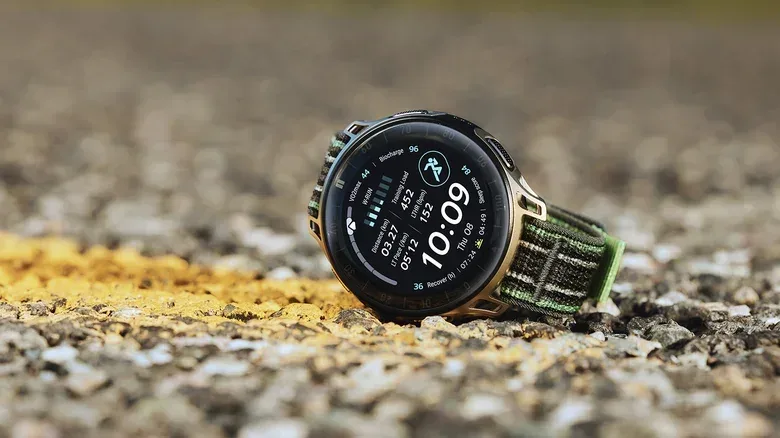
Two examples are PAI and Biocharge. PAI is Amazfit’s personal activity score. Biocharge is its equivalent of a readiness score. A readiness score is, in plain terms, a summary meant to indicate how prepared a person may be for activity or recovery. Brand-specific labels are not inherently bad, but they add a learning step. A buyer should be comfortable spending time understanding what the labels mean rather than assuming the numbers will be self-explanatory on day one.
This does not necessarily undermine the watches’ health tracking. It does affect the ease of turning tracked data into a quick decision. People who enjoy digging into fitness metrics may not mind. People who want a glanceable answer without a vocabulary lesson may prefer a platform with more familiar software conventions.
Storage and long-term support are the quieter compromises
Storage is another specification that becomes important only after purchase. Some Amazfit models offer limited capacity; the Bip 6, for instance, has 512MB of storage. That may matter for keeping workout data or apps on the watch. Storage capacity should not be evaluated in isolation, because the small app ecosystem changes what is likely to occupy the space. Still, anyone planning to load software or retain a considerable amount of on-device information should factor it into the comparison.
Support is the longer-term question. Amazfit offers three years of software and security support for its smartwatches. A watch does not suddenly cease to function when that window ends, but software and security support are part of product lifespan. Security support refers to updates that address security issues, while software support covers the continuing update period for the device. A buyer intending to keep a watch for many years should include that three-year commitment in the total value calculation rather than looking only at the initial price.
This is one reason a discounted older device is not automatically the best deal. The purchase price might be lower, but the remaining support period can be shorter. The same general principle applies to older Samsung Galaxy Watch and Apple Watch models, even when their familiar ecosystems are appealing.
Who should choose an Amazfit—and who should keep shopping?
An Amazfit smartwatch makes the most sense for a buyer who prioritizes the following:
- Lower upfront cost, including models that can reach about $80.
- Long battery life, with some models rated for up to 25 days.
- Health, sleep, heart-rate, temperature and GPS-related tracking.
- A broad menu of sports modes.
- Compatibility with either iPhone or Android.
- No subscription tier for the tracked and reported data.
- A larger display and more at-a-glance control than a basic cheap fitness tracker.
It is a less natural fit for someone whose must-have list starts with native access to Google services, mobile payments, banking, Spotify or a deep third-party app library. It may also disappoint a buyer who wants the most immediately intuitive companion app, substantial local storage or a longer stated update commitment.
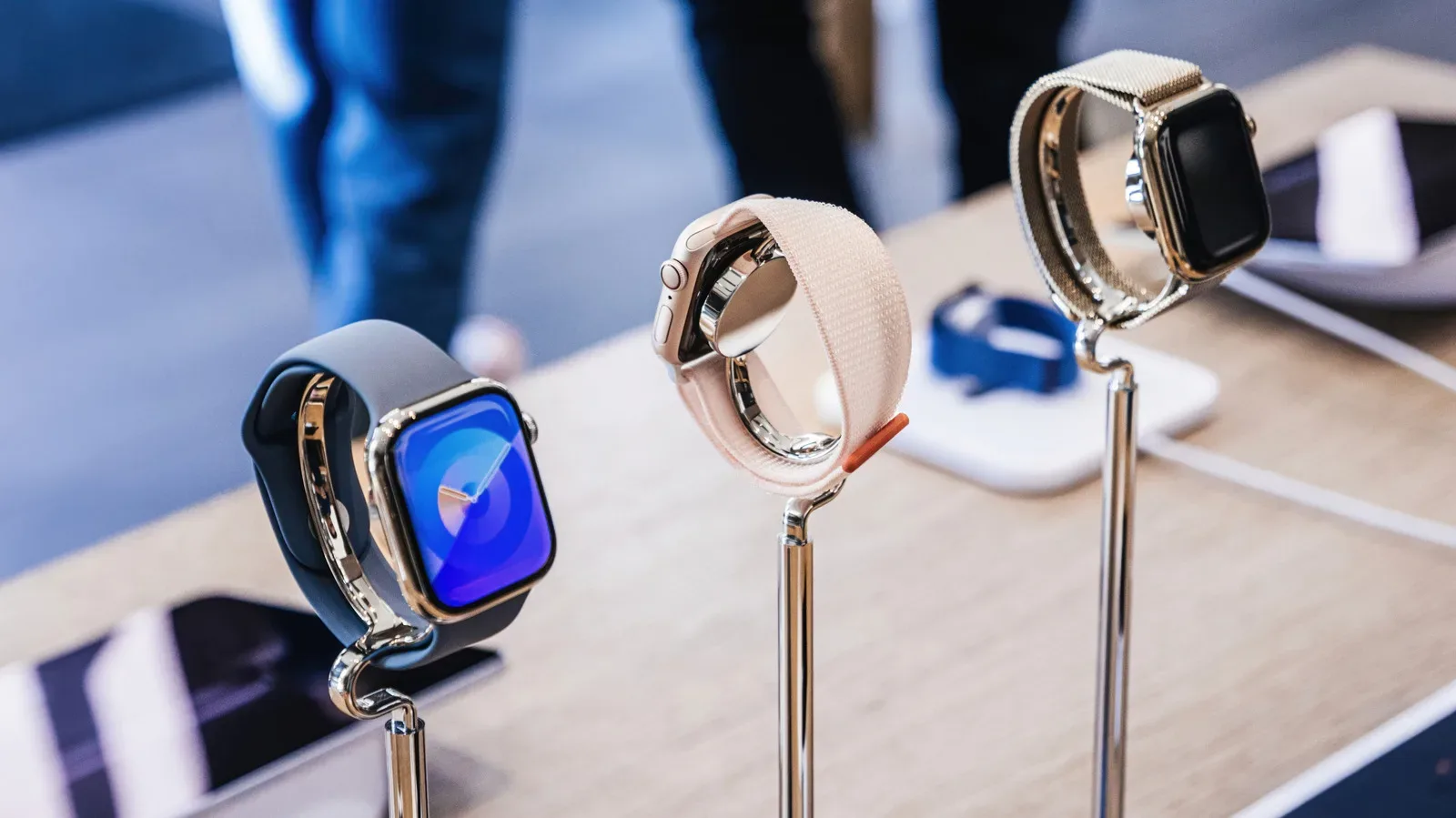
Affordable Fitbit and Garmin models are alternatives for shoppers who place more weight on an intuitive experience and app support. Older Apple Watch or Samsung Galaxy Watch models can also make sense for people who value their respective ecosystems, although remaining software-support time should be considered carefully.
Ultimately, Amazfit’s limitations are not hidden technical footnotes; they define the product. The watches offer credible value through design variety, cross-platform pairing, activity features and unusually long battery claims. The trade is a more closed app environment, potentially constrained storage, a learning curve in its software language and three years of stated software and security support. For the right buyer, that is a sensible exchange. For anyone expecting an app-rich extension of their phone, it is a reason to pause before tapping buy.
Shop the products
Check current price, model and availability at the retailer.