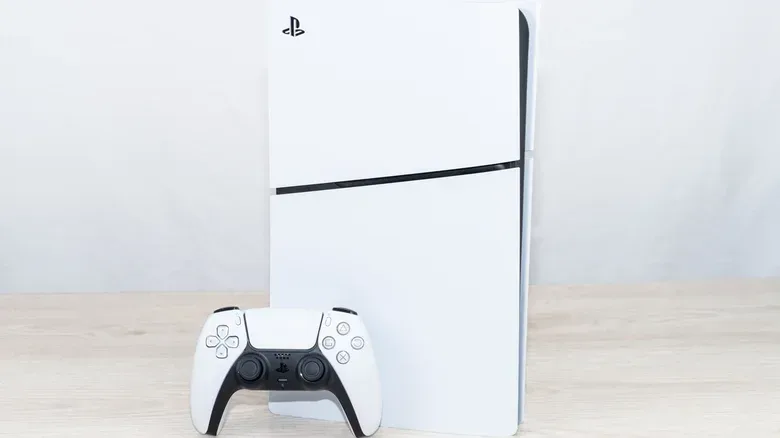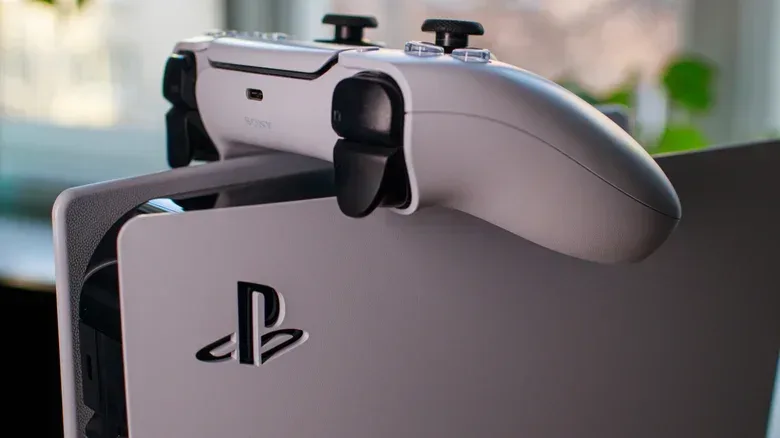
A PlayStation 5 does not need a showroom pedestal, but it does need something better than a carpeted floor. The immediate concern is not that every console will instantly overheat on short-pile carpet. It is that a floor-level setup places intake and exhaust areas close to accumulated dust and debris, while also exposing an expensive machine to accidental bumps, kicks, spills and dropped objects.
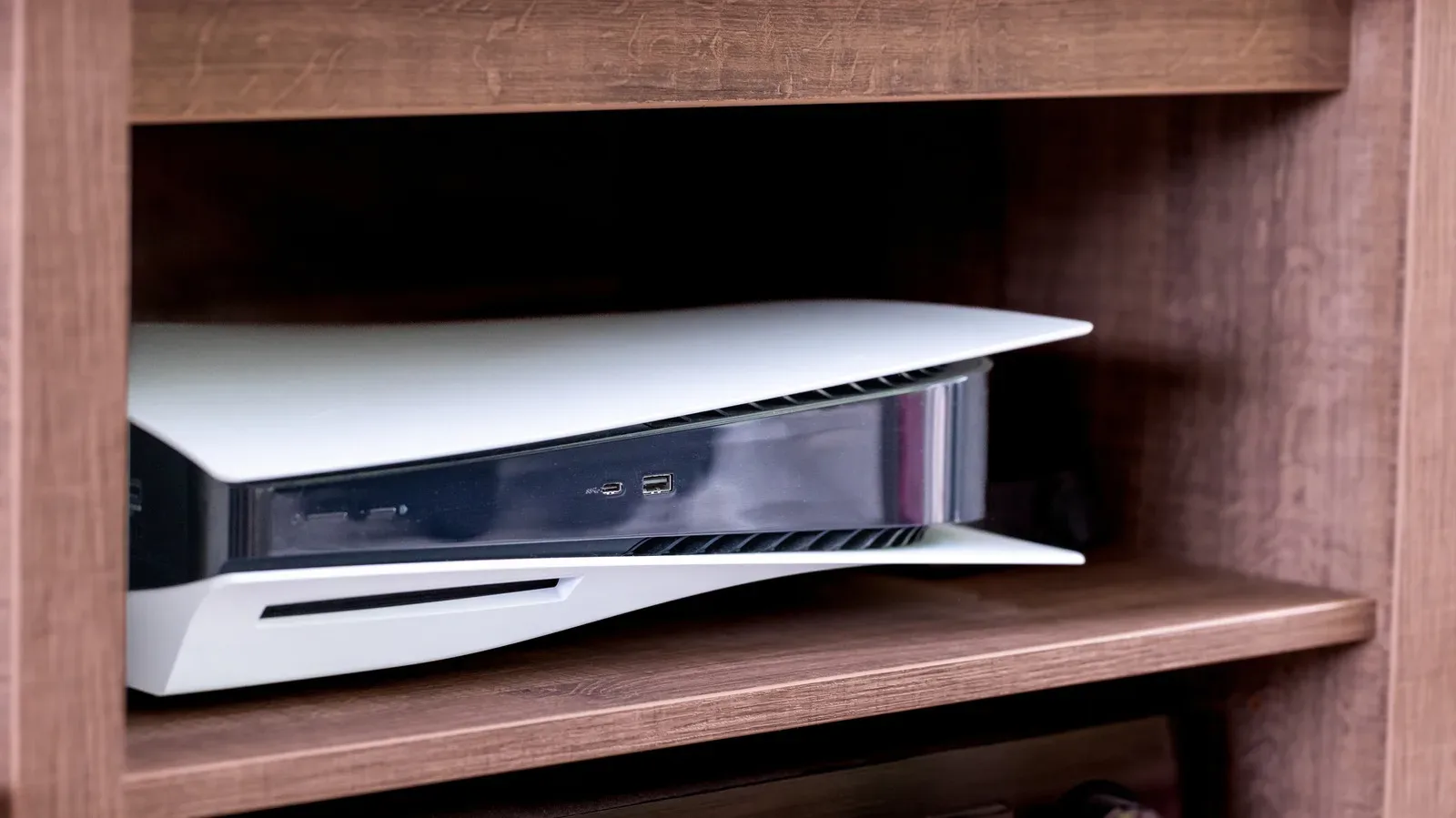
That makes the straightforward recommendation easy: put the PS5 on a stable, solid surface, keep its vents unobstructed and leave room around the chassis. A small table or open TV stand can do the job. What matters is clean airflow, not whether the system disappears neatly into the furniture.
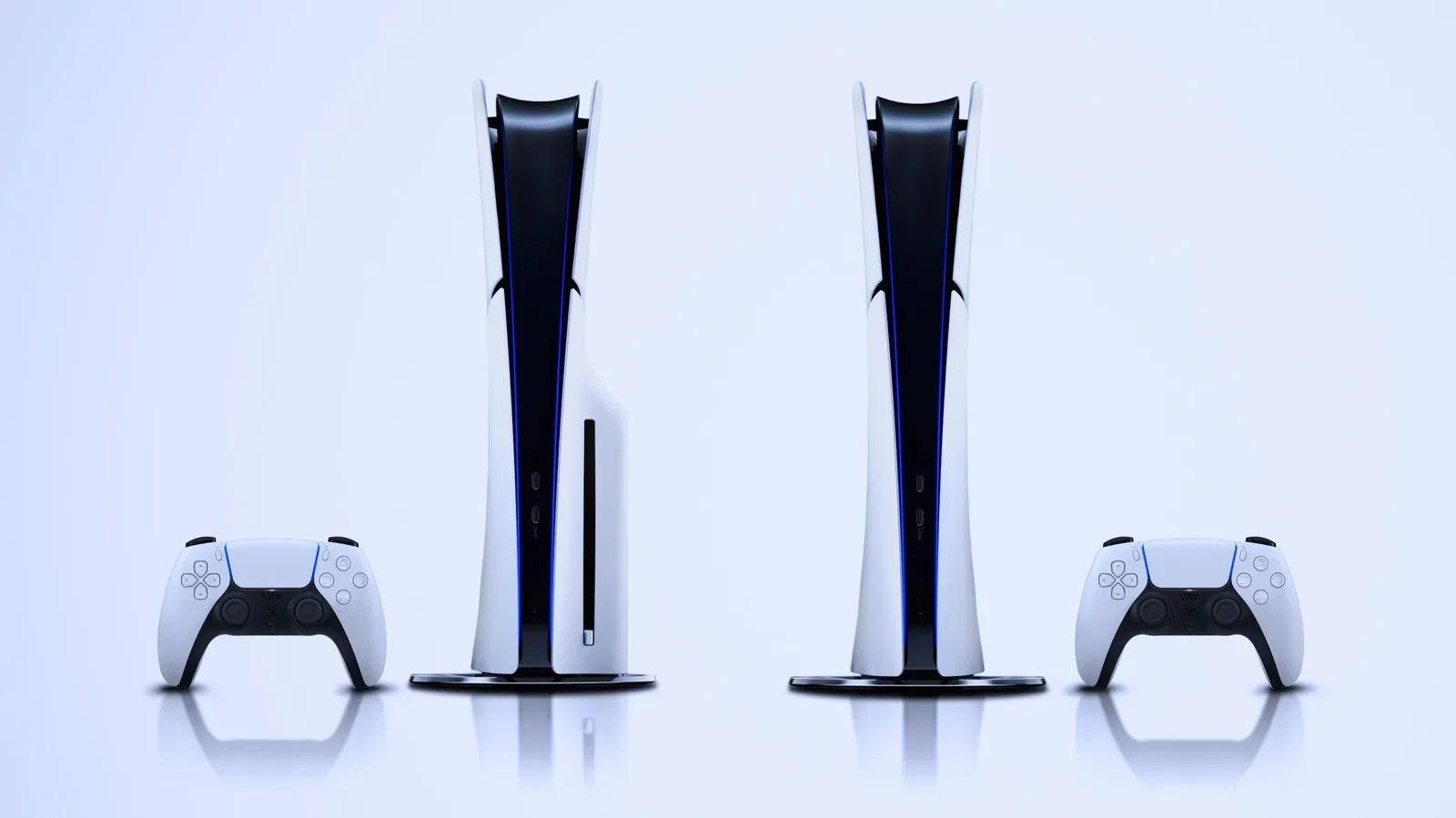
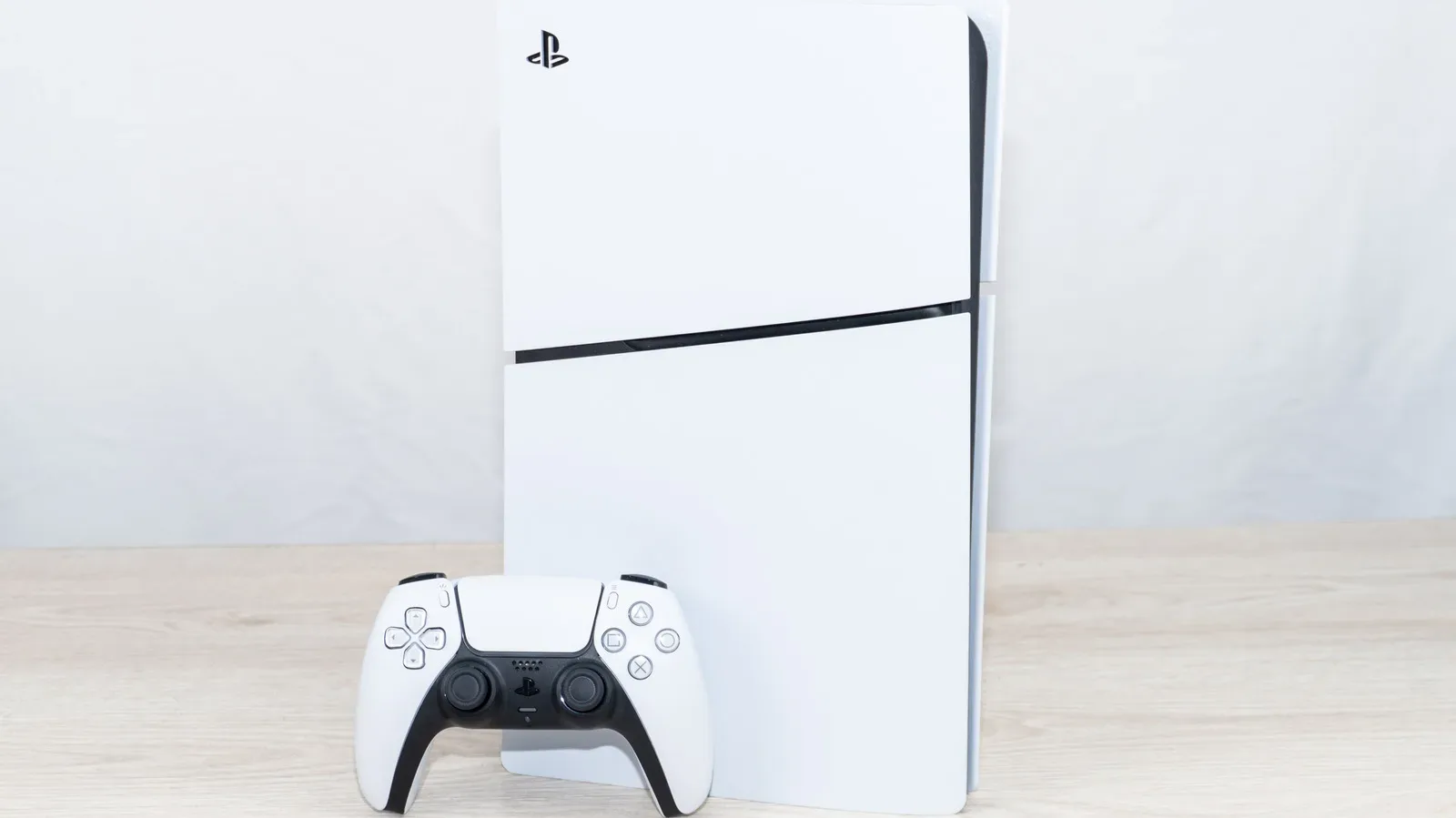
This applies to the original PS5, PS5 Slim and PS5 Pro. Their details differ, but none benefits from living inches above a carpet, particularly over the long term.
The carpet question is more nuanced than it first appears
Official guidance specifically warns against long-fiber carpeting, rather than laying out a separate carpet rule for every PS5 revision. That leaves some room for interpretation because the original console, Slim and Pro do not have identical physical layouts.
The original PS5’s vertical base has no vents. The Slim and PS5 Pro, by contrast, have small vents on their vertical bases and include rail-style stands for horizontal placement. From that hardware difference, a reader might reasonably infer that a Slim or Pro placed horizontally on carpet poses less of a direct obstruction risk, while a first-generation machine on its proper base vertically has more separation from the floor.
That is an inference, not a model-by-model placement endorsement. It also skips the larger issue: carpet holds dust and other fine debris even when it is regularly cleaned. A console’s airflow system relies on fans moving air through the machine. Positioning those pathways just an inch or two above the floor makes it easier for the system to draw in what is concentrated there.
Short-pile carpet may look like the less risky option, but it does not turn the floor into an ideal console shelf. A PS5 sitting horizontally may have a different relationship with the fibers than one standing vertically, yet its vents are still operating at floor level. The more dependable solution is to remove the uncertainty altogether and elevate the console.
Airflow is the point, not decoration
“Ventilation” can sound vague, but in this case it means preserving a route for air to move around and through the console. The PS5 uses fans to manage heat generated while it runs. Blocking a vent, surrounding the chassis too closely, or letting dust build up around airflow areas can make that job harder.
Related coverage includes Keep Your PS5 Off Carpet and Give Its Vents Room to Work.
Sony recommends at least four inches of free space on every side of the PS5. That is a practical measurement worth treating as a minimum rather than a styling suggestion. A cabinet compartment that fits the console’s outline but leaves it pressed near its walls is not a good replacement for the carpet. Nor is squeezing it into a bookcase cubby simply because it keeps the living room visually tidy.
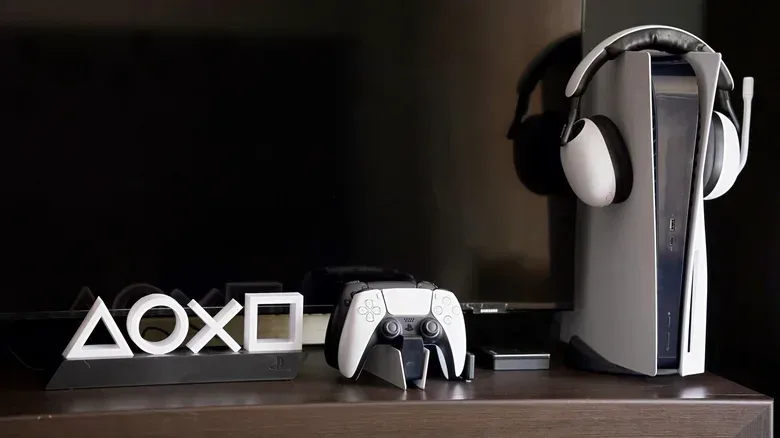
An open stand is generally a better answer because it avoids trapping the console in a tight enclosure. If the only available furniture is cramped, a small separate stand can be the safer compromise. The objective is simple: the PS5 should have open space around it, with nothing laid across or pushed directly against its vent areas.
That setup also makes everyday maintenance easier. When the machine is elevated, it is easier to see if clutter has crept into the surrounding area. Controllers, cases, papers, cables or objects casually set down near the console can gradually reduce the breathing room a setup originally had.
A simple placement checklist
- Move the console off carpeting and onto a stable, hard surface.
- Leave at least four inches of open space around each side.
- Avoid tightly enclosed shelves, cubbies and cabinets.
- Keep the immediate area clean so dust and clutter do not gather near the vents.
- Use the appropriate stand or rails supplied for the chosen orientation.
- Make sure the PS5 is not in a spot where people are likely to kick, step on or knock it over.
Why the floor creates more than an airflow problem
The cooling concern is the important technical one, but a floor placement has a plain physical downside too: it puts the console in traffic. A PS5 is large enough to be an obstacle and low enough to be forgotten. A passing foot, a pet, a vacuum cleaner or something dropped nearby can all turn an inconvenient location into a damaged console.
Carpets can make that risk less obvious because they conceal small items. The danger is not unique to PlayStation hardware, but the result can be particularly unpleasant when a misstep sends someone into the console, its cables or the TV stand attached to it.
Moving the PS5 upward is therefore doing two jobs. It improves the environment around the vents and makes the system less vulnerable to everyday accidents. A clean, open table or TV stand is not glamorous, but it is a meaningful quality-of-life upgrade for both the machine and everyone walking around it.
A loud fan is not automatically an emergency
PS5 fans can become noticeably loud during demanding games. That alone is not proof of a fault or overheating. Fan noise is a normal part of an actively cooled system responding to the heat created during play.
The more useful question is whether that noise is unusual for the console, persistent when it previously was not, or paired with other symptoms. Repeated crashes, a fan that stays extremely loud without easing, and an on-screen warning that the PS5 is hot are all stronger reasons to investigate its placement and cleanliness.
The console has protective behavior for excessive heat and may shut down to safeguard its internals. That protection is helpful, but it should not be treated as a normal feature to rely on. A heat-related shutdown is a signal to stop and address the environment around the machine, especially if it has spent significant time on carpet or in a constricted shelf.
There is an important distinction here. A crash or shutdown does not prove carpet is the sole cause, and moving the PS5 will not resolve every possible hardware issue. But poor placement and neglected vents are controllable factors. Correcting them is a sensible first step before assuming the console has a more complicated failure.
Cleaning after a carpet setup
If a PS5 has been on the carpet for a while, relocating it should be paired with a routine clean. Focus on the exterior vent areas and the space where the machine will now live. Before doing any work, turn the console off and unplug it.
A low-power handheld vacuum can be used for a quick pass around the vents. The goal is basic removal of loose dust, not aggressive treatment. Keep the surrounding stand or tabletop clear as well; cleaning only the console while leaving a dusty, crowded surface underneath defeats much of the purpose.
Maintenance does not require panic or constant dismantling. It means paying attention over time. Look at the vent areas periodically, remove accumulating debris, and make sure the four-inch clearance has not quietly disappeared beneath accessories or household clutter.
This is especially useful for players preparing a PS5 for a major download or long sessions with a demanding release. Storage planning is a separate issue from cooling, but both reward taking stock of the setup before a big game arrives; our guide to PS5 and Xbox external-storage rules for GTA VI covers the storage side of that preparation.
Vertical orientation and the liquid-metal claim
Placement conversations sometimes expand into worries over vertical versus horizontal orientation. The supplied evidence does not establish a universal prohibition against keeping a PS5 vertical. In fact, the original model was designed with a vertical base, while Slim and Pro systems have their own stand arrangements.
However, third-party repair businesses have reported concerns involving liquid-metal thermal material in first-generation PS5 consoles after prolonged vertical use. Liquid metal is a thermally conductive material used to transfer heat away from a component; its effectiveness depends on remaining where it is meant to be.
That report is worth treating carefully. It identifies a potential issue noted by repair shops, not a confirmed diagnosis for every original PS5 placed upright. It also should not overshadow the immediate, better-supported housekeeping priorities: use the appropriate stand, preserve clearance, keep vents clean and avoid putting the system on the carpet.
For owners who are deciding where to put an existing console today, the practical choice does not have to become an argument about one orientation. Choose the arrangement supported by the hardware and stand you have, then prioritize a stable elevated surface with plentiful room around it.
What to change today
If your PS5 is currently on a rug or carpet, there is no need for a dramatic response. Power it down, unplug it, move it to a suitable open surface and inspect the vent areas for dust. Confirm the new spot has at least four inches of clearance on every side and is not wedged into a closed compartment.
Then keep an eye on the console during normal play. Normal fan activity is expected. Temperature warnings, persistent excessive fan noise, or heat-related shutdowns deserve attention. Start with cleaning and placement, but remember that recurring trouble can point to a separate issue beyond the environment.
The main takeaway is uncomplicated: carpet is not the best long-term home for a PS5, regardless of whether it is an original unit, Slim or Pro. Give the console a hard, stable surface and room to move air, and you reduce avoidable dust exposure and accidental-contact risk at the same time.