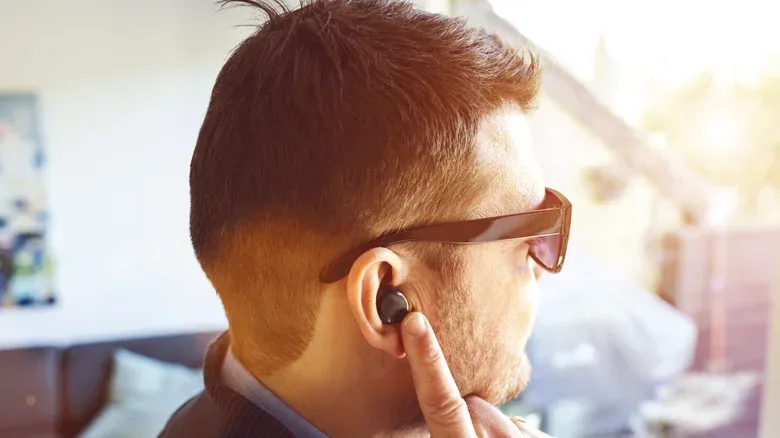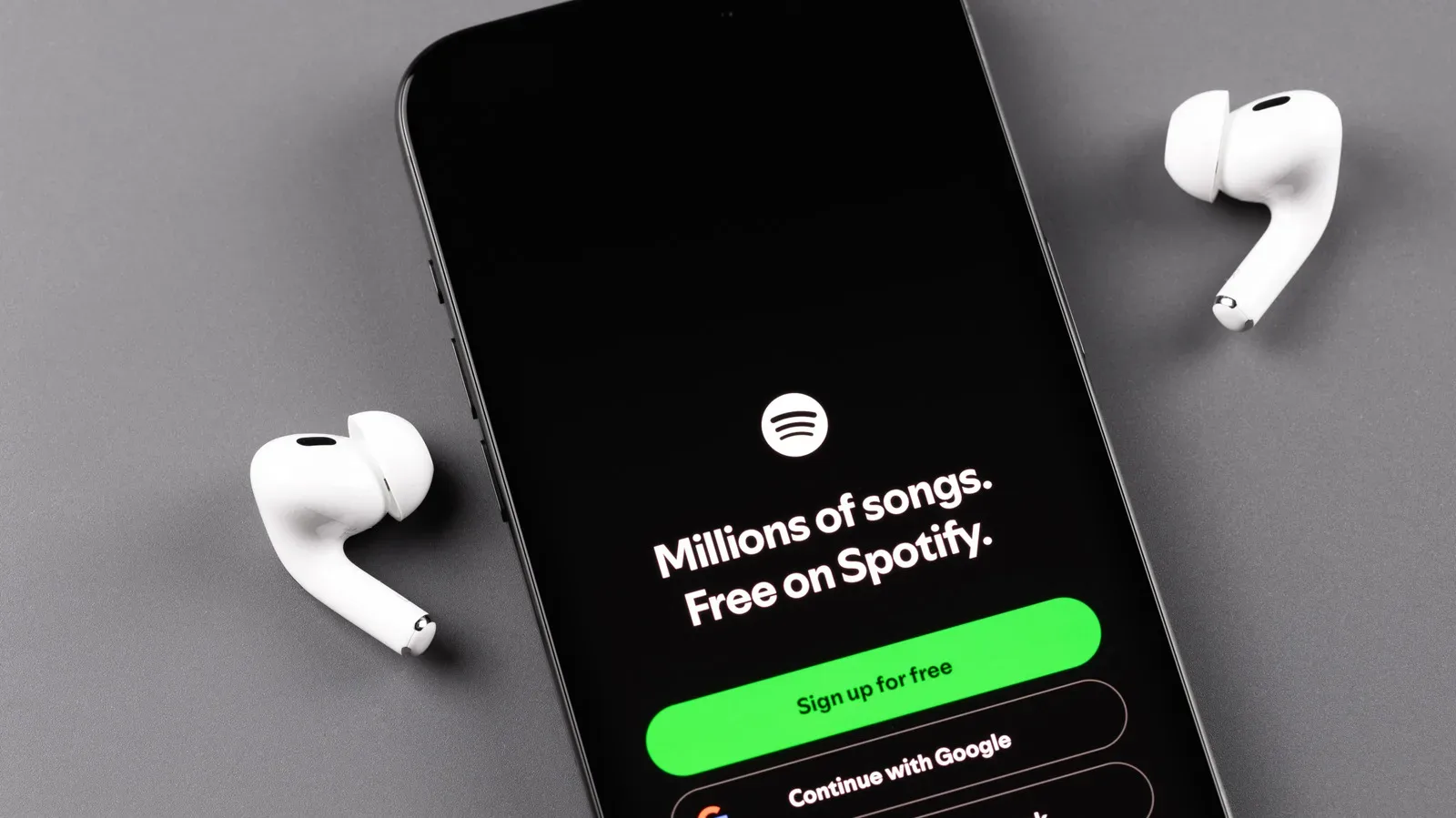
There is a peculiar modern tragedy playing out in charging cases everywhere: one wireless earbud is doing all the work while its matching partner lives a life of sheltered luxury. The hardworking bud takes every call, handles every quick podcast, and emerges from the case whenever someone needs to look busy but approachable. Its twin, meanwhile, remains fully charged, pristine and suspiciously well-rested.
That habit can have a practical consequence. Regularly using only one earbud puts more battery use, Bluetooth activity and physical handling on that one side. Over time, the more-used earbud can lose charge faster than its counterpart, turning a matching pair into an increasingly lopsided team.
This is not a reason to panic over the occasional one-ear call. Mono listening has genuine uses, from taking a brief hands-free call to following a spoken translation while remaining engaged with the room. But if a single earbud is your default for hours at a time, it is worth understanding what is happening inside the tiny overworked gadget—and what settings and routines may reduce the imbalance.
One earbud, more battery cycles
The core issue is straightforward: rechargeable batteries do not have unlimited working life. The earbud used most often is depleted more often, then must be recharged more often. That creates an unequal number of charging cycles between the two buds.
A charging cycle is best understood as battery use and replenishment over time, rather than simply the act of placing an earbud in its case once. If the left bud has fallen to 50% while the right sits at 80%, the left side requires more energy to return to a full charge. Repeat that pattern frequently and the left bud accumulates more use than the right.
The result is not necessarily an instant failure. It is a gradual usability imbalance. Eventually, the frequently used earbud may run down first when both buds are needed for music, a game or a call. At that point, the supposedly convenient single-ear routine can force the listener back into mono playback at exactly the time stereo listening was wanted.
Think of a wireless pair less like two independent accessories and more like a tiny two-person co-op squad. They may return to the same case after each mission, but they do not necessarily arrive with the same remaining health bar. The one sent into every encounter will show the wear first.
Why calls can make the difference more noticeable
A single earbud used for calls is not merely playing audio. It is also maintaining a Bluetooth connection and supporting hands-free communication. That additional work consumes power. Frequent calls can therefore make the regularly selected bud drain more quickly during use, with the long-term effect of concentrating more battery wear on that side.
Related coverage includes Why Favoring One Earbud Can Shorten Its Useful Life.
There can also be a handling imbalance. Removing the same earbud from the case more frequently means that it is the one repeatedly being inserted, worn, removed and returned to its charging contacts. That does not mean the other bud will remain perfect forever, but it reinforces the larger pattern: one side sees more of everything.
For anyone who has wondered why one member of a wireless set seems to expire early while the other still reports a comfortable percentage, this uneven workload is a sensible place to look. The pairing is still technically intact, but its day-to-day usefulness has become less balanced.
Mono mode is not always as flexible as it sounds
Mono mode here means using one earbud by itself. Many current wireless earbuds can do this with either side, which makes it possible to alternate: use the left bud for one call, the right for the next, and share the battery burden.
However, not every set works that way. Some earbuds use a master/slave arrangement. In that design, one earbud serves as the primary connection to the phone and relays data to the other. If that primary bud is the only one capable of independent use, there is no simple left-right rotation available. It is the designated employee of the month until its battery begins demanding a union representative.
Newer role-swapping designs are more helpful. With role swapping, either earbud can take on the primary job, so each can be used independently. Samsung Galaxy Buds and Google Pixel Buds are among the examples identified as supporting single-ear use from either bud. For people who regularly rely on mono listening, this flexibility is not just a convenience feature; it provides a way to distribute wear more evenly.
Before building a routine around one-ear listening, check the documentation or device settings for your specific model. The key question is simple: can either earbud operate alone, or must it always be a particular side? If the answer is “only one side,” that earbud is inherently more exposed to an uneven workload.
A practical routine for keeping the pair balanced
The most effective approach is also the least exciting: do not make a single earbud your permanent all-day companion. Use both earbuds when it makes sense, and reserve one-ear use for occasions where it solves a real problem.
If your earbuds allow either side to work independently, rotation is the practical fix. It does not need to become a spreadsheet, a calendar reminder or a solemn ceremony involving a coin flip. A few easy approaches work:
- Use one side for the first call or listening session, then choose the other next time.
- Switch ears between longer one-ear sessions.
- When one bud’s remaining battery is noticeably lower, make its partner the next mono option.
- Use both buds for media sessions where awareness of the environment is not essential.
The goal is not perfect mathematical symmetry. Small differences are inevitable. The point is to avoid repeatedly placing nearly all call time and Bluetooth activity on one battery while the other receives only occasional use.
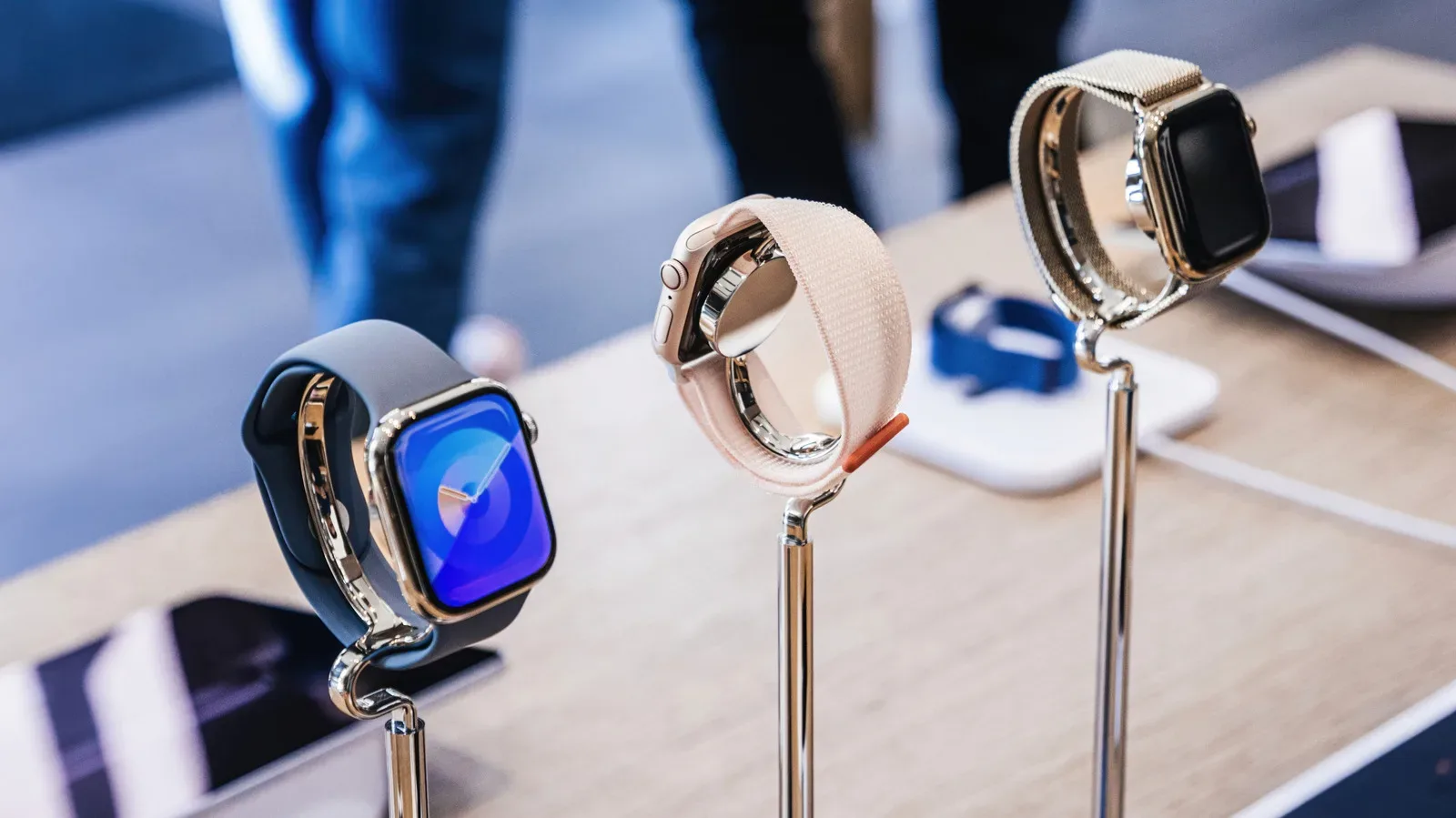
This is the same broader ownership logic behind choosing equipment with durability and long-term use in mind. Wearable devices often look like single products, but their materials, batteries and daily routines can create different trade-offs. For a related look at how material choices affect wearable priorities, see this comparison of titanium and ceramic Apple Watch options.
Want awareness? Try transparency mode instead
Many people use only one earbud because they want to hear what is happening around them. That is reasonable. You may be waiting for someone to speak to you, listening for an announcement, or simply trying not to be completely cut off from the space you are in.
For that situation, earbuds with transparency mode, also called ambient mode, may be a better fit. This feature lets outside sound through while both earbuds are worn. It can make it easier to hear conversation, a nearby voice, or an announcement without assigning all the listening to one side.
Some models can also shift into this mode when they detect voices. The important distinction is that transparency mode is intended to provide environmental awareness while preserving two-ear use. That potentially avoids the battery imbalance caused by making one bud the permanent communication specialist.
It is not a universal answer. A quick call may still be easiest with a single bud, and some situations call for less audio equipment, not more. But if the single-ear habit exists mainly because both earbuds feel too isolating, transparency mode addresses the underlying reason rather than merely working around it.
Driving is a separate question from battery health
One-ear listening while driving is sometimes treated as the compromise option: one ear handles a call while the other remains open to the road. But legality varies by state and location, so it should not be assumed that the setup is permitted wherever you are.
There is also a more direct alternative for calls: use a phone’s speakerphone function, potentially through Apple CarPlay or Android Auto where available. For private conversations with other people in the vehicle, a dedicated one-piece Bluetooth earpiece can be worth considering instead of repeatedly exhausting one side of a favorite true-wireless pair.
Single Bluetooth earpieces are still available from brands including Poly and BlueParrott, though many current options are aimed at professional users and are larger than the compact earpieces that once dominated hands-free calling. An older spare pair of earbuds can also make more sense for occasional private calls if preserving the balance of a newer pair matters to you.
When an uneven pair becomes an actual problem
The first warning sign is usually mundane: one side consistently dies earlier than the other. That may be merely inconvenient during music playback, but it can be more restrictive with a master/slave set. If the battery in the primary earbud runs out, the remaining bud may not be able to continue on its own.
For gaming, streaming and other stereo media, the practical loss is not just total runtime. It is predictability. A pair that reaches for the charging case at dramatically different times is harder to rely on for a full session, even if one bud remains charged. The spare battery percentage cannot necessarily rescue the experience when the other side has already checked out.
There is no need to retire mono listening entirely. The sensible takeaway is smaller: use one earbud deliberately rather than automatically. Alternate sides when your model supports it, choose both buds with ambient sound features when awareness is the goal, and use speakerphone or a dedicated earpiece when that better suits the situation.
Your earbuds do not need to split every task with courtroom-level fairness. They just deserve a workload that does not leave one of them carrying the entire Bluetooth civilization on its tiny rechargeable back.