A dumb phone has an appealingly simple pitch: calls, texts, alarms and far fewer reasons to stare at a glowing rectangle. For people who feel every queue, commute and quiet minute turning into an automatic scroll, that limitation is the point rather than a flaw.
There is a real practical argument here, especially for players who want to keep games as deliberate downtime instead of one more endlessly connected habit. A basic handset can sever the chain of push notifications, social feeds, email and app alerts that competes for attention before a game even boots. But the same reduced feature set also removes tools many people now use to get around, pay, sign in and stay in touch.
That makes the sensible question less “Is a dumb phone better than a smartphone?” and more “What job should this phone do?” In 2026, a pared-back phone can be a low-cost, long-lasting device for selected situations. For most people, however, it is likely to work better alongside a smartphone than in place of one.
What counts as a dumb phone?
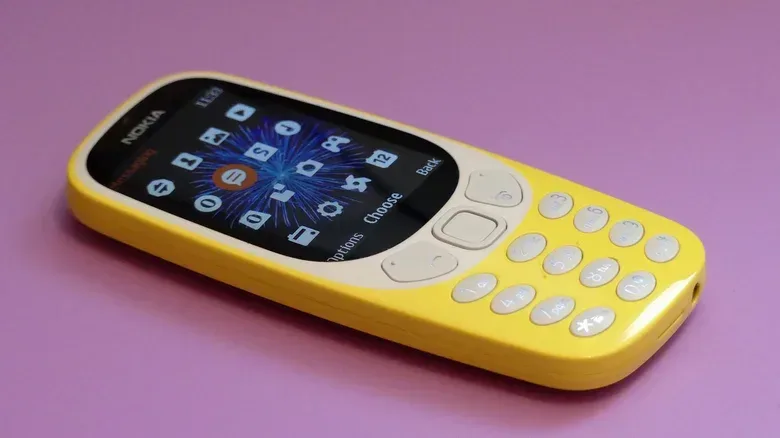
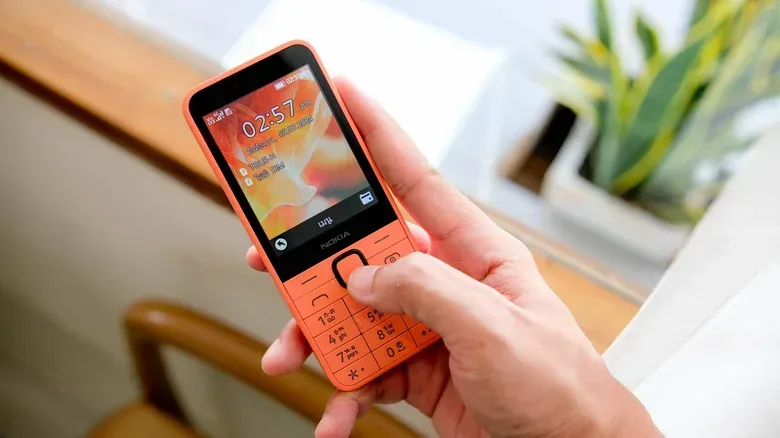
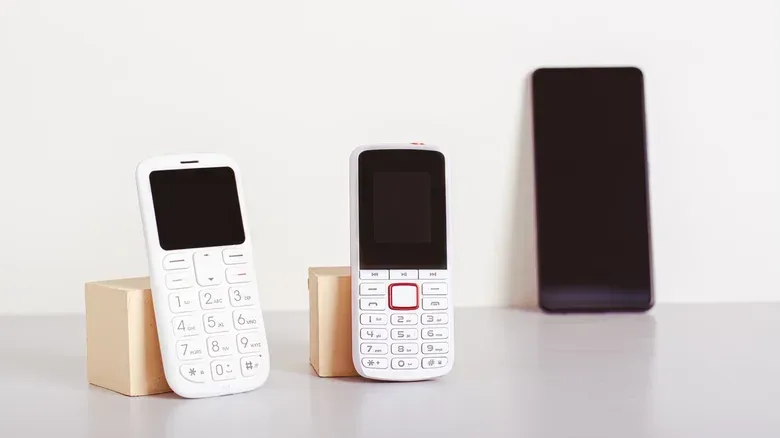
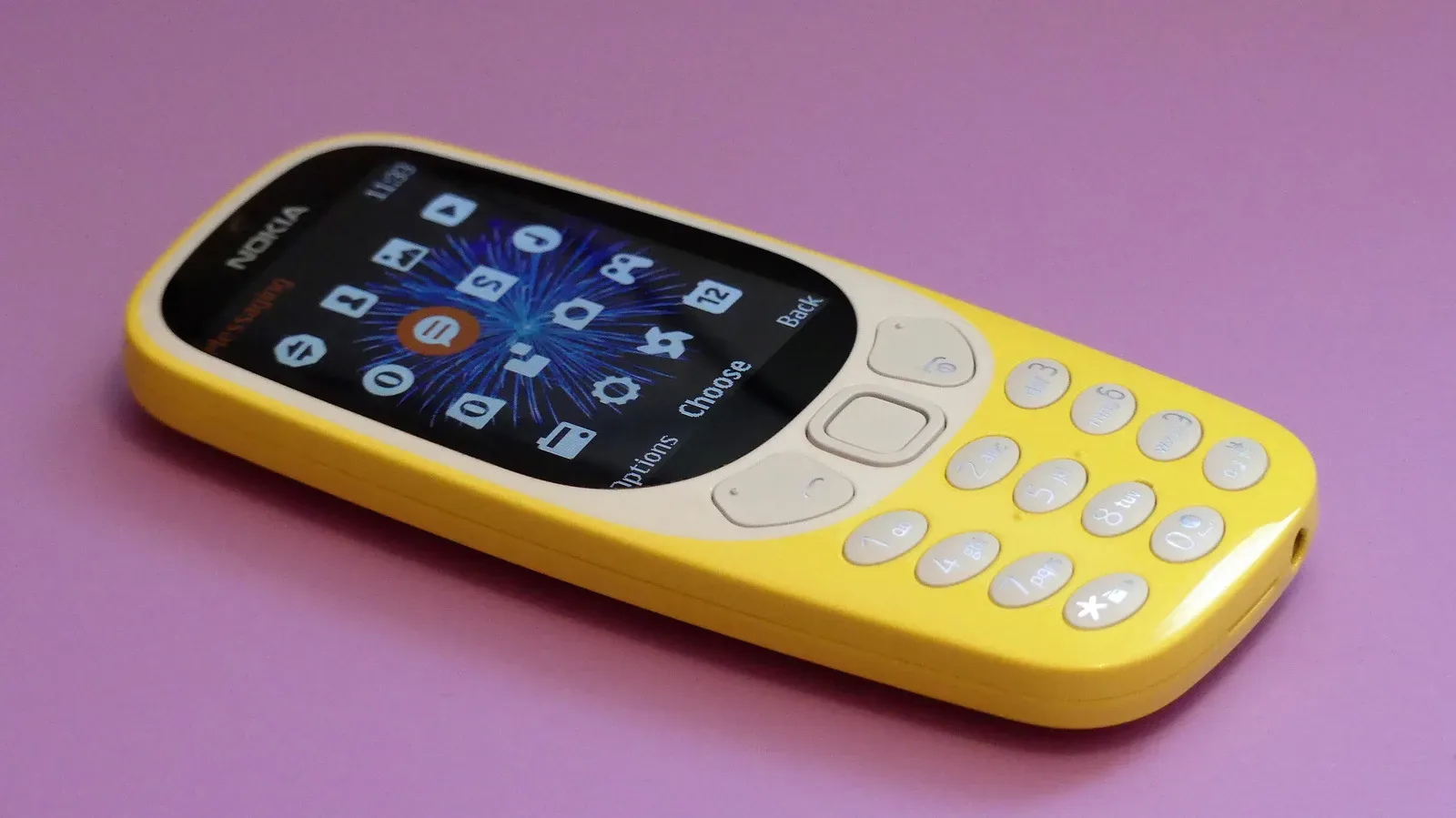
The label covers a range of deliberately limited devices. At the most basic end are old-school-style phones focused on calling, texting and built-in utilities such as an alarm. Some include a camera. Others use a simplified version of Android, allowing a narrower selection of applications such as games, navigation or music players.
That distinction matters. A phone that cannot install third-party apps creates a hard boundary: the distracting services are not merely hidden behind a limit or a setting; they are absent. A simplified Android phone may offer more flexibility, but it also weakens that boundary. Someone who wants directions, a music player and a few games may see that as a good compromise. Someone trying to remove the temptation to reinstall every familiar service may not.
“Dumb” is therefore not a precise technical standard. It is a useful shorthand for a device designed around less capability and less persistent online engagement than a modern smartphone.
The strongest case: fewer prompts competing for attention
Smartphones remain the standard mobile device even for people who use only a fraction of their capabilities. Their connected app ecosystems make it easy to move from a message to a social feed, from a browser to a video, or from one notification to the next. Screen-time controls can help some users, but a setting still leaves the app, account and habitual route back to it within reach.
A basic phone changes the environment rather than asking the owner to win the same self-control battle repeatedly. Calls and texts are still available, while many of the usual attention magnets are not. That is a more concrete change than simply moving icons into a folder.
For gaming, that can be useful in a few different ways. A player may want a weekend without social notifications interrupting a single-player campaign. A group might want a phone that handles coordination while avoiding the constant pull of chat servers, storefront alerts and feeds. Or a person may simply want their commute and breaks to stop becoming unplanned sessions of scrolling or mobile play.
None of that makes a dumb phone an automatic cure for distraction. A person can still find other distractions, and a simplified Android model may still run certain apps. The practical advantage is narrower: the device can make the most common digital detours less convenient or impossible.
Battery endurance is a meaningful practical benefit
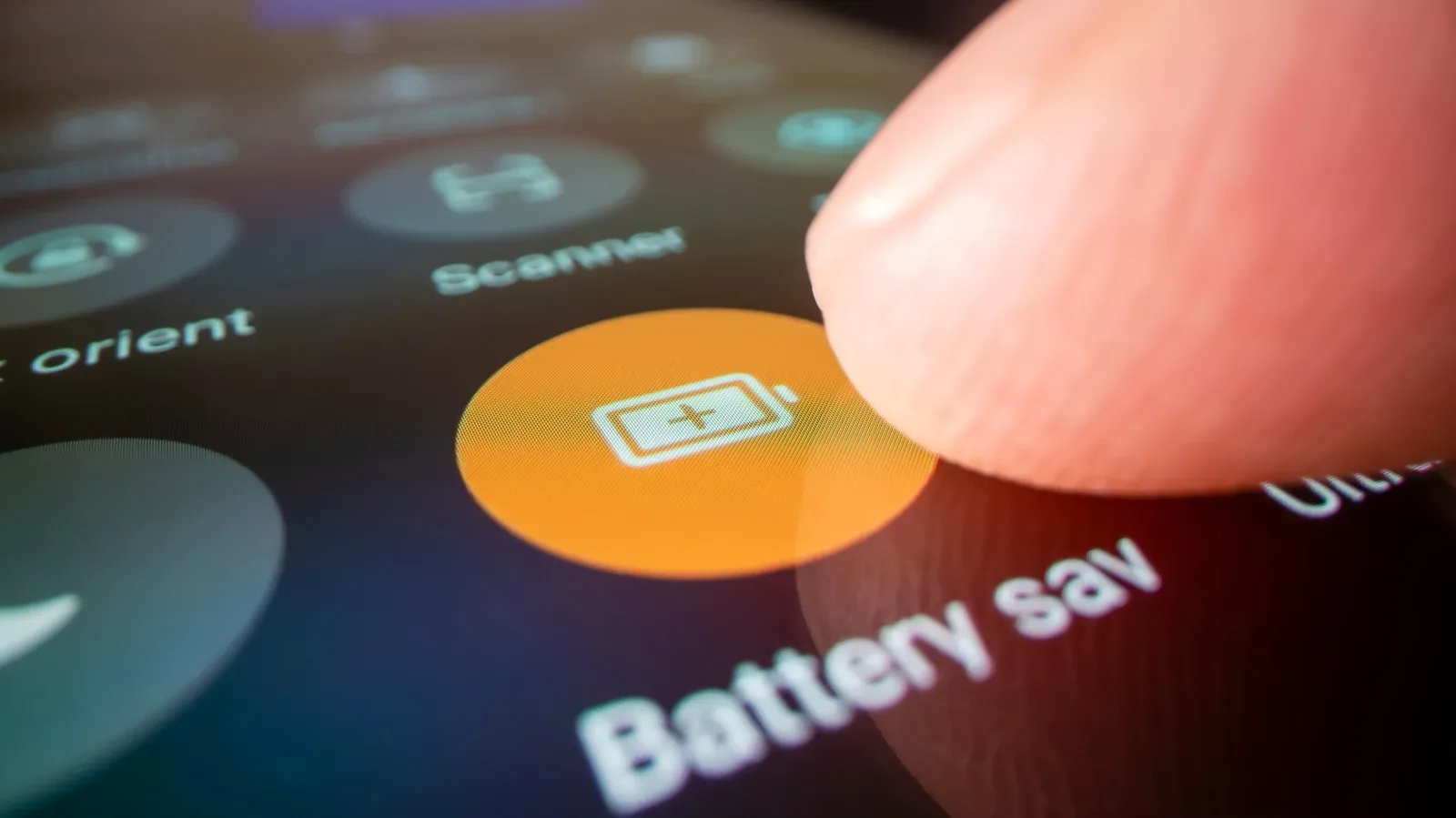
Small displays and modest processors generally demand less power than a modern smartphone. That can translate to days of use between charges. The TCL Flip Go, for example, is rated for roughly 14 days of standby time. Standby is not the same as continuous use, but the rating illustrates why these phones can be attractive when dependable basic communication matters more than a bright screen and a deep app catalog.
Road trips and hikes are obvious use cases. A phone meant for calls and messages, rather than constant streaming, navigation, camera use and background apps, can be reassuring when charging opportunities are scarce. It can also be a useful backup communication device for someone carrying their primary smartphone but wanting to conserve its battery.
Gamers can apply the same logic to travel or events. A secondary basic phone could keep essential calling and texting available while a smartphone stays powered down, packed away or reserved for specific needs. The trade-off is that the smartphone still carries the tools the basic phone lacks, so it is not a magical escape from needing power altogether.
Lower cost and fewer apps can reduce exposure, not erase risk
Many dumb phones are priced below $100 in the United States, while entry-level Android smartphones generally cost about twice as much. That price gap makes the category more accessible as a backup or purpose-specific device. It also lowers the financial barrier for anyone who wants to try a less connected routine without immediately abandoning their existing phone.
Privacy is another attraction, but it needs careful wording. A phone with no third-party apps has fewer app-based trackers collecting information for advertising. That is a real reduction in one category of data collection. It does not mean the device becomes anonymous, invulnerable or free from every kind of data handling. The supported point is simpler: fewer installed services mean fewer third-party apps gathering data through their own software.
For people rethinking how much personal information they hand to app ecosystems, that reduction may be valuable. It is also an example of a broader lesson: convenience and data collection are often intertwined. Removing the convenience of a service frequently removes access to that service’s app-level tracking as well.
The price of simplicity is losing modern infrastructure
The most serious drawback is not missing a social app. It is losing access to services that have quietly become part of everyday logistics. A phone without third-party apps may leave its owner unable to use ride-hailing, Google Maps, streaming services such as Spotify or Apple Music, or mobile wallet systems including Apple Pay and Samsung Pay.
The camera compromise is equally straightforward. Some basic phones have cameras, but they are not substitutes for the capable portable cameras built into current smartphones. Anyone used to taking and sharing photos regularly will notice the reduction.
Messaging can become awkward too. Basic calling and texting remain central functions, but the practical expectation is SMS or RCS rather than iMessage. SMS is the conventional text-message system. RCS, short for Rich Communication Services, is a newer messaging standard that can provide richer functions than SMS where supported. Neither necessarily replaces the particular services friends, family or gaming groups use. Many basic phones also lack WhatsApp and Telegram.
That can be more than an inconvenience for multiplayer communities. Group coordination often happens in app-based chat, and a basic phone may leave the player able to receive a text but outside the place where schedules, invites and strategy are being shared. Before switching, it is worth identifying the specific channels that matter rather than assuming “texting works” covers every relationship or group.
Network support and account security deserve a check before buying
Internet connectivity varies by model. Most dumb phones are limited to 4G networks. Some 5G-capable options exist, but they are harder to find and cost more. That does not automatically make a 4G phone unsuitable, but it confirms that buyers should treat network support as a model-by-model specification instead of an assumption.
Account security may be the larger obstacle. Many people rely on authenticator applications, such as Google Authenticator, for two-factor authentication. Two-factor authentication means a login requires more than a password, commonly a second code generated by an app. If that app cannot run on the phone, a user may lose a key part of their usual sign-in process. Banking apps may also be unavailable.
This is where a full smartphone replacement can become impractical quickly. A person may be willing to give up music streaming, but not the ability to access financial services or authenticate into important accounts. It is also why a basic phone should not be bought on the assumption that a mobile number alone will preserve every digital workflow.
The broader mobile ecosystem continues to add device-based capabilities. For example, newer iPhone authentication options underline how closely identity and daily device access can be linked. A dumb phone is intentionally stepping away from much of that ecosystem, which can feel freeing or restrictive depending on what a person needs each day.
A better approach: define a role before making the switch
The strongest use case is a second phone with a defined purpose. Take it on a hike, use it for a low-notification weekend, keep it as a travel companion, or make it the device for periods when the smartphone needs to stay out of reach. That approach preserves the benefits of long battery life, lower cost and reduced app access without forcing an immediate break from navigation, payments, banking and account security.
Before choosing one, make a short list of non-negotiables:
- How will essential contacts reach you: SMS, RCS or an app-based messenger?
- Do you require maps, ride-hailing, mobile payments or streaming while away from home?
- Do you need an authenticator app or banking app to access important accounts?
- What network support does the exact model offer: 4G or 5G?
- Do you want a strict no-app boundary, or limited apps such as navigation and music?
- Is the goal a permanent replacement, a backup phone or a scheduled break from smartphone use?
Those questions turn a vague digital-detox purchase into a practical choice. The appeal of a dumb phone is not that it does everything a smartphone does with less fuss. It is that it refuses to do much of it. For someone overwhelmed by notifications and algorithms, that restraint can be the whole feature. For someone who depends on modern services every day, it is also the reason to keep their smartphone nearby.