Control Resonant is estimated to take 20–25 hours for players focused on the main story. That is the cleanest answer, but it is not the whole scheduling picture. The game has a larger, more sandbox-oriented map than its predecessor, with optional activities, side quests, puzzles, and discoveries that can substantially alter the time spent in its world.
For a playthrough that combines the story with major optional objectives, the expected range rises to 25–30 hours. Players aiming to clear all available content should allow 40–50 hours. Those brackets are estimates rather than a promise of a fixed finish time: combat difficulty spikes and puzzle roadblocks can make one person’s route meaningfully longer than another’s.
Control Resonant completion-time estimates
- Story campaign: 20–25 hours
- Story plus major side quests: 25–30 hours
- 100% completion: 40–50 hours
The spread between those routes matters. A campaign-only player may be done in roughly half the time required for full completion, while the middle path adds only around five additional hours beyond the upper end of the story estimate. In practical terms, that makes the standard route an appealing target for players who want meaningful optional material without treating every undiscovered corner as mandatory.
Why the answer varies so much
Completion time is shaped by more than map size. Control Resonant reportedly places greater emphasis on content outside the main path, including side quests and things to uncover. That means players can make different choices about where to spend their time: moving directly between story objectives, investigating detours that look rewarding, or methodically working through the entire map.
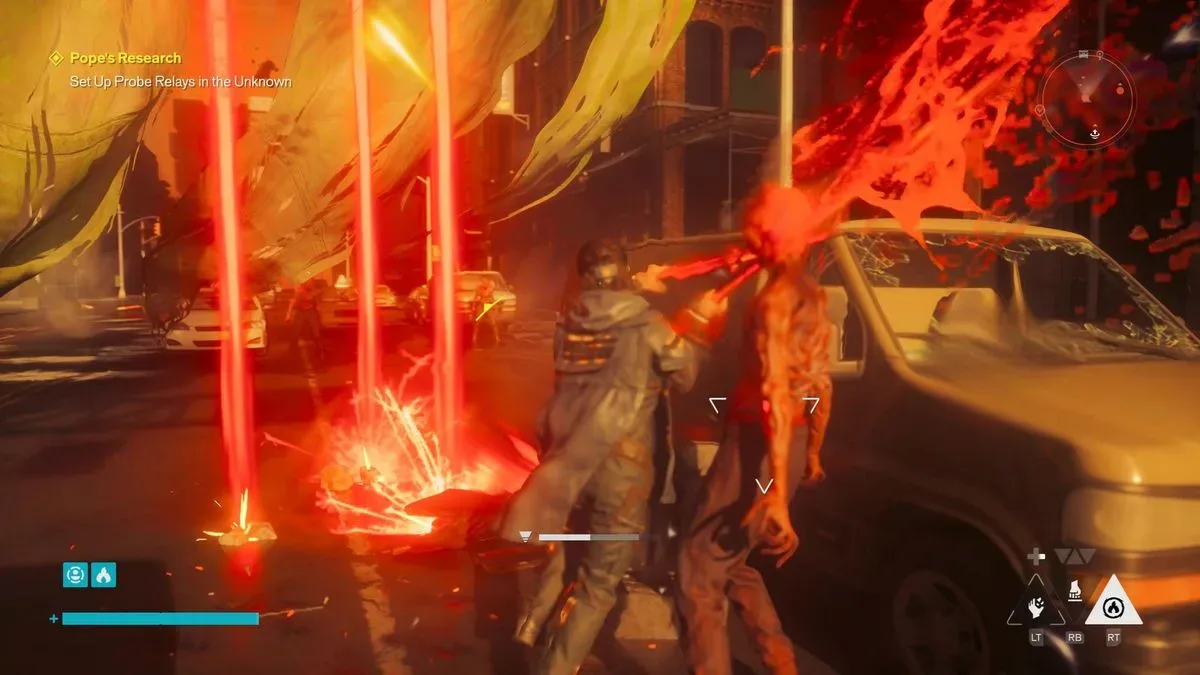
Optional content is especially important here because its rewards are described as highly useful against the enemies and challenges found in the main story. They may not be strictly required, but skipping everything is not necessarily the fastest path in the broader sense. A player who reaches a difficult combat encounter or puzzle underprepared may lose more time retrying it than they would have spent picking up helpful unlocks through a few side activities.
That does not mean every player must pursue total completion. It does mean that the advertised 20–25-hour campaign estimate should be read as a route for someone who stays broadly focused, rather than as a recommendation to ignore every diversion. The game’s structure appears to encourage at least some exploration.
What “standard playthrough” means
The 25–30-hour estimate covers the story alongside major side quests. It sits between two familiar approaches: a direct campaign run and a completionist sweep. It is likely the most useful range for players who want a substantial view of what Control Resonant offers but do not want to turn a first playthrough into a checklist.
“Major side quests” should not be confused with all optional material. A 100% run is estimated to add another 15–20 hours beyond the standard-playthrough range. That additional time accounts for a much deeper commitment to the game’s wider map and its available content, rather than simply a handful of story-adjacent detours.
Related coverage includes How Long Is Control Resonant? Story, Side Quest and 100% Completion Times.
If you are planning a first run around a limited schedule, 25–30 hours is a sensible allowance for engaging with the game beyond its critical path. If your priority is simply reaching the ending, the 20–25-hour bracket is the more relevant measure. If the goal is to leave nothing unfinished, set aside 40–50 hours and expect puzzles, combat, and exploration to dictate where the extra time goes.
Puzzles and combat can change the pace
Two sources of variation stand out: combat and puzzles. A difficulty spike is a section that is noticeably more demanding than the challenges immediately before it. In an action game, that can lead to repeated attempts, changes in equipment or abilities, or a decision to seek upgrades elsewhere before returning. Each response changes the clock.
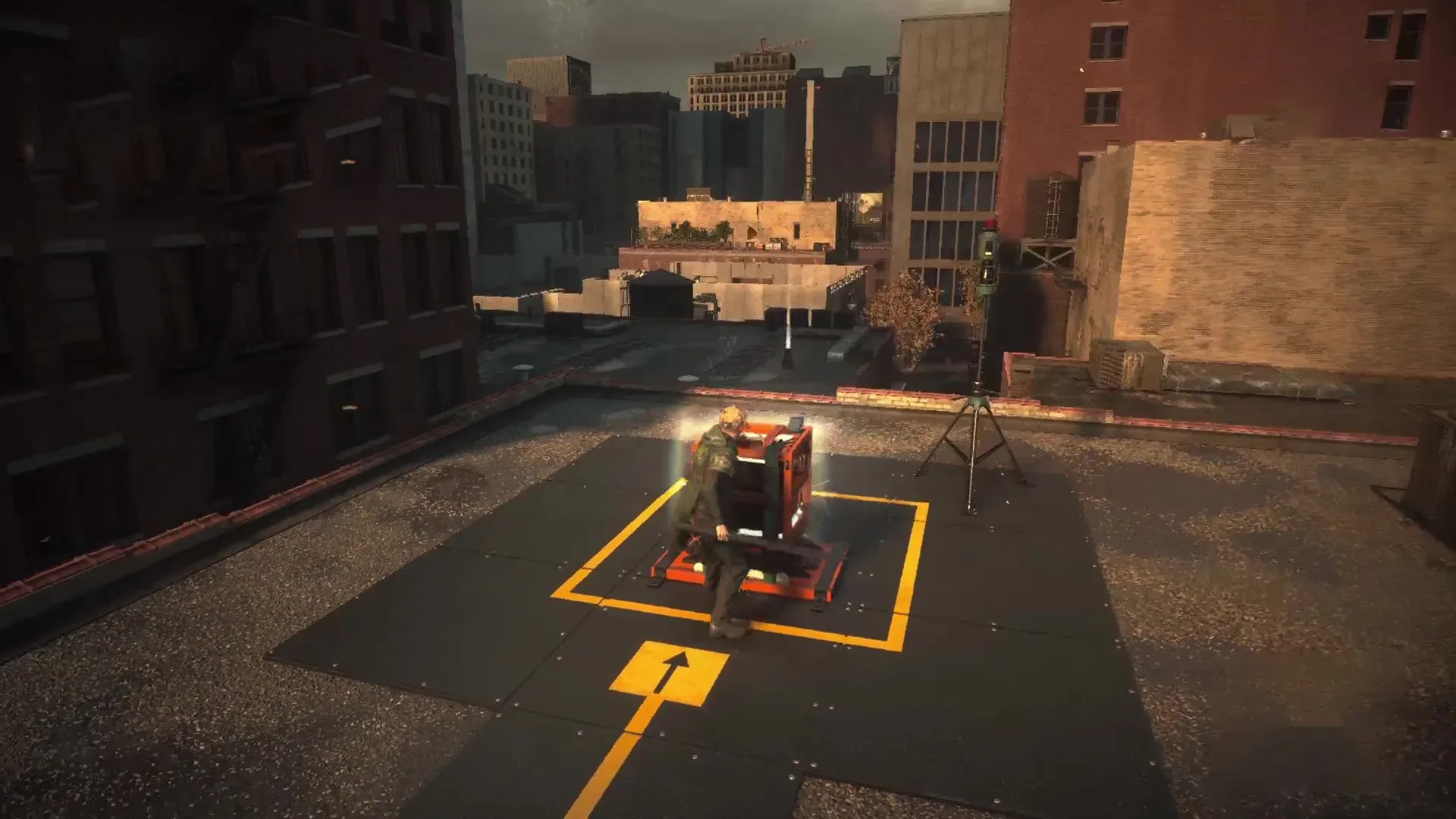
Puzzles produce a different kind of delay. Mechanical execution may not be the obstacle; instead, progress can pause until the player identifies the intended clue or interaction. The game includes challenges involving a Power Core and moving a charge, as well as a radio-and-Panopticon mystery tied to a Field Office. For help with one early obstacle, see our guide to moving the charge to Central Checkpoint.
Players who enjoy solving such problems unaided should anticipate a less predictable overall time. Those who prefer to consult guidance after a brief attempt can keep the journey closer to a planned range. Neither approach is inherently better; the useful distinction is whether solving every mystery personally is part of the experience you want from a first run.
How to choose the right route for you
Choose the story route if you want the core campaign
The 20–25-hour estimate is for players whose main goal is seeing the central narrative through to its ending. This is the most efficient route, but optional rewards are still worth considering if the main path becomes difficult. Taking a small number of purposeful detours can be more valuable than trying to force progress through a tough encounter without additional tools.
Choose the standard route if you want flexibility
The 25–30-hour range is suited to players who like exploring when something seems interesting, completing the larger optional threads, and collecting rewards that support the rest of the adventure. It leaves room to respond to what the game presents rather than following either extreme: rigidly rushing the story or exhaustively clearing every marker.
Choose 100% completion if exploration is the point
The 40–50-hour bracket is for players who want to uncover the full set of available content. A completionist route should be approached as its own kind of playthrough, not merely a short epilogue after the ending. The gap from the campaign estimate indicates that exploration and optional objectives form a substantial portion of Control Resonant’s total runtime.
New Game Plus changes the long-term value of a run
Control Resonant includes New Game Plus. This mode allows players who have completed the story and achieved what they want to begin again while retaining abilities and unlocked gear.
In plain terms, New Game Plus is not another measure of how long a first completion takes. It is a replay option. The 20–25, 25–30, and 40–50-hour estimates describe different scopes for a run, whereas New Game Plus gives players a way to revisit the full adventure after that point without starting from zero.
That retention can be particularly useful for two groups. First, players who focus on the story initially can later return with their established toolkit and revisit material they left behind. Second, players who have already invested in optional rewards can take those unlocks into another pass through the game. It also makes an initial, non-completionist approach less final: choosing not to chase everything on the first journey does not prevent a later return.
Planning your time in Control Resonant
Use the campaign estimate as a baseline, not a deadline. If you usually explore maps, pursue side quests, and stop to solve puzzles yourself, the standard range—or even the lower end of the completionist range—may better reflect your habits. If you tend to follow the main objective and only branch out when necessary, the story estimate is the better fit.
The most practical takeaway is that optional content appears to serve both curiosity and character progression. Players looking for the smoothest first-time experience may benefit from treating side activities as part of their preparation, especially after a challenging fight or puzzle slows momentum. Meanwhile, anyone who wants a clean narrative run has a clear expectation: roughly 20–25 hours before credits, with New Game Plus available afterward for another pass with retained abilities and gear.