Grand Theft Auto 6 gives players an enormous amount to juggle in Leonida: health and stamina, a Focus meter, personal vehicles, changing outfits, police attention, phone apps and a world full of distractions that may be worth investigating. The good news is that many of its systems connect in useful ways. A quick meal can prepare you for a fight; a spare outfit can help you disappear after one; and a little patience can reveal encounters that would be missed while racing from mission icon to mission icon.
This guide stays clear of plot details and major secrets. It is about the practical interactions that make the early hours smoother, along with a few quality-of-life habits that can save cash, time and unnecessary police trouble.
Build a pre-mission routine around food, drink and Focus
Before leaving home for a mission, robbery or free-roam detour, consider picking up food and a drink. These consumables improve health, stamina and Focus. In practical terms, that means more durability in a fight, longer running capacity and greater use of the game’s combat slow-down effect.
Focus is more than an aiming tool. It is a general awareness mechanic used to examine the world, identify activity and assist with stealth. Clicking both analog sticks activates it, while holding the left trigger can be used to focus on specific people, animals and interactions. Because it has value during combat and exploration alike, beginning an outing with the meter boosted is a simple low-risk habit.
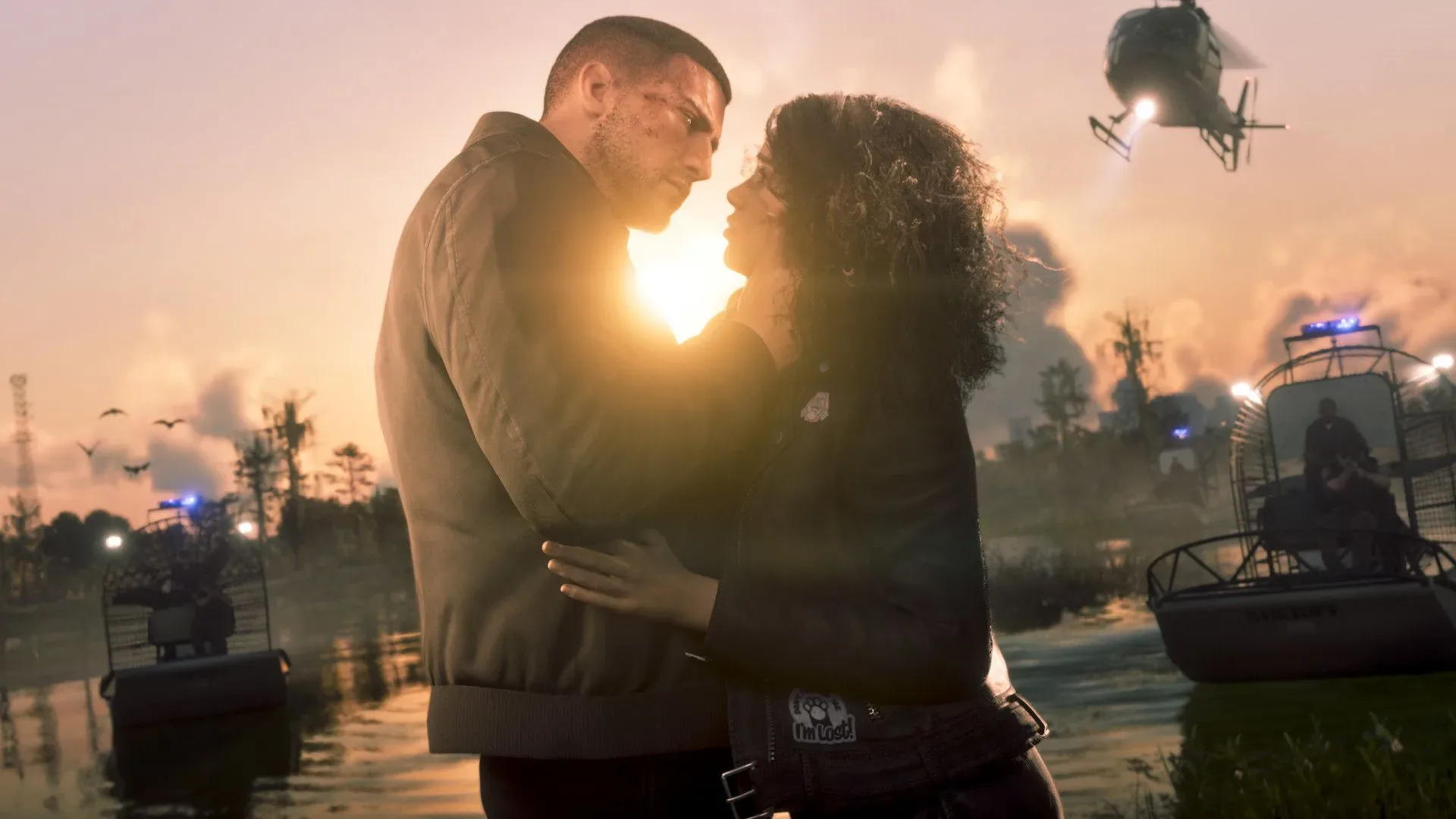
Importantly, eating and drinking do not demand that you stop everything else. Jason and Lucia can move, run, shoot, drive and even hold hands while consuming food or beverages. That makes a snack a flexible preparation tool rather than an activity that must be completed safely indoors.
Good behavior has mechanical value too
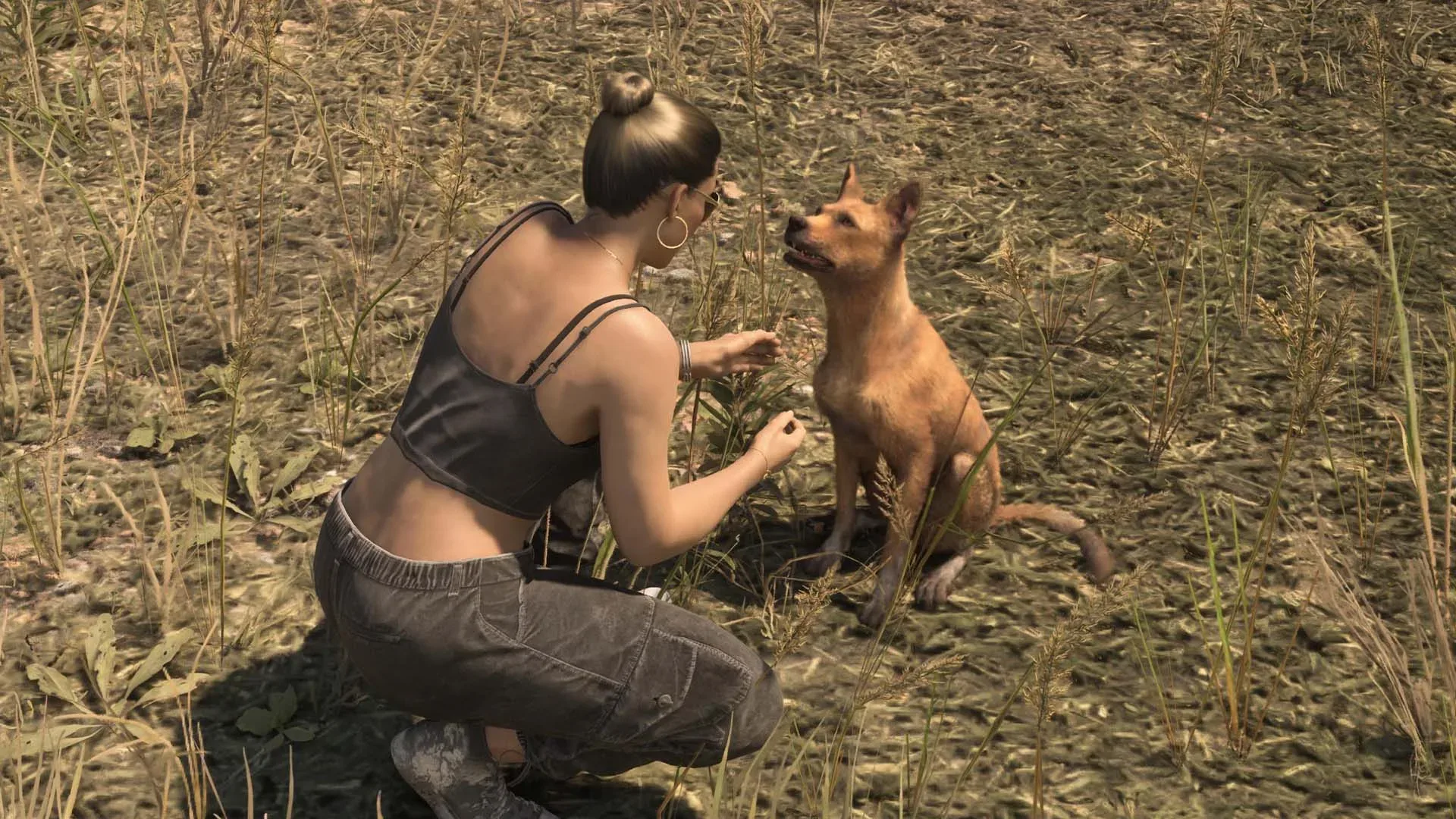
Dogs and cats around Leonida can be praised and petted by focusing on them with the left trigger. Besides being a pleasantly low-stakes break from car theft and chaos, interacting with animals replenishes Focus and contributes good-behavior points to the criminal profile. Throwing away garbage does the same. GTA’s moral universe remains delightfully strange when considerate litter disposal can help power the same awareness meter used for armed conflict, but it is still a benefit worth taking.
Use clothing as a police-evasion tool, not just customization
Personal vehicles are mobile storage spaces. Their trunks can hold guns and clothing, so it is wise to carry several distinct outfits. Changing clothes is a rapid method for losing police attention, making a trunk full of options more useful than a purely cosmetic wardrobe.
There is no need to return home whenever the wardrobe needs a refresh. Clothing stores with changing rooms let players manage clothing, make outfits and move items into trunk storage. Custom outfits can also be renamed from a preset vocabulary that includes labels such as “clubbing,” “hunting” and “everyday.” Name those sets clearly. A label that describes an outfit’s purpose is much faster to parse in a stressful getaway than repeatedly trying on similar jackets.
Related coverage includes Grand Theft Auto 6: 32 Spoiler-Free Tips for Surviving Leonida.
When shopping, bring both Jason and Lucia. That allows clothing purchases and outfit adjustments for either character in the same visit, and buying clothes for a partner also grants romance points. Shops and hair salons often stock location-specific options, so visiting different businesses is useful for more than merely filling time between missions. A safehouse bathroom mirror provides quick head and beard shaving, though it cannot deliver a wholly new style; salons remain necessary for those changes.
One tiny car-management reassurance: the trunk closes automatically when you drive away. Holding left on the D-pad opens vehicle functions, including manual headlight and trunk controls, but nobody needs to stand around anxiously waiting for the lid to click shut before leaving a scene.
Let noise and Focus lead you to the world’s unscripted moments
Leonida’s ambient world does not put every possible activity on the map in advance. Shouting, sirens and other loud disturbances can point to dynamic events, from criminal situations going wrong to civilians seeking help. When something sounds unusual, activate Focus with both sticks to locate the commotion, then decide whether it is worth approaching.
This is a useful mindset shift. Rather than treating the open world as dead space between marked objectives, treat sound as a prompt to investigate. It does not promise a reward every time, but it makes wandering more purposeful without requiring any story spoilers or external maps.
Holding down on the D-pad is another efficient exploration shortcut. It slows time and presents nearby points of interest, missions and other notable locations. Any displayed location can be marked for GPS directions. This is quicker than repeatedly opening the full map and is particularly handy when fuel is low and the immediate need is simply locating a gas station.
Controller vibration may convey a different kind of prompt. A sudden, strong pulse while on foot can signal something nearby that can be scanned with the Waink phone app, such as art or another scannable object. Stop, check the app and inspect the area rather than assuming every vibration is background flavor.
Make the phone a regular part of your route planning
Jason and Lucia’s phones contain more than distractions. The reminders section updates during play and can flag calls to make or texts to answer. Following up can unlock additional dialogue and story moments involving the two protagonists and people around them. Checking reminders periodically is the easiest way to avoid letting those smaller character interactions slip by.
The Waink app has a second, more urgent purpose: it can scan stolen vehicles for advanced trackers. A red tracker icon near the engine and fuel indicators means the car is fitted with one. Staying in such a vehicle for too long, especially while moving slowly, can allow police to trace the player’s position. Later, trackers can be removed, but doing so costs a substantial amount. Early on, the simpler answer is usually to leave the vehicle and find another ride.
For long trips, RydeMe functions as a paid fast-travel alternative. Call a driver through the app, get into the car, then focus on the driver with the left trigger to choose fast travel to the destination. The service costs $100. It is a sensible option when a trip is purely logistical, but walking or driving normally is often how players notice random events, animal life, shops and scannable discoveries.
For a broader spoiler-conscious look at the game’s conversation around story discoveries, see this GTA 6 discussion guide with major story spoilers kept off limits.
Spend vehicle money carefully in the opening stretch
Scooter Bros is the primary phone service for owned vehicles. It can manage them, spawn them close by, repair them and retrieve them from impound lots. Convenience comes at a cost, and early-game funds can be tight. Do not assume that summoning a vehicle is always the best answer simply because it is available.
Gas stations provide a cheaper alternative for repairs: a small fee at the pump can repair a car or motorcycle as well as refuel it. If the vehicle is already nearby and drivable, heading to a station can preserve funds that would otherwise disappear into the app.
Scooter Bros Premium costs $12,500 and grants three free uses every in-game day. That is a long-term value proposition, not necessarily an early priority. The upgrade is more sensible once money feels stable and the player regularly depends on the service. Garages are another later investment that expands storage capacity for an increasingly customized collection of cars, bikes and trucks.
For early money, underwater shipwreck treasure hunts become available relatively soon and offer valuable loot. They provide a less chaotic route to cash than relying entirely on crimes or expensive vehicle conveniences. The water has hazards, however. Leonida is a fictionalized Florida setting, and entering bodies of water without care is not advised.
Approach stealth and conflict with information first
Tagging enemies is one of the strongest habits for infiltrating hostile spaces. Both Jason and Lucia can tag targets while aiming weapons or looking through binoculars. Tags help maintain awareness of enemy positions, particularly when moving through a compound. Focus supplements that information by helping identify noisy or moving enemies.
Binoculars are useful for more than human targets. They can be used to study Leonida’s animals at a distance, which is the prudent option for wildlife that may not appreciate a close encounter.
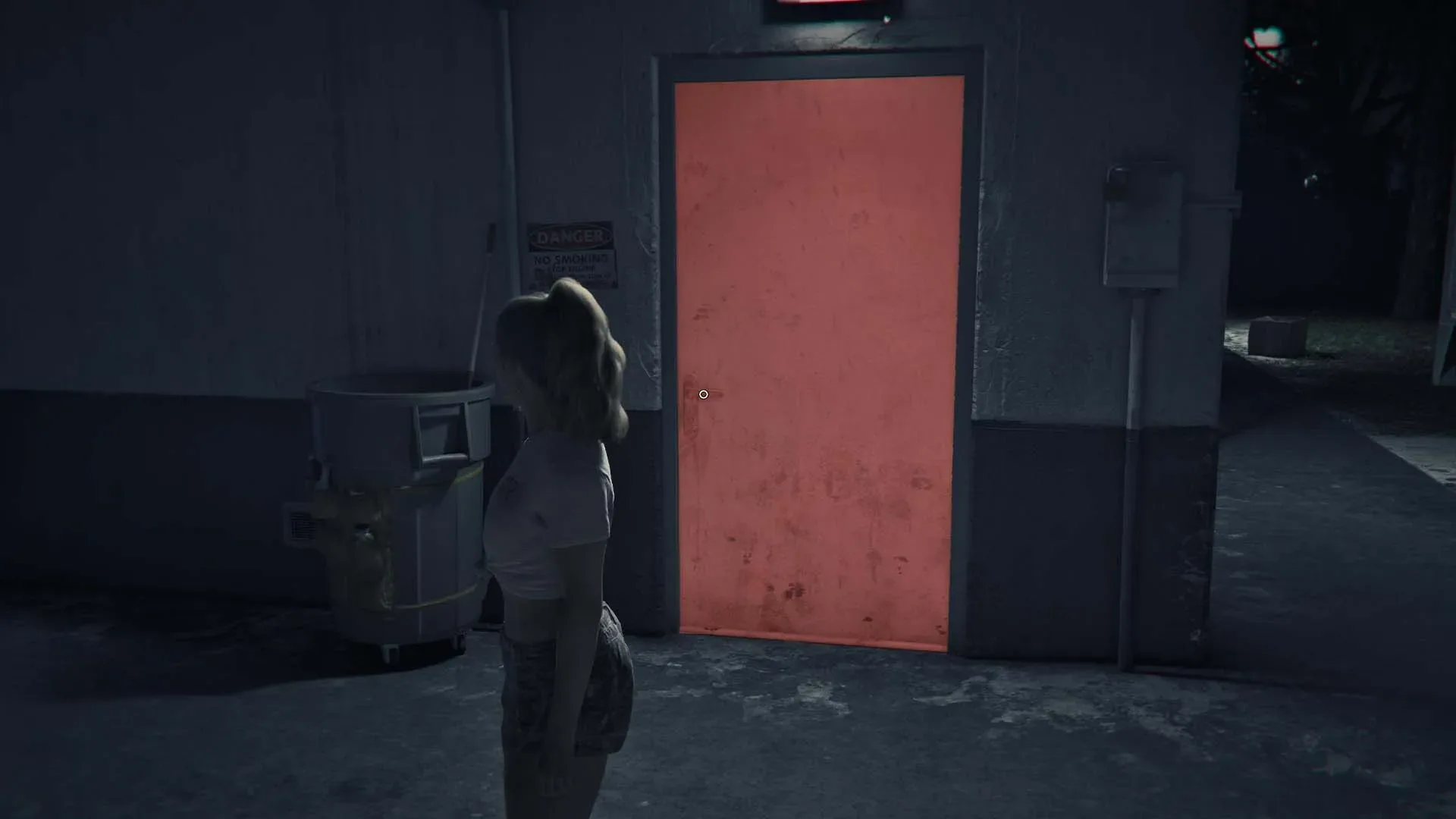
Focus also highlights alarm-linked doors in red during robberies or other stealthy intrusions. A red door should not become the default point of entry. Look for another route, or use a lockpick when that tool becomes available. The lesson is simple: examine the building before committing to a loud entrance. The few seconds spent reading the space may prevent alarms, reinforcements and a messy escape.
Keep Zombix in mind during fights. This is the game’s healing medicine and can be found in the world, but it is also available at many convenience stores. Speak with the clerk to purchase it; it may not be sitting on a standard shelf beside ordinary food and drinks.
Not every police encounter needs to become a shootout
A one-star wanted level does not automatically require fleeing or fighting. When confronting an officer, put away any weapon, focus on the officer with the left trigger and select the option to defuse rather than provoke. Under the right circumstances, this can remove the wanted level without violence.
The same approach can be attempted with other NPCs. It is not a guaranteed peace button—some characters may still harass or attack—but it establishes that escalation is a player choice more often than GTA instincts might suggest. Defusing a minor incident protects health, ammo, time and vehicle condition, all while avoiding a chase that may not be worth the trouble.
Players who enjoy role-playing ordinary road behavior can even use turn signals by tapping left or right. Other drivers appear able to react to the signals. It is not a central survival system, but it speaks to the density of the simulation and offers a calmer way to travel when the goal is sightseeing rather than fleeing.
Take the slower route when the game is not asking for urgency
The best spoiler-free tip is also the least complicated: do not rush through Leonida. Maintain food and medicine, save some cash, keep clothes in the trunk, check the phone, react to strange sounds, and use Focus whenever the world suggests there is more to notice. Fast travel, vehicle summoning and map marking are excellent tools, but they should solve a specific problem rather than erase every journey.
GTA 6 offers mechanics for speed, escape and convenience. Its smaller systems reward attention: a pet, a trash bin, an unexpected disturbance, a store with exclusive stock, or a shipwreck below the surface. Letting those details interrupt the itinerary is likely to make the world feel much richer—and may leave Jason and Lucia a little healthier, better dressed and less likely to be chased by the police.