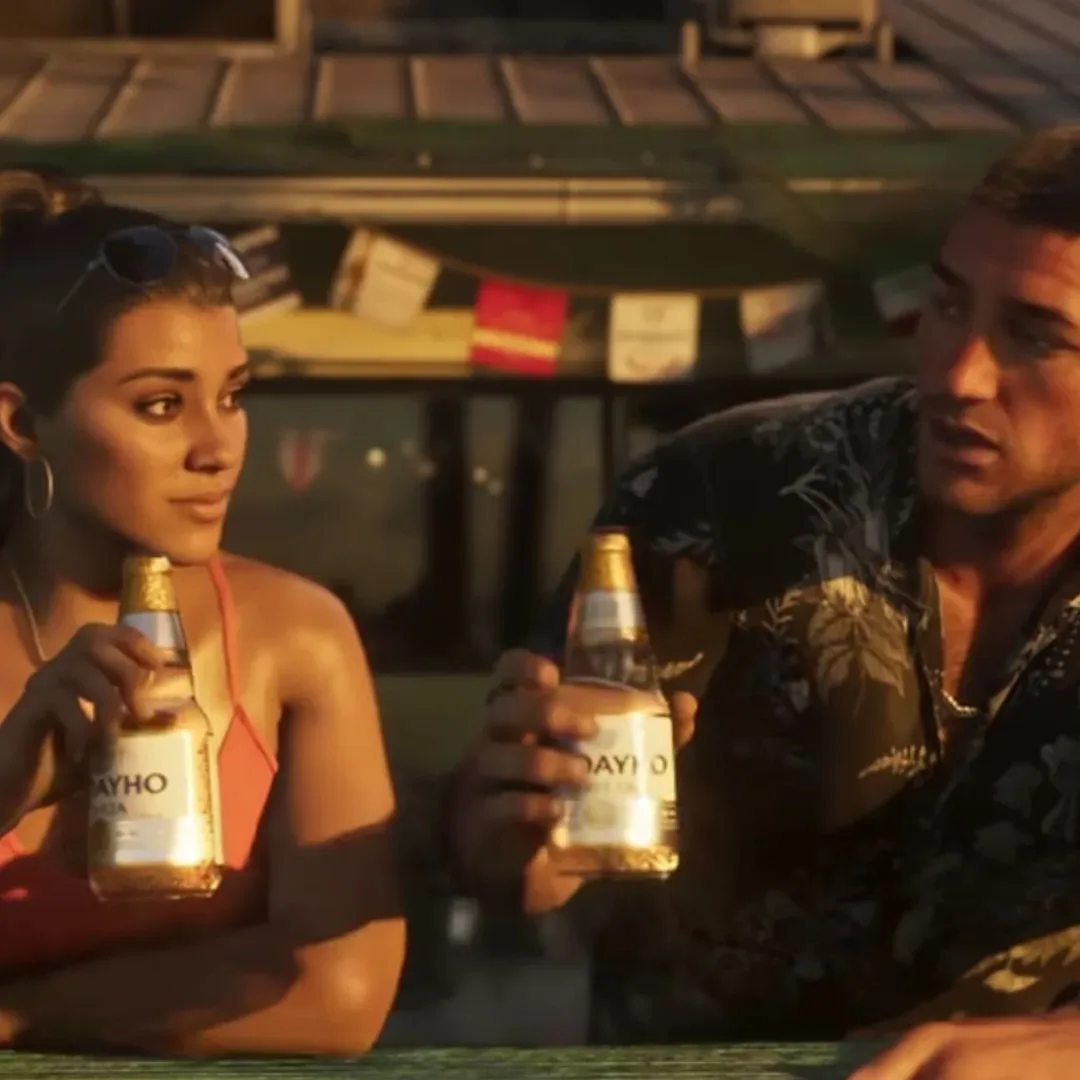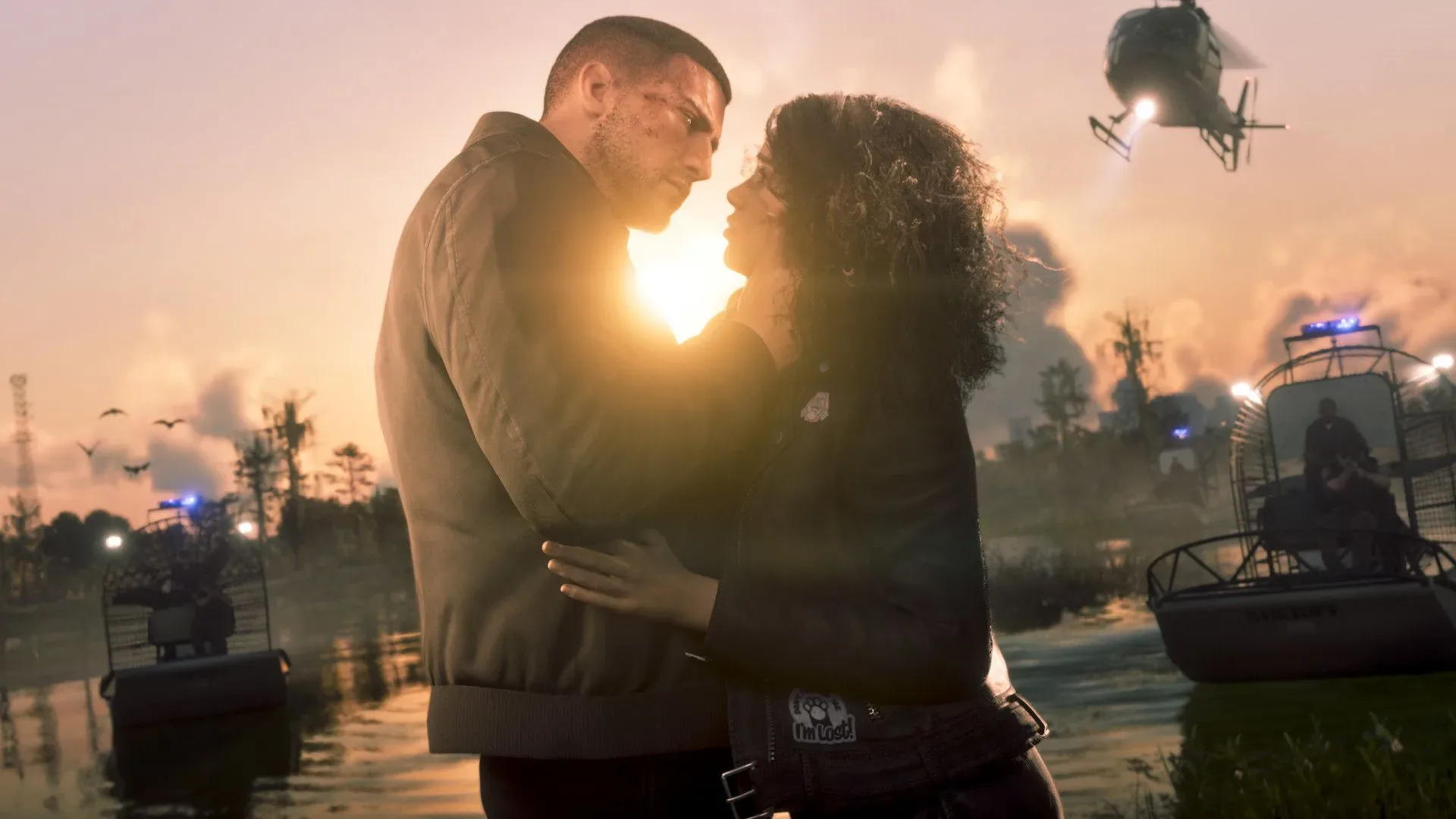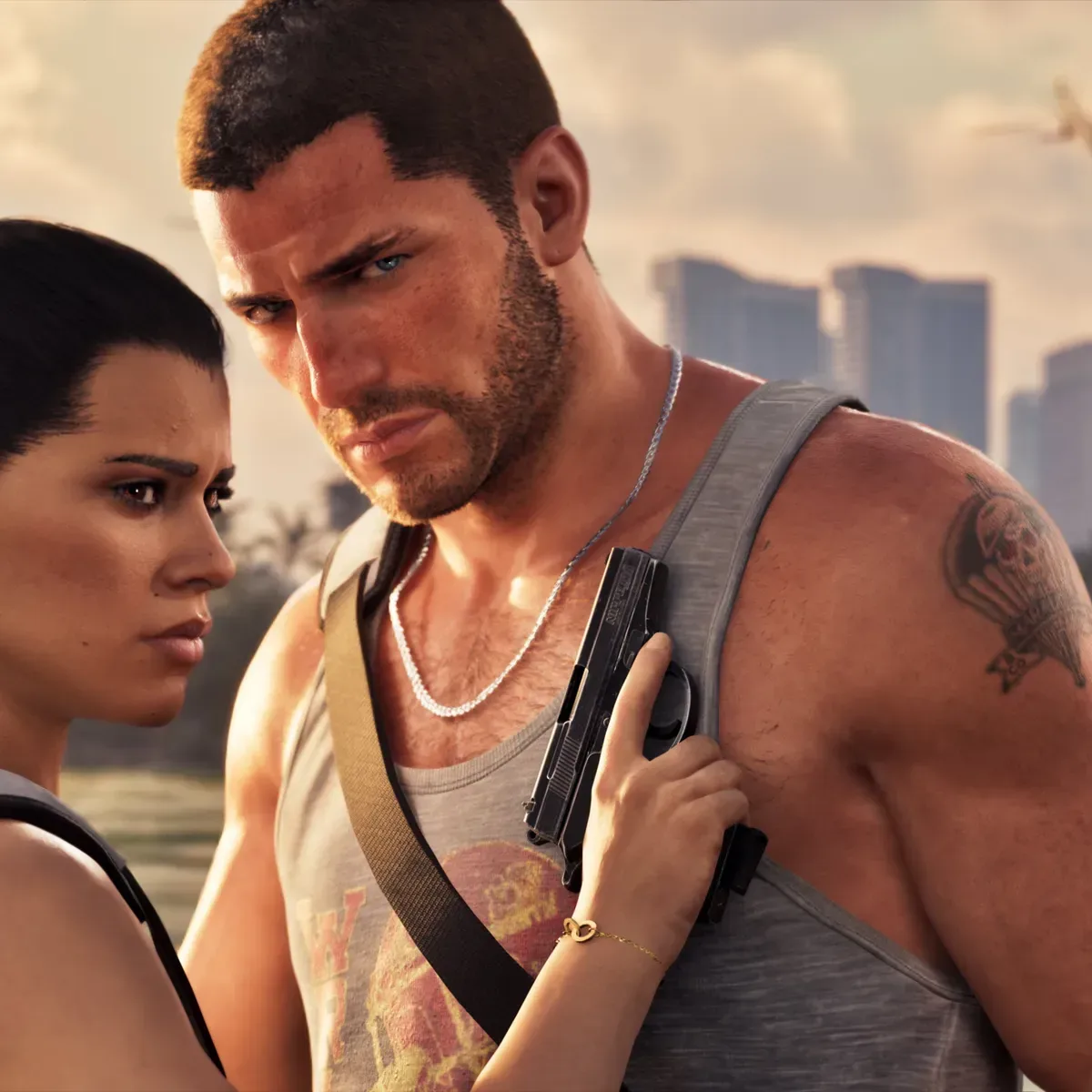
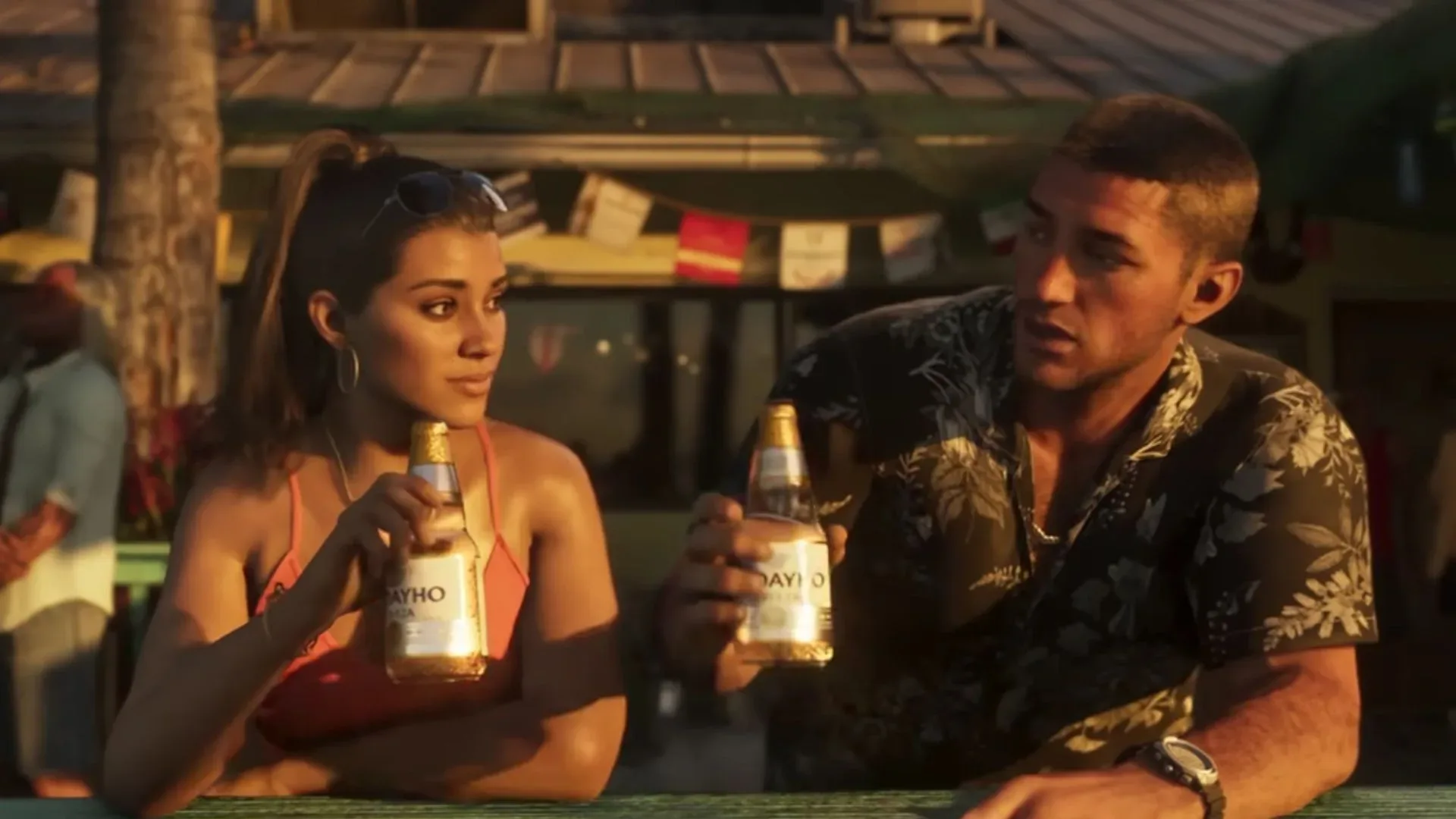
Rockstar Games co-founder and president Sam Houser has marked the imminent arrival of Grand Theft Auto 6 with a rare public statement, setting out an ambitious creative mission for the studio’s return to Leonida and modern-day Vice City.
GTA 6 is scheduled to release on November 19, 2026, for PlayStation 5 and Xbox Series X. It arrives 13 years after Grand Theft Auto 5, which originally launched on PlayStation 3 and Xbox 360. That long gap helps explain the scale of attention around Rockstar’s next mainline entry, as well as why a message from Houser is notable.
Rather than outlining mechanics, platform plans, or post-launch support, Houser’s comments focus on the broader idea behind Rockstar’s games: building stories and worlds designed to remain with players. He described the company’s founding belief as games being capable of achieving the cultural distinction of other storytelling forms.
A welcome to Leonida, with Vice City at its center
Houser identified Leonida and modern-day Vice City as the setting for the new game, presenting the return as one that recognizes the passage of time while preserving a key series identity. His central promise is that the studio has tried to exceed expectations and demonstrate what the medium can achieve.
That wording matters because “Vice City” carries obvious history within the wider Grand Theft Auto series, but the statement is not a promise of simple repetition. Houser instead emphasizes a balance between recognition and reinvention: an experience intended to feel familiar while also feeling wholly new.
For players, that is a useful expectation-setting point. A return to a named place does not necessarily mean a return to a prior game’s exact structure, tone, activities, or story. In this case, the confirmed framing is a contemporary Vice City within Leonida, not a detailed explanation of how every past element may—or may not—return.
Recent discussion of the game’s production has also emphasized the care put into its environment. Rockstar’s art lead has characterized Leonida as a world “created by a human hand”, an idea that aligns with Houser’s focus on authored worlds rather than a setting that simply serves as scenery between missions.
What does a “world of possibilities” mean?
Houser calls GTA 6 “a narrative set in a world of possibilities” and says the player will shape how it feels and concludes. That is significant language, but it should be read precisely.
Related coverage includes GTA 6 Launch Day Begins With PS5 Update, Huge Sales Claim and Early Critical Praise.
Player agency is the design term for the meaningful influence a player has over their experience. It can include choosing an approach, exploring in a preferred order, deciding how much optional content to pursue, or determining the pace at which they engage with a game’s systems. It does not automatically mean every storyline branch, every ending, or every outcome has been detailed publicly.
Houser’s statement establishes an intention: GTA 6 is meant to give both longtime players and newcomers room to make the experience their own. It does not specify the exact systems through which that will happen. Until Rockstar provides more explicit information, readers should avoid turning that broad creative description into unconfirmed claims about mission branching, endings, role-playing systems, or online features.
The distinction is especially relevant to an open-world game. Open world generally describes a game structure in which players can navigate a large environment and choose among multiple activities, rather than moving only through a fixed sequence of levels. The phrase alone does not reveal how open individual missions are, how progression is organized, or which actions can alter the narrative.
Still, the emphasis on player-shaped experiences suggests Rockstar sees the setting as more than a backdrop. The goal, in Houser’s framing, is for different people to form different memories of the same fictional place—whether they come to the game with years of series history or no previous connection to Grand Theft Auto.
A statement aimed at veterans and first-timers
Houser directly addresses both audiences. He recognizes players who have followed the entire series while also welcoming those starting with GTA 6. That dual message is practical. The 13-year interval since GTA 5’s original PS3 and Xbox 360 release means a new entry may draw players whose first exposure to the franchise is Leonida, alongside people who have lived with earlier games for decades.
For returning fans, the promise is continuity of ambition rather than an itemized nostalgia checklist. For newcomers, the message is that a long-running series should still be approachable as a new journey. Houser’s most straightforward hope for either group is also the least complicated: that players have fun.
His role gives the comments added weight. Houser has an executive producer credit on every mainline Grand Theft Auto installment and has been a key creative figure at Rockstar. A public statement from him at this moment functions as a welcome, but it also underlines the significance the company places on this release.
What “many more years” does—and does not—confirm
Houser closes by saying Rockstar looks forward to many more years of sharing these experiences with players. It is a long-term sentiment, appropriate for a studio known for expansive worlds, but it is not a roadmap.
In particular, GTA 6 is described at launch as a single-player-only experience. Rockstar has not officially commented on whether a successor to GTA Online is in development. That means players should not interpret Houser’s broad reference to “many more years” as confirmation of a multiplayer mode, an online successor, downloadable content, expansions, or a release schedule.
The term post-launch support refers to updates or new content made available after a game’s initial release. Developers can support a title in numerous ways, from fixes and technical patches to additional modes and major content. No specific post-launch plan is established in Houser’s statement, so the responsible takeaway is simply that Rockstar is expressing a desire for an enduring relationship with its audience.
That may sound cautious, but separating firm information from expectation is particularly important around an anticipated game. The confirmed near-term facts are clear: GTA 6 is heading to PS5 and Xbox Series X on November 19, 2026, its setting includes Leonida and a modern-day Vice City, and Rockstar is positioning it as a narrative-driven world where player experience matters.
The launch-day practical picture
Players on PS5 should also keep their system software in order. A PS5 security update has been identified as required for GTA 6, making it sensible to check console updates before attempting to start the game. That is a small preparation step, but it may prevent a frustrating delay when everyone would rather be taking their first drive through Leonida.
Beyond that, Houser’s statement offers a deliberately high-level invitation rather than a checklist. It does not attempt to explain every system or define every reason people will play. Instead, it frames GTA 6 as a major new chapter in a series built around stories, places, and personal player experiences.
For Rockstar, the challenge is enormous: following an entry that first appeared 13 years ago while welcoming an audience that spans veterans and newcomers. Houser’s message is not a technical briefing, nor is it a promise of unannounced modes. It is a statement of intent—return to a recognizable fictional destination, make it feel new, and give players a world substantial enough for their own version of the story to matter.