Major spoiler warning: this article discusses Big Walk’s first ending and a secret associated with its credits. Players who want the game’s closing sequence—and the discovery that follows it—to remain completely unknown should stop here.
Big Walk apparently has one last trick tucked beyond its first ending: a deliberately unobtrusive puzzle that can extend the game into the real world. The clue is a URL displayed in the main-menu version of the credits. Players who have completed the game can visit that address and follow its instructions, potentially receiving a small physical reward by mail.
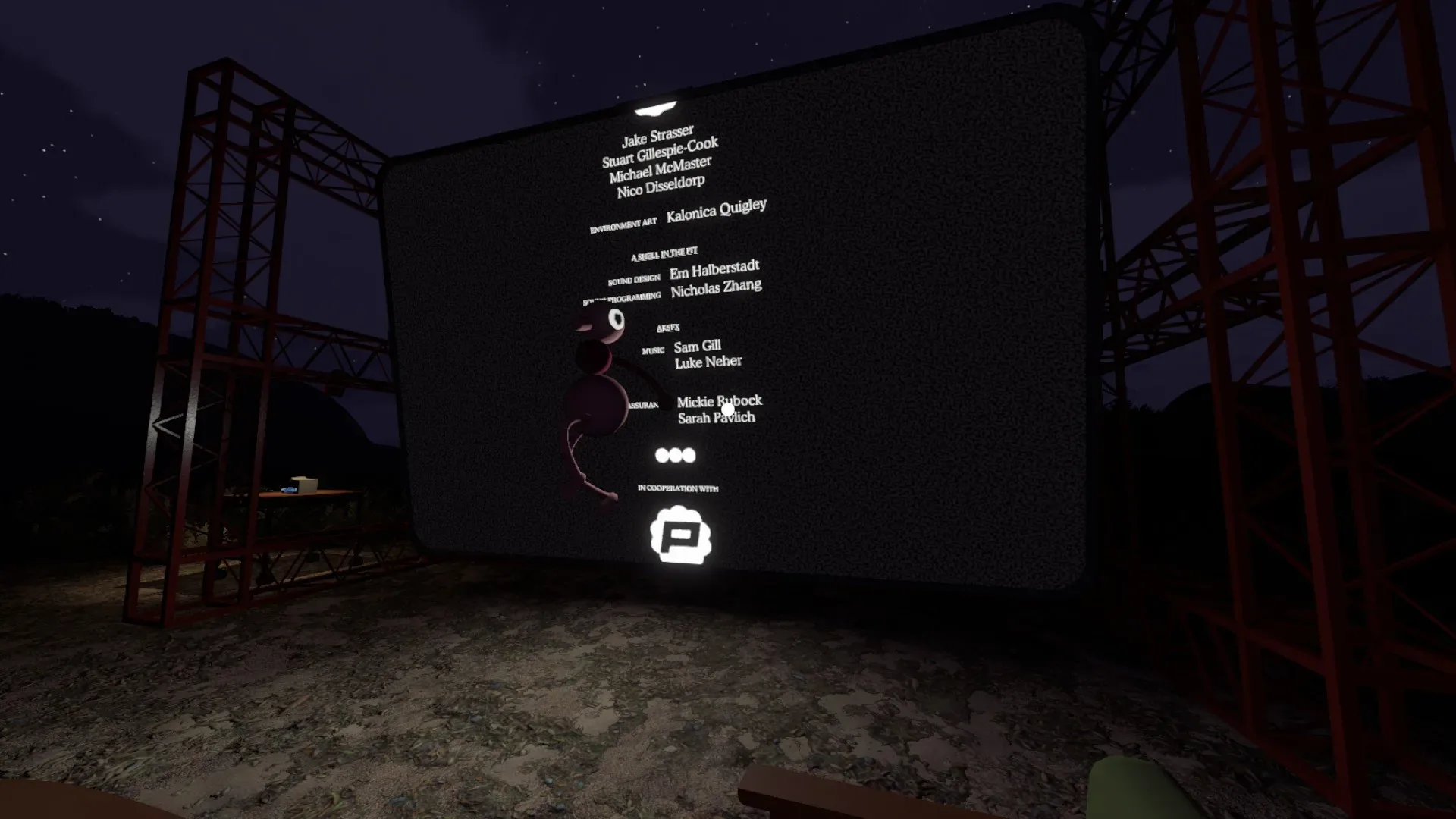
That detail matters because the URL is easy to look for in the wrong place. It does not appear during the in-game credits sequence itself. Instead, it is found in the credits accessible from the main menu. Anyone who reaches the ending, watches the credits unfold, and comes away convinced they missed the clue may simply need to revisit the title screen and open the separate credits presentation.
A secret designed to arrive after the game seems finished
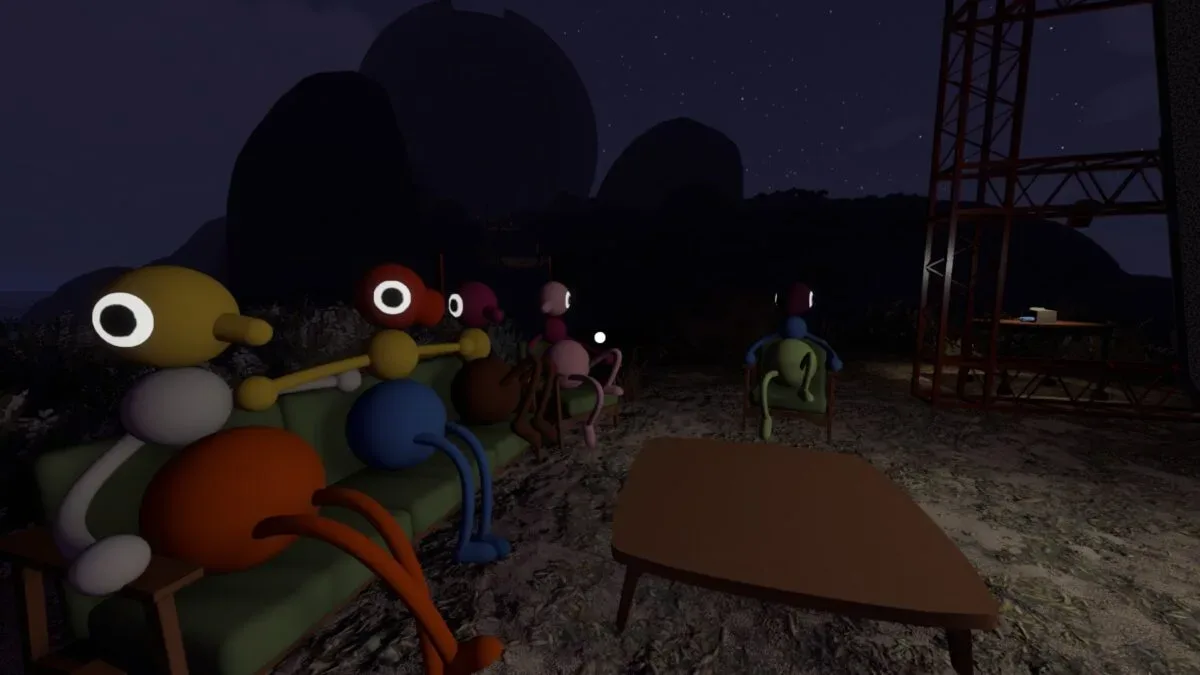
The first ending’s credits are already framed as a shared, reflective scene: the player group sits around an outdoor movie screen as the names roll, with the sun rising in the distance and the game’s theme playing. It is an unusually social use of credits. The formal list of names becomes part of the play space, allowing a group to occupy the moment together rather than merely waiting for a menu prompt.
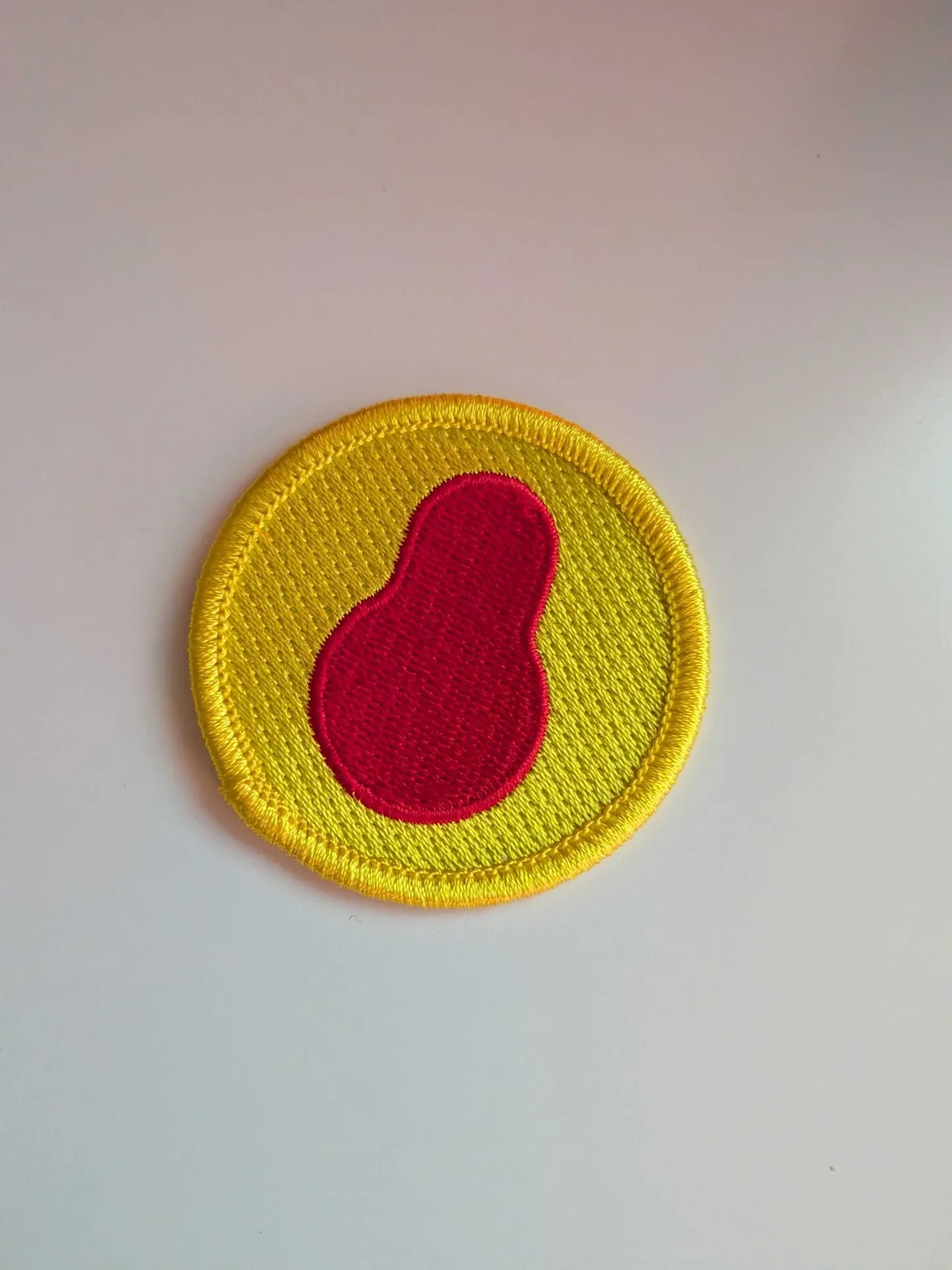
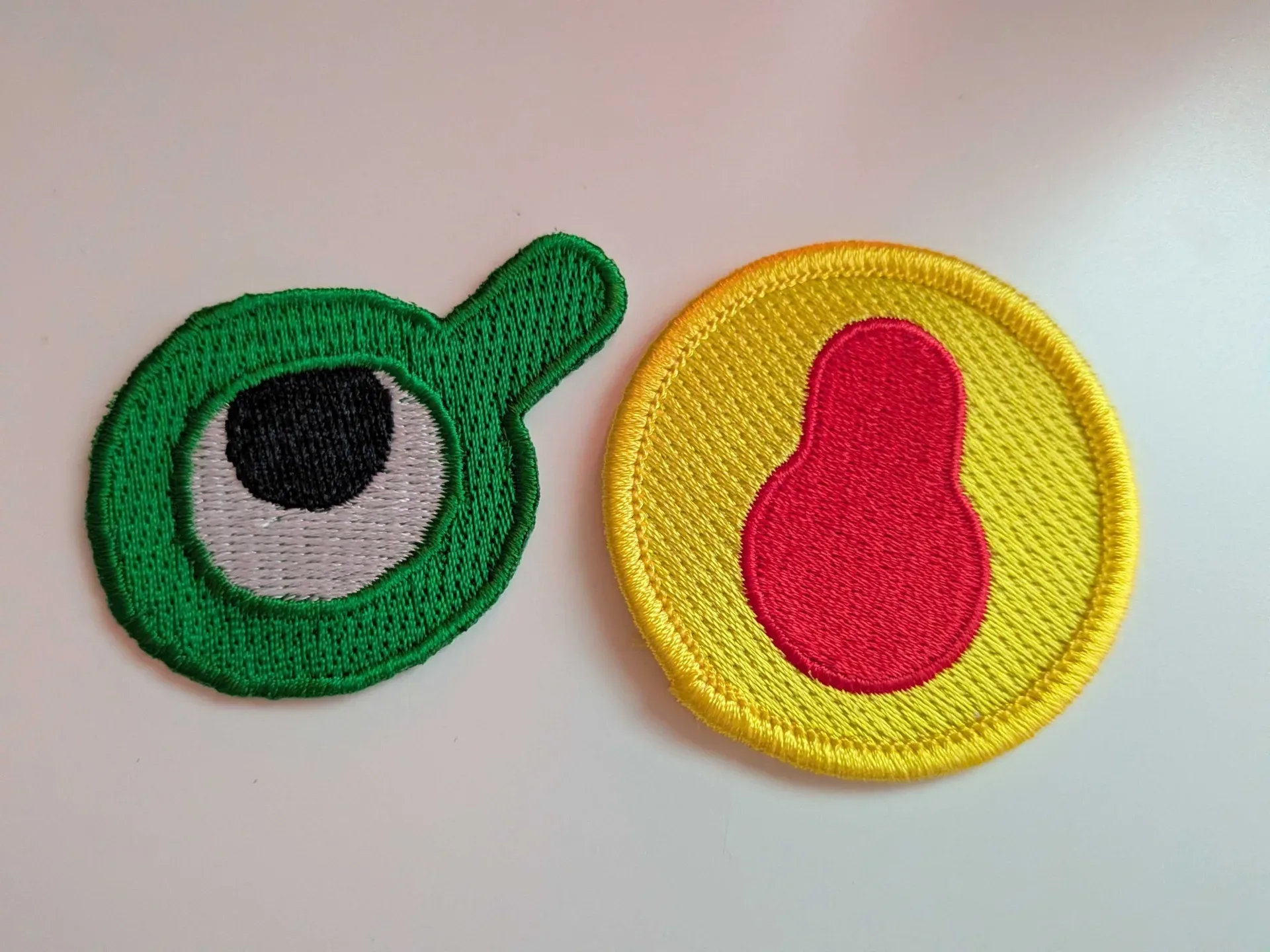
The hidden URL adds a second layer to that idea. Credits are conventionally the point at which a game tells players that an experience is over. Here, the main-menu credits can instead become the threshold to a final small mystery. The payoff is not a new combat tool, extra level, or conventional achievement. It is a piece of mail: a thin envelope addressed by hand, containing a strange little red form covered in multicolored confetti, plus an additional small bonus.
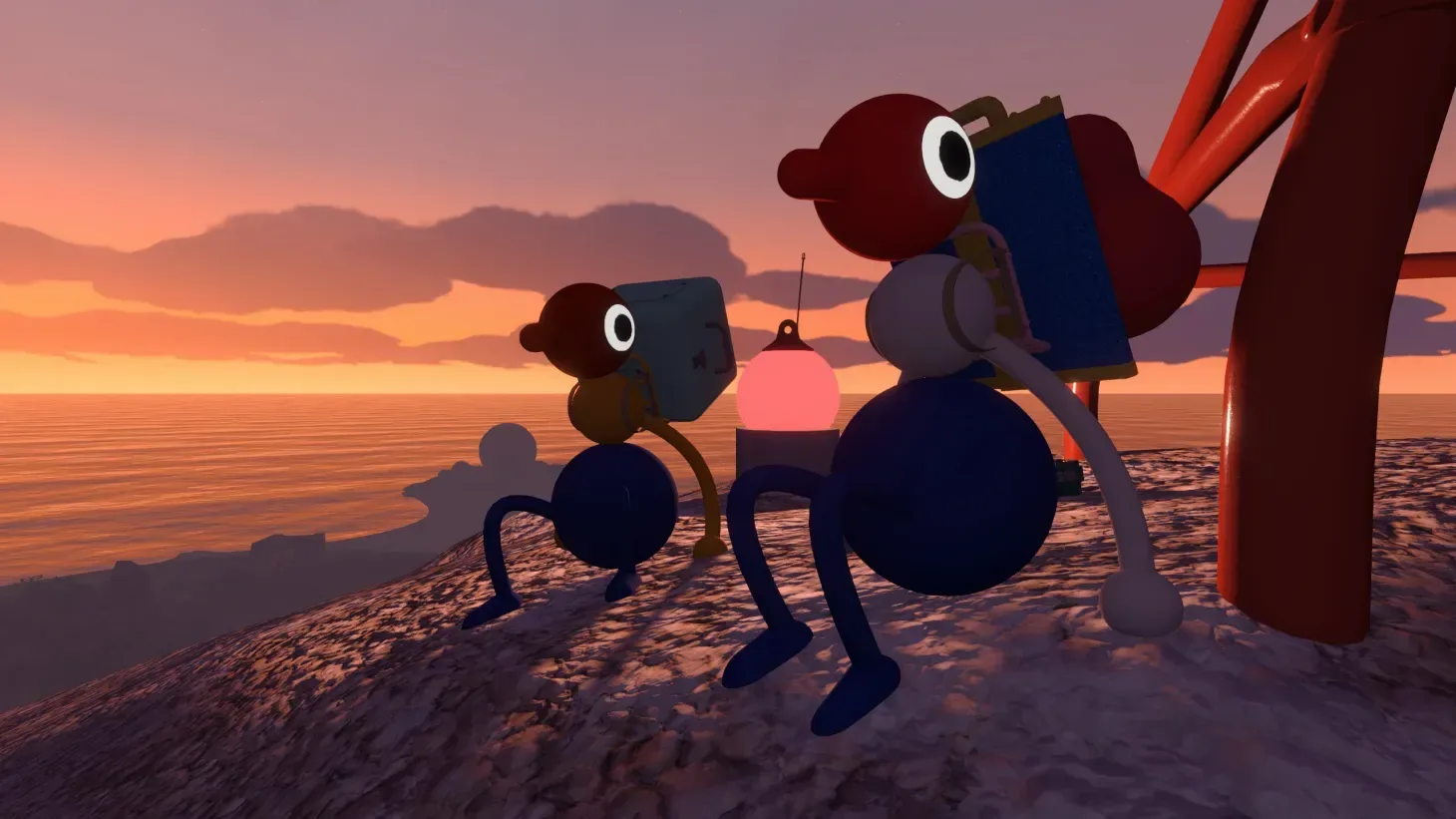
That object is meaningful because it resembles the odd red shapes players encounter as puzzle rewards in Big Walk. The game’s collectible-like objects are therefore echoed outside the screen. It is a physical memento, but its purpose is less about completion statistics than preserving the tone of a world built around strange discoveries and shared attention.
What players can do without turning the secret into a checklist
The available path is straightforward, even if the idea behind it is wonderfully peculiar:
- Finish Big Walk’s first ending.
- Return to the game’s main menu.
- Open the credits available there and locate the displayed URL.
- Visit that official address and follow the instructions provided on the site.
- Wait for the process to play out.
The key limitation is equally simple: the offer is described as valid only while supplies last. That means completion alone does not guarantee a physical item, and players should not treat the mailed reward as an unlimited or permanent feature. No delivery timetable, quantity, or further contents have been established here, so it is best to avoid assumptions about how long requests may remain possible.
Related coverage includes Big Walk's Deepest Hidden Puzzle Sends Players a Delightful Physical Reward.
It is also worth keeping expectations appropriately focused. The evidence supports a mailed red, confetti-covered piece and another small enclosed extra; it does not establish a broader merchandise program, a repeatable order system, or any kind of collectible-market arrangement. This is a one-off-feeling flourish tied to completing and noticing something in the game.
Why the location of the clue is important
There is a difference between a hidden clue placed in a final cutscene and one placed in a menu that players can revisit at their own pace. The latter gives Big Walk’s secret a slightly archival quality. Once the emotional rush of finishing has passed, curious players can return, examine the credits, and notice that they contain more than acknowledgements.
That construction also avoids making the puzzle depend entirely on one perfect viewing of an ending. Players need not interrupt a closing moment to write down an address or risk losing it amid the activity of a group session. The main-menu version creates a second chance—though it also makes the clue more deeply hidden, because many players may never think to open credits after watching credits.
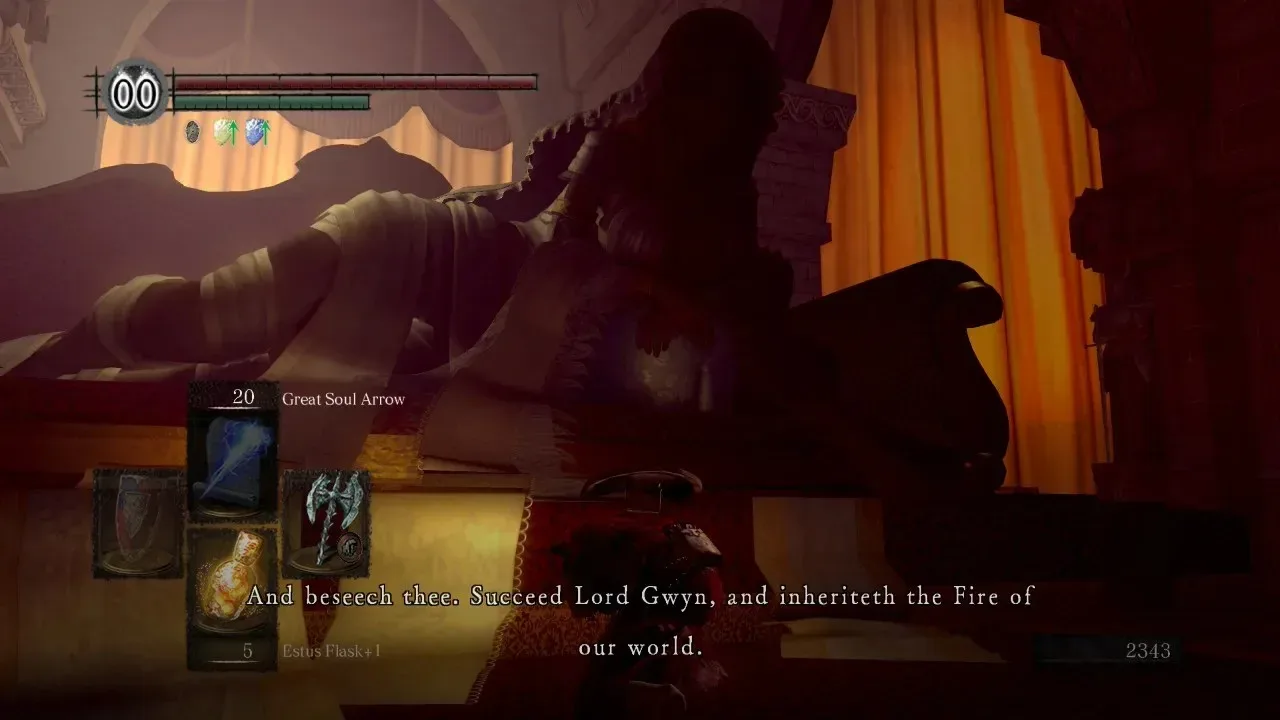
It is a neat example of a game using its interface as part of its fiction-adjacent space. Menus are often treated as purely functional: settings live there, save options live there, and credits live there. A secret URL makes the menu itself a place worth investigating. That kind of small distrust of the obvious is part of the appeal of secrets in games, whether the discovery concerns a suspicious detail in a familiar world or an overlooked line of text beyond the ending. For another look at how tiny actions can be made to feel unusually consequential, see this examination of suspicion and consequence in Dark Souls.
A real-world reward that stays on theme
There is a technical distinction worth making here. An in-game collectible is usually an item the player finds inside the software, often contributing to progress, lore, or a completion count. The Big Walk mailer is different: it is a physical fulfillment, meaning a real object sent outside the game after a player follows an external instruction. Yet it is still directly connected to a gameplay secret, not a separate collecting activity.
That distinction explains why the prize’s modesty is arguably the point. A lavish collector’s package might pull attention away from the game’s odd little vocabulary of red puzzle objects. A small, almost inexplicable item in a wrinkled envelope preserves the sense that the player has stumbled on something personal and slightly absurd. It makes the final discovery feel less like a product transaction and more like an after-image of the game.
It is also an effective answer to a common problem with digital endings: after credits roll, even a powerful experience can vanish into a library list. A physical token gives the ending a durable presence without changing the ending itself. The object can be stored, displayed, or, in a more fittingly playful gesture, attached to clothing. Whatever a recipient does with it, the object is a reminder that the last secret was not located in another region or behind another menu objective, but in the transition between the game and everyday life.
Why spoilers are especially potent for this one
There is no second ending discussed here, but even explaining the first-ending route changes how a player may approach it. A credits sequence is normally passive territory. Knowing that there is a hidden URL in a related credits presentation turns the act of watching or revisiting it into a search. It is practical information, but it also removes a little of the surprise that makes the idea work.
Players who already finished Big Walk and want to see whether they can obtain the reward now know where to look. Players still on their first journey may want to leave the precise steps behind the spoiler barrier and simply remember one gentler hint: after the first ending, there may still be a reason to explore the main menu carefully.
For everyone else, the important detail is that Big Walk’s final known hidden puzzle is not necessarily asking for more dexterity or another marathon session. It asks for completion, curiosity, attention to an easily ignored menu, and a little patience. If supplies remain, the reward is a charmingly strange piece of the game delivered to the player’s door.