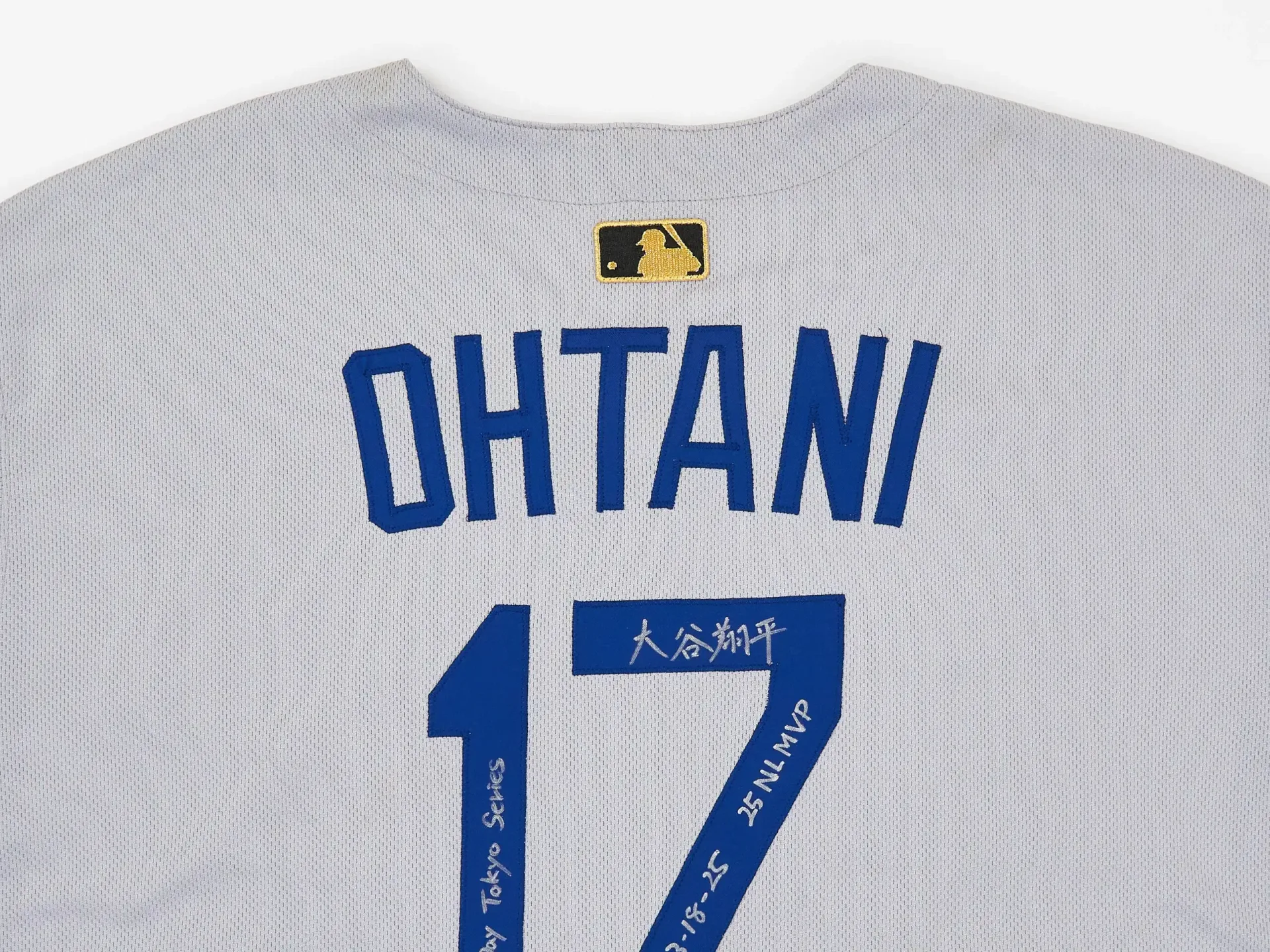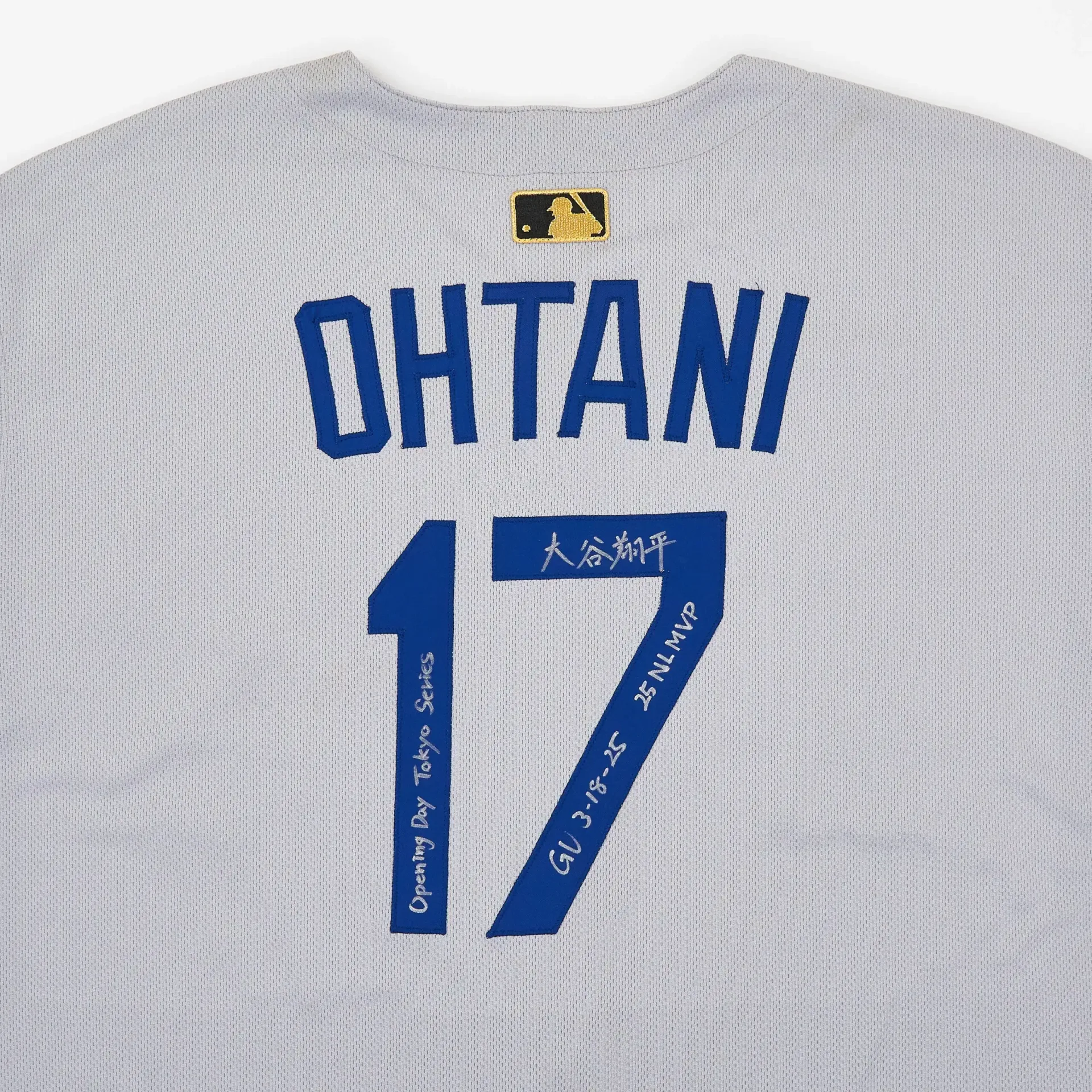
Shohei Ohtani’s Los Angeles Dodgers jersey from the 2025 Tokyo Series is headed to auction, bringing together an unusually dense set of collector hooks in one game-worn item: a landmark setting, a documented on-field performance, an inaugural patch, inscriptions and a Kanji autograph. Bidding is open through October 17 on TheRealest.com.
The jersey was worn in Ohtani’s first Major League Baseball game played in Japan, a Dodgers 4-1 win over the Chicago Cubs. Ohtani went 2-for-5 and scored twice in that game. Beyond the box score, the garment is being positioned as a potential benchmark for the modern game-worn-jersey market, with the auction house projecting it could become the most valuable modern-era game-worn baseball jersey sold.
That is a prediction rather than a result, and it is an important distinction for collectors. The final price will depend on bidding, not on the projection. Still, the jersey’s mix of verifiable event importance and patch-specific rarity explains why the lot commands attention well beyond the usual appeal of an Ohtani item.
The first Gold MLB Logoman in official MLB play
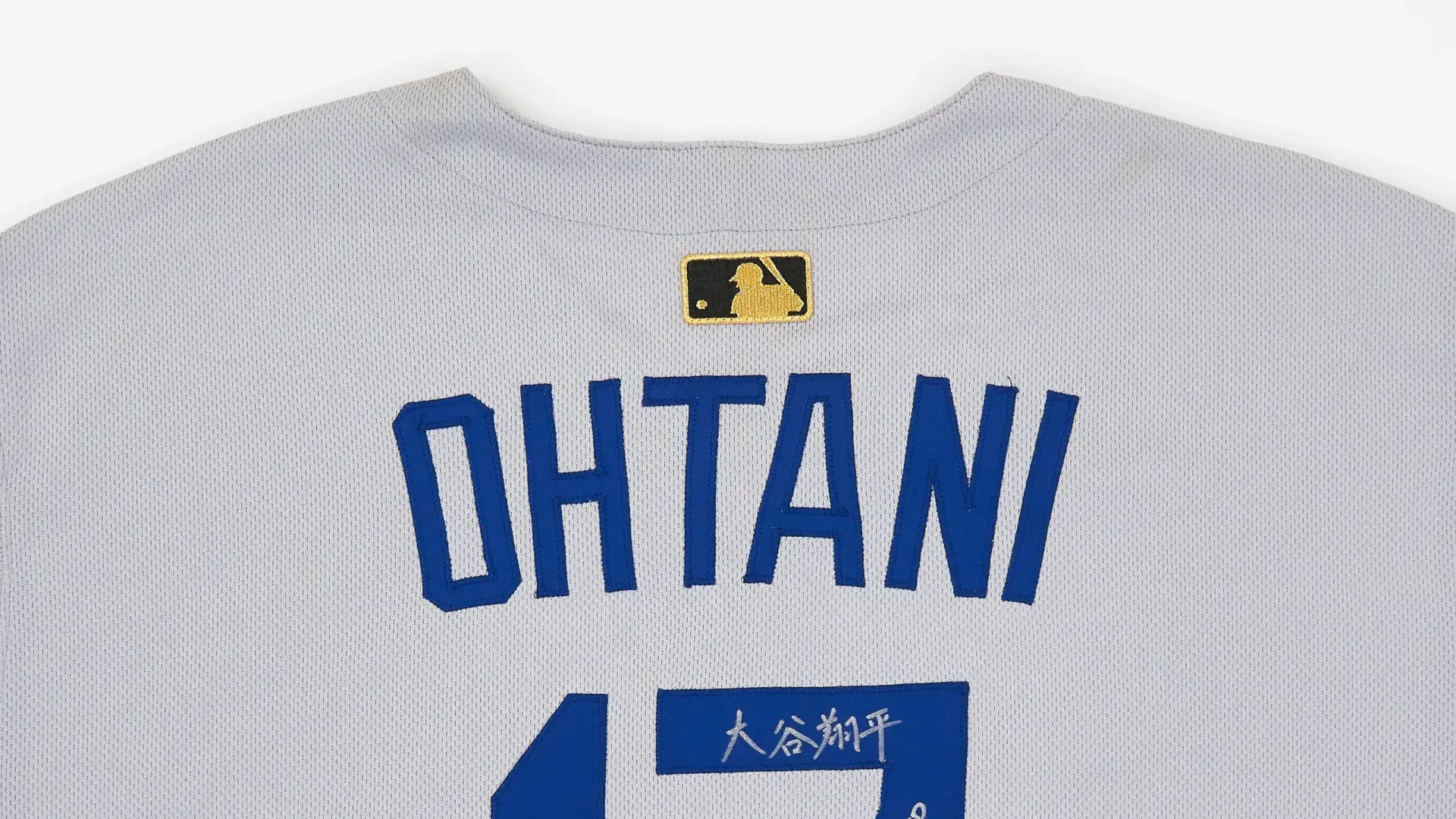
The central feature is a Gold MLB Logoman patch described as the first one ever worn during an official MLB game. MLB introduced the Gold MLB Logoman program in 2025. The patch is worn by players who had won the previous season’s MVP, Cy Young or Rookie of the Year award, and Ohtani was among the first group of players eligible to wear it after receiving the 2024 National League MVP.
For collectors unfamiliar with the terminology, a Logoman is a patch bearing a league’s logo. In trading cards, the term is especially associated with premium memorabilia cards that include a cut piece of a player-worn or game-worn logo patch. A full game-worn jersey containing an inaugural version of that feature is different from a card, but the collecting logic overlaps: the logo is prominent, finite and tied to a specific recognition program.
The word Gold here is not merely a description of the color on a jersey. It identifies MLB’s honors-based patch initiative. That matters because scarcity in memorabilia is often strongest when it is created by a defined rule rather than by a vague claim that an item is rare. The set of eligible players is limited to recent award recipients, and Ohtani’s jersey is further separated from other Gold Logoman examples by its stated status as the first worn in an official MLB game.
Collectors have already seen how strongly the Gold Logoman designation can travel into the card market. A one-of-one Ohtani Gold Logoman autograph card sold for $3 million. In July 2026, a dual Gold Logoman autograph card featuring two game-worn patches and signatures in English and Kanji sold for a reported record $11 million. Those are not direct valuations for a complete jersey: cards and uniforms are separate markets with different buyer pools, condition concerns and display considerations. They do, however, show that Ohtani’s Gold Logoman material has already become an elite category of modern sports memorabilia.
Why the Tokyo setting is inseparable from the jersey’s value
A game-used jersey can gain meaning from the player, the season, the game, the visible features and the available documentation. This lot has an unusually clear narrative at every one of those levels. Ohtani was a Japanese star playing an MLB game in Japan for the first time in his career. The occasion was Opening Day in the Tokyo Series, not a routine regular-season date with little wider context.
The jersey is also inscribed by Ohtani with “Opening Day Tokyo Series,” “GU 3-18-25” and “NL MVP,” alongside his Kanji signature, 大谷翔平. “GU” is commonly understood by collectors as shorthand for game-used. In this context, the inscription directly identifies the March 18, 2025 game and reinforces the connection between the physical object and the event being offered.
An autograph and inscription do not replace provenance, but they can make an already specific item more legible to future owners. Provenance means the documented history linking an object to the person, event and use claimed for it. For game-used material, it is the foundation beneath the headline features. A rare patch may catch attention, but the confidence that the jersey was worn by Ohtani in the stated game is what makes those features consequential.
The Kanji signature adds another layer of collectibility without needing to be treated as a separate event in the story. Ohtani has signed the jersey in both a personal and culturally specific form, and it sits beside inscriptions that name the Tokyo Series and his MVP status. On a piece already defined by his return to Japan for MLB competition, that combination is especially cohesive.
A 2025 season that added more context
The Tokyo Series game did not remain an isolated moment. Ohtani later won his fourth MLB MVP award in 2025, while the Dodgers captured their second consecutive World Series. The later achievements do not change what happened on March 18, but they add season-long context to an item from its Opening Day.
That distinction is useful. Collectors can sometimes collapse several ideas into the phrase “historic jersey,” but each has a different basis. This jersey is historic in the specific sense that it came from Ohtani’s first MLB game in Japan and carried the first Gold MLB Logoman worn in an official game. It is more desirable because it belongs to a season in which Ohtani won another MVP and the Dodgers repeated as champions. The claims work together, but they are not interchangeable.
There is also a recent sales point attached to the same series. Ohtani’s game-used shoes from the 2025 MLB Tokyo Series sold for $440,055, setting a record for baseball footwear. The footwear result is not a reliable formula for forecasting a jersey sale, especially when the jersey contains a patch with its own major market significance. It does establish that artifacts from this particular series have already attracted substantial demand.
How collectors can evaluate a headline lot without confusing categories
Major sales are often reduced to a single number, but the more useful way to study this auction is to separate the characteristics that make the piece distinctive.
- Player significance: Ohtani is a four-time MLB MVP as of the 2025 season, and this is a Dodgers item from a championship year.
- Event specificity: The jersey is tied to his first MLB game in Japan, on Opening Day of the Tokyo Series.
- On-field result: Ohtani recorded two hits in five at-bats and scored two runs in the Dodgers’ win over the Cubs.
- Patch significance: It includes the first Gold MLB Logoman worn in an official MLB game.
- Autograph and writing: The rare Kanji signature and game-specific inscriptions make the item’s presentation unusually direct.
- Market context: Other Ohtani Gold Logoman items have produced multimillion-dollar results, while shoes from the same Tokyo Series set a baseball-footwear record.
This is also a reminder that “game-worn,” “game-used” and “player-worn” should not be casually treated as identical phrases when comparing lots. The supplied description calls this jersey game-worn and includes a “GU” inscription. In the wider memorabilia field, buyers should read an item’s documentation closely to understand the exact claim being made about use, attribution and the particular game. That is not a criticism of this lot; it is a sound habit whenever a large purchase turns on event-level specificity.
The same care applies to comparisons with cards. A one-of-one card can be uniquely scarce by print run. A jersey can be uniquely important because of its game, patch, inscriptions and provenance. Both may use a Gold Logoman, but the appeal is not identical. Card collectors may focus on serial-numbered rarity, patch windows and autograph presentation. Uniform collectors may place heavier weight on the game, wear characteristics, player connection and the status of the garment as a complete artifact.
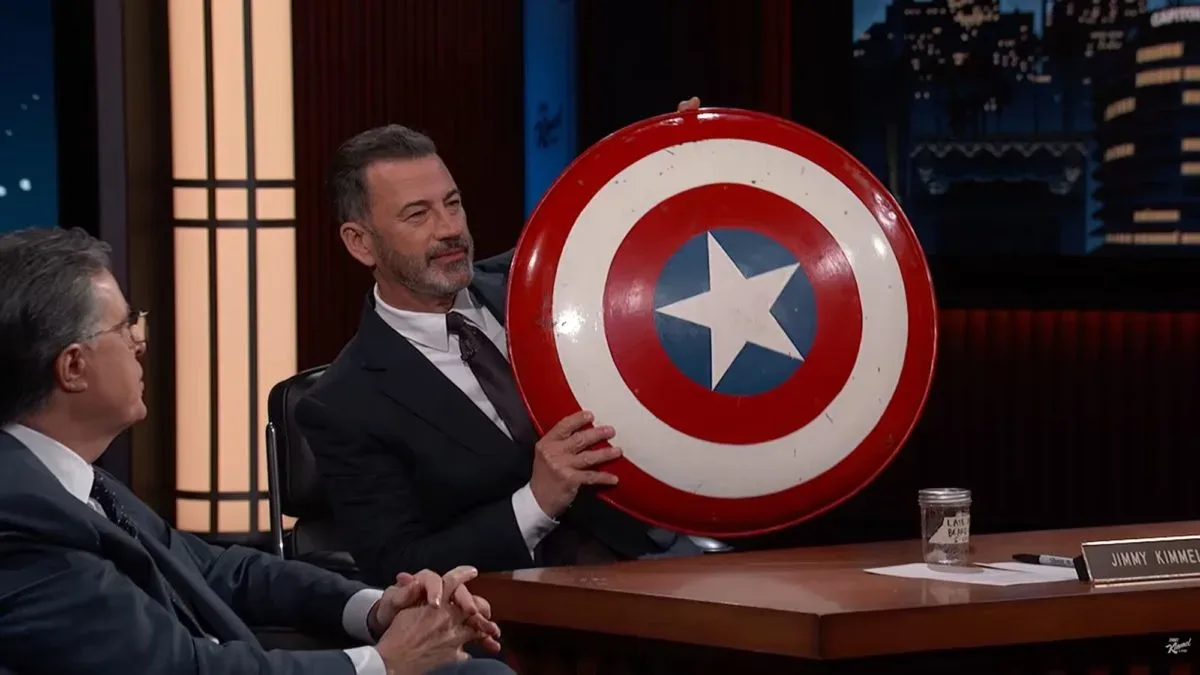
For readers who follow crossover collecting, the mechanics are familiar even when the objects differ. A premium superhero card can derive its appeal from character popularity, a limited parallel or a signature; sports memorabilia layers player accomplishment and real-game use on top of similar scarcity signals. Joking Joystick’s look at Captain America collecting conversation offers a separate example of how an iconic symbol can shape collector interest, though Ohtani’s Gold Logoman is rooted in documented MLB award recognition and on-field use.
What is known, and what remains for the auction to decide
The confirmed details give the jersey a striking case: it was worn by Ohtani in the March 18, 2025 Tokyo Series opener; he went 2-for-5 with two runs scored; the Dodgers beat the Cubs 4-1; and the jersey bears the first Gold MLB Logoman worn in official MLB play. It is signed in Kanji and inscribed with references to the event, game use and Ohtani’s NL MVP honor.
What is not known yet is the price. The auction house’s expectation that it could set a modern-era game-worn-jersey record is a market outlook, not a completed sale. The previous $440,055 Tokyo Series shoe sale and the multimillion-dollar Gold Logoman card results are relevant precedents, but they cannot dictate the outcome of a full-jersey auction.
That uncertainty is part of what makes the sale worth watching. This is not simply an Ohtani jersey, nor simply an inaugural-patch collectible. It is a single object where Japan-based MLB history, a newly introduced honors program, a major individual achievement and Ohtani’s extraordinary modern-card market all meet. Whether it reaches the projected record or not, its final result should offer a meaningful data point for collectors measuring the ceiling of game-worn contemporary baseball memorabilia.