The compact disc comeback has an appropriately modern twist: people can buy the music, admire the packaging and add it to a shelf, then discover their current laptop, car and living-room setup has no obvious way to play it.
CD sales in the US rose 16% during the first half of 2026, reaching about 16.3 million units, based on Luminate entertainment-industry data. That does not settle why every buyer is picking up discs, and it does not mean streaming has suddenly ceased to be the default way many people hear music. It does show that the format remains meaningful enough to grow at a time when many everyday devices have left optical-disc drives behind.
Collectible K-pop releases are identified as one contributor to that rise. There is also speculation that nostalgia among Gen Z is helping, much as older point-and-shoot cameras have found a fresh audience. But the CD’s renewed pull is bigger than a retro aesthetic. It addresses a few frustrations that streaming never set out to solve: access that can change with licensing arrangements, the need for an internet connection, the distraction of a phone, and the absence of a physical object that explains how an album was made.
What a CD purchase actually gives a listener
A CD is a physical copy of an album that a buyer can keep and replay without relying on a streaming platform’s current catalogue. That distinction matters when music is removed from a service after a licensing change. Owning a disc does not turn every listening situation into a frictionless one—someone still needs compatible hardware—but it puts access to that particular copy outside the monthly-subscription model.
It also makes offline listening straightforward. A disc does not need a signal, an app login or a previously downloaded playlist. Put it into a player and it works. That basic independence may sound unglamorous, but it is a practical benefit for anyone who wants a music library that does not depend on remembering to set albums for offline playback.
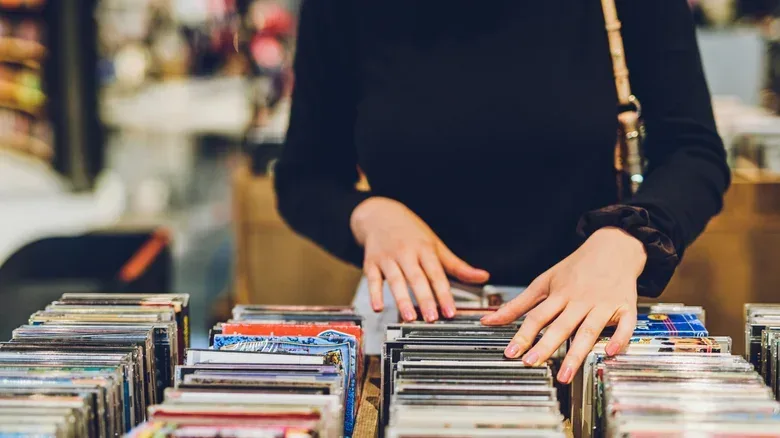
Cost is another part of the attraction. Used CDs can be found for only a few dollars, and a new release on CD is generally less expensive than its vinyl counterpart. For a collector who wants a broad library rather than a small number of premium display pieces, the format can offer a more forgiving entry point. A collection can begin with favorite albums, overlooked catalog titles or a specific artist’s run without requiring the same outlay as vinyl.
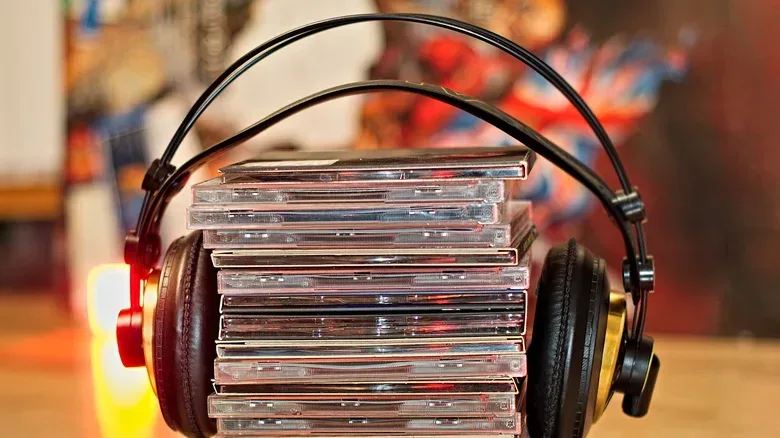
Then there is the material around the music. CD booklets can include lyrics and liner notes: credits that identify players, recording locations and other album-specific details. Those notes make the disc more than a storage medium. They give listeners a chance to follow the people and decisions behind a recording, rather than treating an album as an anonymous tile in an endlessly scrolling interface.
That quality is especially useful for listeners trying to hear albums as albums. Choosing a disc, reading its booklet and letting the track order play can create a more deliberate session than tapping from one recommendation to the next. The format does not force deep listening, of course. A CD can become background sound just as easily as a stream. But its physical limits encourage a different relationship with music: one album selected, one sequence presented, and fewer prompts to check messages or swap to something else.
Related coverage includes CD Sales Rise in 2026, but Finding a Player Is the New Challenge.
Ownership is useful, but it is not magic
It is worth being precise about what is meant by ownership here. Buying a CD means owning the physical disc and having a copy available to play. It is not the same as owning the copyright to the recording or gaining unrestricted rights to reproduce and distribute it. The practical advantage is access: the album is on the shelf instead of solely in a service controlled by a changing catalogue.
For people who want both a physical library and digital convenience, CDs can also be ripped. Ripping is the process of copying the audio from a CD to a computer so it can be organized in a personal digital library. That library can be useful on a computer or wherever the listener has arranged to play their files. More technically inclined collectors may build a personal server, while others may simply keep a straightforward local collection.
The term lossless audio often appears in this discussion. In plain terms, lossless files preserve the audio information from the source rather than discarding some of it to make smaller files. That can become a rabbit hole of file formats, storage and playback preferences, and it need not be the starting point for someone buying a few albums. The immediate point is simpler: a CD can serve both as a playable physical item and as the basis for a listener-managed digital library.
That blend of physical ownership and personal-library flexibility has obvious resonance beyond music. Game collectors have long dealt with similar questions about whether access depends on hardware, platform policies and accounts. The preservation stakes are not identical, but the instinct to keep a usable copy is familiar. The broader preservation conversation around DRM-free games likewise illustrates why retaining access can involve more than simply knowing that something once existed digitally.
The player is now the bottleneck
The central obstacle for returning CD buyers is not the disc itself. It is the missing drive. Earlier generations of hardware made CDs easy to accommodate: cars commonly had CD players, many laptops and desktops had disc drives, and dedicated portable or shelf systems were widespread. That is far less true now.
This is a significant practical change. A person can impulse-buy a CD at a show or pick up a used stack cheaply, only to need another purchase before hearing any of it. The extra step makes the format feel less immediate than streaming, where a search usually leads directly to playback. It also means that a CD collection works best when a buyer decides in advance where and how it will be heard.
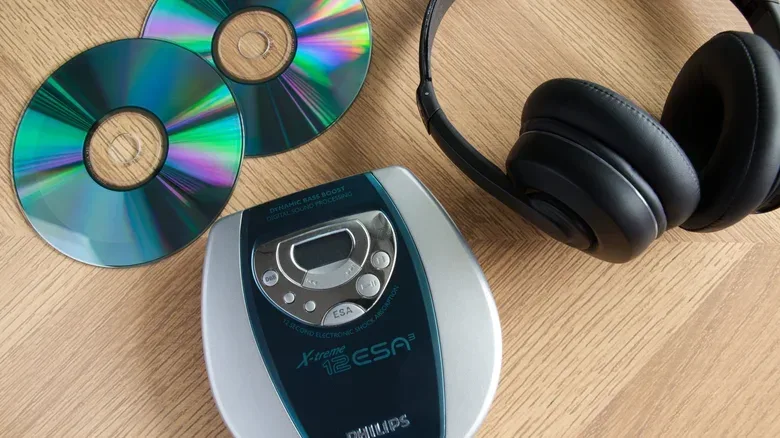
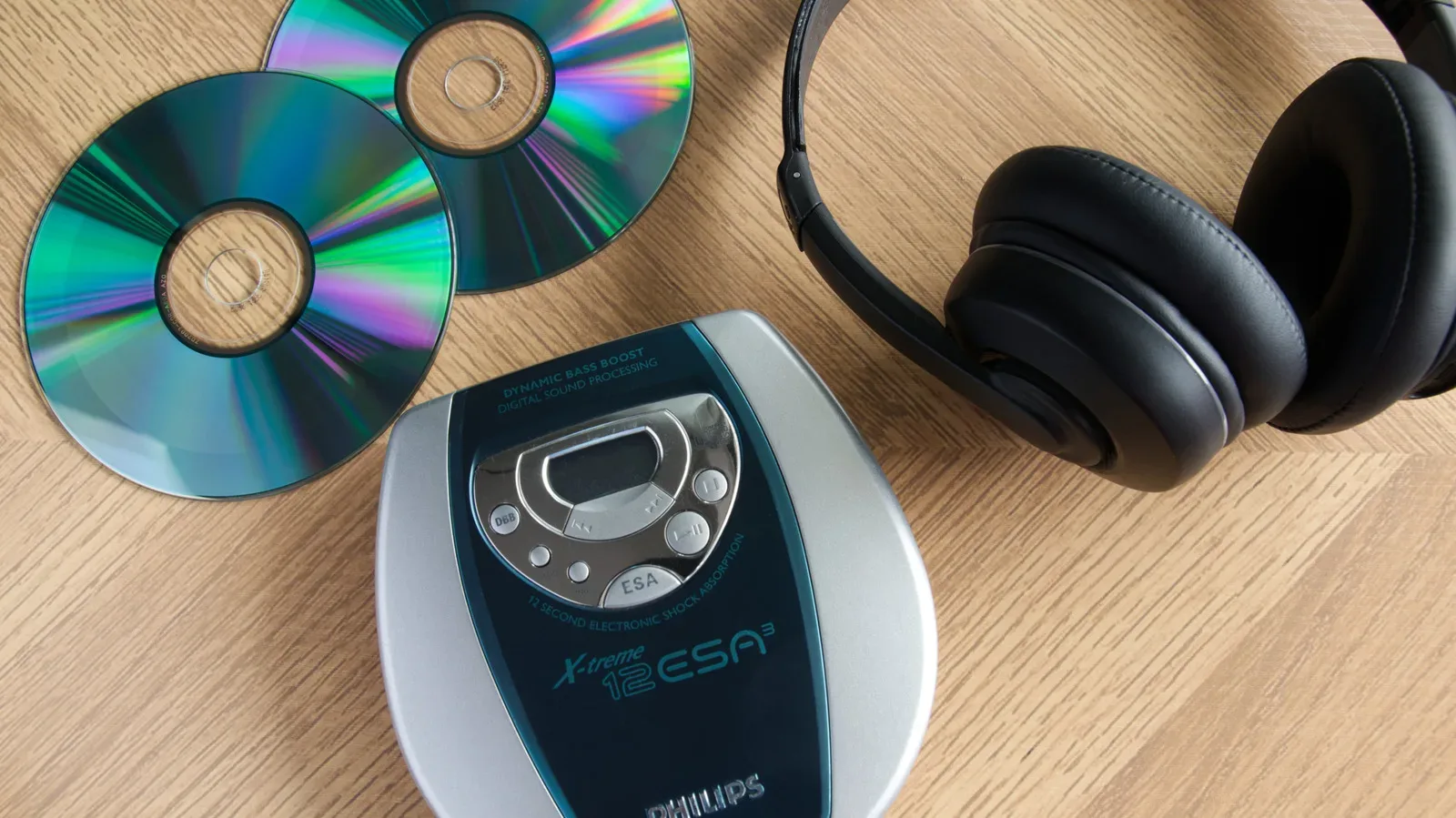
Fortunately, the necessary equipment has not disappeared. Dedicated portable players and desktop-oriented units remain available online. Some modern CD players include Bluetooth, allowing a disc to send audio wirelessly to compatible speakers. That is a useful bridge between an older medium and a contemporary listening setup: the listener retains the disc as the source while avoiding the need to replace a wireless speaker system.
An external USB CD drive is another option for a computer. Such a drive can provide a way to play discs on a machine without a built-in optical drive and can support the process of ripping a personal library. The important practical point is that there is a range of hardware options, so a casual listener is not automatically committed to a costly component system for occasional use.
Questions to answer before starting a collection
Because playback hardware is the modern complication, it is sensible to solve that part first. A prospective buyer does not need to become an audio specialist, but a few clear questions can prevent a pile of temporarily unplayable purchases:
- Where will the discs be played? Decide whether the main destination is a desk, a portable setup, a computer or a home speaker system.
- Is Bluetooth important? A Bluetooth-capable player may suit people whose existing speakers are wireless.
- Is a computer library part of the plan? If so, an external USB drive offers an obvious path to playing and ripping CDs.
- Will the discs be bought new, used or both? Used CDs can make exploration inexpensive, while new editions may matter more to those seeking a particular release or collectible package.
- Is the goal listening, collecting or a mix of both? The answer helps determine whether a basic playback solution is enough or whether the physical presentation is central to the purchase.
These are not rules for “doing CDs correctly.” They are a recognition that the old default—every device having a disc slot—has gone away. The format is still approachable, but its convenience now depends on a small amount of planning.
Why CDs fit the current collecting mood
Vinyl has dominated the story of physical-music revival, often because its size, artwork and ritual are immediately visible. CDs offer a different version of tangibility. They take up less space, are easier to store in quantity, and provide an album package without asking the buyer to reorganize a room around a large record collection. That does not make them superior for every listener; it makes them a distinct physical-media proposition.
The format also sits in an interesting middle ground. It is more physical and self-contained than a streaming account, yet it can feed a digital library through ripping. It is collectible, but used copies can be affordable. It can reward close attention through booklets and credits, but it does not require a collector to treat every acquisition as a precious display object.
Collectible K-pop releases underscore that point. Packaging can be part of the appeal, not merely a disposable container for audio. At the same time, the wider rise in sales suggests CDs are not confined to one kind of fan or one nostalgic generation. People can approach them for album notes, budget browsing, dependable offline playback, personal archiving, tactile collecting or simply because they prefer the idea of selecting an album without a phone trying to compete for attention.
There are limits to avoid romanticizing away. A CD needs a player. A digital library made from discs still takes time and a compatible computer setup. Physical collections require storage, organization and care. Streaming remains exceptionally convenient for discovery and instant access to a vast catalogue. The CD revival is therefore not a clean replacement story. It is a reminder that convenience is not the only measure of value.
For someone who misses owning a library—or someone discovering that pleasure for the first time—the current CD market offers a workable route in. Sales growth indicates there is real interest; available players and USB drives mean the hardware problem is solvable; and the discs themselves preserve a focused, offline way to experience an album. The only truly retro part may be remembering that music collection starts with a question modern buyers do not often have to ask: what will play this?