October’s horror-watchlist ritual does not have to mean choosing between whatever happens to be on a streaming service. A group of seasonal reductions on horror Blu-rays and 4K packages puts the emphasis on something more durable: editions with restorations, archival supplements, alternate cuts and carefully chosen multi-film sets.
That distinction matters for physical-media buyers. A cheap disc is useful if the only aim is to watch a film once, but the more interesting titles in this selection offer a reason to keep them: a new scan, a commentary track, a different version of the movie, or a collection that gives a classic horror studio proper shelf space. The discounts vary, so the sensible approach is to judge the edition before being swayed by the percentage attached to it.
Older horror discs are selling the edition, not just the movie
An American Werewolf in London is one of the clearest examples. Its Blu-ray edition is reduced by 58% and includes a recent restoration plus special features. A restoration is work undertaken to improve or preserve an older presentation using the best available film materials; it is not simply the same old master placed on a newer disc. That makes the release more compelling for viewers who want a version intended to preserve the film rather than merely fill a Halloween slot.
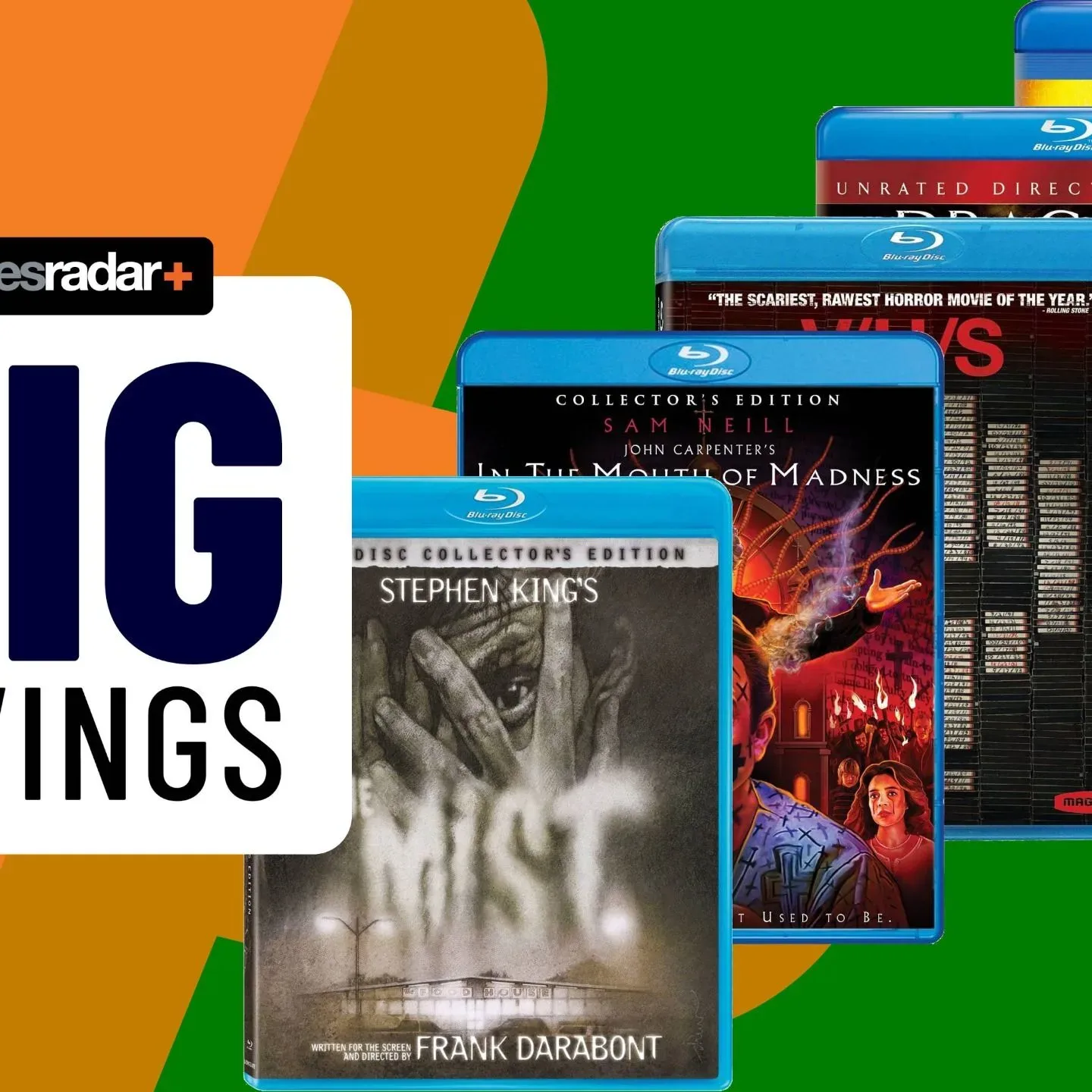
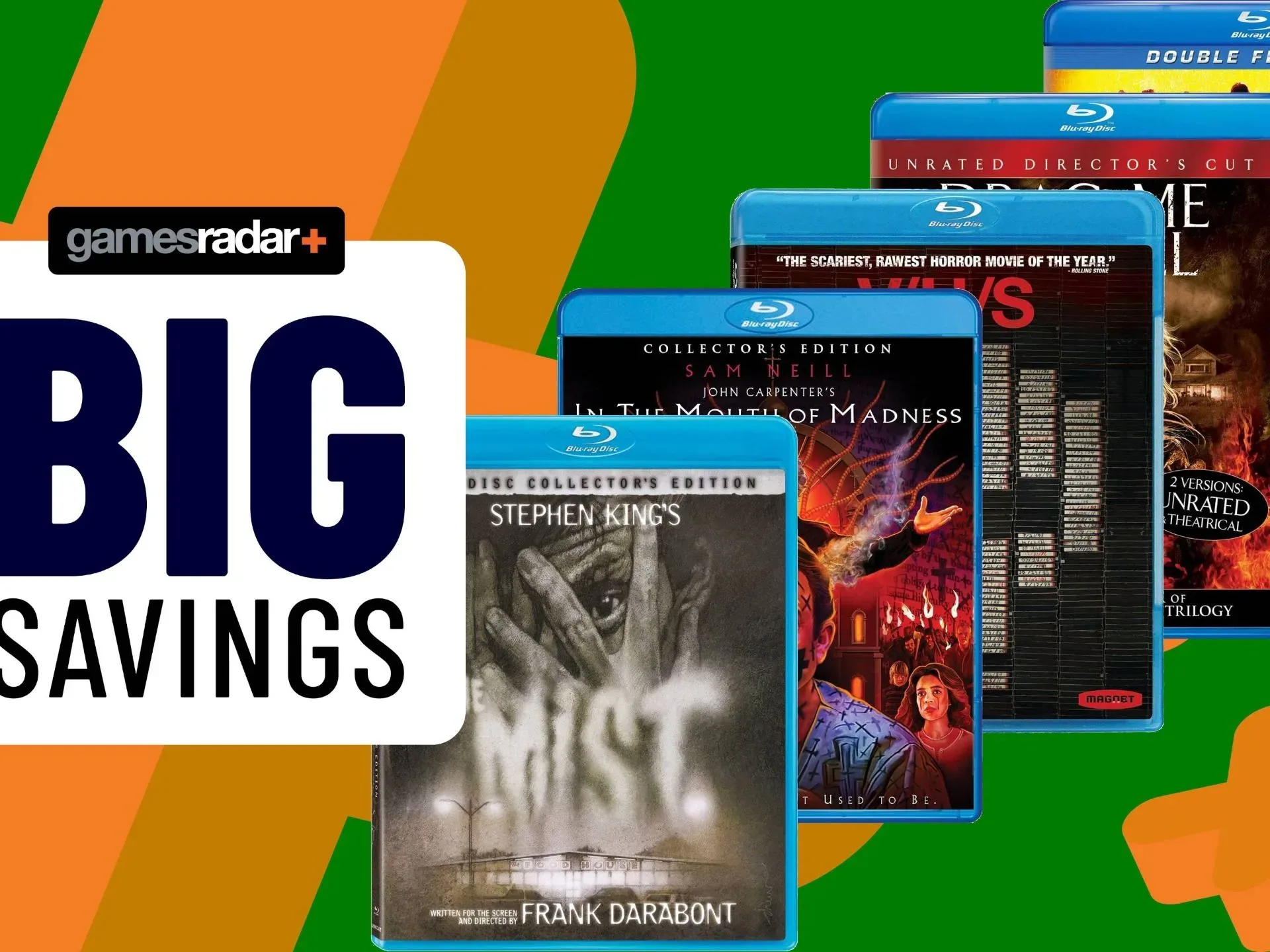
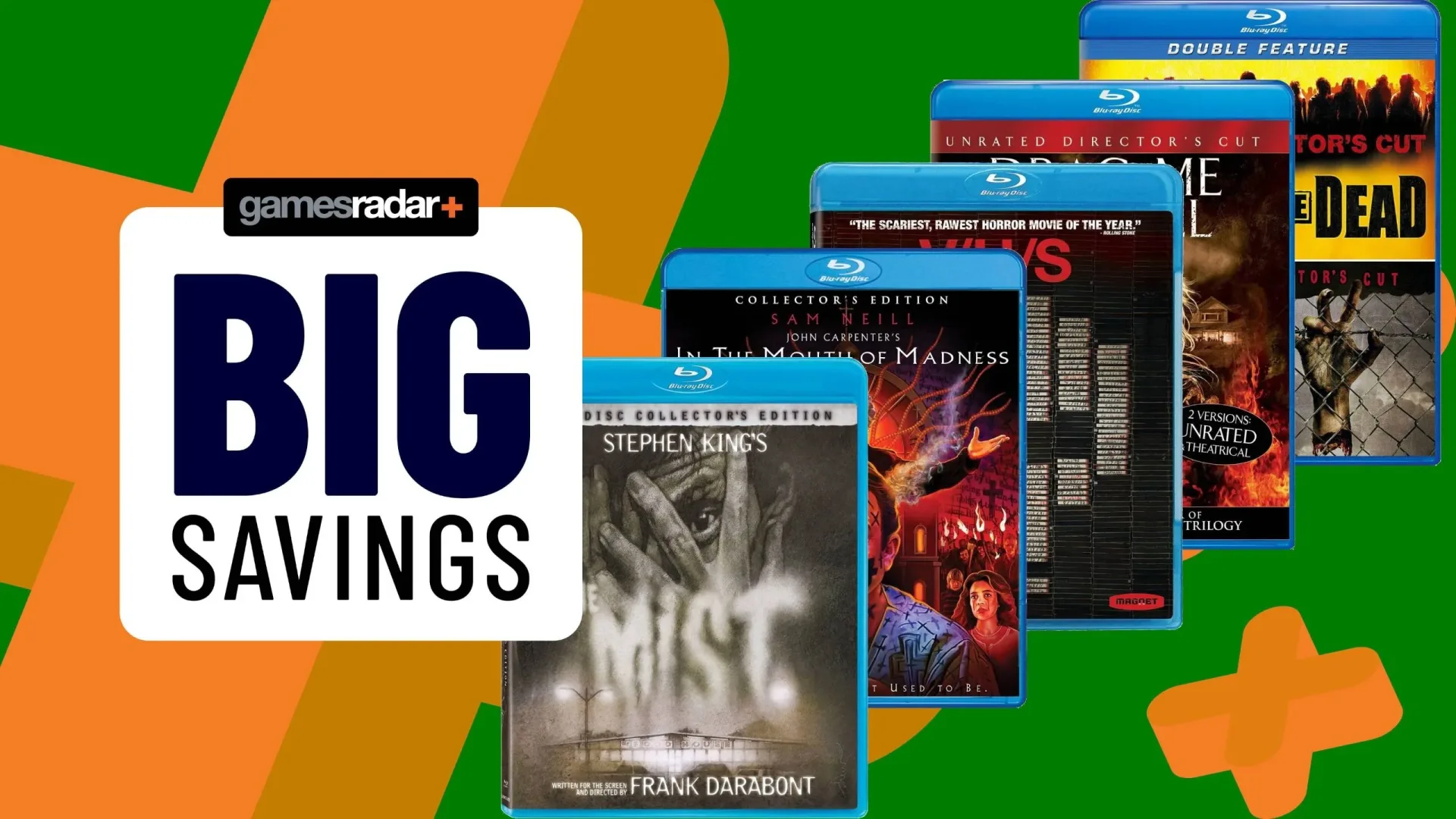
There is also a discounted Blu-ray of a lesser-known John Carpenter film starring Sam Neill. The package includes several audio commentaries, including one with Carpenter, and its scan is based on the original camera negative. In film-release terms, an original camera negative is the film element created in production from which later copies can be made. A scan derived from that element can be an important point for collectors because the underlying source may retain image information that is absent from more remote materials.
Commentary tracks change the value proposition, too. They are not a replacement for the film itself, nor a guarantee that every viewer will revisit a disc. But they turn a release into a record of how it was made and interpreted. For a filmmaker with Carpenter’s standing in genre cinema, a commentary is a particularly meaningful supplement: it provides a reason to own the edition even if the viewer already knows the movie.
The Evil Dead appears as a 4K Ultra HD and Blu-ray package with unique special features. The reduction is only $5, so it is not the low-cost pick in this lineup. Still, the release illustrates why sticker price and format should be considered together. A combo set supplies a 4K Ultra HD disc and a conventional Blu-ray, rather than requiring a buyer to choose only one. That flexibility can matter in a home with more than one player or display setup, and it also makes the package a more substantial archive of a film that remains central to 1980s horror.
2000s and modern horror bring alternate versions to the shelf
Sam Raimi’s 2009 horror film Drag Me to Hell, starring Alison Lohman, is discounted by nearly 50% on Blu-ray. Crucially, the disc contains two cuts, including the unrated director’s cut. An alternate cut is not automatically a radically different film, but it is a distinct version of the work and a practical reason to seek out a physical edition. For a Raimi collection, that makes this release more than a straightforward catalogue purchase: it preserves a viewing choice.
A double-feature disc combines Zack Snyder’s 2004 Dawn of the Dead remake with George Romero’s 2005 Land of the Dead, Romero’s final entry in the franchise he created. Pairings like this reward a slightly different kind of buyer. The appeal is not necessarily that the films are identical in style or purpose; it is that one purchase brings together two major 2000s zombie releases with clear connections to the genre’s larger lineage. It is a compact programming option for a double bill and a useful acquisition for anyone building a focused zombie-horror shelf.
A horror anthology released roughly 15 years ago is also part of the reductions. Its importance is tied partly to the filmmakers behind individual segments: Adam Wingard, Ti West and David Bruckner are now Hollywood directors. Anthology films can function as snapshots of a moment because multiple filmmakers work within one feature. That structure makes them especially interesting in retrospect. Instead of evaluating the movie only as a single uninterrupted story, viewers can see a cross-section of voices and approaches gathered at an earlier point in their careers.
The discounted two-disc collector’s edition of The Mist offers another kind of alternate presentation: a monochrome cut in addition to the standard version. Monochrome simply means black and white. It does not mean the film has been remade; it gives audiences a different visual presentation of the same material. For a viewer encountering the 2007 Stephen King adaptation for the first time, the standard version remains the obvious place to start. For returning viewers, the additional cut gives the disc a stronger replay value than a basic edition.
The Cabin in the Woods is available in a Blu-ray-and-digital configuration that costs less than the Blu-ray-only version. This is a useful reminder to read listings carefully. A digital code is not a physical disc, and it should not be treated as one when weighing long-term ownership. Yet when the combo costs less, it is plainly the more practical package for buyers who value both a shelf copy and the convenience of a digital viewing option.
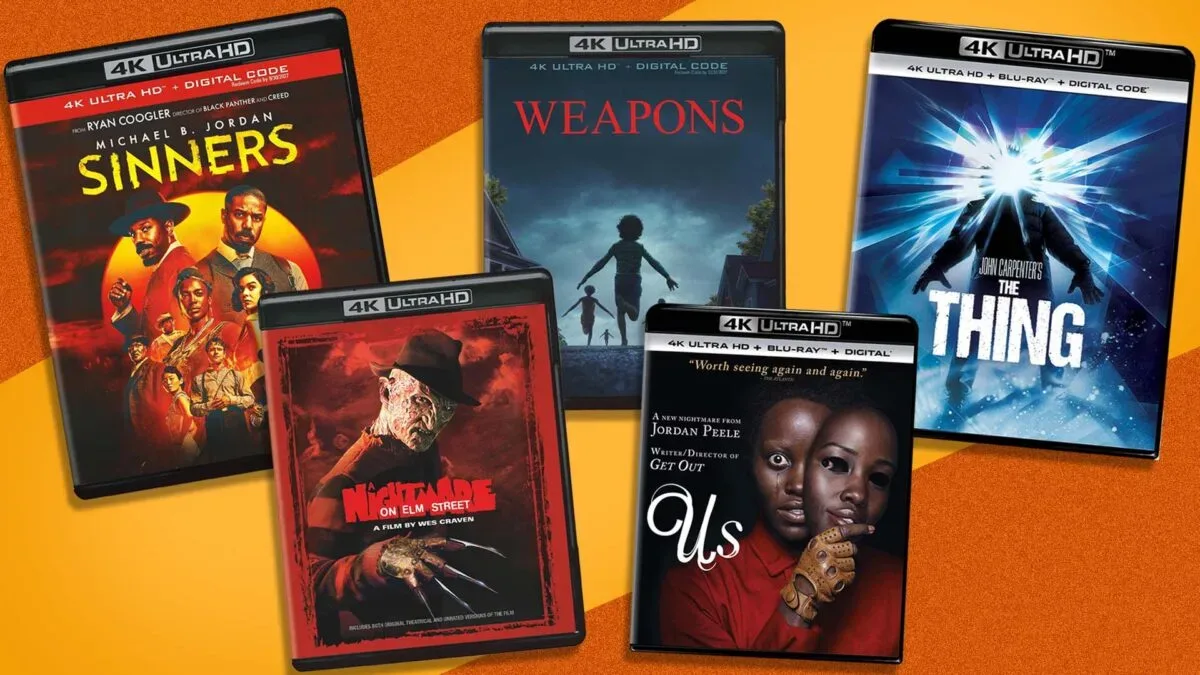
Another modern horror release in the sale includes 4K, Blu-ray and a digital download code. The title is not specified in the available deal details, but the format bundle is worth understanding. 4K Ultra HD is a disc format aimed at higher-resolution playback than standard Blu-ray, while the Blu-ray included alongside it can offer compatibility for viewers who do not yet have a 4K player. Such bundles are often the more sensible purchase when the price difference is modest, because they avoid locking a buyer into just one playback format.
Universal and Hammer sets make the strongest case for buying in bulk
The most substantial Halloween-library options are two eight-film box sets. One groups eight of Universal’s major creature features, including The Mummy, Frankenstein and Dracula, along with a booklet about the classic series. A set like this is a gateway to foundational monster cinema without forcing a buyer to hunt down each title separately. The booklet is also a welcome physical extra: it adds context that does not depend on opening an app, searching a menu or retaining access to a digital platform.
The second eight-film set focuses on Hammer titles from the 1940s and 1950s, including Brides of Dracula and The Phantom of the Opera. Its discount of nearly $10 brings the reported cost to approximately $3.30 per movie. Per-film arithmetic should never be the sole reason to buy a box, especially when a buyer may only be eager to watch two or three entries. But it is a useful measure for a set built around a studio identity, where exploration is part of the point. Hammer is presented here as a legendary name in classic horror, and an eight-film collection gives viewers room to sample its catalogue rather than make a commitment title by title.
The two collections also represent different ways of organizing a library. The Universal set is a creature-feature foundation built around famous monsters. The Hammer package is a studio-focused selection of older titles. Neither is inherently the universal better buy. The first fits a shelf built around iconic characters and landmark horror images; the second is more suitable for someone interested in a particular production tradition and a deeper run of classic-era material.
How to pick the right horror disc during a short sale
For anyone narrowing this group down, the best question is not simply, “What has the biggest discount?” It is, “What does this edition do that another version does not?” The answer is unusually clear across these releases:
- Choose restorations when presentation and preservation matter. An American Werewolf in London is the obvious candidate here.
- Choose commentaries and original-negative scans when supplements and the quality of the underlying source matter as much as the film.
- Choose alternate-cut editions for repeat viewing. Drag Me to Hell and The Mist both bring another version of the movie to the package.
- Choose 4K/Blu-ray combos when you want flexibility across players or displays, as with The Evil Dead package and the unnamed modern title.
- Choose a box set when you want a curated run of movies, not merely a low nominal cost per disc.
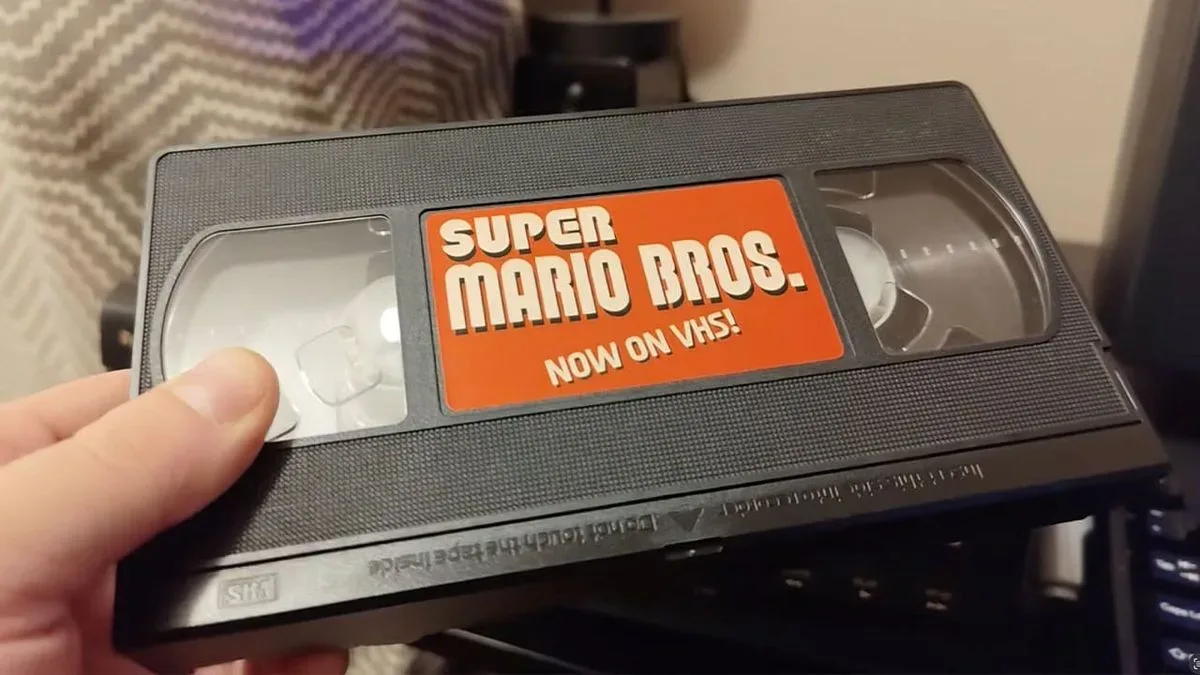
Physical media is not only about nostalgia. In this case, it offers version choice, formats that can remain on a shelf, and supplements that add context to familiar films. That permanence has even inspired experiments at the edge of older technology; a recent look at interactive retro game demos on VHS shows how enthusiast interest in tangible formats can go well beyond conventional playback.
For a Halloween marathon, the practical picks depend on the night’s mood. The Universal box promises a broad classic-monster foundation. The Hammer selection is an affordable deep dive into older studio horror. Dawn of the Dead and Land of the Dead make a ready-made zombie double feature. Meanwhile, collector-oriented single-film editions such as The Evil Dead, The Mist and the Carpenter release are best suited to viewers who care about the specific disc, not just the title printed on it.
With sale pricing, stock and individual listings liable to change, it is worth checking the exact edition before purchasing. A standard Blu-ray, a Blu-ray-plus-digital bundle and a 4K combo package can all carry similar names while offering very different value. The strongest deals in this group are the ones where the disc itself—its restoration, added cut, commentary or curation—will still feel worthwhile after October has passed.
Shop the products
Check current price, model and availability at the retailer.
- View An American Werewolf in London Blu-ray on Amazon US on Amazon
- View In The Mouth of Madness Blu-ray on Amazon US on Amazon
- View The Evil Dead 4K UHD + Blu-ray on Amazon US on Amazon
- View Drag Me to Hell Blu-ray on Amazon US on Amazon
- View V/H/S Blu-ray on Amazon US on Amazon
- View The Mist Two-disc Blu-ray on Amazon US on Amazon