
A sold listing is evidence of one transaction, not a universal price tag. Two copies with the same title can be different physical products: a loose Nintendo 64 cartridge, a boxed copy with its manual, an imported PlayStation 2 disc and a Nintendo DS card with its original case should not automatically share one comparison group.
The useful question is not “What is this game worth?” It is “What did comparable copies sell for, when, and with what evidence?” That change in wording keeps a buyer from treating an attractive asking price, an automated estimate or one unusual transaction as a reliable answer.
The method below is designed for buyers deciding whether a specific listing matches their needs. It does not produce a permanent fair price. It produces a dated, explainable range for a narrowly defined kind of copy, along with a record of what was excluded and why.
Define the exact copy before searching
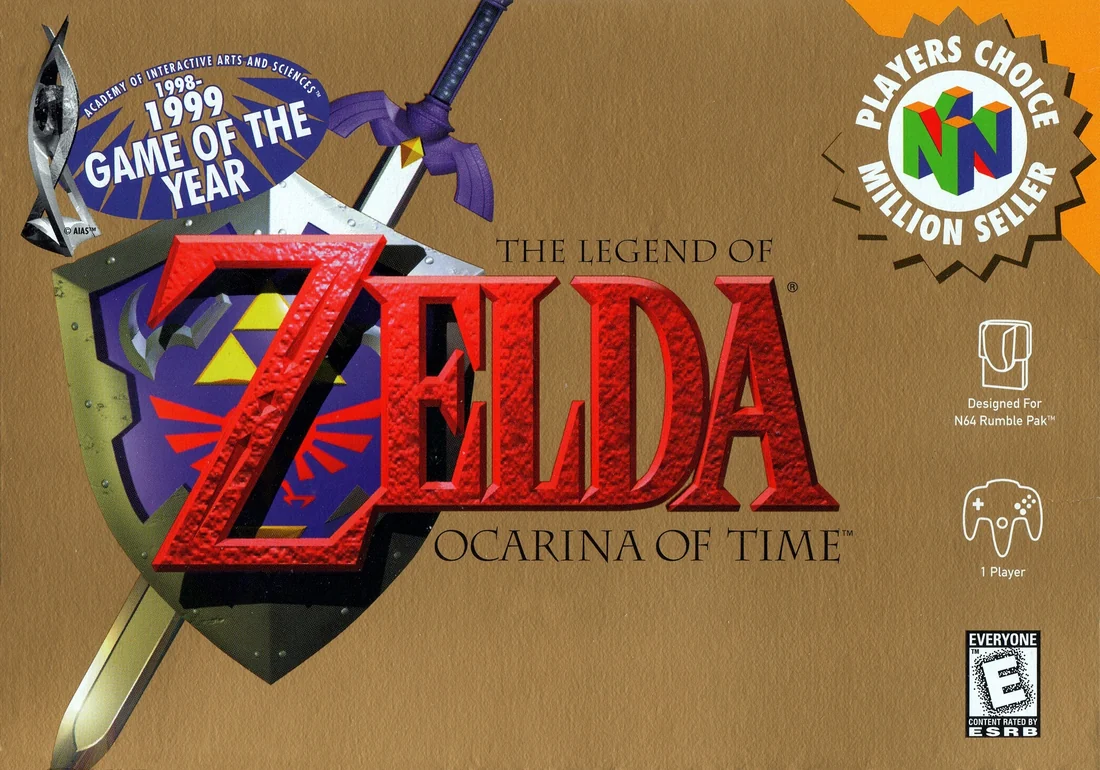
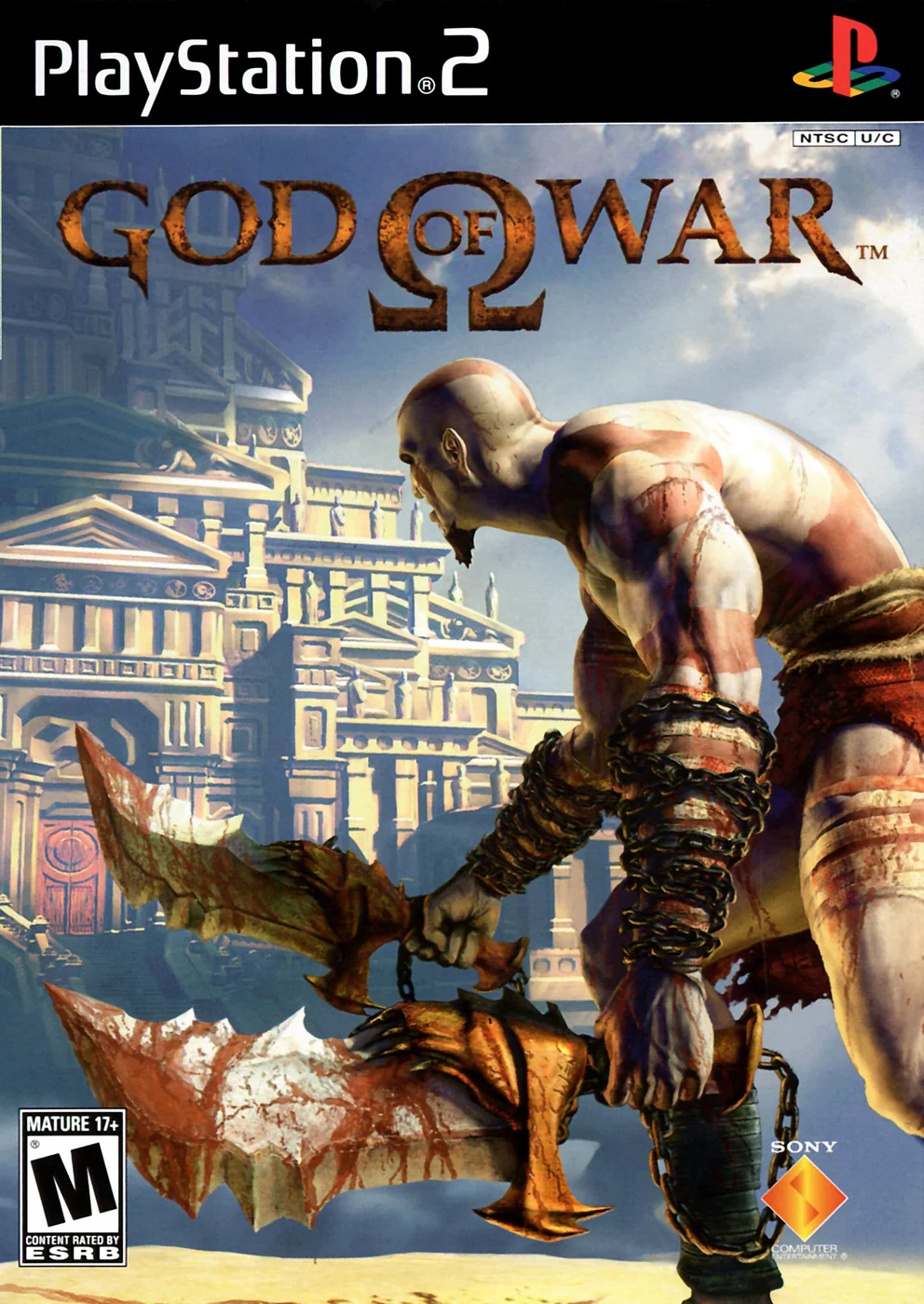
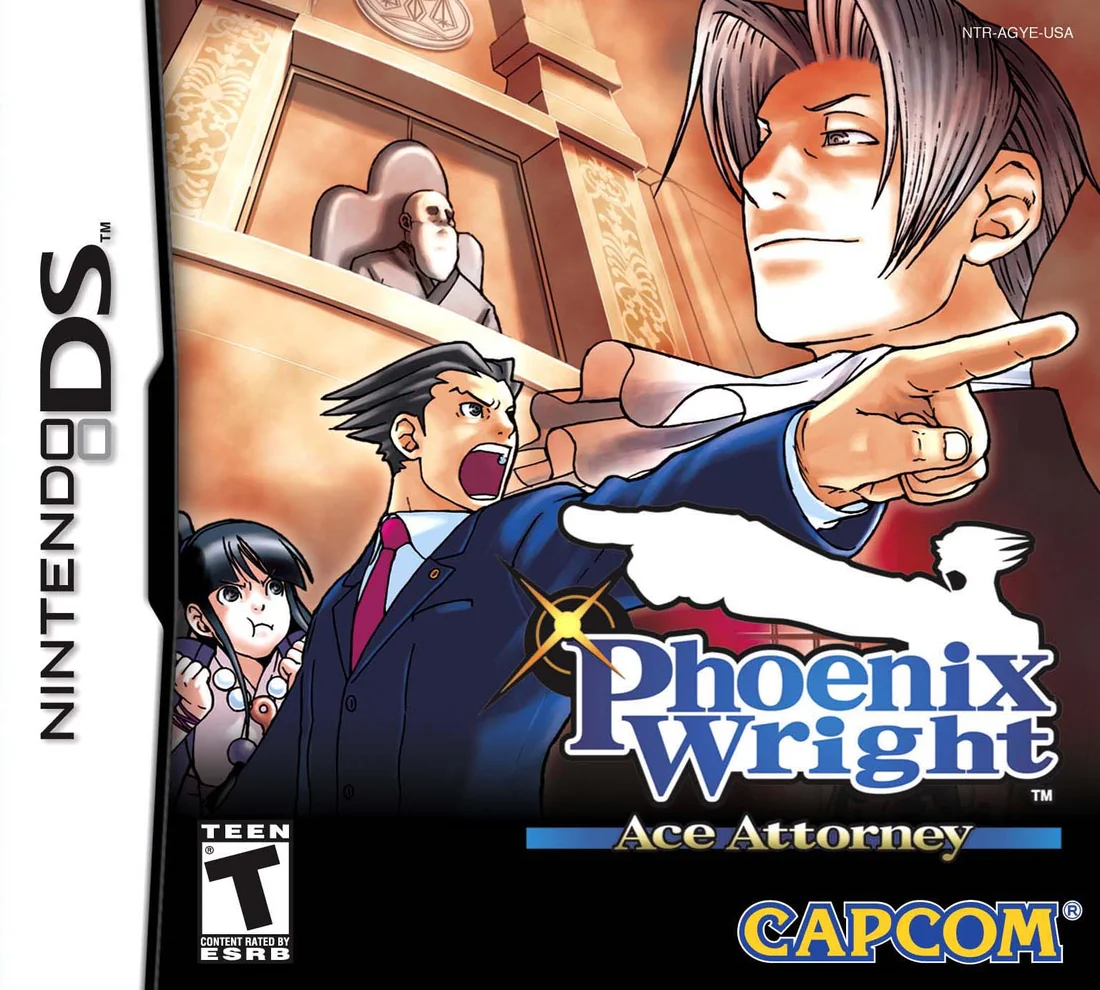
Start with an identification record before opening a marketplace search. Write the title, physical platform, region, edition or reprint, format, included pieces, visible condition and test status. For this guide, Super Mario 64 and The Legend of Zelda: Ocarina of Time are Nintendo 64 cartridges; Shadow of the Colossus and God of War are PlayStation 2 discs; Phoenix Wright: Ace Attorney and Final Fantasy III are Nintendo DS game cards.
Record what you want rather than what a seller happens to offer. A buyer seeking a playable loose cartridge should not quietly use complete-in-box sales to justify a purchase. A collector seeking an original case and manual should identify those requirements before comparing results. Decide whether an imported copy, replacement case, reproduction artwork or visible cosmetic wear is acceptable.
Give edition identity its own line. Greatest Hits, Player’s Choice, budget reprints, promotional copies and regional releases may share a title while differing in markings, packaging and collector relevance. If the listing does not identify the edition, mark it unknown instead of guessing from a front-cover image.
- Title and exact platform
- Region and compatibility requirements
- Edition, reprint or label variant
- Loose, complete, sealed, graded or partial format
- Included cartridge or disc, case, manual and inserts
- Known faults and stated test status
- Maximum uncertainty you are willing to accept
Use completed transactions, not hopeful asking prices
Begin with completed or sold transactions. An active listing shows what a seller wants, not what a buyer actually paid. Marketplace interfaces change, so use the platform’s current completed or sold-result tools without relying on a brittle sequence of menu labels. Save the transaction date, listing address, displayed sale amount and shipping details while the record is available.
A sold result still needs inspection. It may involve a best offer, a bundle, unusual shipping terms or a condition hidden behind a short title. Read the description and examine every photograph. If the headline says “complete” but the images show only a cartridge, classify the sale as incomplete evidence and exclude it from a tightly matched range.
Use older sales cautiously when a title has few results. Record their dates and keep them separate from newer evidence. A dated worksheet is more useful than an undated screenshot because it shows whether your comparison group is changing format, region or condition over time.
Specialist databases can provide orientation. PriceCharting separates categories such as loose, complete-in-box, new or sealed, graded, box-only and manual-only, and describes a methodology based on sold listings. Those categories are a secondary cross-check, not proof that a particular listing is complete or authentic. Inspect the underlying sale details whenever possible.
- Filter for completed or sold transactions
- Record the sale date, not just the displayed amount
- Open the original sale details and photographs
- Separate accepted offers, bundles and unclear transactions
- Keep active asking prices in a separate column
- Use specialist databases as orientation, not authentication
Match platform, region and edition
Platform matching is the first hard filter. Do not combine a Nintendo 64 cartridge with a later remake, a PlayStation 2 release with a different PlayStation edition or a standard DS card with a DSi-exclusive product. The title alone is insufficient. A God of War search must distinguish the original PS2 package from later releases, while a Shadow of the Colossus search must identify which physical PS2 edition is pictured.
Region can affect compatibility and collector appeal. PlayStation documentation identifies region codes and broadcast standards as factors that can affect disc playback on PlayStation hardware. For an imported PS2 listing, record the disc’s regional marking and ask what console the seller used. Do not assume that a boot photograph proves that the disc will work on your hardware.
Nintendo support documentation distinguishes older Nintendo DS and DS Lite software, which is generally region-free in most cases, from DSi-exclusive cards, which are region-locked. That distinction matters even when two items are casually described as “DS games.” For N64, the item must be an appropriate N64 Game Pak; a buyer should never force a cartridge that does not fit or is described vaguely as compatible.
Edition markings should be visible in photographs of the cartridge label, disc face, case spine and back cover where relevant. A seller’s use of “original” is a claim to verify, not a substitute for clear evidence. If the region, edition or platform cannot be established, place the transaction in an excluded or low-confidence group.
- Confirm the physical platform, not merely the title
- Read region markings on the item itself
- Separate original releases from remakes and later ports
- Check whether a DS card is standard DS or DSi-exclusive
- Ask which console and region were used for testing
- Exclude unresolved edition identities
Separate loose, complete and partial packages
Completeness is a collection of individual components, not a single magic label. For an N64 game, record the cartridge, original box, manual, inserts and advertised extras separately. For a PS2 game, record the disc, original case, front and back artwork, manual, registration material and other inserts. For a DS game, distinguish the game card from its case, artwork, manual and inserts.
“CIB” or “complete” may be used inconsistently. A replacement case can protect a disc but is not equivalent to an original case. Reproduction artwork may look tidy while changing the collector identity of the item. Box-only and manual-only sales should never enter a complete-game comparison, even if the title and artwork match.
The six example games show why this matters. A loose Super Mario 64 cartridge and a boxed Ocarina of Time package may both be functional N64 games, but they answer different collecting goals. A Shadow of the Colossus disc in a replacement case is not the same package as one retaining its original artwork and manual. Phoenix Wright and Final Fantasy III need the same component-by-component check despite using smaller DS cards.
Photographs should show every included piece laid flat when possible. If a seller shows a closed case but not its contents, record the case as present and the manual as unknown. Do not award a listing the benefit of the doubt.
- List each physical component separately
- Identify original versus replacement cases and artwork
- Treat box-only and manual-only sales as separate categories
- Mark unseen contents as unknown
- Do not accept “complete” without checking photographs
- Compare packages with the same completeness target
Read condition evidence without overclaiming
Condition should be described by observable features rather than a broad grade. On an N64 cartridge, inspect label wear, whitening, cracks, marker writing, missing screws, corrosion and signs that the shell or label has been replaced. A listing marked “tested” does not explain whether the seller checked one boot, several sessions, save retention or intermittent behavior.
For PS2 discs, record scratches, cracks, disc-label damage, resurfacing marks and whether the disc sits securely in the case. A clean-looking disc may still have an unknown history, while light surface marks do not by themselves establish failure. For DS cards, inspect the label, shell, contacts where visible and any damage near the connector. Avoid invasive inspection or unsafe repair work merely to improve a purchase decision.
A startup photograph supports only a narrow claim: the seller observed a screen or menu at one moment. It cannot establish long-term reliability, authentic internal hardware, save retention, complete contents or the absence of intermittent faults. Likewise, a sealed wrapper, sticker or shrink-wrap photograph cannot by itself prove a factory seal or original contents.
Use cautious wording in your notes: “seller shows startup screen,” “disc has visible resurfacing,” “manual not photographed” or “authenticity unresolved.” That wording prevents uncertain observations from turning into invented facts.
- Describe visible damage instead of assigning a vague grade
- Record corrosion, cracks, writing and replacement parts
- Ask what “tested” actually means
- Treat boot photographs as limited evidence
- Do not infer authenticity from a seal, screw, label or screen
- Seek qualified help when evidence conflicts

Reject bad comparables before calculating anything
A clean comparison set is often smaller than the first search results suggest. Exclude bundles unless you can identify a defensible per-item allocation and the bundle condition is equivalent. Exclude untested items when your target is tested media. Exclude reproductions, suspected conversions and listings with contradictory descriptions unless your target is specifically a reproduction or project item.
Remove transactions with an unknown region, missing photographs, unclear platform, hidden defects or an incomplete package. Graded and sealed copies require separate groups because their condition claims and buyer audiences differ from ordinary used copies. A high sale may reflect unusual completeness, provenance or presentation rather than the normal transaction range.
Be especially skeptical when a listing title says one thing and its photographs show another. “Case and game” may mean a replacement case. “Complete” may omit the manual. “Original” may describe only the artwork. If the seller will not clarify, exclusion is safer than adjusting the supposed value by guesswork.
Keep an exclusion log. Write the reason in one sentence, such as “PS2 region not shown,” “bundle with no allocation,” “manual missing,” “disc resurfaced” or “description contradicts photographs.” This prevents a tempting outlier from quietly re-entering the calculation.
- Exclude bundles without a reliable item allocation
- Exclude untested sales from tested comparisons
- Separate graded, sealed and unusually complete copies
- Remove unclear region and platform results
- Log contradictions between title, description and photographs
- Keep an exclusion reason beside every rejected result
Ask sellers questions that produce evidence
Questions should request specific observations rather than reassurance. Ask for photographs of the front and back of the cartridge, disc or card, the case, the manual, the label and regional markings. For a PS2 game, request a clear disc-face image and ask whether the disc has been resurfaced. For a cartridge, ask whether there are cracks, corrosion, writing, replacement parts or missing screws.
Ask what console was used, what the seller means by tested and whether the item was checked beyond reaching a title screen. You can ask whether save data was created or retained, but do not treat a positive answer as a guarantee of future performance. Ask the seller to identify every included piece and disclose any replacement case, reproduction artwork or missing insert.
Keep questions and answers on the marketplace. Do not move payment or communication off-platform to obtain a lower figure or avoid rules. Request confirmation of the stated condition and return handling through the official system. A seller who refuses basic identification questions has not reduced the uncertainty enough for a high-confidence purchase.
For an imported PS2 copy, ask which regional console was used. For a DS listing, ask whether the card is a standard DS release or a DSi-exclusive release. For N64, ask whether the cartridge is an original licensed Game Pak and request clear images without treating those images as conclusive authentication.
- What exact platform and region is shown on the item?
- Which edition or reprint is this?
- Which pieces are included, and which are replacements?
- What did you test, on which console, and for how long?
- Are there scratches, corrosion, cracks, writing or resurfacing marks?
- Will you confirm the listing details and return process on-platform?
Calculate total acquisition cost, not just sale amount
The transaction amount is only one part of the purchase decision. Add buyer fees, shipping, sales tax, import charges and any insurance or signature requirement. If the package is incomplete, include realistic categories for replacement materials such as a case, manual or protective storage, but do not invent a precise cost without checking the relevant market.
A low item amount can become unattractive after international shipping, taxes or replacement materials. Conversely, a slightly higher total may buy clearer evidence, safer packaging and a more practical return route. Record the total paid or expected total in the same worksheet as the sale amount so comparisons do not reward listings with artificially low headline figures.
Include return friction as a risk category rather than pretending it has a fixed monetary value. Consider return postage rules, the time required to document a mismatch, possible import complications and whether the packaging may expose a disc or cartridge to damage. Marketplace protection is not a product warranty, so it should not be treated as proof that an untested game will work indefinitely.
Keep payment and communication within the marketplace’s protected process. Do not accept off-platform payment requests, account transfers or instructions to evade marketplace protections. The goal is a comparable total transaction cost with a documented path to address an item that differs from its listing.
- Item amount
- Buyer fees
- Shipping and packaging
- Sales tax or VAT
- Import charges
- Insurance or signature costs
- Replacement materials
- Potential return shipping and administrative friction
Record a dated range with confidence notes
Use a spreadsheet or paper record with one row per transaction. Useful columns include sale date, title, platform, region, edition, physical format, completeness, condition observations, stated test evidence, sale amount, shipping, estimated total, source link, inclusion decision and notes. Add an evidence-confidence column such as high, medium or low, but explain the reason rather than treating the label as scientific precision.
After exclusions, look for a range among genuinely comparable sales. You may summarize the lower and upper observed transactions or identify a central cluster, but do not turn that range into a universal fair price. Note the number of included results, the date span and what remains uncertain. A range supported by three closely matched sales is a different claim from a range assembled from mixed-condition results.
Keep active asking prices separate. They can show what sellers are attempting, but they should never be blended into the sold range. Keep unusually complete, sealed, graded or damaged items in separate tabs or sections. This makes the worksheet useful if your target later changes from “playable copy” to “shelf copy.”
Revisit the record when you are ready to buy because the evidence is dated. The point is not to predict the market or discover a permanent number. It is to make the next decision traceable and proportionate to the evidence available.
- Sale date
- Exact identity and platform
- Region and edition
- Completeness and condition
- Testing evidence
- Total transaction cost
- Included or excluded decision
- Reason for confidence level
- Link and notes
Apply the method to the six example games
For Super Mario 64 and Ocarina of Time, begin with N64 cartridge identity, region, label and shell condition. Separate loose cartridges from boxed packages, and record whether the seller shows the front, back and label clearly. Do not treat a boot image as proof of an original cartridge or dependable save behavior. If a box is present, confirm whether the manual and inserts are actually photographed.
For Shadow of the Colossus and God of War, match the original PS2 release and regional marking before comparing disc sales. Record scratches, cracks, resurfacing, disc-label damage, case condition, artwork and manual presence separately. A replacement case may be perfectly serviceable for play but should remain a different comparison class from an original package.
For Phoenix Wright: Ace Attorney and Final Fantasy III, verify that the item is the intended Nintendo DS release and not a different regional or DSi-specific product. Record the game card, case, artwork, manual and inserts separately. A card shown in a generic case is not equivalent to a complete package, and a seller’s claim that it works does not establish authenticity or long-term reliability.
Across all six examples, use the same worksheet but not the same assumptions. Cartridges, optical discs and DS cards have different visible failure points, package conventions and compatibility questions. Comparable evidence must follow the format rather than merely the title.
- Group each title by its physical format
- Match region and edition before condition
- Separate playable media from collector packaging
- Record platform-specific damage evidence
- Do not publish a price simply because a range exists
Set stop conditions before you buy
Decide in advance what evidence is necessary. Request more photographs when the label, disc face, card, case contents or regional markings are hidden. Ask for clarification when “tested,” “complete,” “original” or “excellent” is not supported by observable details. If the seller cannot identify the platform, region, included pieces or known faults, stop comparing and either wait for evidence or walk away.
Stop immediately when the item shows a cracked cartridge or disc, corrosion, damaged electrical components, severe water exposure or another defect that would require unsafe repair work. Nintendo’s safety guidance warns against using damaged components and against disassembly or attempted repair of cartridge-based console equipment. A discount does not remove that risk.
Also stop when the seller pressures you to pay outside the marketplace, transfer an account, ignore a mismatch or bypass buyer protections. Official marketplace protection has eligibility rules, deadlines and exclusions, but it can matter if an eligible item arrives damaged, faulty or unlike its listing. Check the current policy before purchase.
Your final decision should be simple: buy only when the copy matches your target, the total cost fits your plan and the remaining uncertainty is acceptable. If those conditions are not met, an uncompleted purchase is better evidence-based collecting than a cheap mistake.
- Request evidence for every unknown that matters
- Walk away from unsafe or physically compromised items
- Do not pay or communicate off-platform
- Confirm current return and protection rules
- Buy only when identity, condition and total cost are acceptable
Protect the transaction after delivery
Save the listing, photographs, seller messages and transaction record before the item arrives. When the package is delivered, photograph the outer packaging and contents before discarding anything. Compare the received item with the listing’s exact claims: title, platform, region, edition, included pieces and visible condition.
Test only as much as needed to verify the listing, using compatible hardware and ordinary user-level handling. Do not force a cartridge, open a console or attempt invasive repairs. A startup screen can help establish that the item reaches a particular state, but it does not convert uncertain authenticity or hidden damage into certainty.
If the item is damaged, faulty or materially different from the listing, document the specific discrepancy with relevant photographs and use the marketplace’s official return or claim process. eBay’s current Money Back Guarantee policy covers many eligible transactions when an item does not arrive, arrives faulty or damaged, or does not match the listing, but it has payment, timing and other eligibility requirements. It is not a warranty.
Keep the evidence focused on the stated problem and return the item in the condition received, subject to the current policy and circumstances. A careful arrival record protects your options without encouraging unnecessary handling.
- Save the listing and messages
- Photograph packaging and contents on arrival
- Compare every promised component
- Test only enough to verify the listing
- Document discrepancies clearly
- Use the official return or claim process before deadlines
Sold listings become useful when they describe the same kind of object. Match platform, region, edition, completeness and condition first; then record dated transactions, reject weak evidence and calculate the total acquisition cost. The result should be a transparent range with a confidence note, not a single number presented as permanent truth.
When photographs, seller answers or compatibility details remain inadequate, stop. Waiting for a better-documented copy protects both a budget and a collection more effectively than forcing an uncertain listing into a comparison table.