A listing marked CIB, complete, boxed or complete in box is not a universal package specification. One seller may mean the game, box and manual. Another may include every paper insert, tray, map or registration card associated with a particular release. PriceCharting uses the narrower game, original box and original instruction manual definition, while specialist collecting references encourage a more detailed examination of title-specific components.
That difference matters across Nintendo 64 cartridges, PlayStation 2 discs and Nintendo DS game cards. The same title may have regional editions, rereleases, language variants, different branding or package materials that do not belong together. Use the workflow below before comparing listings, and record uncertainty instead of filling gaps with assumptions.
Why CIB Is a Starting Label, Not an Inventory
Begin by translating the seller’s label into separate claims. Is the original game media present? Is the original box or case present? Is the title-specific manual included? Are the cover insert, tray, registration card, advertisement, map, poster or other extras present? Which of those are required for your collecting goal, and which are optional period material?
Marketplace condition labels provide context, but they do not answer every completeness question. A seller’s condition selection should be read alongside the actual description and photographs. A seller who writes “complete” without listing components has supplied a marketing description, not a finished inventory.
Create a simple status for every component: confirmed, claimed but not shown, absent, not applicable or unresolved. “Claimed but not shown” is especially important. It prevents a photograph of a closed case from becoming false certainty about the manual, tray or disc inside.
- Write down the seller’s exact wording before asking questions.
- Separate completeness from condition. A complete game can have a damaged box, and a clean case can be missing its manual.
- Do not use a platform-wide definition as proof of a title-specific package.
- Treat stock artwork and catalog images as references, not evidence of the seller’s copy.
Define the Exact Edition Before Comparing Listings
Decide what you are buying before looking at the price. Record platform, region, language, publisher or label branding, original release or rerelease, and whether a particular edition such as Greatest Hits or Player’s Choice is acceptable. “North American original” and “any authentic regional copy” are different collecting targets and should not share one checklist.
Region can affect the box, manual language, cartridge or disc markings, rating symbol, copyright text and included warnings. A European Super Mario 64 manual, for example, may contain several language sections and a different product code from a North American package. That makes the manual useful evidence, but it does not prove that the cartridge and box originated together.
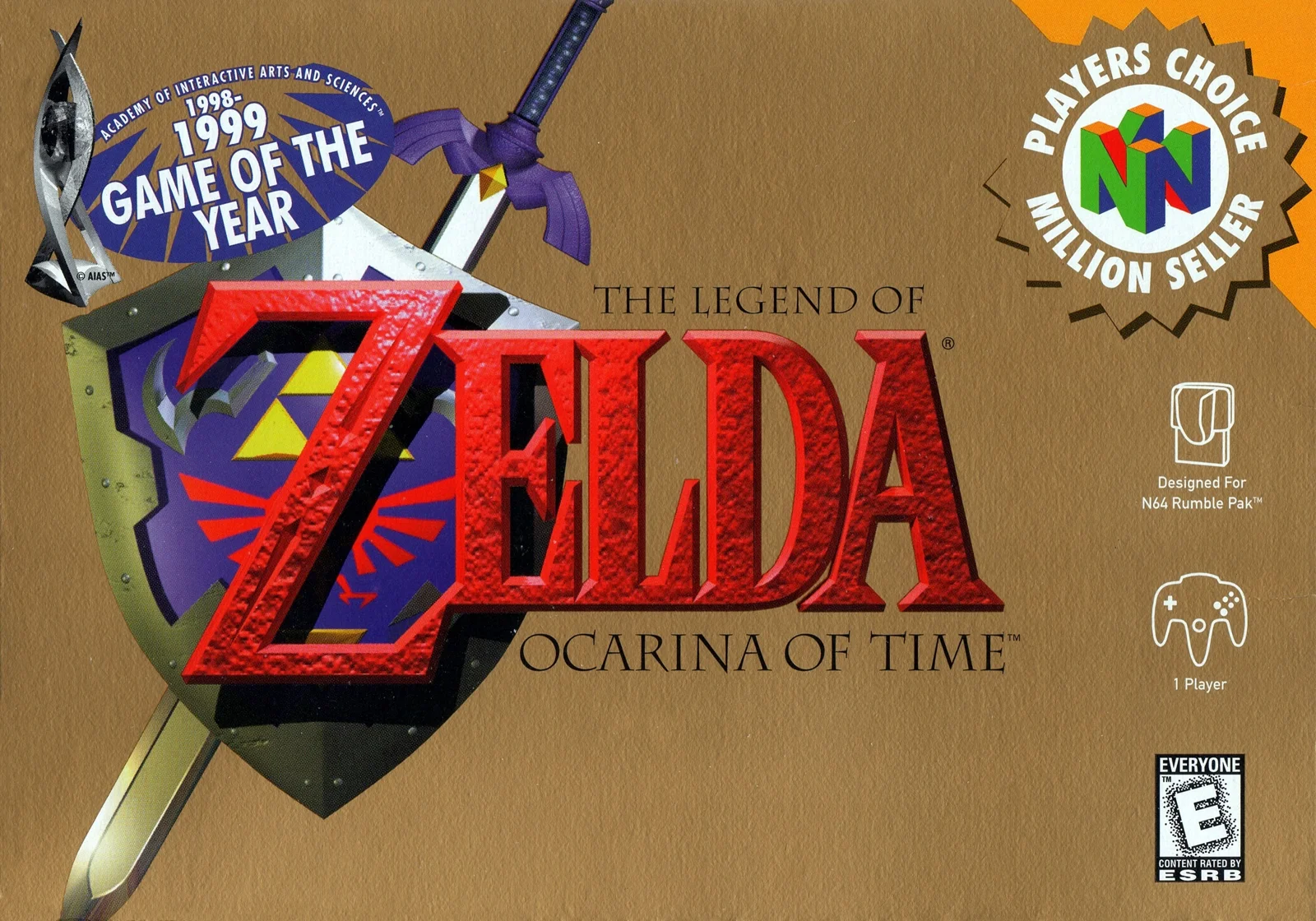
Later-platform material is another common trap. Nintendo lists Nintendo 64, Wii and Wii U versions of Ocarina of Time separately. A digital manual, 3DS manual or modern product page can help identify a title, but it cannot establish what was packed with the original Nintendo 64 retail release. Save a reference image or manual page for the exact target edition, not merely the same game name.
A variant may be authentic without belonging to your target. Record the desired edition in the first line of your inventory and downgrade any listing that does not show the evidence needed to identify it.
- Platform and title match exactly.
- Region, language and rating mark match the target.
- Original release, rerelease or budget branding is identified.
- Manual and cover art belong to the same regional and edition family as the media.
- Any edition difference is disclosed rather than silently treated as equivalent.
Build a Six-Part Inventory for Every Listing
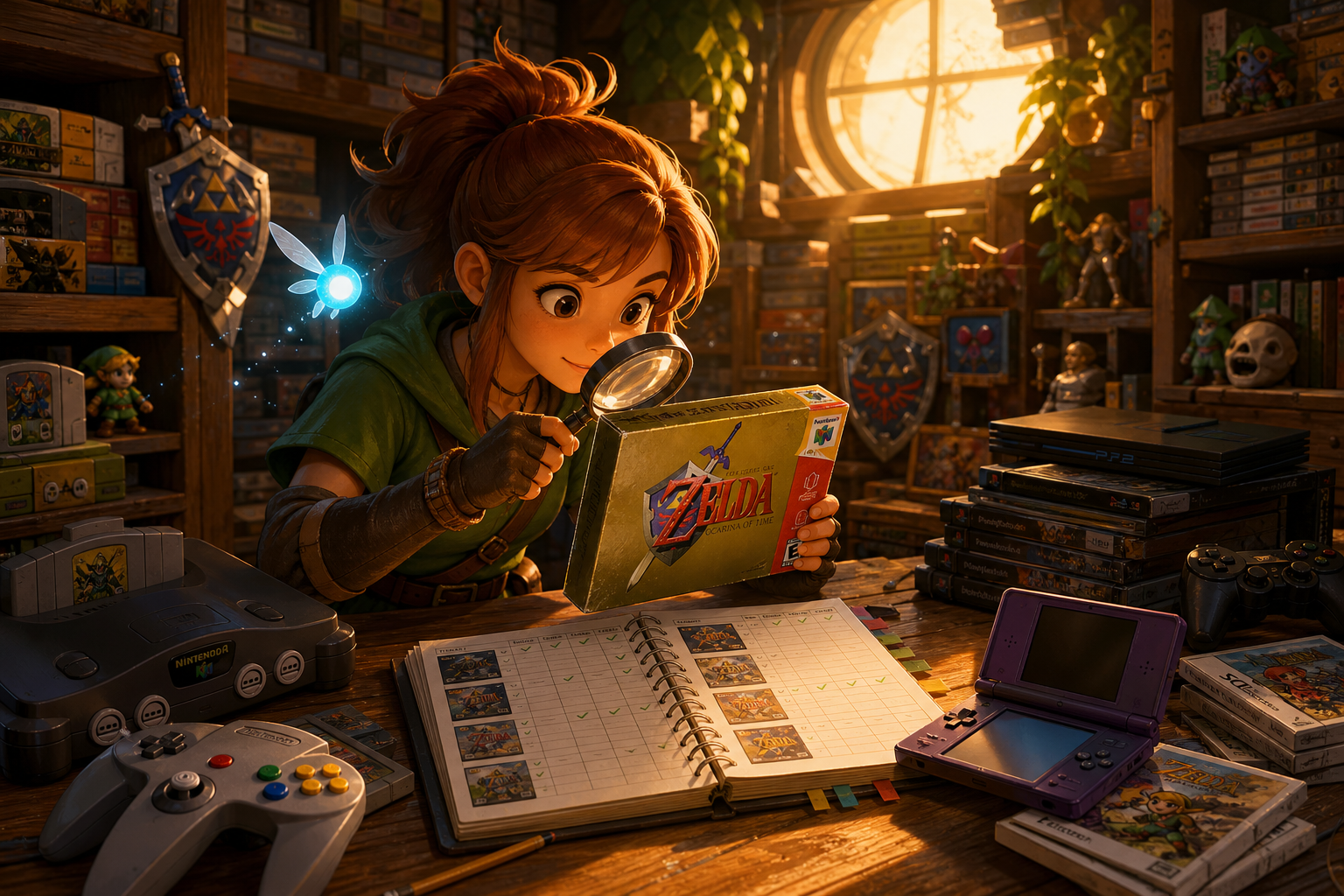
A useful inventory has six main groups: media, box or case, manual, inner packaging, inserts and extras. Media means the N64 cartridge, PS2 disc or DS game card, including its label and identifying code. Box or case means the outer cardboard box or plastic case, cover insert, spine and back artwork. Manual means the game-specific instruction booklet, not automatically every sheet of paper in the package.
Inner packaging includes cartridge holders, disc trays, hubs, clips and case components. Inserts include registration cards, warranty cards, precautions booklets, advertisements and publisher notices. Extras include maps, posters, soundtrack discs, bonus DVDs, cards or other title-specific material. Mark each item as required, expected, optional, promotional or unresolved only after checking a reliable reference for the exact edition.
MobyGames’ package vocabulary is helpful because it separates manuals, reference cards, maps, soundtracks, advertisements and extras rather than collapsing them into one “inserts” field. Use that vocabulary in messages to sellers. “Does it have all inserts?” is vague; “Are the registration card, precautions booklet and title-specific advertisement present, and can you photograph both sides?” is testable.
Do not assume that every paper item is necessary for CIB. A platform safety booklet may have shipped with many products, while a game-specific map may be essential to a particular edition. Conversely, an item can be original period material without being correct for the game. Your inventory should preserve that distinction.
- Media: cartridge, disc or game card; label; code; visible damage.
- Box or case: front, back, spine, tabs, hinge, artwork and regional branding.
- Manual: title page, language, code, page count and condition.
- Inner packaging: tray, cartridge holder, disc hub or clips.
- Inserts: registration, warranty, precautions, advertisements and reference cards.
- Extras: maps, posters, soundtrack discs, bonus discs and cards.
Nintendo 64 Worksheet: Super Mario 64 and Ocarina of Time
For Super Mario 64 and The Legend of Zelda: Ocarina of Time, start with the cartridge rather than the box. Request photographs of the front and back, label edges and any printed code or revision information that can be viewed without opening anything. A cartridge label can support a title and region check, but it cannot authenticate the box, manual or complete set by itself. Do not ask a seller to open a cartridge merely to resolve a listing question.
Then inspect the cardboard package for crushed corners, separated layers, faded ink, replacement artwork, writing, tape repairs and missing interior flaps. A front-only photograph is insufficient. Request the back, both sides, bottom, top and interior where practical. A box can be original while the manual is from another region, or it can be a reproduction paired with an authentic cartridge.
The Super Mario 64 instruction booklet identifies the product as a Nintendo 64 Game Pak and uses a product code. It also refers to separate consumer-information and precautions material. That is a strong reason to inventory the game manual and general safety documentation separately. The multilingual structure of some regional manuals also makes language layout a useful comparison point, but only against the exact release you want.
For Ocarina of Time, do not treat a catalog image or a different regional scan as a definitive contents list. Record whether the seller shows the cartridge, box, manual, safety material and any claimed promotional paper. If a collector reference identifies a particular insert for the target edition, ask for it specifically rather than assuming every Ocarina package used the same configuration.
- Cartridge front and back are shown clearly.
- Box back and spine match the target region and edition.
- Manual code and language layout are consistent with the target.
- Safety or consumer-information material is identified separately.
- Any suspected replacement box or label is disclosed.
- No one component is treated as proof that the whole set is original.
PlayStation 2 Worksheet: Shadow of the Colossus and God of War
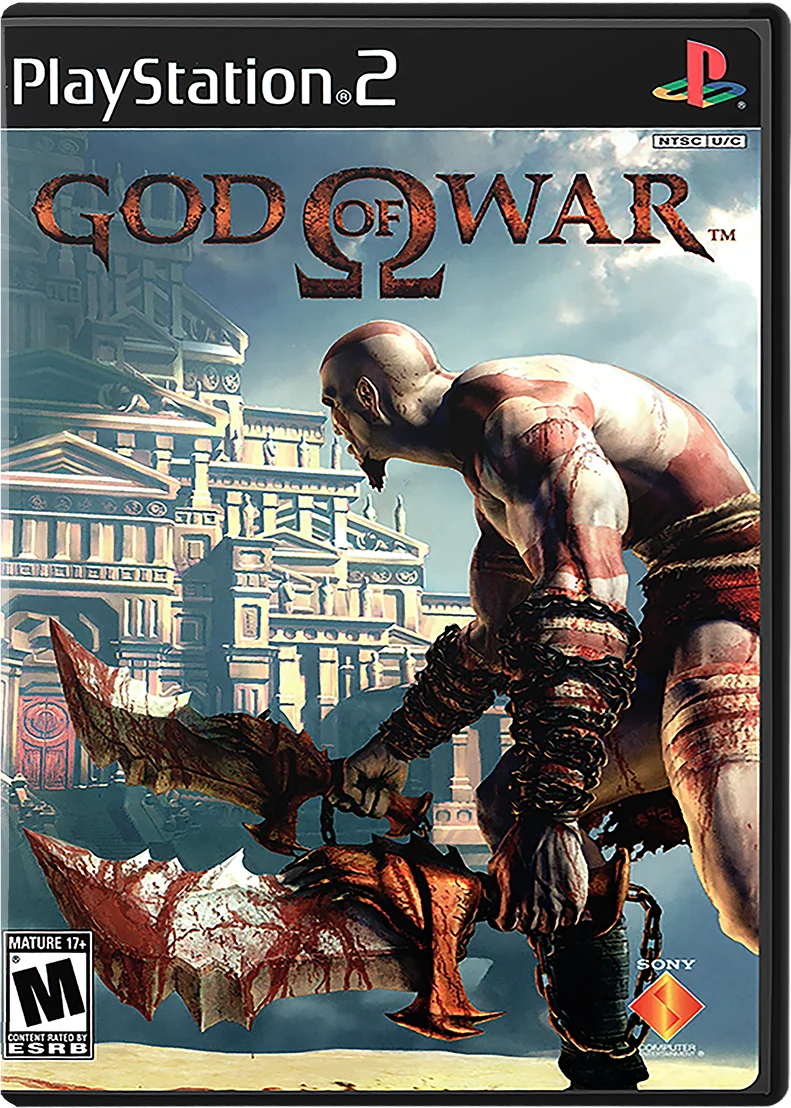
A PlayStation 2 CIB listing needs more than a disc and a black case. Inventory the disc, original case, front cover insert, back cover insert, spine, manual, disc tray and every separately pictured paper item. Case shells are replaceable, and a clean replacement can conceal missing clips, a swapped tray or reproduction artwork. Conversely, a scratched shell does not automatically mean the cover art or disc is wrong.
For Shadow of the Colossus and God of War, request photographs with the case open and the disc removed from the hub. The disc label should be readable, and the seller should identify whether the manual is present, loose, water-damaged, annotated or from a different edition. Ask for the back of the manual when region or language is uncertain. A disc can boot while the package remains incomplete or mismatched.
Check whether the listing shows the exact edition rather than a generic PS2 image. Greatest Hits or other rerelease branding may alter the cover, disc label and manual. The supplied North American catalog artwork is useful for visual comparison only; it does not prove the seller has the same edition, original artwork or intact case.
Disc condition also deserves its own status. Surface marks may be disclosed without making a functional claim, but “tested” is not a completeness certificate. Ask what hardware and region were used, whether the game reached the title screen, and whether any reading limitation was observed. Do not treat one software screen as proof of authenticity.
- Disc label, catalog markings and region are visible.
- Front, back and spine artwork are shown separately.
- Manual is present and matches the edition.
- Tray, hub, clips and case hinges are intact or disclosed as damaged.
- Disc surface condition is described without unsupported performance guarantees.
- Any Greatest Hits, promotional or rerelease branding is identified.
Nintendo DS Worksheet: Phoenix Wright and Final Fantasy III
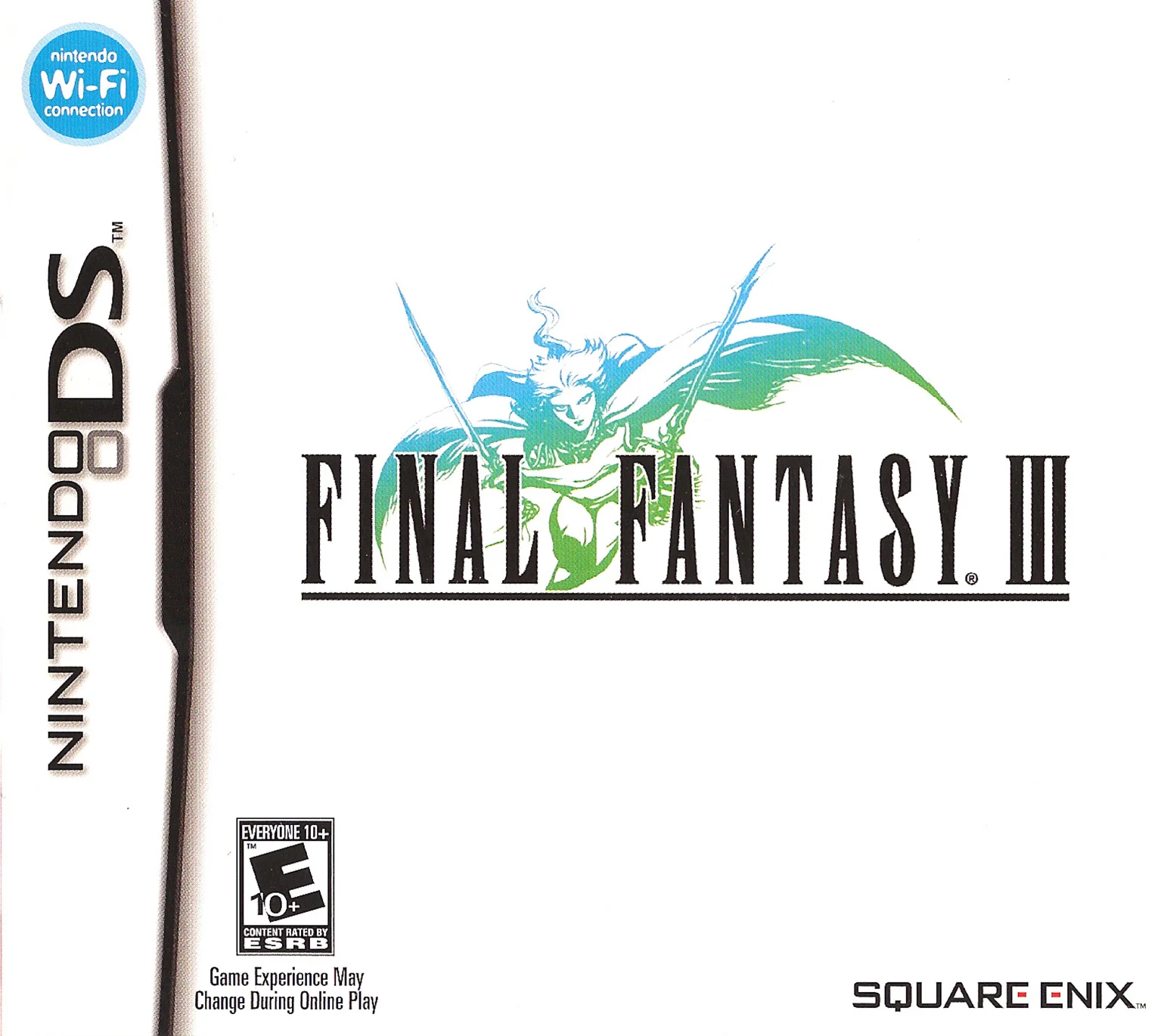
Nintendo DS packages often look compact, but the inventory still needs separate fields for game card, case, cover art, manual, tray and paper inserts. Ask for the front and back of the card, preferably with its identifying markings visible, and for a photograph of the card seated in the case. The case alone proves very little: it may contain replacement art or a different game card.
For Phoenix Wright: Ace Attorney and Final Fantasy III, compare the title page, publisher information, copyright text, language and control diagrams in the printed manual with official Nintendo manual references where available. Nintendo’s documentation distinguishes DS software manuals and platform documentation, but a digital manual is a comparison aid rather than proof that a printed booklet was included in a particular retail package.
North American printed documentation was not always multilingual in the same way as European material. A missing second-language section is therefore not automatically a defect. The relevant question is whether the booklet matches the target region and edition. Record “not applicable” when a reference confirms that an item was not part of that package, rather than counting every absent sheet as missing.
DS cases may have small interior holders or tabs that are easy to overlook in a closed photograph. Request an open-case image, the reverse of the cover insert and a separate picture of all paper contents. If the seller uses only a stock cover image, treat every component as unverified until replaced with item-specific photographs.
- Game card title, markings and region are visible.
- Card, case and cover art appear to belong to the same title and edition.
- Manual language and title page match the target region.
- Case tray, tabs and card holder are present or disclosed.
- Paper inserts are classified as game-specific, platform-wide, promotional or unresolved.
- The seller’s photographs show the actual item, not only catalog artwork.
Use Manuals and Specialist Guides as Comparison Tools
Reference material is most useful when it answers a narrow question: what does the title page look like, which code belongs to this region, does the package list a map, or is a safety booklet platform-wide? Official manuals are valuable for wording, diagrams, warnings and product codes. Specialist component guides can add packaging observations for specific games. Neither source should be treated as final authentication of a seller’s individual copy.
Compare multiple signals. Check publisher branding, copyright dates, addresses, rating symbols, language order, catalog codes, artwork layout and physical format. A component that matches one scan can still be a reproduction or a mismatch. Likewise, a difference may reflect a legitimate revision rather than fraud. When the evidence conflicts, describe the uncertainty and seek a qualified collector or grading service rather than making a definitive claim.
Catalog databases can also have incomplete or inconsistent package records. Use them to build a candidate inventory, then verify unusual claims against an official manual, specialist guide or multiple period references. Do not inflate a missing insert into a major defect merely because a different regional package had one.
Keep a screenshot or saved note of the reference used for your target edition. This makes later comparisons consistent and prevents a seller’s generic terminology from changing your standard halfway through the purchase.
- Use official documentation for product codes, language and platform details where available.
- Use specialist references for title-specific package components.
- Cross-check unusual components against more than one reliable reference.
- Separate legitimate variants from evidence of a mismatch.
- Escalate unresolved authenticity questions instead of guessing.
Photo Inspection: What Images Can Actually Establish
Ask for a component layout photograph: media, case or box, manual, tray and loose inserts placed separately on a neutral surface. Request close images of labels, spines, backs, manual title pages, disc surfaces and cartridge or card markings. A timestamp or seller-specific view can help show that the images represent the actual item, although it still does not authenticate every component.
Photos can establish visible presence, approximate condition, region clues and obvious mismatches. They cannot prove that paper is original, that a sealed package was never opened, that a disc will complete a full play session, or that a cartridge board is genuine. Scratches, cracks, corrosion and fading should be recorded descriptively. Avoid treating a seal, screw, label texture or software boot screen as a single decisive test.
Look for contradictions. The description may say “includes manual” while the open case contains none. The front cover may show one edition while the disc label shows another. A photograph may reveal a different title in the case or a replacement tray. Ask for clarification through the marketplace so the conversation remains part of the transaction record.
- Request actual-item photos of every component.
- Ask for front, back, spine and interior views.
- Check the disc, cartridge or card against the box and manual.
- Record visible defects without diagnosing hidden damage.
- Treat seals, labels, screws and boot screens as limited evidence.
- Save the listing, images and messages before payment.
Seller Questions, Compatibility Checks and Evidence to Save
Send a short, specific message rather than a broad request for “more details.” Ask: Which region and edition is this? Is the pictured media the exact item being shipped? Is the manual original and included? Are the tray and cover inserts present? Are there writing, water marks, cracks, corrosion, label lifting or disc damage not visible in the listing? Has it been tested, on what compatible hardware and with what result?
Compatibility matters when a seller claims testing. Nintendo 64, PlayStation 2 and Nintendo DS software may differ by region, hardware revision or accessory requirements. Ask what console region was used and whether the test result was merely a boot to title screen. Do not infer universal compatibility from a seller’s statement, and do not ask the seller to perform unsafe electrical work or invasive repairs.
Keep the listing address, screenshots, seller messages, order confirmation, shipping record and unpacking photographs. If the delivered contents differ, these records help demonstrate the original representation. Use the marketplace’s protected payment and dispute process; never move payment or communication off-platform to obtain a supposedly better price or avoid rules.
- Ask for region, edition and exact component confirmation.
- Ask what “tested” means and on which compatible hardware.
- Keep every important answer in the marketplace message system.
- Photograph the package and contents immediately on arrival.
- Do not pay outside the platform or surrender buyer protections.
Total Cost, Returns and Shipping Review
Compare like with like only after normalizing the inventory. A lower-priced copy missing a manual may become more expensive after sourcing a matching replacement, and a “complete” copy with uncertain artwork may not meet a strict collection goal at any price. Add the item price, shipping, tax, insurance or protection charges, storage supplies, possible replacement components and the risk attached to unresolved authenticity.
Shipping can damage cardboard corners, case hinges, disc hubs and loose inserts. Prefer packaging that immobilizes the cartridge, disc or card and protects the box from crushing. Ask whether the disc is secured in its hub and whether loose paper is protected from bending. Do not accept a vague promise that the seller will “pack carefully” as a substitute for describing the method.
Read the return window and conditions before paying. A return policy is useful only if the buyer preserves evidence, reports the problem promptly and follows the platform’s process. It does not remove the need to resolve edition and completeness uncertainty before purchase. If the seller says returns are unavailable, increase the evidence threshold or pass.
- Calculate total delivered cost, not just the headline price.
- Assign replacement costs only when a matching component can realistically be found.
- Check protection for cardboard, hubs, trays and loose paper.
- Confirm the return deadline and platform procedure.
- Do not buy an ambiguous listing solely because the listing is inexpensive.
Stop Conditions for an Ambiguous or Contradictory Listing
Stop or downgrade the purchase when the seller will not identify the region or edition, refuses reasonable component photographs, uses only generic stock images, contradicts the photographs, or describes a game as complete while excluding the manual or box in the fine print. Also stop when the media title does not match the artwork, when a case contains an unexplained different disc or card, or when the seller will not say whether the pictured item is the one being shipped.
Uncertainty is not always a reason to reject a low-stakes loose game, but it is a reason not to pay for a higher completeness grade. Choose a clearly incomplete copy if that is what the evidence supports, or wait for a listing whose inventory can be verified. A qualified specialist may help with difficult regional or authenticity questions, but no online photograph can guarantee that every component is original.
The goal is not to force every package into one definition of CIB. It is to make the definition visible before money changes hands. When each component has a status, your comparison becomes clearer, your questions become shorter and your return evidence becomes stronger.
- Pass when edition, media and package components are clearly identified.
- Downgrade when a component is claimed but not shown.
- Stop when photographs and description conflict.
- Stop when the seller requests off-platform payment or evasion of marketplace protections.
- Seek qualified help when authenticity remains unresolved after reasonable comparison.
A reliable CIB decision is an inventory, not a label. For these six games, record the exact edition first, then verify media, packaging, manual, inner parts, inserts and extras separately. The same title and platform do not guarantee that two components belong together.
When evidence is incomplete, price the listing as incomplete or walk away. That approach protects both your budget and the coherence of a collection without pretending that a single label, photograph or boot screen can answer every question.