A convention purchase is not the same as an online order. You may be able to hold the cartridge, inspect a disc and ask the vendor questions, but the transaction can become difficult to unwind once you leave the building. A short booth test also proves less than many buyers assume: it may show that a game started once, not that it is authentic, complete, region-compatible or reliable for extended play.
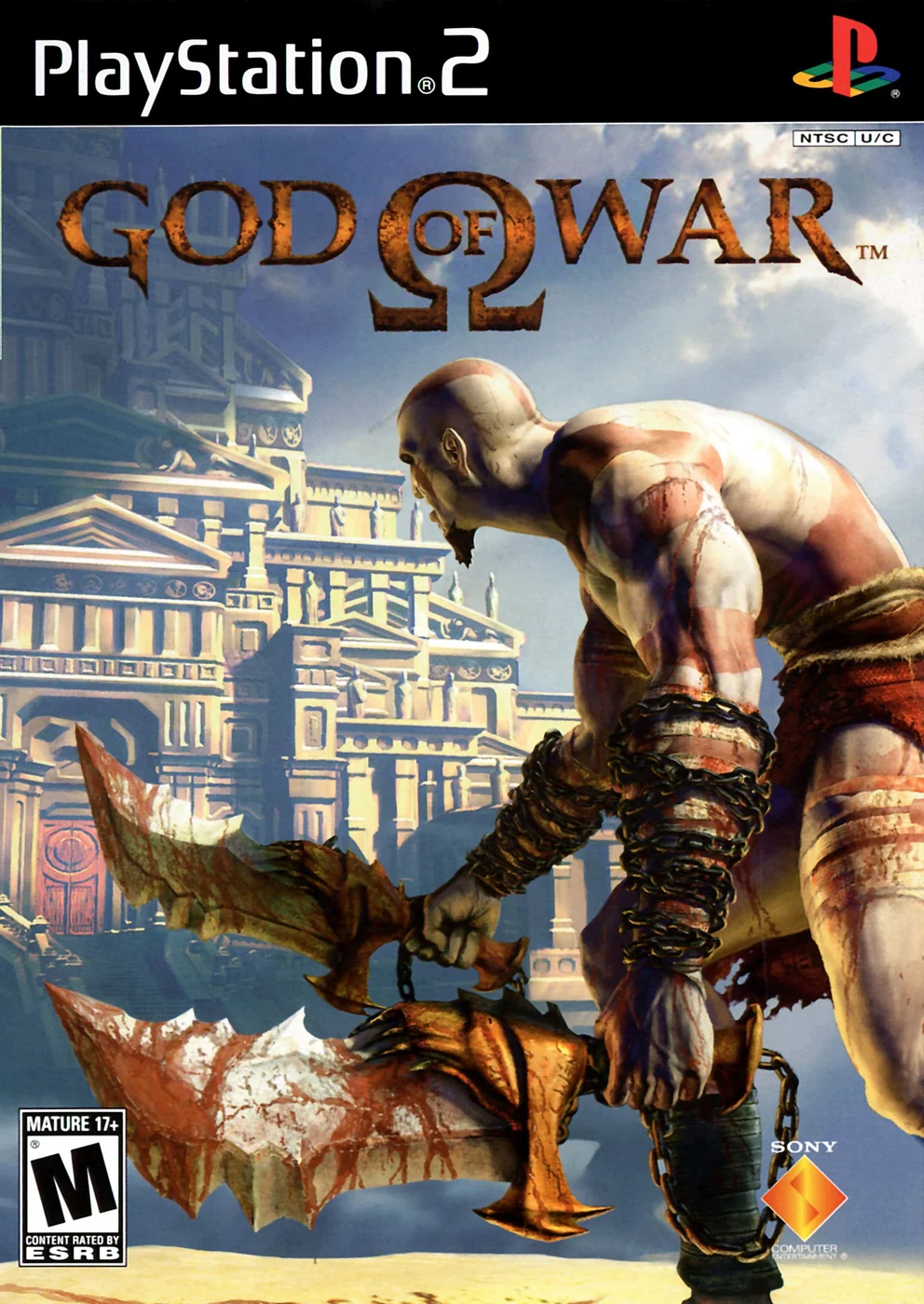
Before approaching a table, decide what you actually need. A playable loose copy of Super Mario 64 has a different inspection standard from a revision-specific The Legend of Zelda: Ocarina of Time cartridge. A complete Shadow of the Colossus package, a particular God of War edition or a boxed Nintendo DS copy of Phoenix Wright: Ace Attorney may depend on manuals, inserts, matching artwork and regional details. Your target determines what counts as a problem.
1. Define the purchase before you browse
Write down the minimum acceptable result before the convention gets crowded. You may want a game to play, a clean display copy, a complete-in-box package, a particular region or a specific release variant. These goals should not be mixed together at the table. If you only need a playable Nintendo 64 cartridge, a faded label may be acceptable; if you are building a documented collection, the same label may end the discussion.
The six examples in this guide show why the standard changes. Super Mario 64 is commonly encountered as a loose Game Pak, while Ocarina of Time may attract questions about cartridge revision and region. Shadow of the Colossus and God of War are disc-and-case purchases where the disc, hub, case, artwork and manual can have different conditions. Phoenix Wright: Ace Attorney and Final Fantasy III are small DS cards often sold with packaging that may be incomplete or reconstructed.
Do not let a vendor’s rarity language replace your own criteria. “First print,” “rare variant,” “complete” and “untested” should each lead to a specific question. Decide whether you will accept replacement artwork, a missing manual, a cracked case, a reproduction cartridge or an import before money changes hands.
- Choose one goal: play copy, complete package, specific edition or collector-grade example.
- Write down the platform, region and edition features you require.
- Set a maximum total cost, including admission, travel, payment fees, replacement parts and possible return shipping.
- Treat rarity claims as claims to verify, not as proof of value.
2. Pack a small inspection kit and reference plan
A phone camera, flashlight and notes app are more useful than a large collection of tools. Save reference images or catalog pages for the releases you are specifically seeking, because convention halls can have weak service. Keep the references for comparison rather than treating any one image as an authentication certificate. Packaging varies by territory, revision and replacement history, and a photograph cannot reveal every internal detail.
Bring a spending limit that includes the cost of being wrong. If a questionable game requires a replacement case, professional inspection or a second copy after it fails, the table price was not the whole transaction. A written target list also helps you resist pressure when another buyer is waiting or a vendor says an item will disappear immediately.
Use the edge of the table or ask whether you may step aside to examine the item. Good inspection does not require taking over a vendor’s display. Use light at an angle, handle discs by their edges and avoid touching cartridge connectors or DS pins. Do not bring solvents, abrasive materials or tools for opening cases and shells. Convention inspection should be reversible and non-invasive.
- Phone with enough storage and battery for condition photographs.
- Small flashlight or phone light.
- Offline reference images for the exact platform and region.
- Notes app containing questions, maximum cost and required contents.
- Separate record of seller name, booth number and payment method.
3. Inspect the physical item before negotiating
Start by matching the item to its claimed title and platform. Examine the front and back, then compare the cartridge, disc or card with the case and artwork. Look for a title mismatch, foreign rating block, different publisher markings, incompatible serial information or a manual from another release. For PS2 games, the disc serial code, rating panel, edition banner, case artwork and manual should tell a consistent story. A black-label copy and a Greatest Hits copy are not interchangeable merely because both contain the same game.
For Nintendo 64 cartridges, inspect the shell, label edges, region markings, back label and visible seams without opening the cartridge. Discoloration, lifting labels, heavy residue and corrosion are condition concerns, but none alone proves a fake or a genuine original. For DS cards, look for damaged or bent connector contacts and contamination. Nintendo advises inserting Game Cards without force; a card that needs pressure is a stop signal, not a challenge.
Scratches on a PS2 disc should be recorded separately from a cracked case, loose hub, replacement artwork or missing manual. A shallow surface mark may be less serious than a crack reaching the disc’s center, but visual inspection cannot guarantee future reading. Water damage, corrosion and warped materials deserve special caution. Photograph the relevant defect rather than describing everything as simply “used.”
- Compare title, platform, region and edition across every included component.
- Inspect labels, shell seams, disc hub, disc surface, case hinges and manual edges.
- Record cracks, corrosion, water damage, replacement artwork and missing contents separately.
- Never force an N64 cartridge or DS card into a test system.
- Do not open the item or use solvents, breath or improvised cleaning at the table.
4. Confirm compatibility instead of trusting appearance
A physical fit does not always establish compatibility. Nintendo describes international compatibility for older systems as limited by region encoding, so an N64 cartridge that resembles a domestic release may not be suitable for your console and video setup. Confirm the region of both the game and the console you intend to use. If you want a particular version of Super Mario 64 or Ocarina of Time, record the region and revision requirements separately from the basic question of whether the cartridge boots.
Nintendo DS software needs more careful classification. Older Nintendo DS and DS Lite software is generally region-free, while Nintendo DSi-exclusive cards are region-locked. Identify whether you will use an original DS, DS Lite, DSi or DSi XL before buying an import. Do not generalize “DS games are region-free” to every DS-family product, and do not assume that a DSi-exclusive card will work on an earlier handheld.
PS2 software also has regional and edition considerations. Confirm that a North American, PAL or Japanese disc matches your console and display arrangement. A vendor’s test setup may use a different regional console. Ask what hardware was used for testing and whether the disc’s region matches your own equipment. A game that displays a title screen on the seller’s system may still be the wrong purchase for your setup.
- N64: verify cartridge region against the console and video standard.
- DS: identify the card type and the exact DS-family handheld you will use.
- PS2: match disc region to the console and confirm the test hardware’s region.
- Ask whether a test was performed on compatible equipment or only on a vendor’s setup.
- Stop if the seller cannot identify the region or edition.
5. Handle authenticity and revision claims carefully
Authentication is a pattern-matching exercise, not a single-feature judgment. An official-looking logo, convincing label, matching screw, correct boot screen, seal or photograph can be copied, replaced or separated from the original item. A board inspection may provide useful evidence, but opening a cartridge at a convention is invasive and still may require specialist interpretation. If authenticity affects a substantial purchase, document the claim and seek qualified verification rather than declaring certainty from the table.
Ocarina of Time is a good example of why revision questions need preparation. Documented cartridge revisions can be associated with markings and version information, but the distinction should be checked against multiple reliable references. Ask the vendor to identify the feature they are relying on and have the exact claimed version written on the receipt if it materially affects the transaction. Do not pay a premium simply because a seller points to one stamp or label color.
For DS games, a card that looks different from your reference may be an import, a reproduction or a damaged original; a boot screen alone cannot resolve that uncertainty. For PS2 packages, an original disc in a replacement case may be functional but not complete or collectible in the way advertised. Use categories that describe evidence: authentic appearance, uncertain, reproduction-looking, incomplete or specialist verification needed.
- Compare several physical features rather than trusting one mark.
- Separate authenticity, completeness, condition and compatibility as different questions.
- Ask what evidence supports a revision or rarity claim.
- Treat unresolved authenticity as uncertainty, not as a discount automatically worth accepting.
- Avoid invasive inspection and obtain specialist help when the stakes justify it.
6. Ask the vendor seven direct questions
Crowded tables reward concise questions. Ask whether this exact copy has been tested, what “tested” means, whether the displayed item is the item being sold, whether anything has been replaced, which region and edition it is, what is included and what the return or exchange deadline is. A seller may answer quickly, so repeat the important detail when it affects the price or your decision.
“Tested” needs a definition. Did the game boot to a title screen, load a save, play for several minutes or run on a matching console? A short test can miss intermittent disc-read problems, unreliable cartridge contacts, save-battery issues, damaged DS pins and an incorrect case or disc. Ask for the test setup without demanding an unsafe or lengthy demonstration.
Ask whether the vendor is operating as a business, what identifying name should appear on the receipt and how a return is handled after the convention. A spoken promise such as “bring it back sometime” is difficult to use later. If the item is described as authentic, complete, tested or a specific edition, request that description in writing when it matters.
- Has this exact item been tested?
- What did the test include, and on what hardware?
- Is anything inside the package replaced or missing?
- What region, edition and revision is this?
- Is the displayed item the exact item I will receive?
- What is included: case, manual, inserts, map or other contents?
- What is the return, exchange or warranty deadline and process?
7. Build a useful receipt and payment record
Before paying, make sure the transaction can later be identified. Ideally, the receipt includes the vendor or business name, date, amount, payment method, game title, platform and any material condition or return promise. A generic cash slip showing only a total may not prove which item changed hands. If the vendor uses an electronic receipt, check that the description is specific before leaving the table.
Cash can be practical for a small purchase, but it provides less automatic documentation than a card or an eligible goods-and-services transaction. Payment protection depends on the provider, transaction type, eligibility rules and evidence; never assume that paying through an app creates coverage. PayPal’s current terms distinguish eligible in-person goods-and-services QR transactions from personal payments such as Friends and Family. Confirm the payment type before relying on it, and do not move a protected transaction off-platform at a vendor’s request.
Photograph the front, back, cartridge or disc and receipt immediately after purchase. Include the booth or vendor identifier when practical, but do not expose unnecessary card details or other personal information. Keep the receipt, payment confirmation, photographs and written terms together. The FTC recommends retaining receipts, payment records, invoices, contracts and related documentation when resolving a purchase problem.
- Request a receipt naming the exact game and platform.
- Record the vendor’s business name, booth number and contact method.
- Confirm the payment type and its current protection rules before paying.
- Photograph the item and receipt immediately.
- Never evade platform rules or accept a request for off-platform payment.
8. Understand the limits of later returns and disputes
A convention seller’s return policy, the event’s rules, a card issuer’s billing process and a payment service’s protection program are separate systems. A seller may offer an exchange only during the event, accept returns by mail or sell an item as-is. Read and record the actual terms. Buyer’s remorse is not the same as receiving an item that was materially misdescribed, and no payment method guarantees a refund.
If a game is materially different from the description, contact the seller promptly and explain the mismatch with photographs and the receipt. Ask for the stated remedy first while preserving your records. For U.S. credit-card billing errors, FTC and CFPB guidance describes written notice that generally must reach the card issuer within 60 days after the statement containing the error was sent. Follow the issuer’s current instructions rather than relying on a general deadline, and do not treat this as legal advice.
Payment providers may require evidence, seller contact, a return and tracking information. PayPal terms can exclude personal payments and impose claim or return conditions. Preserve the item in the condition received until the remedy is clear. Avoid cleaning, opening or repairing it before documenting the problem, because those actions can complicate a condition dispute.
- Read the vendor’s terms before paying, not after a problem appears.
- Contact the seller promptly when the item is misdescribed.
- Keep photographs, receipt, payment confirmation and messages.
- Follow the current card issuer or payment provider procedure and deadline.
- Do not assume a dispute process guarantees a refund.
9. Use stop conditions when evidence is missing
Walking away is a successful buying decision when the evidence gap is too large. Leave the item behind if the vendor will not let you inspect the exact copy, refuses to identify the edition, will not provide a receipt, objects to a reasonable photograph or relies on urgency instead of answers. A crowded table is inconvenient, but it is not a reason to accept a cartridge with visible corrosion or a disc with severe damage.
Reject unsupported premium claims. If a seller cannot explain why Ocarina of Time is a particular revision, why a PS2 copy is a specific edition or why DS packaging is complete, do not pay as though the claim were proven. Similarly, a test screen should not outweigh a cracked hub, damaged pins, missing manual or region mismatch.
Stop when the total cost no longer fits your plan. Include convention admission, travel, parking, payment fees, case or manual replacement, specialist verification, likely return shipping and the possibility of buying another copy. A supposedly convenient purchase can become expensive once these categories are included.
- No safe inspection of the exact item.
- No identifiable vendor or receipt.
- Edition, region or revision cannot be established.
- Seller refuses to state what “tested” means.
- Visible corrosion, severe disc damage, cracked hub or bent DS pins.
- Price depends on an unsupported authenticity or rarity claim.
- The total cost exceeds your preset limit.
10. Finish the purchase with a leave-the-table routine
Before putting the game in your bag, compare the item against your notes one more time. Confirm that the disc is in the correct case, the cartridge is the one you inspected, the DS card matches the packaging and all promised contents are present. Photograph front, back, spine, disc or cartridge and receipt in one short sequence. Keep the item separate from food, drinks and sharp objects during the rest of the convention.
When you return home, store the photographs and payment evidence together and inspect the purchase again under better lighting. If you have compatible hardware, a cautious user-level test can provide additional information, but it does not turn a brief boot into an authenticity certificate. Do not force a cartridge or card, and do not use solvents or improvised cleaning. If an internal condition or authenticity question matters, seek qualified help after documenting the item.
A good convention purchase is not defined by getting the lowest table price. It is defined by knowing exactly what was offered, what evidence supported it, what remedy was promised and what uncertainty you consciously accepted. If those facts cannot be established before the receipt disappears, keep your money and continue looking.
- Recheck the exact item, region, edition and included contents before leaving.
- Photograph the item and receipt immediately.
- Keep payment and vendor records together.
- Document problems before cleaning, opening or repairing anything.
- Contact the vendor promptly if the delivered item does not match the recorded description.
Convention buying works best when inspection comes before excitement. Decide your target, compare the physical item with the claimed edition, verify compatibility and record the vendor’s terms while you still have access to the table. Treat a test boot as limited evidence, not a complete guarantee.
The strongest protection is a clear decision made before payment: accept the documented condition, negotiate only from observable facts or walk away. A receipt naming the item, photographs taken immediately and preserved payment records cannot eliminate every risk, but they give you far more control if the game later proves misdescribed.