Football-card collecting has no shortage of loud releases: chrome finishes, numbered color, autograph hunts, jumbo patches, and enough acronym-heavy inserts to make a checklist look like it needs its own playbook. The 2026 Topps NFL Living Set takes a different route. Its core pitch is steadiness. A new player arrives each Wednesday during the NFL season and playoffs, continuing an ongoing run rather than arriving as a conventional sealed product with a fixed checklist.
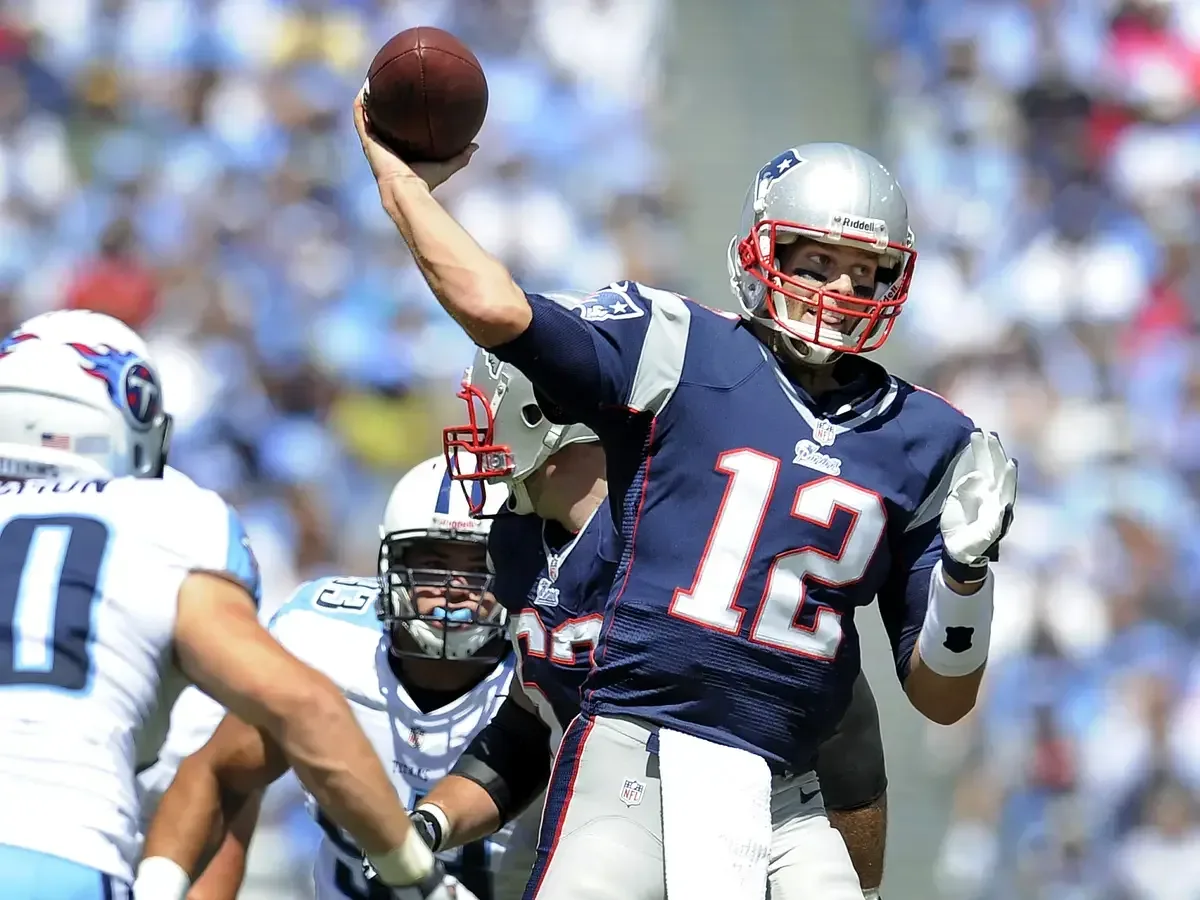
Tom Brady leads off the program as card No. 1, putting one of modern football’s most prominent collecting names at the entrance to a set designed for long-term completion. That choice gives the debut immediate weight. Brady’s place in the hobby, his lengthy career, and the anticipation around his eventual Pro Football Hall of Fame eligibility make him a logical figure for a project that aims to connect football history with a current-season release schedule.
The result is not merely a Brady card with a new logo attached. It is the opening move in a format collectors will be able to revisit every week while games are being played. For anyone who enjoys the collecting rhythm of watching a checklist grow one deliberate step at a time, the Living Set concept may be as important as the player on its first card.
A weekly football checklist instead of a one-time drop
The NFL Living Set is planned as a weekly release on the Topps website. Each Wednesday brings one newly featured player. The player pool is not limited to current NFL rosters: past and present players can both be selected. That makes the set less like a season-only snapshot and more like an expanding football archive, where a present-day star may be followed by a retired icon, and then by another player from a completely different era.
There is one important scheduling boundary. New cards are issued while the NFL regular season and playoffs are underway. The series pauses during the offseason, then resumes from its existing checklist position when the next season starts. In other words, the numbering and collecting project are intended to carry on rather than reset with a new calendar year.
That structure matters for completion-minded collectors. A box-based product usually reveals its checklist all at once, even if finding every card is another challenge entirely. A Living Set asks for a different commitment: follow the weekly cadence, decide whether a player belongs in a personal collection, and understand that skipping a release can turn into a future gap. It is the card hobby’s version of a live-service schedule, only with fewer balance patches and more protective sleeves.
Topps has previously used the Living Set format in baseball and basketball. Bringing it to licensed NFL cards gives football collectors a comparable ongoing avenue. Rather than defining the set around a single rookie class, a specific team, or a short retrospective theme, the format can accommodate a broad range of players as the checklist develops.
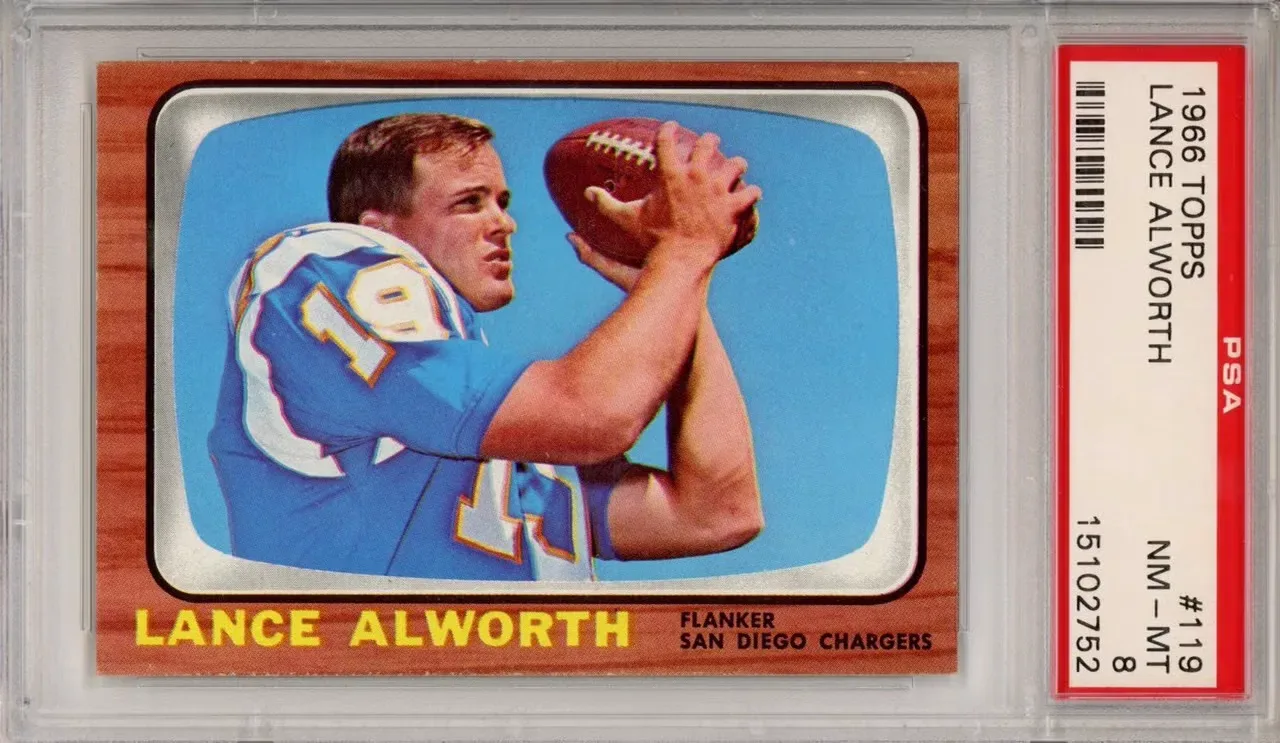
The design looks back to 1956 Topps Football
The NFL Living Set adopts visual cues from 1956 Topps Football. Cards use a portrait-oriented layout and vintage-style stock, lending the release an old-school paper-card character instead of presenting it as a purely modern premium issue. The player’s information sits in a central rectangular panel, while the team logo is positioned in the upper-right area.
For collectors, that consistency is more than decorative. A Living Set needs a recognizable framework because each card is part of an accumulating display. The 1956-inspired approach provides that framework: one visual language that can place stars from different decades next to one another without making the binder page feel like a collision between unrelated products.
It also creates an appealing contrast with the parallel chase. The base card is rooted in a vintage design tradition, but some versions add modern variation concepts. That blend may suit collectors who want a card that feels at home beside heritage releases while still offering scarcity-driven possibilities.
Brady is a particularly interesting first subject for that collision of eras. He belongs to the modern NFL’s most successful and heavily collected group of quarterbacks, yet the design points toward football-card history. The card is not a reprint or a vintage original; it is a present-day release borrowing the visual grammar of a classic Topps football issue.
What is in the Tom Brady debut release
The first card includes a standard base version, and the debut’s ordering format also includes randomly inserted parallel possibilities. One variation changes the background from the crowd scene used on the regular card to a solid background. Collectors can also chase Chrome Refractor and Superfractor versions.
Those names are significant to modern card collectors, but they should not obscure the central detail: this is a print-to-order release. The number of base cards produced depends on orders placed during the sales window. A larger volume of orders can mean a larger overall run, while parallel odds become more difficult as more copies are ordered. That relationship is worth understanding before treating the card as automatically scarce or automatically common. Its ultimate base-card quantity is linked to demand during its on-sale period.
The Tom Brady card’s ordering window was listed to run until Wednesday, September 16, at 2 p.m. EST, after which the next player card would take its place. No print-run total is established here, so collectors should distinguish between enthusiasm for a Brady-led debut and a confirmed production figure. Brady is an obvious candidate to draw strong attention, but the final count is determined by actual orders rather than the reputation attached to his name.
The parallel setup gives different types of collectors a reason to care. A set builder may simply want one base copy for the opening slot in a long checklist. A Brady-focused collector may seek the background variation. A rarity chaser may focus on the Chrome Refractor or Superfractor. None of those approaches requires the same goal, budget, or tolerance for uncertainty, which is part of why print-to-order products can support several collecting styles at once.
Why the first card carries extra importance
Card No. 1 nearly always has symbolic appeal. It marks the moment a checklist begins, and it is the card that will be placed at the front of every completed run. In an ongoing set, that role can remain meaningful even after the checklist grows far beyond its debut. Starting with Brady gives the NFL Living Set a recognizable anchor before later selections introduce uncertainty and variety.
That does not guarantee a particular market outcome, and collectors should resist treating a first-card designation as a promise of future value. Demand, print run, condition, parallel availability, and the set’s staying power all influence how a card is regarded over time. Still, the combination of Brady, a first-card designation, and a continuing Topps football program provides a clear narrative that collectors can understand immediately.
Sports-card history is full of products whose designs later become inseparable from their era. The same cannot be predicted for a new Living Set, but design identity matters. The 1956-inspired template gives this one a coherent visual premise from day one. That is the kind of detail that can make a weekly series feel collectible as a whole instead of like a sequence of disconnected singles.
Collectors who enjoy watching how visual nostalgia shapes modern demand may also find parallels in other sports. For instance, the appeal of a distinct design language and a long-running chase is part of the conversation around 1997 Metal Universe Basketball base cards and PMG nostalgia, even though the products and collecting models are very different.
How to approach the set without overcomplicating it
The Living Set can be approached in a few straightforward ways:
- Build the base run: Buy the players you want each week and organize them in checklist order.
- Collect a team or era: Because retired and active players may both appear, a team-focused collection can eventually span multiple generations.
- Focus on a player: Brady collectors can pursue the base card, solid-background version, Chrome Refractor, or Superfractor according to their preferences.
- Follow the release calendar: Since cards are only offered during the season and playoffs, weekly awareness is part of the format.
The key detail is that a Living Set rewards attention more than speed. There is no suggestion that every collector must pursue every card or every parallel. The more sustainable approach is to decide what the collection is meant to be: a complete run, a favorite-team page, a quarterback display, or a small selection of individual cards with personal significance.
Topps has opened the NFL Living Set with a player whose collecting profile needs little introduction. From there, the series will be defined by its weekly choices, its seasonal pauses, and whether collectors embrace the long-form project. Brady’s card supplies the kickoff; the broader appeal will depend on who joins him as the checklist moves forward.