The 2012 and 2013 Topps Football releases occupy an interesting shelf in the modern football-card timeline. They arrived before grading-population talk, ultra-short-print chases, and premium autograph hunting came to dominate as many collector conversations as they do now. Rookie cards still mattered, of course, but the simple flagship card was much more central to the experience: open packs, find the new player, put the card in a binder or a top loader, and see where the career went.
More than a decade later, four names give those two Topps issues considerable staying power. Russell Wilson and Luke Kuechly headline 2012, while 2013 delivers Travis Kelce and DeAndre Hopkins. None is presented as a guaranteed investment, and card prices can shift with condition, grading demand, listing timing, player news, and broader hobby trends. But they are useful examples of why comparatively accessible base rookie cards remain compelling. A collector can connect a card to a complete NFL story rather than merely chase a microscopic serial number.
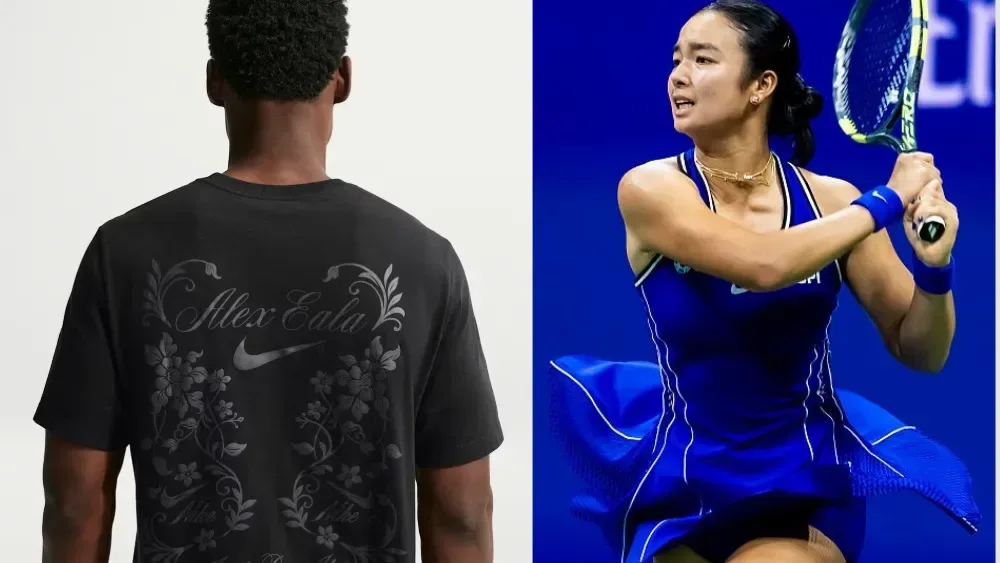
For collectors who primarily follow games and pop culture, the appeal is familiar: this is the cardboard version of returning to a favorite era. The value is partly in the player, partly in the set, and partly in the memory of the football watched when these rookies were still unknown quantities. That same connection between sport, fandom, and physical collecting also shows up beyond cards, from jerseys to items such as the NikeCourt Alex Eala T-Shirt.
Why 2012 and 2013 Topps Still Have a Place
Flagship cards from this period are not necessarily the hobby’s flashiest objects. Their relative lack of spectacle is part of their charm. The card design and the player image have to do most of the work. For someone building a player collection, that creates a clean entry point: identify the standard rookie, decide whether raw or graded condition fits the goal, and avoid turning every purchase into a hunt for a complicated parallel hierarchy.
These sets also illustrate a basic collecting truth. A rookie class is initially judged by pre-draft expectations and immediate opportunity, while its longer-term card relevance is decided by careers. Quarterback success can pull enormous attention, but elite defenders, wide receivers, and tight ends can develop devoted followings as their accomplishments pile up. The four cards below reflect four different versions of that trajectory.
2012 Topps Russell Wilson Rookie Card
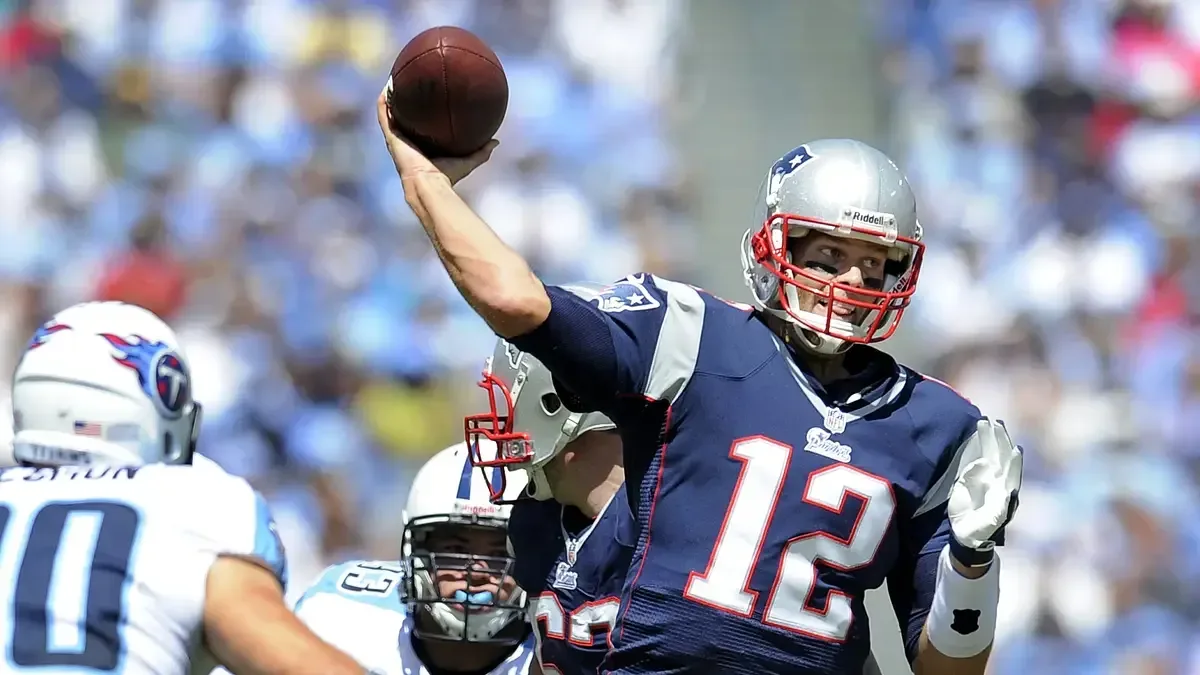
Russell Wilson emerged from a 2012 rookie quarterback group that gave collectors plenty to consider at release. His career ultimately outlasted most of the class’s early quarterback excitement. Wilson won a Super Bowl with the Seattle Seahawks and made another Super Bowl appearance, achievements that firmly placed his rookie cards in the conversation for collectors of the era.
The later portion of his career did not add the same momentum. His stops in Denver, New York, and Pittsburgh did not produce a comparable boost in hobby interest. That has made the standard 2012 Topps rookie more approachable than one might expect for a quarterback with a championship résumé.
Recent sales cited for a PSA 10 copy sit around $30. That figure should be treated as a snapshot rather than a fixed price guide; individual sales can differ materially. Still, it illustrates the appeal of the card. Collectors can pursue a graded flagship rookie of a Super Bowl-winning quarterback without entering the high-end segment of the market. Wilson’s possible future Hall of Fame case remains another reason interest has not disappeared even as prices have cooled.
Related coverage includes Four 2012-13 Topps Football Rookie Cards That Still Matter.
What makes it notable
- A flagship rookie card from a quarterback-heavy 2012 class.
- A direct link to Wilson’s Super Bowl-winning Seahawks years.
- An accessible reported PSA 10 level relative to many prominent quarterback rookies.
2012 Topps Luke Kuechly Rookie Card
Luke Kuechly offers a welcome counterpoint to the usual quarterback-led football-card narrative. He spent his entire NFL career with the Carolina Panthers, creating a focused team-collector story rather than a multi-uniform journey. As a defensive star, his legacy is rooted in dominance at a position that often receives less hobby attention than quarterback, receiver, or running back.
Kuechly’s induction into the Pro Football Hall of Fame added another milestone to that legacy and increased attention around his cards. The market comparison is particularly interesting: reported sales for his 2012 Topps rookie in PSA 10 condition are around $59, above the referenced level for Wilson’s card despite Wilson having one more Super Bowl and playing quarterback.
There is no single rule that says a quarterback card must command more than a defender’s. Player collectors, Panthers fans, Hall of Fame recognition, available supply in a particular grade, and the tastes of the moment all influence results. Kuechly’s card demonstrates that a foundational player collection need not follow the most obvious offensive-star script.
What makes it notable
- A key rookie for Panthers collectors and defensive-player collectors.
- One-player, one-team career continuity.
- Hall of Fame recognition and a reported PSA 10 price near $59.
2013 Topps Travis Kelce Rookie Card
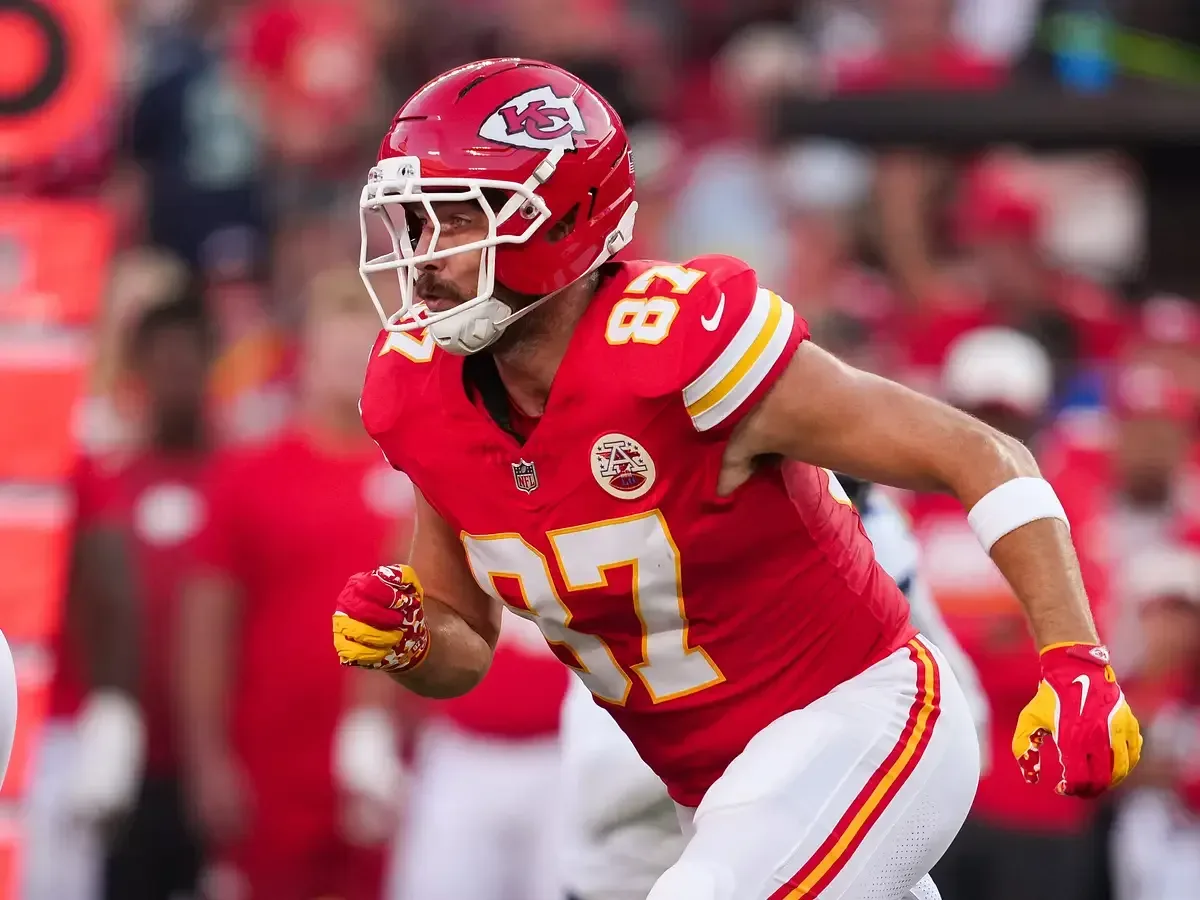
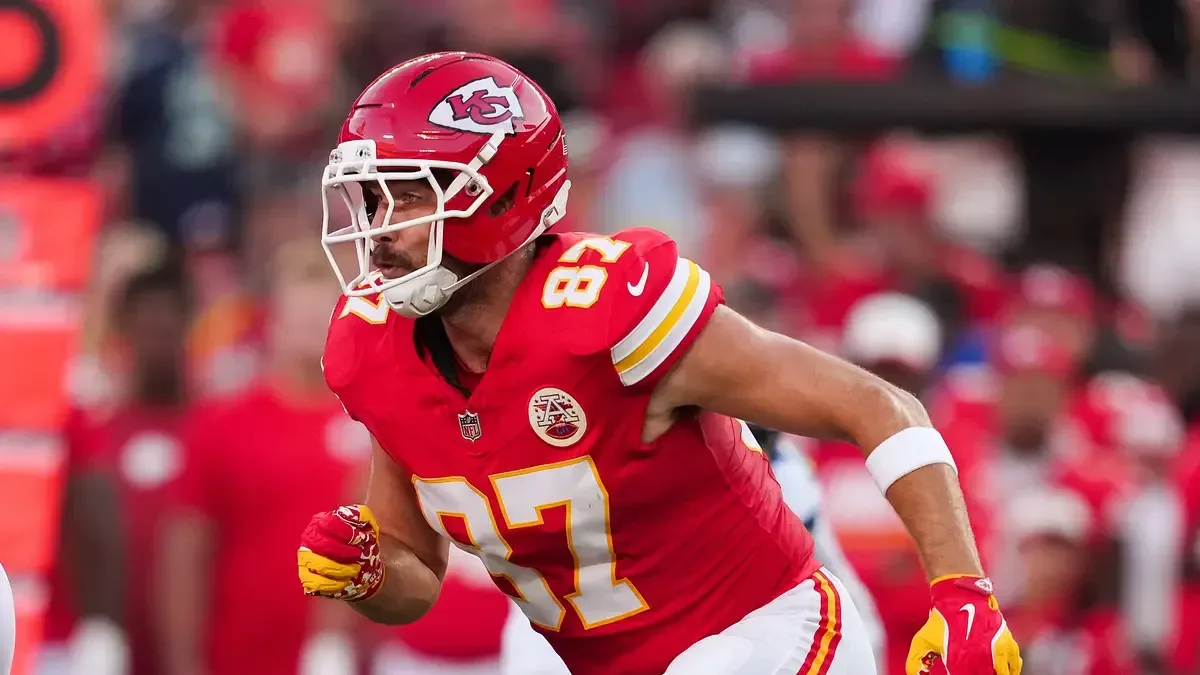
If one player is most closely associated with 2013 Topps Football for many hobbyists, it is Travis Kelce. His career has made the tight end position a central part of the set’s identity. On the field, Kelce entered the season with 13,000 receiving yards and 82 touchdowns, exceptional figures for a tight end. Away from the field, his broader public profile has also helped keep attention on his cards elevated.
That combination is reflected in the reported market level for the flagship rookie. A PSA 10 copy of the 2013 Topps Travis Kelce rookie has been cited at roughly $123. Again, it is an approximate recent-sales marker, not a promise that every graded example will sell at that amount. It does, however, distinguish Kelce from the other cards in this four-card group.
For a set collector, Kelce is the card that can change the whole calculus of building 2013 Topps. For a player collector, it is a straightforward early-career piece from a player whose professional accomplishments and mainstream visibility both continue to draw notice. For a collector who simply likes position-specific greatness, it is a reminder that the most important rookie in a release is not always a quarterback.
What makes it notable
- A defining 2013 Topps Football rookie card.
- Career production of 13,000 receiving yards and 82 touchdowns entering the season.
- The highest cited PSA 10 price of the four, at about $123.
2013 Topps DeAndre Hopkins Rookie Card
DeAndre Hopkins completes the 2013 pairing as a receiver whose early prospect status was followed by the production collectors hoped to see. Over his career, Hopkins has built a highlight reel of difficult catches and delivered multiple major statistical seasons. His résumé includes five Pro Bowl selections, 82 touchdowns, and three first-team All-Pro selections.
Yet the base rookie remains relatively attainable in the cited market snapshot. A PSA 10 2013 Topps DeAndre Hopkins rookie has been reported at around $27. That makes it the least expensive of these four examples at the stated grade, while still representing an accomplished player with substantial career recognition.
That gap between résumé and price is precisely why cards like this can be rewarding to examine. Cost alone does not determine whether a card has importance in a collection. A $27 graded rookie can anchor a Texans-focused group, a wide receiver collection, an All-Pro collection, or a personal set tied to a particular period of NFL watching. It can also be a sensible choice for someone who prefers the player’s standard rookie card over pricier variations.
What makes it notable
- A rookie of a five-time Pro Bowl receiver.
- Three first-team All-Pro selections and 82 career touchdowns noted entering the season.
- A reported PSA 10 level near $27, keeping the card within reach for many collectors.
A Small Checklist Before Buying a Copy
The reported PSA 10 figures make for a useful comparison, but condition and collecting purpose should come first. A collector interested in a display card may be perfectly happy with a raw copy, while a registry-oriented buyer may only want a specific grade. Looking closely at the exact card and the exact sale matters more than relying on a single number.
- Choose the goal first. Decide whether the card is for a player collection, a complete set, a team collection, or a graded-card display.
- Compare recent completed sales. Asking prices are not the same thing as completed transactions, and the figures above are approximate snapshots.
- Check the grade and eye appeal. Even within the same grade, centering, corners, surface presentation, and image quality can affect desirability.
- Keep the flagship context in mind. These are standard Topps rookie cards, valued in part because they are recognizable entry-level representations of the players.
Russell Wilson, Luke Kuechly, Travis Kelce, and DeAndre Hopkins give 2012 and 2013 Topps Football four distinct collecting lanes: championship quarterback, Hall of Fame defender, elite tight end, and decorated receiver. Their reported PSA 10 prices—about $30, $59, $123, and $27, respectively—also show that iconic does not have to mean unreachable. For collectors revisiting the era or encountering it for the first time, these cards remain clear, characterful reminders of what a flagship rookie card can represent.
Shop the products
Check current price, model and availability at the retailer.