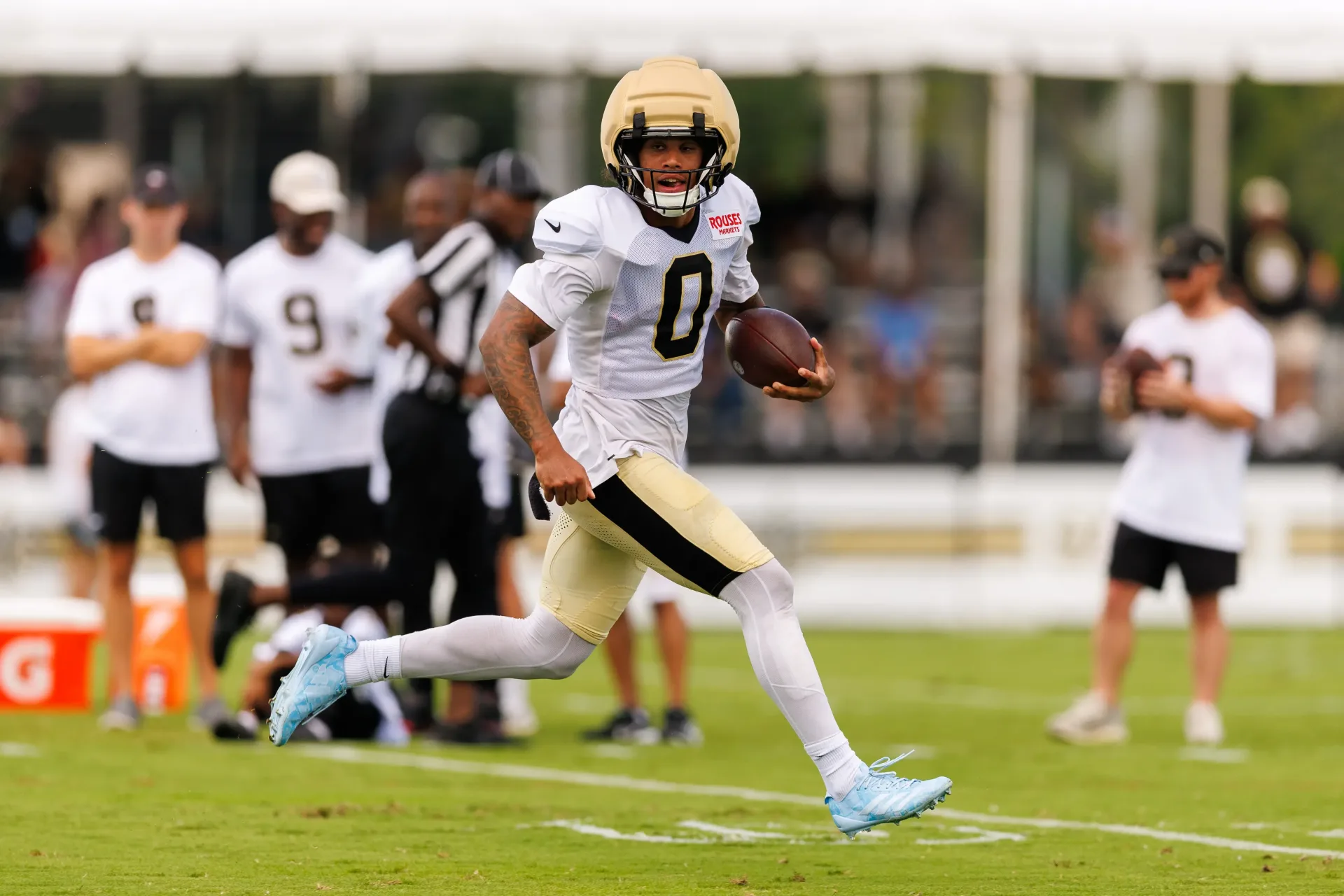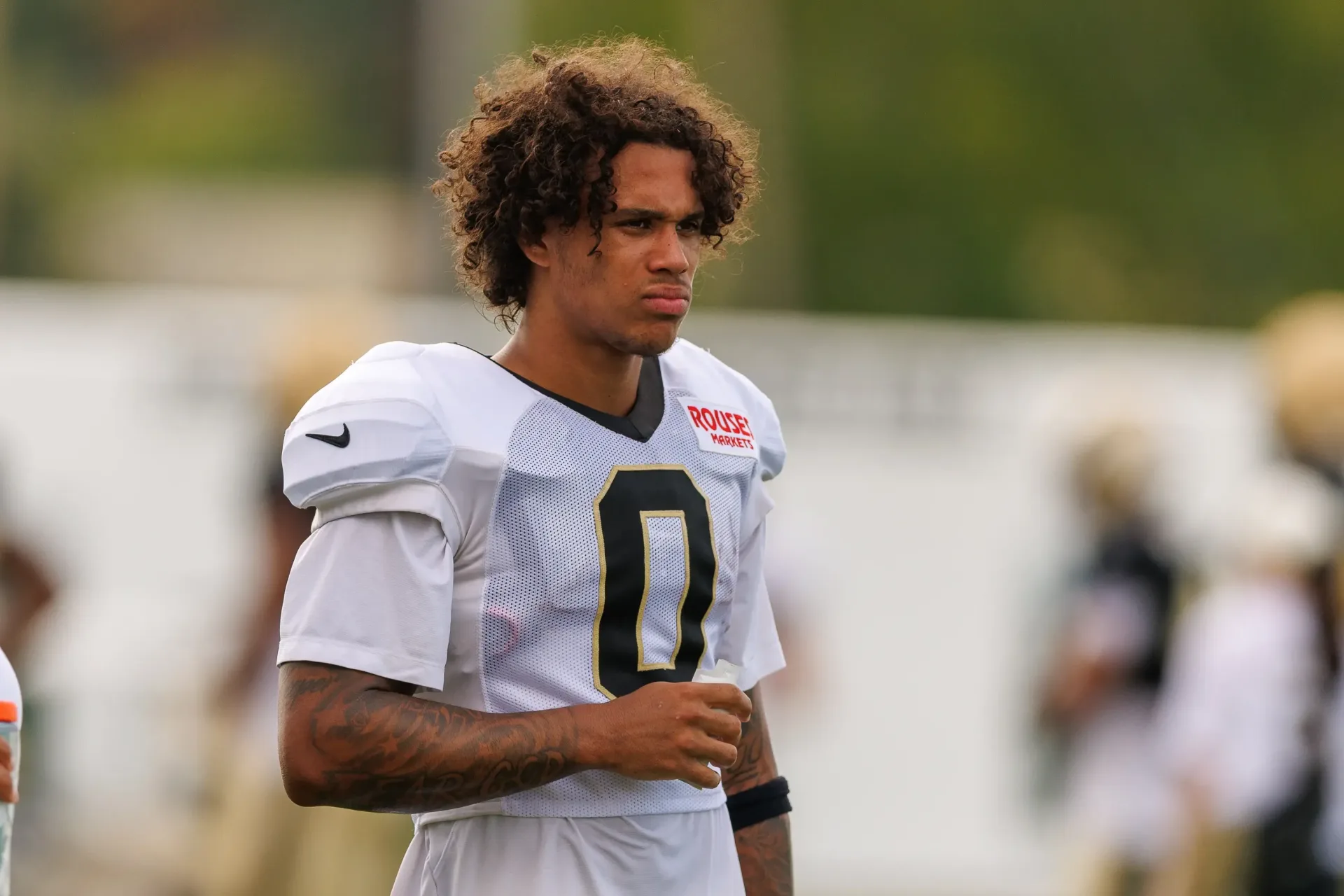
Fernando Mendoza’s expected first NFL start has immediate stakes beyond the Raiders’ quarterback room. Kirk Cousins’ trade to the Vikings has opened the door for Las Vegas to turn to the 2026 No. 1 overall pick against Seattle, placing the former Indiana quarterback at the center of a rookie-card market that has been waiting for a defining catalyst.
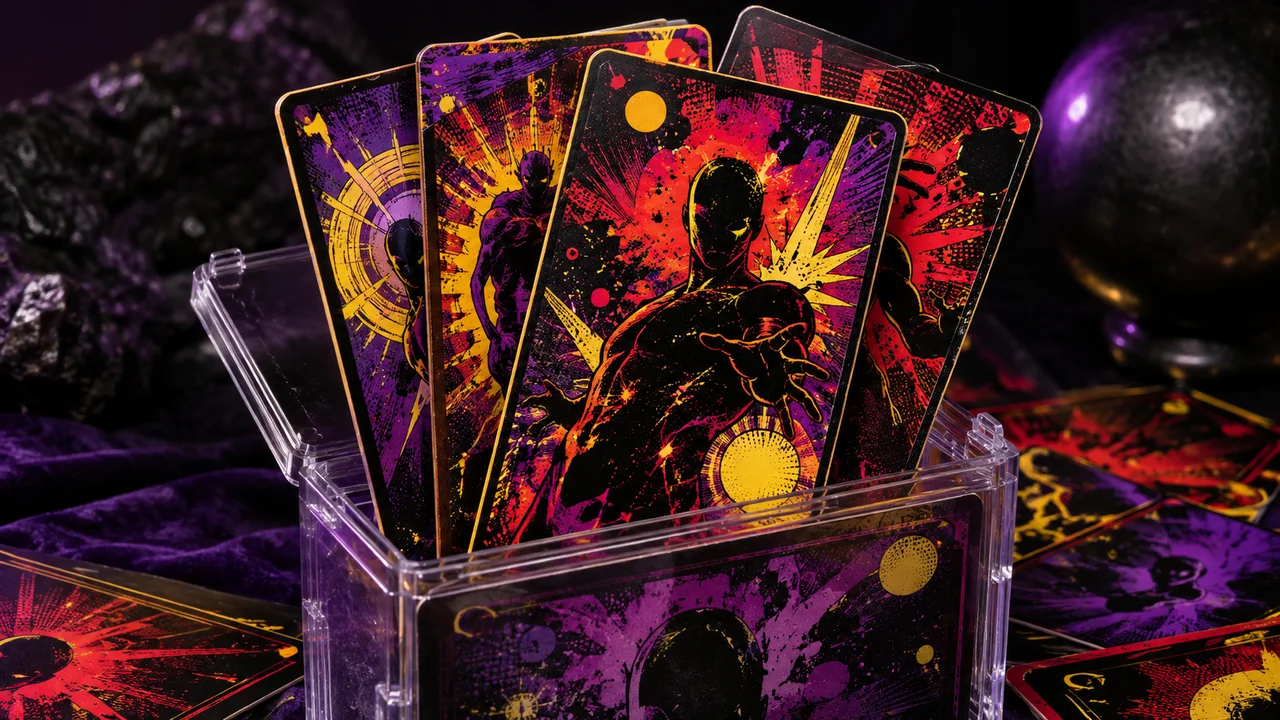
That catalyst arrives at an especially volatile moment. Mendoza is expected to take over just as 2026 Topps Chrome NFL is scheduled to launch on November 18. A first start, a No. 1 pick and the debut window for a major NFL-licensed product is the kind of overlap that can create a rush of attention—and, just as importantly, a rush of supply.
For collectors, the important distinction is simple: a player’s first start can increase demand quickly, but it does not make every card scarce forever. In fact, it can make the difference between short-term excitement and sustained value much clearer.
A late debut makes Mendoza an unusual rookie-card case
Quarterbacks selected in the first round usually enter the league with a considerable spotlight already trained on them. Mendoza’s path adds another wrinkle. Since 2020, 23 quarterbacks have been drafted in the first round, but only nine made their professional debuts after Week 1. Among that group, only Michael Penix in 2024 waited longer than Mendoza to reach the field.
For more context, explore Judge Allows Trump’s $10 Billion BBC Defamation Case Over Edited Jan. 6 Documentary to Proceed.
That does not tell collectors how Mendoza will play, but it does explain why his first start carries unusual market weight. A delayed debut concentrates anticipation. Rather than a player’s cards gradually moving alongside preseason hype, opening-week participation and early-season results, Mendoza’s transition to starter gives the market one obvious event around which to react.
The term market catalyst is useful here. It means an event that changes the level of attention or activity around an asset. A first NFL start is a catalyst because it gives buyers a new reason to seek cards and sellers a new reason to list them. It is not proof of long-term value. The more durable part of a card’s value proposition still depends on performance, collector interest, card scarcity, condition, product hierarchy and how many alternatives reach the market.
Mendoza’s timing is particularly complicated because early demand may focus on his collegiate cards before the NFL release calendar expands the menu for buyers. That can create a sharp divide between a brief surge in Indiana-era cards and the longer-term market for licensed NFL issues.
The football case: opportunity, but no easy runway
Las Vegas did not move on from Cousins because the offense had been incapable of producing through the air. Before the trade, Cousins ranked fifth in the NFL with 2,340 passing yards and had thrown 20 touchdowns, the league’s second-highest total at that point. Those numbers offer a meaningful bit of context for Mendoza’s opportunity: the system has generated production.
The roster, however, does not make the assignment effortless. Pro Bowl tight end Brock Bowers is the team’s clear headline receiving option, while Tre Tucker and Michael Mayer are among the next prominent pass-catchers. That puts added emphasis on the structure of coach Klint Kubiak’s offense and on Mendoza’s ability to operate it decisively.
Kubiak arrived in Las Vegas after helping bring explosiveness to the Seahawks offense during their eventual Super Bowl-winning season. The source material here supports optimism about the scheme’s ability to create opportunities, but it does not erase the normal adjustment period awaiting a rookie quarterback.
Mendoza’s final college season at Indiana featured a heavy RPO approach. RPO stands for run-pass option: a play concept in which the quarterback reads a defender after the snap and chooses whether to hand the ball off or throw. The appeal is that it can put a defense in a difficult numbers game. The challenge at the NFL level is that defenders process faster, windows close earlier and mistakes can be punished more severely.
His comfort moving within and beyond the pocket may matter as much as the passing volume. Mendoza is not presented as the same level of athlete as Drake Maye, but the comparison points to similarities in situational awareness and willingness to use his legs. That gives collectors a reason to watch more than box-score passing totals. Escaping pressure, extending plays and contributing on the ground can shape both a young quarterback’s perception and the weekly conversation around his cards.
The immediate schedule does not offer a soft landing. Seattle, Denver and Cleveland present a difficult early sequence, with Cleveland described as an unexpectedly tough defense. That means the first few games may produce a noisy sample rather than a clean verdict on Mendoza as a player.
For the card market, though, perception often moves faster than a fair football evaluation. A promising debut could pull attention forward. A rough outing could produce an equally quick reaction, particularly when collectors know more cards are coming.
What recent rookie-card patterns actually show
Recent quarterback examples underline the risk of treating an opening price as a permanent baseline. Drake Maye’s raw 2024 Mosaic Holo rookie card reportedly sold around $60 to $80 when the product released in mid-November. By the approach of the new year, as higher-end offerings entered the market, it had settled to $20 or less.
That trajectory is not an indictment of Maye. In 13 rookie-season games, he posted 2,276 passing yards, a 15-to-10 touchdown-to-interception ratio and 421 rushing yards, while showing noticeable improvement later in the campaign. His Patriots finished 4-13, but the quarterback was not regarded as the central cause of the team’s problems.
The lesson is about supply and product sequencing. A raw card is an ungraded card. A Holo, in this context, is a shinier parallel version rather than an entirely different player collectible. When a product first reaches collectors, attention can be concentrated on a relatively small number of available cards. Later releases, parallels and premium products give buyers more choices. That broader supply can lower the prices of earlier cards even if the player remains compelling.
Jaxson Dart provides another recent illustration of how quickly sentiment can reverse. The Giants’ 2025 first-round pick made his first start in Week 4 against the Chargers in a surprise team win, though his individual performance was not the chief driver of that result. His Mosaic Holo rookie card initially had sales near $80, then reliably reached roughly $110 in mid-October after a dramatic loss to Denver. Prices later slipped below $60 in early November during a multi-game concussion absence.
The exact cards, teams and circumstances differ from Mendoza’s, so neither Maye nor Dart offers a clean price forecast. Still, both cases reinforce two practical ideas: quarterback card prices can respond sharply to a narrow run of news, and the arrival of additional product can matter as much as the player’s latest stat line.
Why Topps Chrome matters so much
The scheduled November 18 arrival of 2026 Topps Chrome NFL gives Mendoza’s debut a concrete product-calendar consequence. NFL-licensed cards carry team branding and league identity that collegiate cards do not. For many collectors, that makes the pro-uniform release the more natural focal point once it is available.
That does not mean collegiate Mendoza cards lose all purpose. They may be the cards collectors can obtain first, and a starting announcement can create immediate demand for them. The more careful interpretation is that such a bump may be event-driven rather than a guarantee of long-term strength—especially for collectors whose attachment is to the Raiders rather than Indiana.
Licensed product refers to cards authorized to use NFL teams and branding. Product hierarchy is the informal ranking collectors apply to different releases, inserts and parallels based on factors including desirability, scarcity, design and the presence of premium features. When collectors say higher-end product is arriving, they generally mean new alternatives that may command greater attention than basic cards from an earlier release.
The available evidence also suggests Mendoza’s rookie cards could be relatively sparse at first because of his No. 1-pick status. Early scarcity can support prices, but it is only one side of the equation. The release calendar can change the supply picture quickly. Collectors should separate “hard to find this week” from “genuinely difficult to find over time.”
A practical approach for collectors watching the debut
A quarterback debut is exciting, but it is rarely a reason to abandon basic collecting discipline. Mendoza’s first start may create opportunities for fans and traders alike; it may also create emotionally charged pricing before the card market has found a stable level.
- Know which card is being discussed. Base cards, parallels, autographs, inserts and graded copies should not be treated as interchangeable. “Mendoza rookie” is too broad to establish a meaningful value comparison.
- Distinguish raw from graded. A PSA 10 is a card that received a top grade from PSA, and it can carry a substantially different market than an ungraded copy. Do not use a graded sale to estimate a raw card’s value.
- Watch supply alongside results. A strong first start can lift attention, but new NFL-licensed releases and later premium products can create more choices for buyers.
- Avoid reading one game as a career ruling. Seattle, Denver and Cleveland form a difficult initial stretch. A good or bad outcome in that window may say less than the instant card-market reaction suggests.
- Buy the version you actually want. A collector who wants an Indiana-era Mendoza card can value it differently from a collector trying to track short-term Raiders demand. Those are two different goals, and neither needs to masquerade as the other.
Michael Penix’s 2024 experience is a reminder that timing alone does not ensure a deep, neatly comparable professional-card market. His Week 16 first start, which came after Cousins was injured, theoretically allowed time for PSA-graded cards to surface. In practice, tracked activity was mostly connected to collegiate cards, apart from a limited number of PSA 10 Donruss Downtown sales before the new year.
That makes Mendoza’s case notable rather than predictable. He has a clearer convergence of starting opportunity and a looming NFL-licensed release. But the market still has to decide which cards matter most, how much supply is available, and whether his play gives collectors reasons to stay engaged after the debut glow fades.
The central tension is straightforward. Mendoza could produce in an offense that had already posted substantial numbers under Cousins, and his emergence could inject energy into the 2026 rookie market. Yet that same attention can create a fragile pricing environment when fresh inventory is about to arrive. A single disappointing performance, injury-related absence or broader market shift can change the tone rapidly.
For now, the Raiders have handed their most valuable on-field investment a chance to define the next chapter. The hobby has been handed a reminder that a starting quarterback is not one collectible, one price or one moment. It is a moving market, and Mendoza’s first snap is only the opening play.
For additional coverage of the developing rookie-card angle, see this overview of Mendoza’s Raiders debut and the 2026 NFL card market.