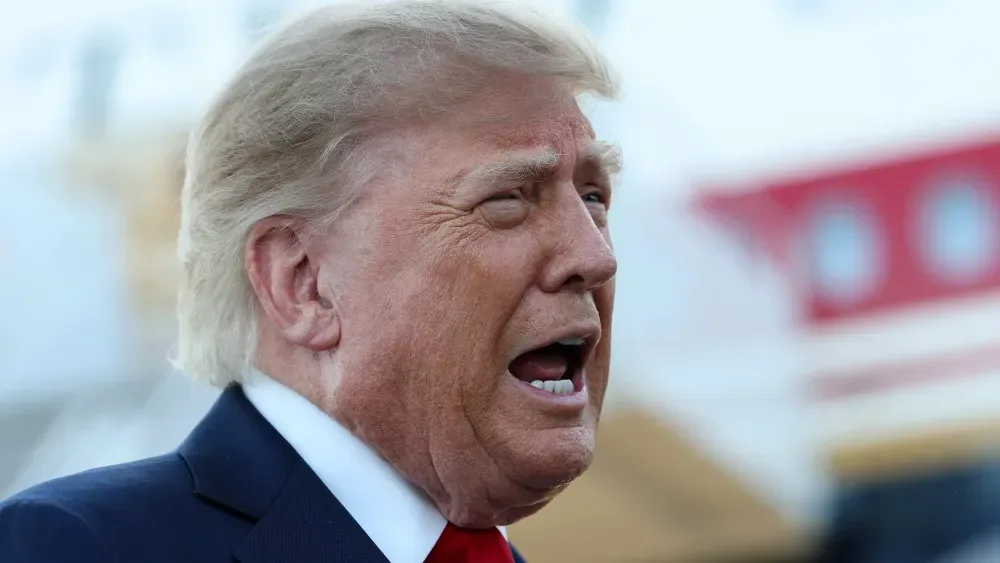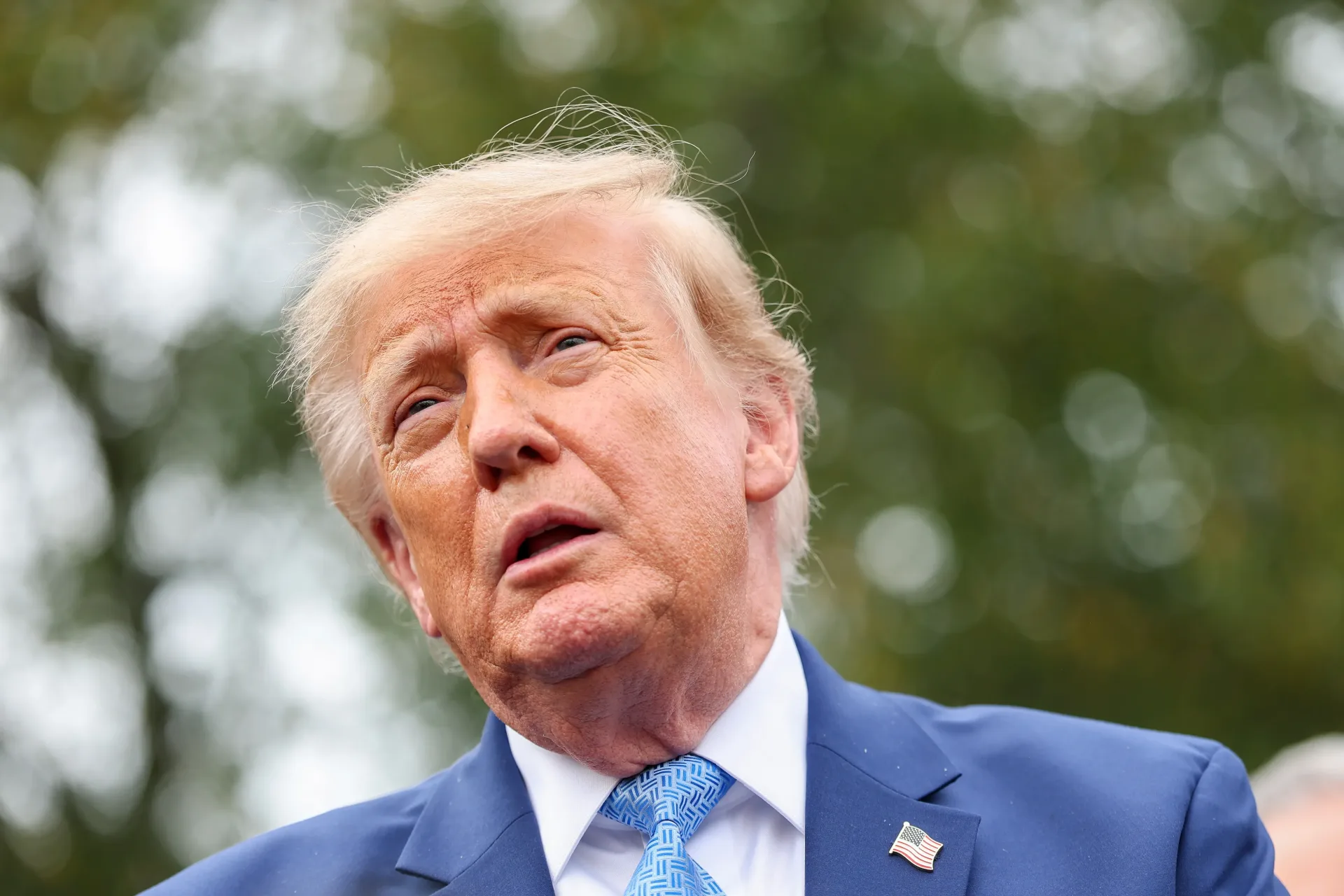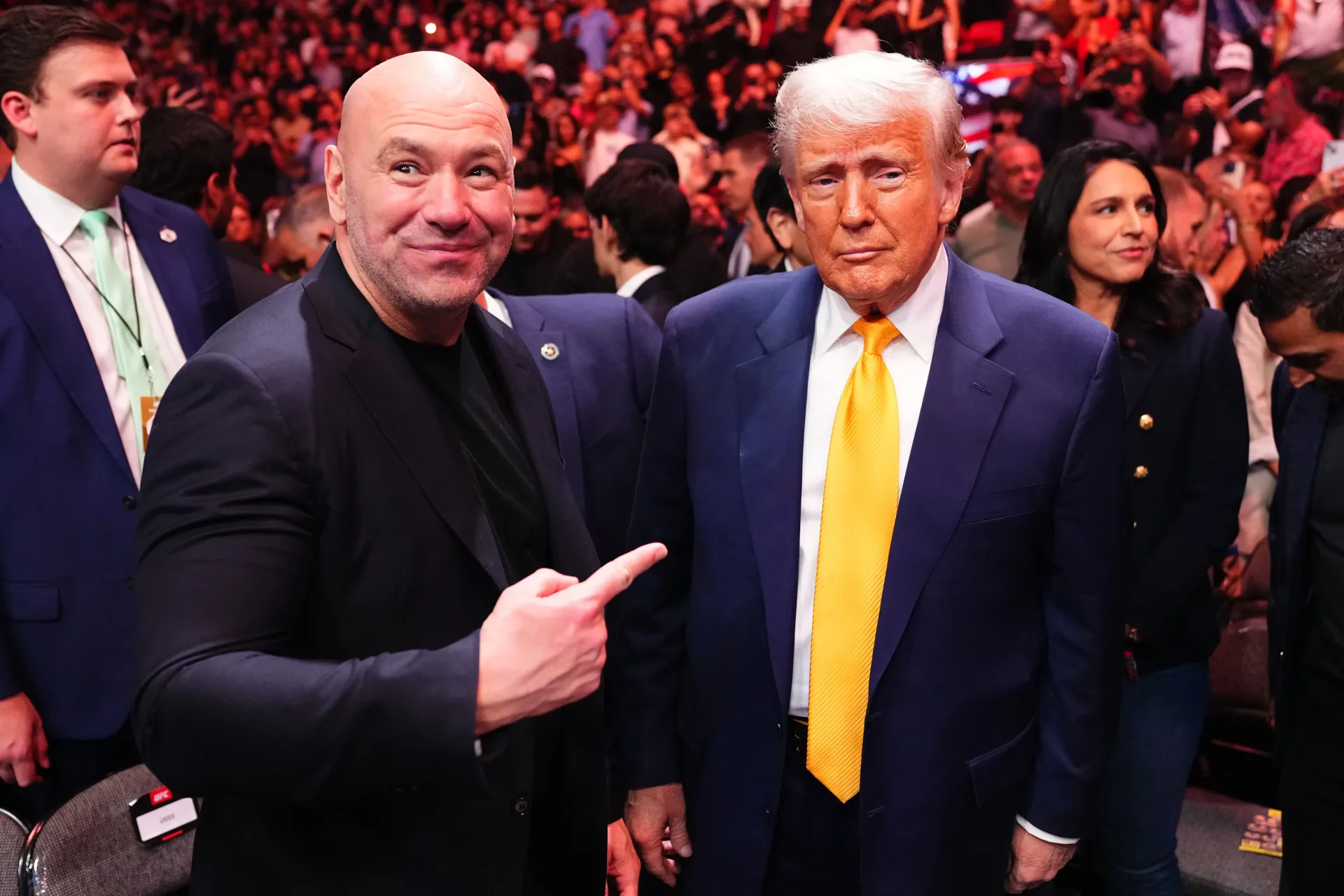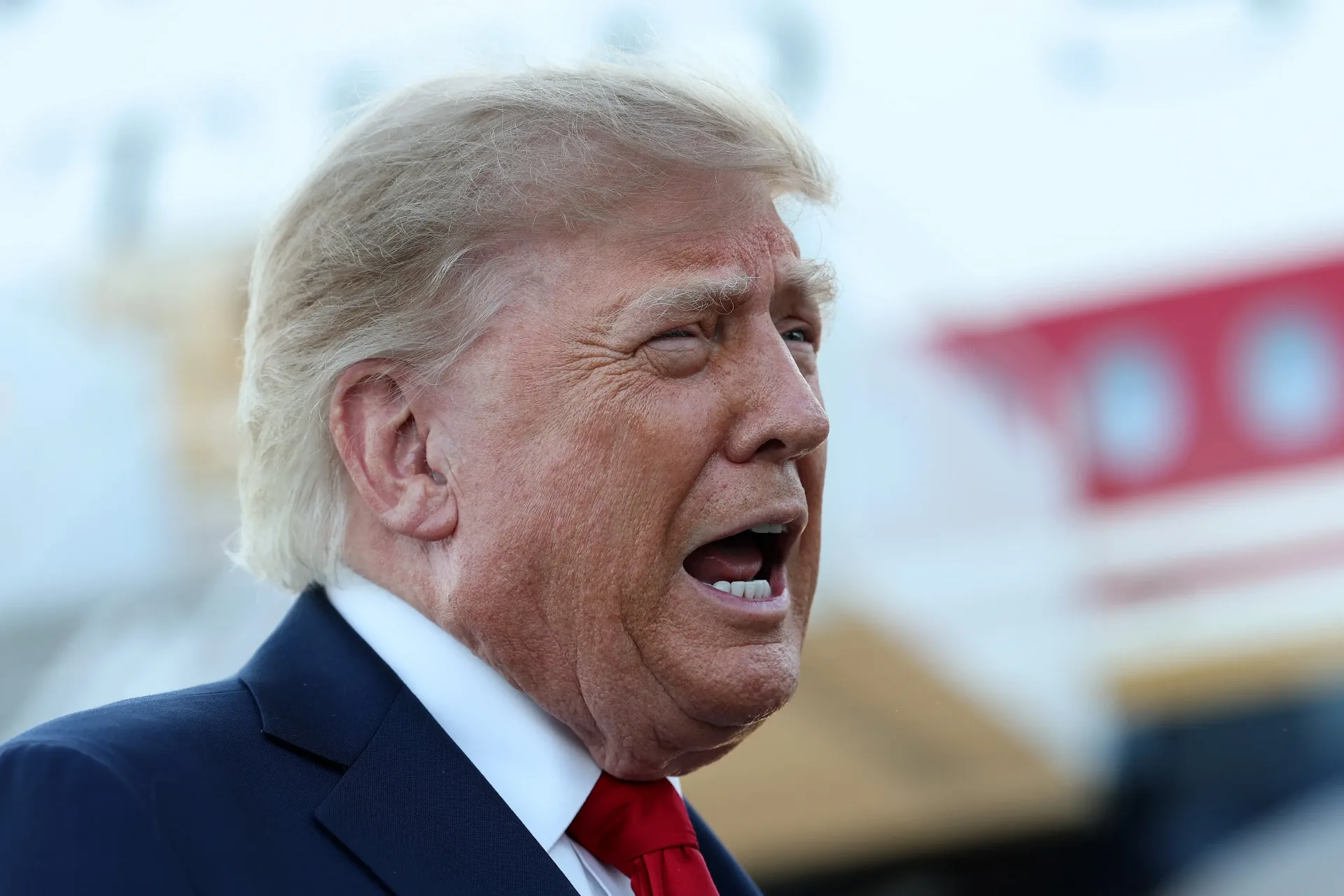
A federal judge has denied the BBC’s motion to dismiss President Donald Trump’s $10 billion defamation lawsuit over a Panorama documentary that used an edited portion of his Jan. 6, 2021 speech. The decision does not resolve whether the BBC defamed Trump, whether he can ultimately prove damages, or whether he will receive any money. It means the court has concluded that his claims may move into the evidence-gathering phase known as discovery.
At issue is Trump: A Second Chance?, a documentary broadcast shortly before the 2024 U.S. election. The program placed Trump’s statement, “We’re going to walk down to the Capitol and I’ll be there with you,” next to a later passage: “And we fight. We fight like hell and if you don’t fight like hell, you’re not going to have a country anymore.” The remarks were delivered nearly an hour apart in the original speech.
Judge Jeffrey T. Kuntz found that Trump has a viable argument that joining the two excerpts could have created the impression that Trump directly urged violence. In the ruling, Kuntz rejected the BBC’s characterization of the cut as routine shortening of a roughly 70-minute speech into a short clip.
“This was not trimming around the edges but creating something different than what was stated in the speech,” Kuntz wrote.
What the ruling does—and does not—decide
A motion to dismiss is an early procedural challenge. The party seeking dismissal argues that, even if the complaint’s key allegations are accepted at that stage, the lawsuit does not state a legally sufficient claim. Denying that motion is therefore not a final finding that a defendant acted unlawfully. It is a finding that the case is sufficiently plausible to continue.
That distinction is particularly important here. The court has not determined whether the edit was defamatory, whether the BBC made it with the state of mind required by U.S. defamation law, or whether Trump can establish the harm he says he suffered. The broadcaster had argued that Trump could not demonstrate actual damages and could not meet the legal standard of “actual malice.” Those issues remain central as the case advances.
The next major stage, discovery, is when parties can seek documents, communications and sworn testimony relevant to the claims and defenses. Trump has been ordered to sit for a deposition by Dec. 11, although that date may be moved. A deposition is sworn, out-of-court questioning that is generally conducted by attorneys and recorded for use in the litigation.
Why the edit is the case’s central question
Documentaries necessarily edit. A long speech cannot usually be reproduced in full, and editorial choices about what to include are routine. The dispute in this lawsuit is more specific: whether the documentary’s construction materially changed the apparent meaning of Trump’s remarks by presenting statements delivered far apart as though they were a continuous call to action.
Kuntz’s ruling frames the issue as more than a disagreement over emphasis, brevity or a choice of sound bite. His language suggests the court sees a meaningful difference between removing surrounding words and assembling separate parts of a speech in a way that may alter the message conveyed. That is why the timing of the two statements—nearly an hour apart—matters to Trump’s claim.
The BBC apologized in November 2025, stating that the edit had created “the mistaken impression that President Trump had made a direct call for violent action.” Two senior BBC executives resigned in the aftermath. The apology is an important piece of the factual backdrop, but it does not by itself settle the remaining legal questions. Litigation will still examine the nature of the edit, the broadcaster’s editorial process, the relevant communications and the alleged consequences.
The high bar for a public-figure defamation claim
Trump is a public figure, so his claim faces a substantial constitutional hurdle under New York Times Co. v. Sullivan. The Supreme Court precedent requires public officials—and, in the broader doctrine applied to public figures—to prove “actual malice” in many defamation claims.
Despite the phrase, actual malice does not simply mean personal hostility, sharp criticism or a negative editorial point of view. In this context, it generally concerns whether a statement was made with knowledge that it was false or with reckless disregard for whether it was false. The standard is designed to give broad protection to speech and reporting about public officials and public matters, while still allowing claims involving knowingly or recklessly false statements.
The BBC has argued that Trump cannot meet that standard. The broadcaster also contends that he cannot prove actual damages. Both positions can be litigated in discovery and at later stages of the case. For Trump, the immediate victory is procedural: he gets the opportunity to pursue evidence that may support his allegations rather than seeing the suit end before that process begins.
Kuntz criticized the foundations of the Sullivan standard while recognizing that he is obligated to apply it. He wrote that the precedent is not grounded in the Constitution’s original meaning “in any meaningful sense,” nor in common-law history and tradition. The judge further questioned the logic of imposing a heightened standard on a public figure such as the president when such a standard did not exist at the nation’s founding.
Those comments are notable, but they do not remove Sullivan from this case. A federal trial judge cannot discard binding Supreme Court precedent. The practical result is that Trump’s complaint survives while still having to clear the actual-malice requirement as the litigation develops.
BBC says it will continue through the legal process
The BBC said it was surprised by the ruling but respects the court’s authority. It said it remains confident in its position and will respond through the legal process. That response underscores the narrow nature of the decision: the BBC’s defenses have not been rejected on their merits simply because dismissal was denied.
Trump praised Kuntz’s decision in a Truth Social post, calling it a major victory against the BBC and commending the judge’s ruling. Kuntz was appointed to the federal bench by Trump earlier this year. Before that appointment, he served as a Florida appellate judge and authored an opinion allowing Trump to sue members of the Pulitzer board.
The case arrives during a period of heightened attention on the power and responsibility of media editing. A short video sequence can convey a narrative quickly, but it can also carry more interpretive weight than its duration suggests. For broadcasters and documentary makers, the dispute illustrates why source chronology, the relationship between excerpts and the distinction between condensation and reconstruction can become legally consequential—not just editorial questions.
It also lands amid wider pressure on companies that sit at the intersection of media, technology and public trust. The business side of distribution is changing as well, as seen in Roku’s decision to wind down smart-home hardware and refocus on streaming. But the BBC case concerns a more fundamental editorial issue: what viewers reasonably understand a finished program to say when separate moments are put together.
What to watch as discovery begins
Discovery should focus the dispute on evidence rather than pleadings. The key questions are likely to include what material the production team had available, how and why the sequence was assembled, whether internal discussions recognized a risk that the edit might imply a direct call for violent action, and what evidence supports Trump’s claimed damages.
Those questions map onto the unresolved legal disputes. Evidence of awareness about the sequence’s potentially misleading implication could matter to the actual-malice analysis. Evidence about viewership, reputational harm or other claimed losses could matter to damages. The BBC, meanwhile, will have the chance to support its argument that its conduct did not meet the demanding threshold for defamation of a public figure.
For now, the decisive fact is limited but significant: the lawsuit remains alive. The court has found that the allegedly stitched-together clip presents a claim worth litigating. The eventual outcome will depend on what the parties uncover, how the court applies the public-figure defamation standard, and whether Trump can prove the necessary elements of his case.