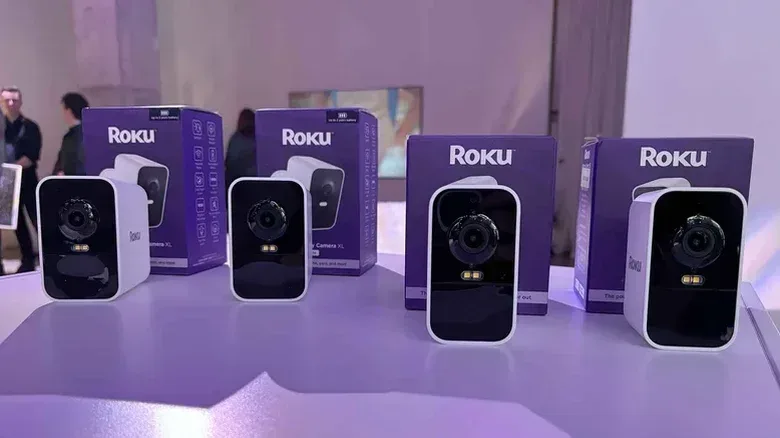
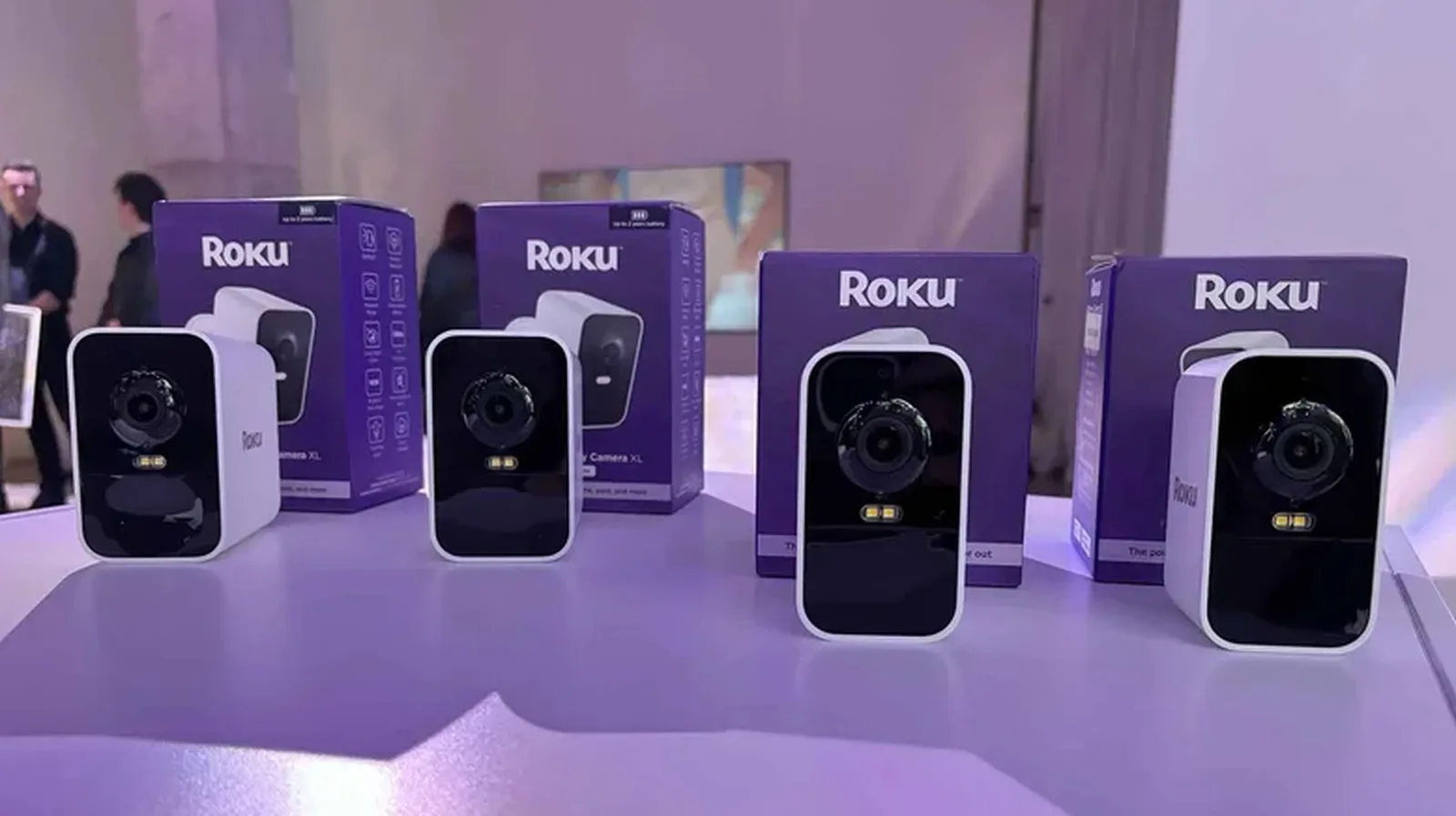
Roku is winding down sales of its smart home hardware, a retreat that covers products such as video doorbells, cameras, lighting, smart plugs and its home monitoring system. The company says existing Roku Smart Home products will continue to receive support and services, but its direction is now unmistakably centered on streaming.
The shift comes shortly after Fox completed its $22 billion acquisition of Roku. Roku framed the move as a return to its core goal of being a leading streaming platform. That means the devices most closely tied to that mission—streaming players and TVs—are set to receive the company’s attention, rather than an expanding lineup of connected-home gear.
For anyone who bought a Roku-branded camera or doorbell, the key phrase is continued support and services. Roku has not said that current equipment is being abruptly switched off. It has said that it intends to stop selling the hardware. Those are importantly different things: one concerns the availability of new products, while the other concerns the ongoing usefulness of devices already installed in homes.
What Roku is no longer selling
Stock levels on Roku’s own store show how far the withdrawal has already progressed. The Roku Indoor Camera 360° and Video Doorbell & Chime were the only two Smart Home devices still listed as in stock. Other products were marked unavailable, including light strips, smart bulbs, smart plugs, the wireless video doorbell, additional cameras and the home monitoring system.
The products have also become difficult to find through third-party retail channels. In at least one major marketplace, refurbished units were available while new stock had effectively disappeared. That does not establish a specific timetable for every model, but it does give shoppers a practical answer: people looking to build a new Roku-based smart-home setup should not assume that the range will remain on shelves.
A sell-through period can be messy for connected devices. Retail listings may linger, and a remaining unit may be legitimate inventory rather than a newly supplied product. But a hardware line being wound down is different from a fresh platform launch. Buyers should distinguish between what is currently purchasable and what is positioned to receive future expansion.
Existing owners: support is promised, but the details matter
Roku’s statement provides reassurance that Smart Home support and services are expected to continue. It does not, however, set out a duration for that support or spell out any changes to individual products, subscriptions, apps or integrations. Owners therefore have confirmation of continuity, not a complete long-term roadmap.
That distinction is especially meaningful for smart-home hardware. A streaming stick is principally a playback device; a security camera, doorbell or monitoring component is often part of a routine that depends on software, notifications and connected services. “Support” can encompass several things, from maintaining access to an app and basic device operation to issuing software updates or continuing cloud-dependent functions. Roku has not detailed what each of those commitments will look like during the wind-down.
For the moment, there is no stated reason for existing owners to assume their products have stopped working. Still, households that rely on Roku Smart Home equipment for monitoring should keep their account details current, pay attention to company communications and retain purchase and setup information. That is sensible maintenance for any connected device, and it becomes more relevant when its manufacturer has stopped treating the category as a growth business.
Potential buyers should also be careful not to confuse a discounted or refurbished device with a product that has a broad future hardware ecosystem behind it. A lower price can be appealing, but it does not answer questions about replacement availability or how much the family of compatible devices may grow from here. Roku has only committed publicly to ongoing support and services; it has not announced a new smart-home product plan.
From Wyze-based products to Roku’s own hardware
Roku entered the smart-home market in 2022 with rebadged Wyze products. Rebadging generally means a company brings an existing design to market under its own brand, often with changes to branding, software presentation or retail strategy. It can be a faster route into a category than building every product from scratch.
The company then began releasing its own smart-home hardware last year. That progression suggested a deeper investment in the category. The current decision reverses that trajectory: Roku is stepping away not only from a small accessory line, but from an area it had recently been developing under its own name.
Signs of the shift had appeared before the formal confirmation. Smart Home products had gradually faded from the company’s earnings reports earlier this year. Combined with the growing out-of-stock list, that absence now reads as part of a wider reduction rather than a routine change in marketing emphasis.
Why the hardware math matters
The decision arrives alongside a revealing set of device-business figures from Roku’s final earnings report before joining Fox. Device revenue grew 33% year over year in the third quarter. Yet hardware losses increased much more sharply, rising from $22.9 million to $48.6 million over the same period. Roku attributed much of that increase to higher costs for memory components.
Those two numbers are a useful reminder that revenue growth is not the same as profitability. Revenue is the money taken in from sales. A hardware loss means the costs associated with that part of the business exceeded the revenue it generated during the period. It is possible to sell more devices and still lose more money if component, manufacturing or related costs climb quickly enough.
Memory components are parts used to store data and help electronic products operate. Their cost can influence margins across many kinds of consumer devices. When that input becomes more expensive, a company faces unappealing choices: absorb the added cost, raise prices, redesign products, reduce spending elsewhere or put less emphasis on the affected business. Roku’s decision does not establish that memory prices alone ended its smart-home effort, but its reported hardware losses offer clear context for why a tighter focus has appeal.
The broader technology sector is also grappling with the importance of component supply and investment, as explored in this look at the escalating AI chip race. Roku’s immediate issue was specifically memory-component costs, not the investments described there, but both illustrate how underlying hardware economics can reshape consumer-tech priorities.
Streaming devices remain the center of the plan
Roku’s device revenue reporting is focused on its own players and TVs. The company has clarified that this measure does not include Roku-branded televisions made by other manufacturers. That is a technical but significant accounting boundary: a television carrying Roku branding is not necessarily a set whose revenue belongs in Roku’s own-device figure.
Within that directly managed device business, Roku said its own TVs exceeded expectations in the third quarter. It has since released its first OLED TV models. OLED, short for organic light-emitting diode, is a display technology in which pixels produce their own light. The immediate relevance is not a claim about one display technology being universally better than another; it is that Roku is continuing to develop TV hardware while discontinuing Smart Home sales.
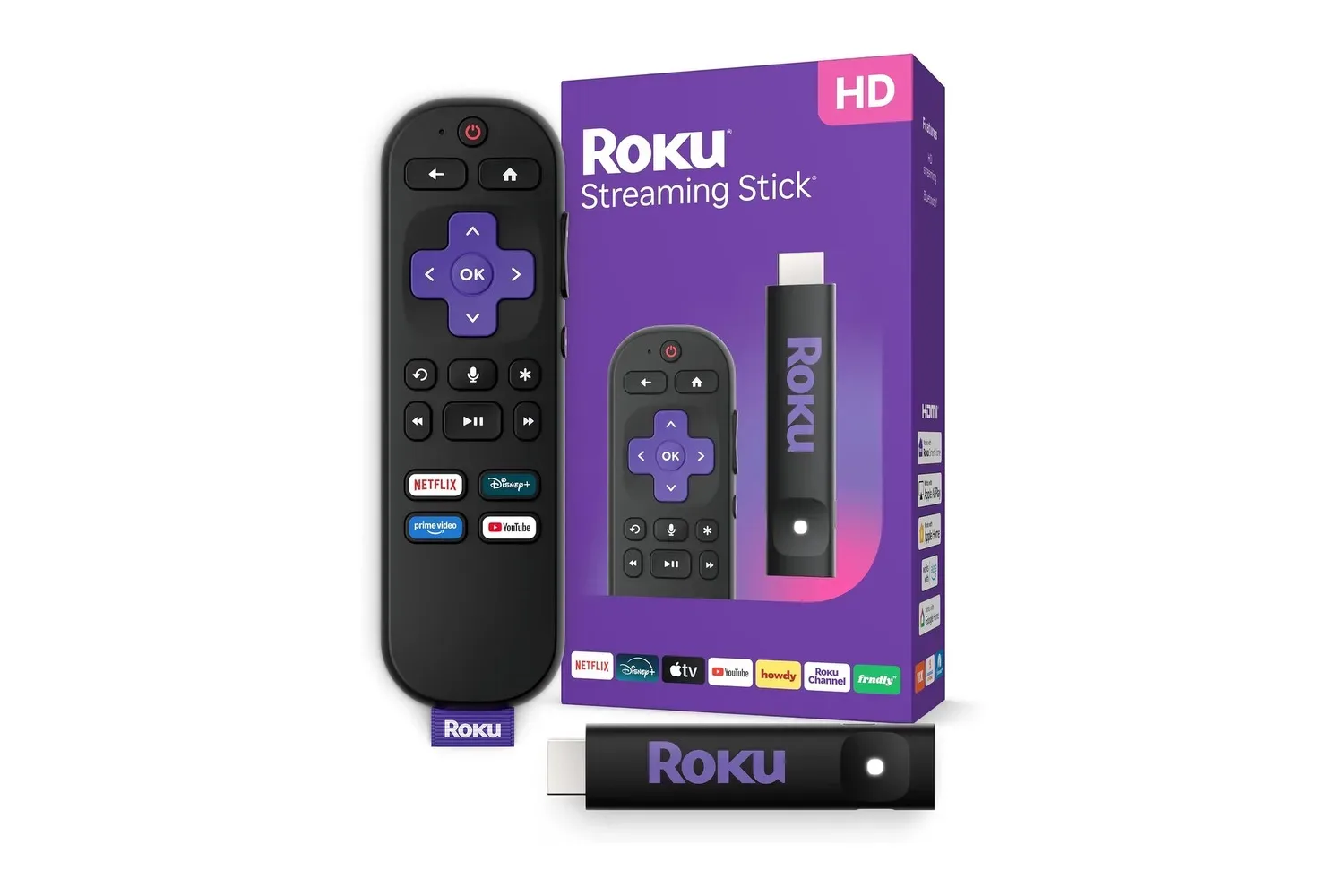
That contrast reveals the practical shape of the refocus. Roku is not abandoning physical products altogether. Instead, it is narrowing hardware work toward products that directly deliver its streaming experience: players and televisions. Cameras, doorbells, lights and monitoring equipment all sit adjacent to a connected household, but they do not serve the same central purpose as a screen or streaming box.
What the change means for the living room
For viewers, this may make Roku’s product identity easier to understand. Its core equipment is becoming more tightly aligned with the moment people use it: choosing and watching streamed video. Smart-home products can complement that environment, particularly where cameras and alerts appear on a television interface, but maintaining a full smart-home assortment also means managing a broader range of physical devices and services.
For Roku, the choice to prioritize streaming does not guarantee any particular future feature, TV model or player. No such plans were outlined alongside the wind-down. What can be said is narrower and more concrete: the company is concentrating on the platform and hardware closest to streaming, while ending sales of the connected-home hardware it had built up since 2022.
For current Smart Home owners, the immediate message is continuity rather than panic. For prospective customers, it is a warning to judge remaining stock in light of a product category that is being wound down. And for the wider consumer-tech business, it is another example of how a familiar brand can sell more hardware while deciding that not every hardware category deserves equal investment.