Apple’s unusually crowded late-year hardware run is set to finish on Friday, November 13, with the planned release of two products: the new HomeView smart home hub and the fourth-generation Apple TV 4K. No further major Apple hardware releases are expected for the remainder of the year.
The pair brings a close to a particularly active stretch for the company. Since late August, Apple has announced more than 25 devices and accessories. That total matters because it frames the November 13 releases less as isolated additions and more as the final pieces of a broad hardware rollout.
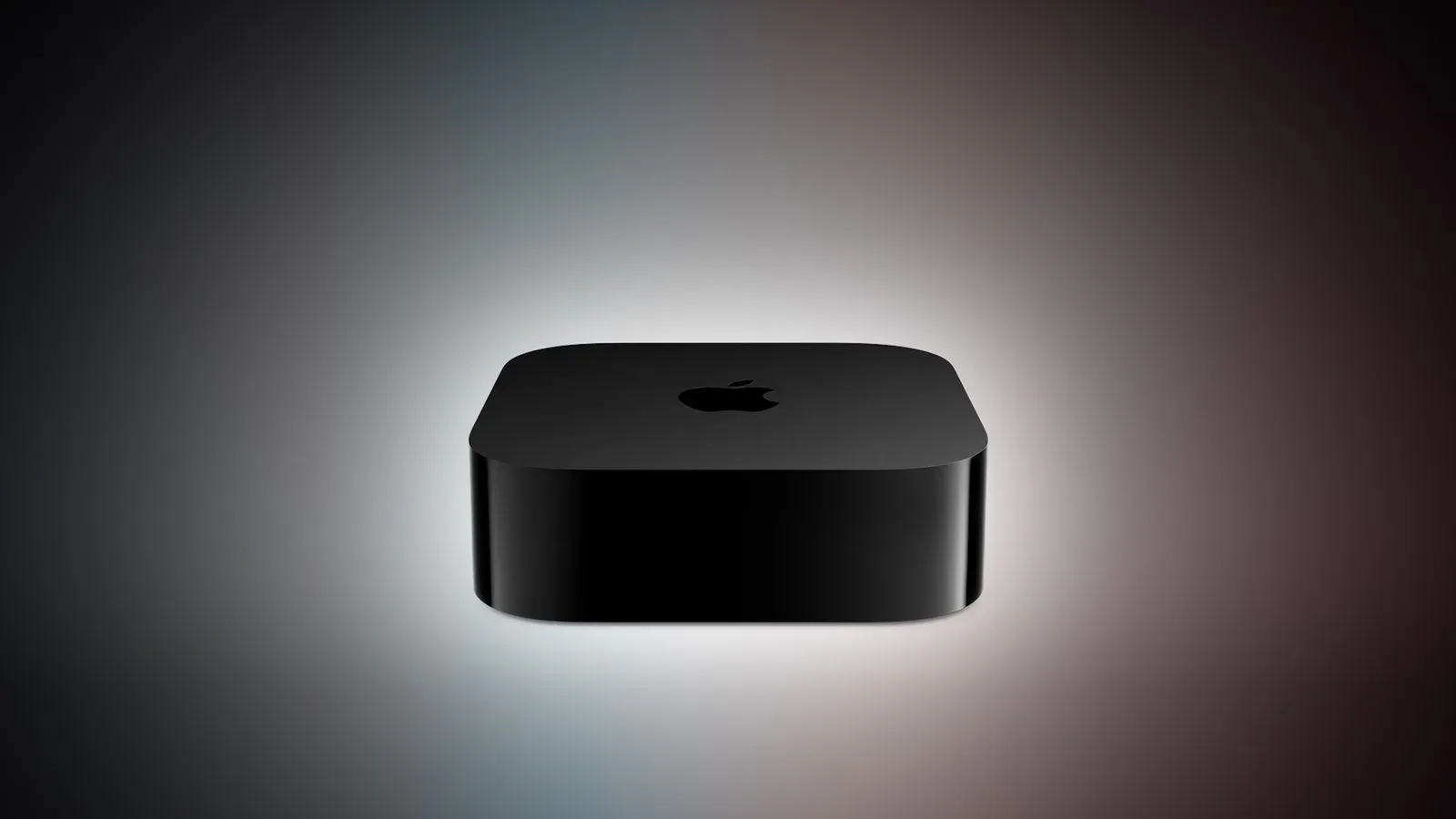
For players, the Apple TV 4K is the more immediately recognizable of the two. A streaming box sits at the center of a TV setup, even if it is not a dedicated game console. The fourth-generation label distinguishes this version from prior Apple TV 4K models, but the information available so far does not establish its technical specifications, software changes, price, or game-focused features. Those details should not be assumed simply from the product name.
HomeView, meanwhile, is described as an all-new smart home hub. A smart home hub is a device intended to serve as a central point for managing compatible connected-home functions. In practical terms, that category can include coordinating devices around a home, though the specific controls, supported products, interface, and connectivity options for HomeView have not been detailed here.
November 13 is the key date
Both HomeView and the fourth-generation Apple TV 4K are slated to be released on the same Friday, November 13. A shared release date gives Apple a concise final beat after a launch period that began in late August and has produced more than 25 announced products and accessories.
It is important to separate a release date from an announcement date. An announcement tells customers that a product is coming; a release date is the point at which the product is expected to enter the market. In this case, the two November products are characterized as the releases that will end the company’s current hardware wave.
The expectation that there will be no other major hardware releases this year also sets a useful boundary around the news. It does not mean there can be no software updates, accessory activity, retail promotions, or other company news. It means the major-hardware portion of this especially dense launch schedule is expected to be complete once these two products arrive.
Why the Apple TV 4K matters to TV-and-console households
Apple TV 4K is first and foremost a living-room streaming device, not a replacement for PlayStation, Xbox, Nintendo hardware, or a gaming PC. Still, streaming boxes often share the same screen, receiver, inputs, shelving, and remote-control routine as game systems. A new model can therefore be relevant to people reviewing the wider arrangement around their television rather than only to people shopping for video services.
That distinction is worth preserving. A television setup is an ecosystem of devices with different jobs. A console or PC is the machine used to run games. A TV is the display. A streaming box is geared toward television apps and media playback. A smart home hub is geared toward connected-home control. Individual households may place all of them in the same room, but proximity does not make their purposes interchangeable.
For anyone planning a living-room refresh, the sensible immediate takeaway is timing rather than a shopping verdict: the new Apple TV 4K is due November 13, and confirmed specifications have not been provided in the available information. That makes it premature to declare whether it represents a meaningful upgrade over an earlier model or whether it changes anything material for game setups.
Shoppers who are also weighing a television purchase may want to keep the display decision separate from the streaming-box decision. A new TV can matter directly to a gaming setup; a streaming box may be a companion device that uses that display for a different purpose. Recent TV promotions are already part of the seasonal shopping picture, as covered in our look at early Black Friday TV deals that could matter for gaming setups.
What HomeView adds to the release picture
HomeView’s designation as a new smart home hub is notable because it extends this final release day beyond the familiar streaming-box category. The product is positioned around the home rather than a single television, at least at the broad category level. However, no precise feature list is available in the material at hand.
That limitation is especially important in the smart-home space, where general labels can conceal very different products. “Hub” can describe a dedicated controller, a display-centered device, a device that works mainly through voice or apps, or something with a different role entirely. It would be inaccurate to attribute any of those particular implementations to HomeView before they are confirmed.
There is nevertheless a clear practical reason to watch the product’s eventual details. Smart-home hubs are usually evaluated on what they can control, how people interact with them, whether they fit cleanly into existing routines, and how much setup they require. Those are category-level questions, not confirmed HomeView features. Buyers interested in the device should wait for specific compatibility and operation information before treating it as the answer to a particular connected-home need.
A busy rollout, with room for restraint
More than 25 announced devices and accessories since late August is a large volume of activity in a relatively short span. That figure gives useful context to the claim that this has been one of Apple’s busiest launch periods. It also explains why two releases in mid-November can function as a capstone rather than the opening move of another product cycle.
At the same time, a high count should not be mistaken for a complete guide to what any single customer needs. Devices and accessories serve different audiences. A person looking for a streaming box is not necessarily looking for a smart-home hub; someone following the company’s hardware rollout may have no reason to upgrade either. The value of the November 13 releases will depend on their eventual capabilities and on what equipment a household already uses.
For that reason, the most useful approach is to separate confirmed facts from reasonable questions. Confirmed: HomeView is a new smart home hub, a fourth-generation Apple TV 4K is coming, both are due Friday, November 13, and no additional major Apple hardware launches are expected before year’s end. Still unanswered in the supplied information: their prices, performance, ports, included accessories, technical specifications, compatibility, regional availability, and whether either product has changes that would matter for gaming specifically.
What to watch once the products arrive
The release itself should provide the details that determine whether either device has a place in a particular home. For Apple TV 4K, prospective buyers will want to focus on confirmed differences between this fourth-generation model and the version they own or are considering. For HomeView, the central questions will be what it is designed to manage and how it fits with the connected devices already in use.
- For TV-centered buyers: distinguish streaming needs from console and display needs rather than expecting one device to handle every role.
- For smart-home buyers: look for confirmed compatibility and control details before planning an upgrade around HomeView.
- For seasonal shoppers: avoid treating the November 13 date as proof of a bargain, since no pricing information has been established here.
- For Apple watchers: view the releases as the apparent endpoint of a hardware-heavy period that began in late August.
Apple’s next Friday release date is therefore significant chiefly for its place in the company’s calendar. HomeView and the fourth-generation Apple TV 4K are expected to close an exceptionally packed sequence of announcements and releases. Until fuller product details are available, the clearest picture is simple: one new product is aimed at the smart-home category, the other at the living-room streaming category, and both mark the expected end of Apple’s major hardware activity for the year.