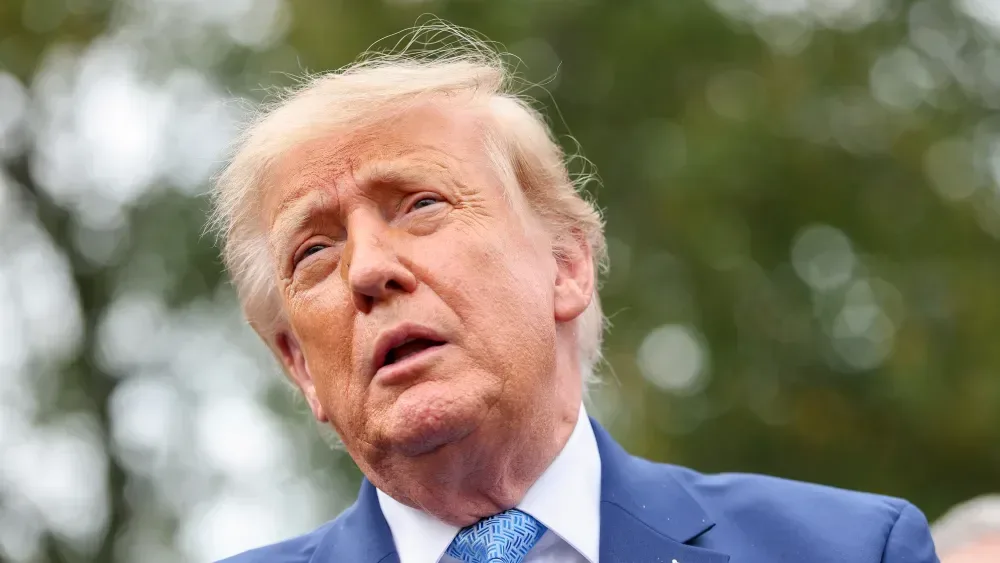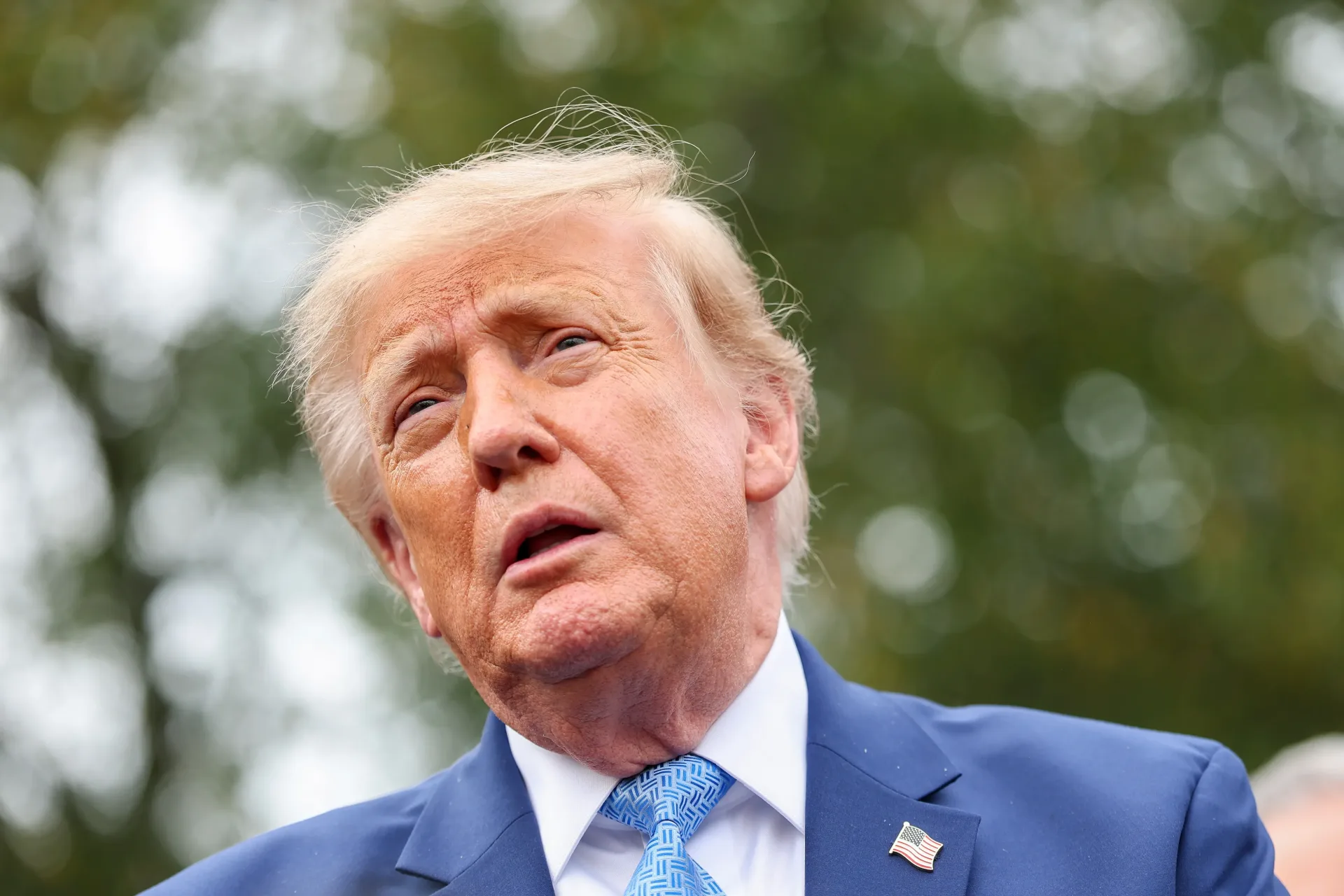
President Donald Trump has been ordered to sit for a deposition in his defamation lawsuit against the BBC, a significant discovery-stage ruling in a case centered on an edited 2024 episode of Panorama.
U.S. Magistrate Judge Enjoliqué Aytch Lett directed Trump to complete the deposition by Dec. 11, subject to a possible extension if the overall discovery period is extended. The order arrives as the parties dispute both the pace of evidence gathering and whether the lawsuit can proceed at all.
Trump sued in Florida in December 2025, alleging defamation and trade-practices violations. He seeks $10 billion in damages. His complaint concerns an October 2024 Panorama broadcast that edited portions of his Jan. 6, 2021 speech in a way that made it appear he had directly said, “We’re going to walk down to the Capitol … and I’ll be there with you. And we fight. We fight like hell.”
The BBC later apologized, saying the edit created the mistaken impression that Trump had made a direct call for violent action. That admission is plainly important to the broader dispute, but it does not by itself decide every legal question in a defamation case. The court must still address the BBC’s request to dismiss the action, while the parties continue to fight over the information each side must provide.
What the judge ordered
A deposition is sworn, out-of-court testimony, usually conducted by attorneys before trial. It is part of discovery: the phase in civil litigation in which opposing sides exchange documents, answer formal questions and take testimony to establish what evidence exists and what witnesses know.
At the hearing, the BBC’s attorney, Charles Tobin, said the broadcaster had still been unable to depose Trump despite roughly two months remaining in the discovery period. Judge Lett’s response was direct: a person who files a lawsuit must participate in the burdens of discovery. She also warned Trump’s legal team that failure to turn over documents the BBC is entitled to seek in its defense could put the case at risk of dismissal.
The Dec. 11 deadline does not necessarily mean the deposition must occur on that exact date under all circumstances. The judge said it could move if discovery itself is extended. Still, the order rejects the practical effect of the schedule proposed by Trump’s lawyers, who said in a Wednesday filing that he could be available between Jan. 11 and Jan. 22, 2027.
Trump’s lawyers maintained that the president was not avoiding testimony. A spokesperson for his legal team characterized the BBC’s editing as intentional, malicious and deceptive, and said the lawsuit is intended to hold the broadcaster accountable. Those are the plaintiff’s allegations and legal position; they have not been established by a final court ruling.
Why a deposition matters in this case
For a public figure bringing a defamation claim, testimony from the plaintiff can be central. A deposition may explore the claimed harm, the basis for alleged damages, the plaintiff’s knowledge of the broadcast and related public statements. It also allows the defendant to test assertions made in pleadings under oath before trial.
In practical terms, the BBC will be able to question Trump’s side of the dispute rather than relying solely on filed allegations or public statements. Trump’s legal team, in turn, can prepare him to explain the case’s core claims. A deposition is not a court verdict, and it is not automatically public. Its role is to develop the factual record that could later influence motions, settlement discussions or a trial.
Judge Lett’s warning about document production is equally consequential. Discovery is reciprocal: a plaintiff requesting damages and alleging wrongdoing generally must supply responsive material when it is properly requested and required. Courts can impose remedies when parties fail to comply, ranging from orders compelling production to more severe sanctions. In this case, the judge specifically raised dismissal as a potential outcome if Trump’s side does not meet its discovery obligations.
That does not mean dismissal has been ordered. It means the court has identified compliance as a serious condition of keeping the suit on track. The immediate issue is whether required participation and document exchange occur within the court’s timetable.
The BBC’s dismissal argument remains unresolved
The BBC has filed a motion to dismiss the lawsuit. Its position is that the Panorama broadcast does not satisfy the legal standard for defamation and that the program was not available in the United States.
A motion to dismiss asks the court to end claims at an early stage, before a trial, on legal grounds. The argument is not the same as a finding after weighing all testimony. Here, the BBC is challenging whether the allegations and surrounding circumstances meet the requirements needed for Trump’s claims to continue.
Availability in the United States is a notable part of the BBC’s position. The reported dispute involves a British broadcaster and a Florida-filed lawsuit, so questions about where the program could be viewed may matter to the parties’ legal arguments. The supplied case record does not resolve that dispute; it only establishes that the BBC has raised it as a reason the case should be dismissed.
Likewise, the BBC’s apology does not end the litigation on the facts provided. It acknowledges that the edit gave the incorrect impression that Trump directly urged violent action. But the parties still contest the legal consequences of that error, including whether the broadcast meets the criteria for defamation and what, if any, damages could be supported.
How the scope of the case has narrowed
Trump originally pursued claims involving BBC Studios Distribution and BBC Studios Production, the broadcaster’s commercial and production entities. In July, he dropped those claims after the U.K. broadcaster argued those units had no role in creating or producing the documentary at issue.
The litigation against the BBC itself continues. That distinction is useful because large media organizations can include different corporate arms with separate roles. Dropping claims against specific entities does not automatically dispose of the core action against another defendant; it changes who remains in the case and what relationships must be litigated.
The case also lands amid continued scrutiny of how media organizations present politically charged footage. Editing can be essential to television storytelling, especially when condensing long events for a broadcast format. But edits that alter the apparent meaning of a speaker’s words can create substantial editorial and legal consequences. The BBC’s apology makes the central concern here unusually clear: the resulting sequence conveyed an impression it later said was mistaken.
That tension is part of a larger media landscape in which programming decisions, promotion and accountability frequently cross into legal and business questions. For another recent example of how television promotion can become a point of dispute, see this report on a dating-show promotional fight involving ABC stations.
What happens next
The clearest near-term benchmark is the deposition deadline. Unless discovery is extended, Trump is expected to sit for questioning by Dec. 11. The parties must also continue producing and obtaining documents during discovery, with Judge Lett’s warning underscoring that noncompliance could threaten the plaintiff’s case.
Separately, the court must address the BBC’s motion to dismiss. That argument challenges the viability of the lawsuit itself, including the broadcaster’s assertion that the program was not available in the U.S. A ruling in the BBC’s favor could end the matter or limit it; a ruling allowing the claims to continue would leave the parties to move further through discovery and potentially toward later stages of litigation.
For now, the order does not determine whether the BBC defamed Trump, whether Trump can prove the damages he seeks, or whether the broadcaster’s dismissal arguments will prevail. It establishes something narrower but important: filing a high-profile lawsuit does not exempt a plaintiff from the ordinary obligations of civil discovery, including sworn questioning by the opposing side.