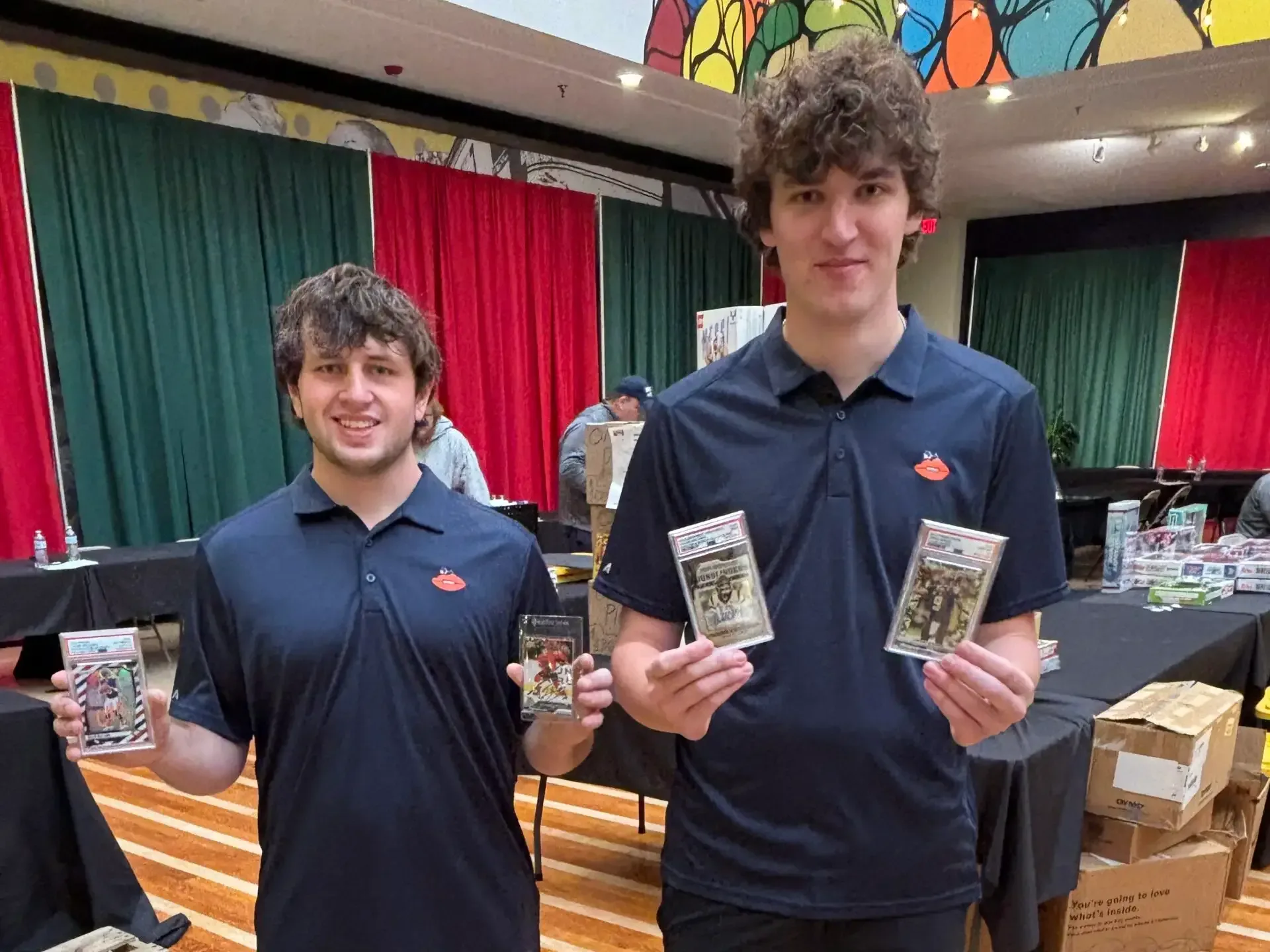
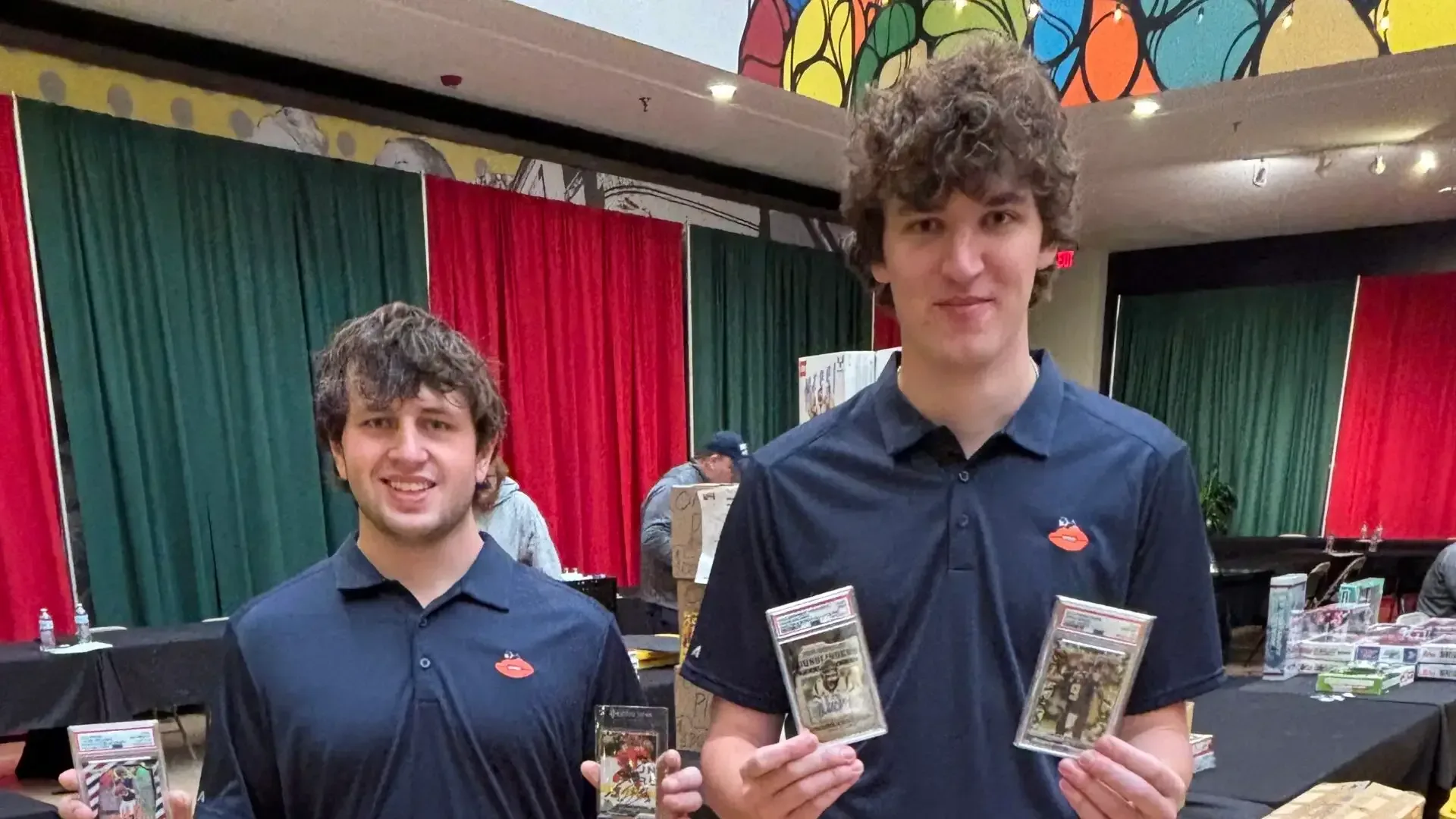
Running a card show involves far more than setting up folding tables and hoping a crowd arrives with cash, trade binders and an appetite for the next big pull. There are venues to book, dealers to recruit, layouts to plan, attendees to reach, and a presentation to maintain. For Illinois State University juniors Andrew Baker and Tyler Thorby, that workload sits alongside a full college schedule.
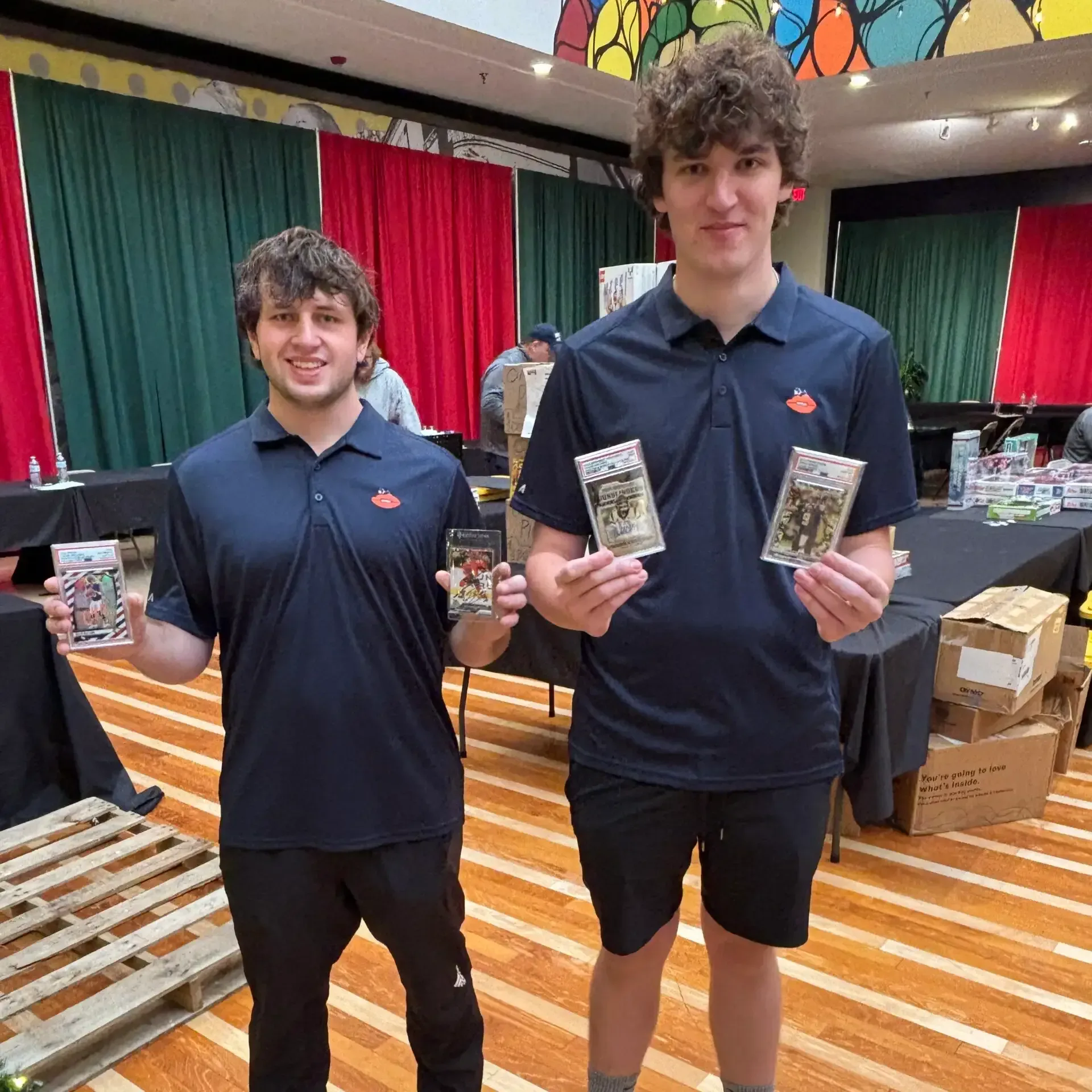
The roommates are in their second year operating BGE Cards, a card-show business that has grown from an August 2025 event at the university student center in Normal, Illinois, into a wider run of central Illinois and suburban Chicago dates. Baker is studying accounting and Thorby is a marketing major, a pairing that fits the practical demands of a small events venture: one side requires careful organization and money management, while the other requires getting collectors and vendors to know a show is happening.
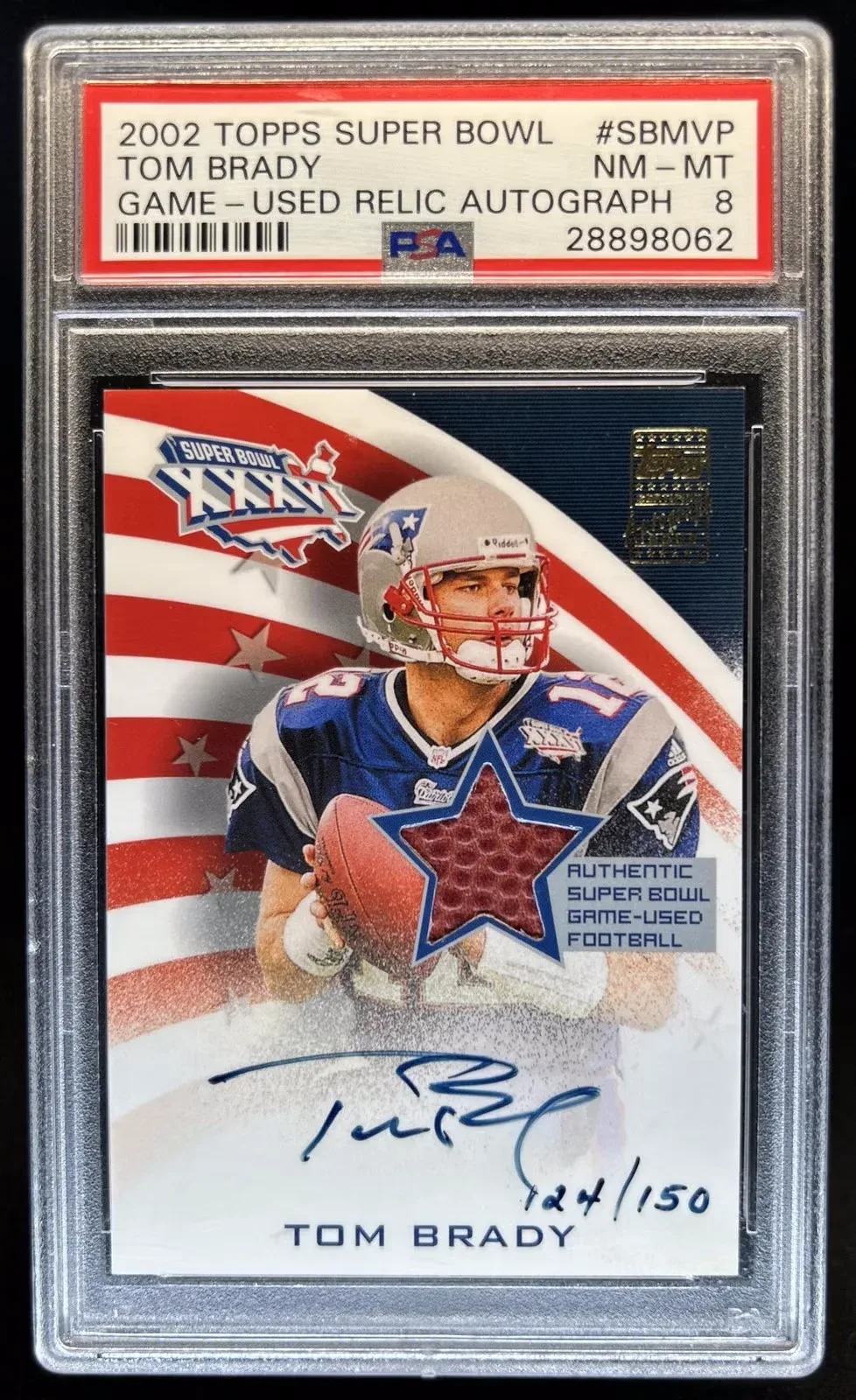
Their business name is a nod to Tom Brady, Rob Gronkowski and Julian Edelman, using the first letters of the players’ surnames. Despite that Patriots-inspired branding, both organizers are Chicago Bears fans. Their personal collecting interests lean toward contemporary Chicago athletes, including Bears quarterback Caleb Williams and Blackhawks center Connor Bedard.
A show business built around a collector community
Baker and Thorby connected before freshman year through an Illinois State service designed to help prospective roommates find one another. After playing golf and becoming acquainted, they learned they shared an enthusiasm for sports cards. Both had collected stamps and other items while growing up before gravitating toward cards.
That shared interest eventually turned into a business opportunity. Rather than attempt to compete only within Chicago’s busy card-show environment, they identified room to cultivate events in central Illinois. The contrast is stark: Baker said seven shows, including one run by BGE Cards, were taking place in Chicago on November 7. A crowded market can give collectors plenty of choices, but it also makes it difficult for an individual event to stand out. Building a local network outside that density offers a different route—one based on repeat vendors, familiar attendees and venues that can become regular destinations.
BGE Cards has also organized a Bloomington-Normal club intended to connect collectors locally and increase awareness of its events. That is an important distinction between simply renting a room for a weekend and building a show circuit. A club creates a reason for hobbyists to stay engaged between dates, while the shows give that community a physical place to buy, sell, trade and meet dealers.
The venture’s earnings currently help cover Baker and Thorby’s food and rent during school. They have kept a straightforward priority: classes come first during the week, while promotional work and event preparation are fitted around coursework. Baker described midterms as an especially demanding time, even as social-media posts and show logistics still need attention. His mother also helps spread the word by putting up flyers around town.
Why the vendor experience matters
The most revealing part of BGE Cards’ approach may be its attention to dealers. Card shows rely on vendors to create the experience visitors expect: inventory to browse, expertise to ask for, and a reason to spend time at the event. If dealers do not feel a show is organized, worthwhile or pleasant to work, they can take their tables elsewhere.
Related coverage includes BGE Cards Builds Illinois Card Shows While Balancing College.
BGE Cards supplies black tablecloths, bottled water, pens and wet wipes. None of those items alone turns a small local show into a major convention. Together, though, they communicate that the promoters have considered what it is like to work behind a table for hours. Tablecloths help make a show floor feel consistent and finished. Water is a practical courtesy during a long sales day. Pens and wipes are small operational tools that may save a dealer a minor inconvenience at exactly the moment they need to focus on a customer.
Jason Gerlach, owner of the Washington, Illinois, retail card shop Retro City, has attended roughly 10 BGE Cards events. He cited the organizers’ treatment of vendors, the table presentation and the fact that layouts are not always arranged in the pod-style configuration he finds less favorable for dealers. Gerlach travels throughout the Midwest for shows, from Iowa to Indiana, so his interest in doing more BGE events offers a useful measure of the company’s standing with a working dealer.
Gerlach also highlighted the company’s choice to divide sports cards and trading card games, commonly shortened to TCG, into separate areas. TCG is a broad hobby term for games built around collectible cards, while sports cards are generally collected and traded for the athletes, sets, scarcity and condition represented on the cards. There can certainly be crossover among collectors, but the shopping habits and product conversations are often different. Separating the categories can make the floor easier to navigate for both audiences and lets dealers present their inventory to a more focused stream of customers.
At the Fox Valley Mall event in Aurora, BGE Cards used a 150-table setup, putting sports cards on the first floor and TCG on the second. It was the company’s first time booking the mall, and the location has a personal connection for Baker: it is about five minutes from the home where he grew up. The trip from Bloomington-Normal takes about two hours, an example of the travel reality behind expanding beyond a campus-centered operation.
A single Wembanyama pull, and the limits of headline-grabbing moments
One BGE Cards show in Bloomington produced a particularly eye-catching hobby story: a collector pulled a 1-of-1 Victor Wembanyama card that later sold for about $60,000, Baker said. In card terminology, a 1-of-1 is a card designated as the only copy of that specific version. That scarcity can make such cards notable, especially when they feature a highly followed athlete.
It is the kind of event that naturally travels through collector conversations. A major pull creates excitement for the person who opened the product and gives a show an unforgettable anecdote. But it should not be mistaken for the business model itself. A show promoter cannot count on a rare card emerging at every event. The more sustainable work is less dramatic: getting the right number of tables, helping dealers return, reaching local collectors, choosing accessible venues and making the room feel professionally run.
That steadier foundation appears to be what BGE Cards is pursuing. Bloomington collector and dealer Jim Mrozak has been involved as a vendor since the student-center beginnings. He has said the events draw people, perform well for him and benefit from Baker and Thorby’s social-media fluency and concern for an orderly, uniform look. For a promoter, that combination is meaningful. Attendance may bring vendors through the door once; confidence that the show is well managed is more likely to bring them back.
Expansion plans come with an important asterisk
BGE Cards has two shows remaining on its 2026 calendar, including a sports-card-only event in Bloomington on December 20. Ten events are already planned for 2027. The biggest proposed step is an East Moline expo-center show next September, where the company hopes to use 80,000 square feet for 500 tables.
That plan is not finalized. The East Moline event is pending a signed contract, which is a crucial qualification. A hoped-for 500-table show signals ambition, not a confirmed finished event. The intended venue is in the Quad Cities area along the Mississippi River, spanning Illinois and Iowa, and would be markedly larger than the 150-table Fox Valley Mall layout.
Scaling from a regional show calendar to a large expo-floor event changes the job. More tables mean more dealers to coordinate, a larger space to lay out, more signage and more pressure to attract enough attendees for vendors to view the trip as worthwhile. The practices BGE Cards has already emphasized—clear organization, thoughtful dealer amenities, presentation and targeted promotion—could matter even more at that size.
The pair also hope eventually to open a retail card shop after graduating in 2028. For now, Baker says the focus is securing more venues and working toward monthly events. He expects the current hobby boom to cool over the next year or two, though he does not anticipate a crash. That is his view of the market rather than a guarantee, but it shows the organizers are not treating present enthusiasm as permanent.
For collectors, the practical value of a growing local circuit is choice. Shows provide a setting to examine cards directly, compare dealer inventory, reconnect with familiar vendors and meet other hobbyists outside an online listing or group chat. For dealers, a promoter’s consistency can be as important as a single busy Saturday. BGE Cards is trying to earn that trust while its founders finish their degrees—a very modern collecting story, powered as much by spreadsheets, venue maps and social posts as by the cards in the display cases.
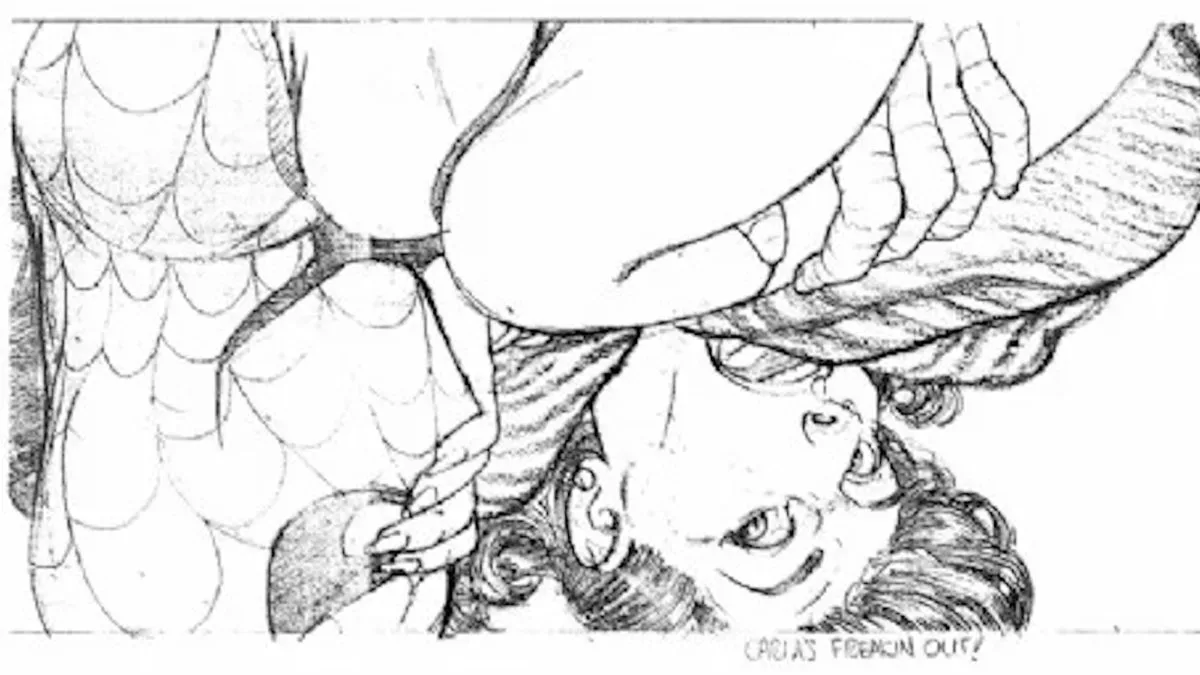
Collectors interested in another corner of pop-culture collecting can also explore restored pages from an unpublished Spider-Man graphic novel.