Sports-card collecting has always been a game of eras. One generation spends years chasing the athletes who defined its weekends; the next watches a new group turn potential into performance, then watches cards react at high speed. That shift is underway across basketball, football, soccer, Formula 1 and hockey, where young talents are increasingly commanding the kind of attention once reserved for the sport’s most established superstars.
The veteran icons have not vanished from the conversation. LeBron James, Stephen Curry, Tom Brady, Lionel Messi, Lewis Hamilton and Wayne Gretzky remain foundational names in their respective card markets. Their landmark careers, broad collector bases and historically important cards make them difficult benchmarks to displace. But modern collecting does not wait for a full career résumé before forming an opinion. A major playoff run, breakout season, record-setting performance or limited one-of-one card can rapidly move a rising athlete to the center of hobby discussion.
That pace comes with obvious volatility. Social media, round-the-clock sports coverage and an increasingly global collector community mean hype and achievement now travel together almost instantly. The better lesson is not that every young player will become an all-time great. It is that collectors are willing to place serious bets on the possibility much earlier than they once did.
Baseball has long operated this way through prospecting, making the generational handoff less clean there. Shohei Ohtani remains a huge force in that market, even as a deep pool of young baseball talent develops. The more striking movement is currently visible in the other major sports categories, where an emerging class is putting genuine pressure on the old guard’s market share.
Basketball’s next marquee chase
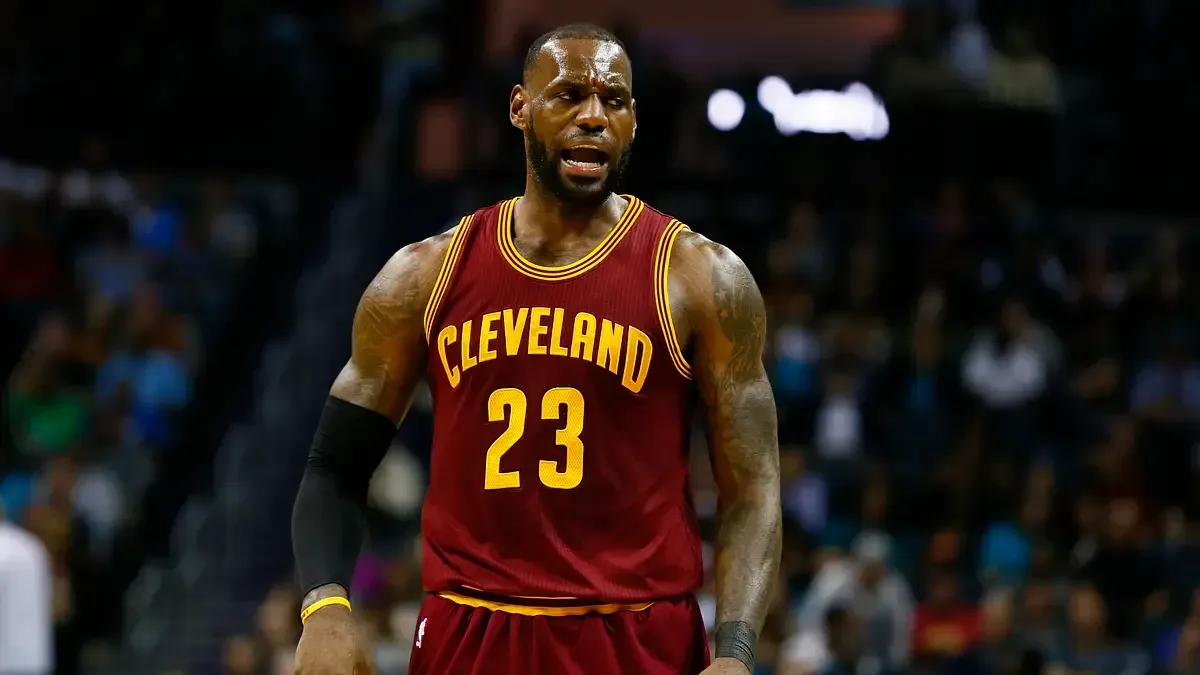
LeBron James and Stephen Curry have set a remarkably durable standard for modern basketball cards. For nearly two decades, their on-court accomplishments and cultural reach have supported a collector demand few players can match. Victor Wembanyama, however, is already producing evidence that he belongs in the rare air of athletes who can materially change a market.
Following a Finals appearance by San Antonio, even though the Spurs did not win the series, Wembanyama’s momentum was apparent. His 2023 Panini Prizm Black Prizm 1/1, graded PSA 10, sold for $5.11 million in the lead-up to the Finals. That result made him the eighth athlete to record a sports-card sale above $5 million. It is a startling threshold for a player so early in his career, and it shows that top-tier buyers see more than routine rookie-card appeal in his profile.
There is also a wider 2025 class worth tracking. Cooper Flagg, Kon Knueppel and Dylan Harper are each slated to have a 2025-26 Topps Chrome Update Rookie Debut Patch Auto included in the Fanatics Collect September Premier Auction, running September 10 through September 24. Expectations around all three cards are substantial, with the possibility of seven-figure results being discussed. Those outcomes are not guaranteed, of course, but the auction lineup illustrates how quickly the market can elevate a rookie crop when scarcity, patches and autographs converge.
Football keeps searching beyond Brady
Tom Brady’s place in football-card collecting is still enormous. Retirement has done little to erase the demand created by a career that reshaped the sport’s record books. Yet the present market has shown that there is room for a few active quarterbacks to break through the gravitational pull of Brady collectibles.
Related coverage includes Collectible Sports’ New Guard Is Challenging Established Card Icons.
Josh Allen and Patrick Mahomes are the two clearest exceptions. Allen has registered multiple million-dollar card sales this year, while Mahomes has continued to place cards among the year’s top sales and owns the all-time high sale in football cards. Their cases demonstrate an important distinction for collectors: the market can reward sustained elite performance in the present without treating a retired legend as irrelevant.
The next layer of quarterback speculation is already taking shape around Caleb Williams of the Chicago Bears and Drake Maye of the New England Patriots. Both have drawn increased interest. Fernando Mendoza of the Las Vegas Raiders could be another major name to watch as the NFL receives its first Debut Patch Autos this year. For collectors, the appeal is straightforward: early cards with a defined rookie connection, limited production and premium memorabilia elements have the ingredients for a major chase. The risk is equally straightforward: quarterback markets are especially tied to performance, team success and long-term durability.
Soccer’s old guard meets a global youth movement
Soccer may offer the clearest symbolic generational transition. Messi, Cristiano Ronaldo, Luka Modric and Kevin De Bruyne have represented an era of sustained global excellence. Messi in particular was the automatic centerpiece of countless product chases for much of the past decade.
In 2026, the market is seeing other athletes surpass Messi in certain areas of collector focus. Lamine Yamal is at the forefront, carrying the powerful narrative of another Barcelona academy product rising after a Messi-defined age. The well-known image connecting Messi and Yamal from Yamal’s infancy adds an unusual cultural thread to that story, but sustained performance is what makes the collecting interest meaningful.
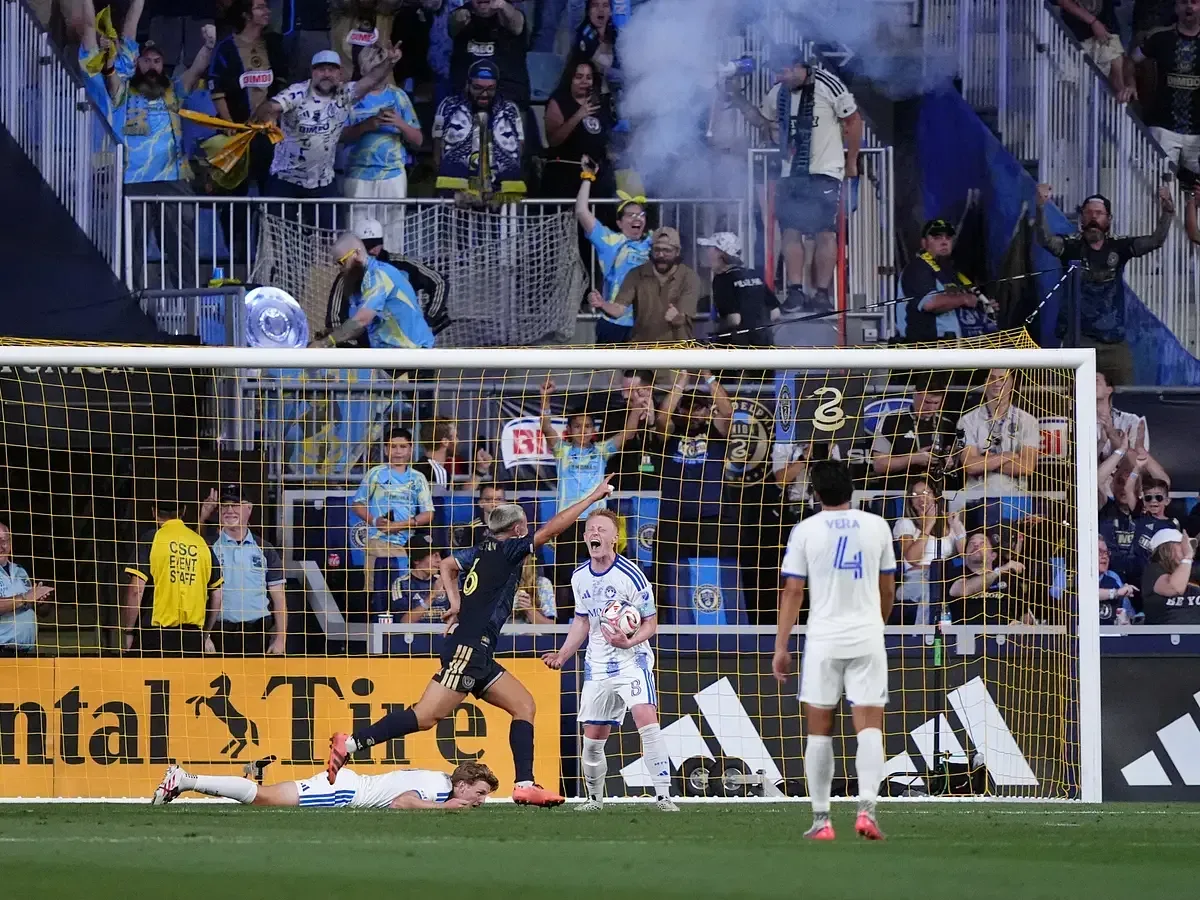
Yamal has been setting records while building a résumé that includes a Euro Championship and World Cup. Erling Haaland’s cards have regained momentum after an impressive World Cup, reinforcing his standing as one of the game’s most dominant scorers. Meanwhile, Max Dowman and Cavan Sullivan have each exceeded huge expectations at age 16. Dowman is establishing young-player records in the Premier League, while Sullivan has set records for both the highest MLS card sale and highest USMNT card sale.
Soccer collectors are dealing with a particularly international marketplace, which can magnify a player’s appeal across club, country and tournament narratives. That is a powerful setup for emerging stars, though it also makes it crucial to understand exactly what is being bought: a rookie designation, a first-year appearance, a rare parallel, a low serial number or a one-of-one can each carry very different significance.
Before committing to any high-dollar collectible, basic verification still matters. The same caution that applies to any item advertised from photographs applies across hobbies; these photo-checking principles for collectible listings are a useful reminder to inspect condition, images and seller details carefully rather than buying on excitement alone.
Antonelli’s F1 ascent is now a card-market story
Formula 1 has its own unusually direct succession narrative. Lewis Hamilton’s move from Mercedes to Ferrari opened a seat that Mercedes principal Toto Wolff wanted Kimi Antonelli to fill. The Italian driver inherited a position vacated by one of racing’s defining champions, permanently linking the two in collectors’ minds.
Antonelli’s second Formula 1 season has made that link more than a historical footnote. He leads the Drivers’ Championship by 66 points over Mercedes teammate George Russell, while Hamilton is third and trails Antonelli by 75 points. Results of that scale change how collectors view early cards: they are no longer solely buying into an acclaimed prospect but responding to a driver at the top of the championship picture.
Hamilton still owns Formula 1’s record sale, but Antonelli’s ceiling has already generated major talk. At The National in Chicago, the holder of a 2025 Topps Chrome Formula 1 Superfractor Auto 1/1 graded PSA 10 reportedly declined offers reaching $700,000. A declined offer is not the same thing as a completed sale, so it should not be treated as a formal market comp. Still, it signals the kind of value expectation surrounding Antonelli’s premier one-of-one cards.
Hockey finds a second seven-figure star
Hockey has often trailed the other Big Four sports in overall card-market scale, even with Gretzky standing as one of the hobby’s enduring giants. Alex Ovechkin and Sidney Crosby have helped set the modern standard behind him, but the category’s latest landmark belongs to Macklin Celebrini.
Celebrini’s 2024-25 Upper Deck Young Guns Outburst Gold 1/1 sold at auction last month for $1.2 million. The sale made him only the second hockey player ever to record a million-dollar card result. That is a major statement for both Celebrini and a hockey market that has been seeking evidence of broader high-end growth.
Conor Bedard, Matthew Schaeffer and potentially Gavin McKenna are also part of the collector conversation behind Celebrini. Their presence suggests the hockey market is not treating one sale as an isolated curiosity. Rather, buyers are watching a cluster of young talent capable of giving the category several distinct collecting lanes.
The enduring stars still anchor sports cards, and deservedly so. What has changed is the willingness of collectors to meet emerging greatness early, often through the rarest cards available. Across these sports, the new guard is not merely waiting for the legends to step aside. It is building a market of its own, one milestone sale, championship push and one-of-one card at a time.