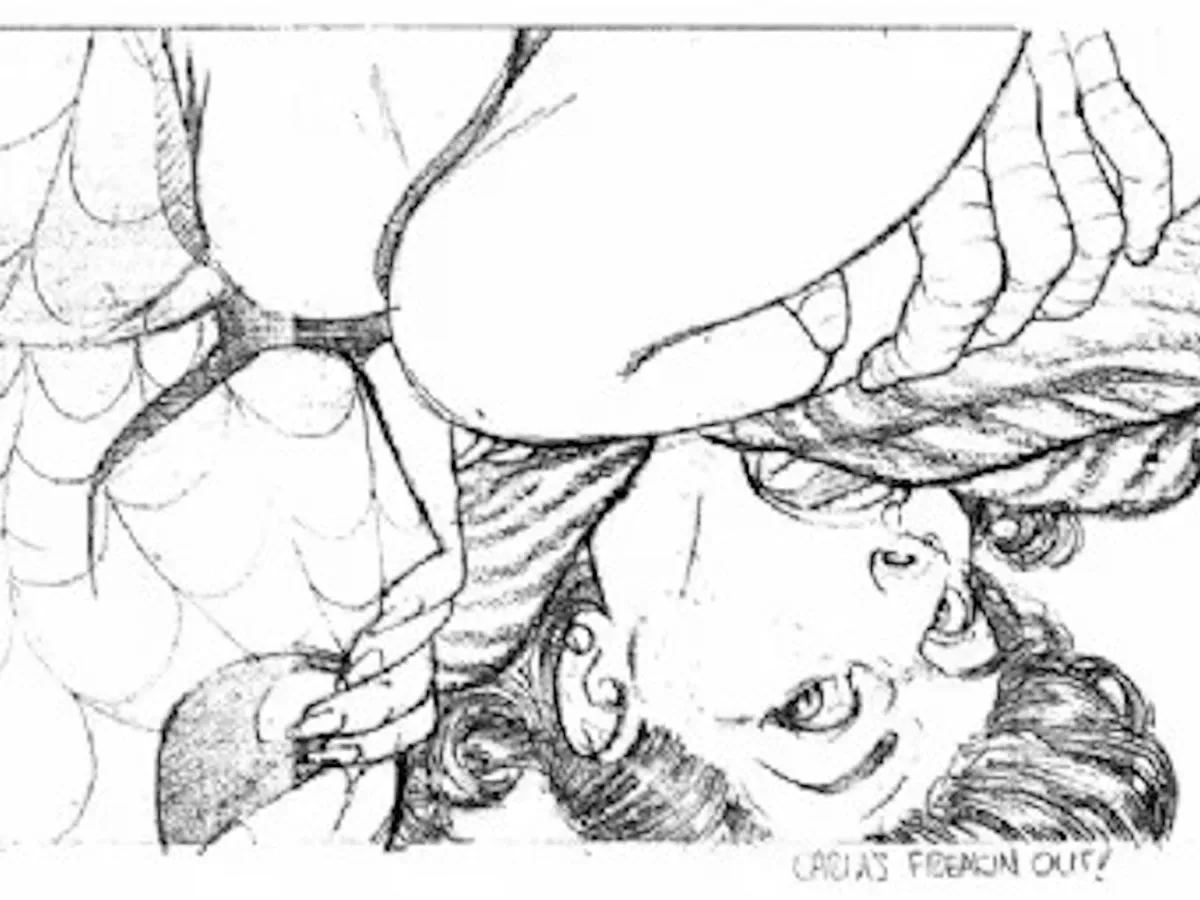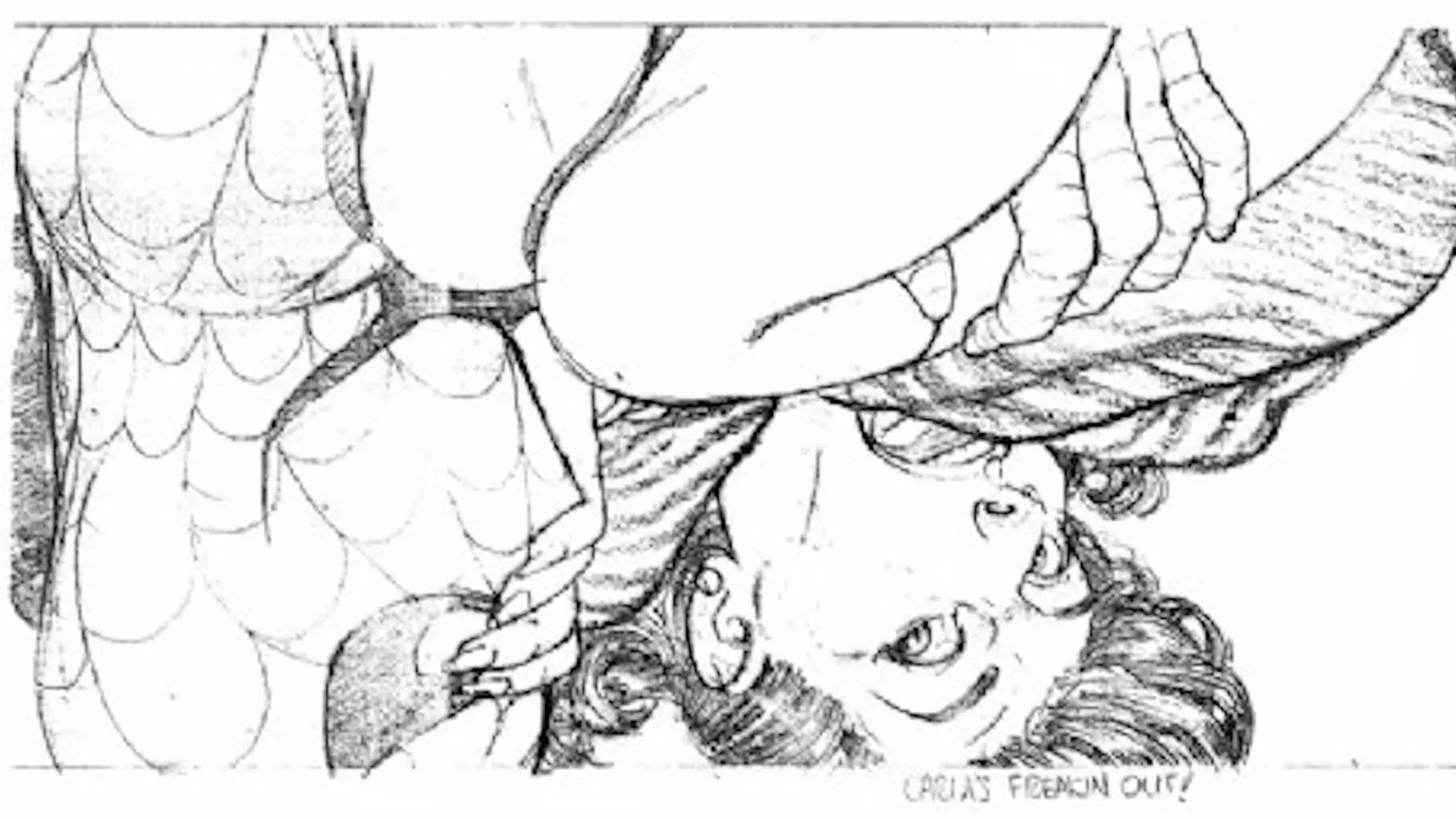
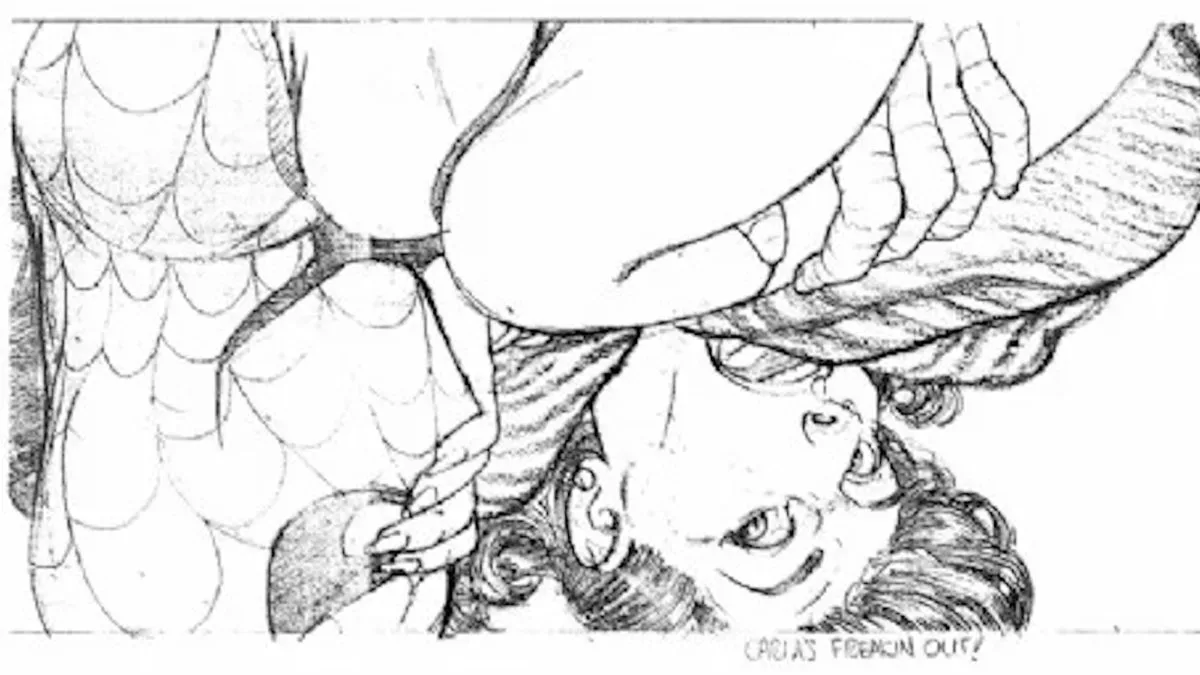
A previously unseen chapter of Spider-Man’s creative history has resurfaced in partial form. Bob Layton has shared restored copies of penciled pages from Gilded Cage, an unpublished Spider-Man graphic novel that he wrote, with Paul Smith on pencils and Barry Windsor-Smith intended to provide inks.
The material is incomplete, and that incompleteness is central to the story. Layton says he found copies of pages in storage, then worked to restore them from deteriorating Xerox reproductions that were several decades old. Some pages remain missing. What is available is therefore not a recovered finished graphic novel, nor proof that publication is imminent. It is a surviving glimpse at a project that entered production, generated more than 20 penciled pages, and then stopped before it could become the book its creative team envisioned.
A high-profile Spider-Man project that stalled
Layton describes Gilded Cage as a proposed, more adult Spider-Man story that received approval during Jim Shooter’s time as editor-in-chief. Its intended creative lineup was unusually notable: Layton writing, Smith drawing, and Barry Windsor-Smith scheduled to ink the pencils. Barry Windsor-Smith also supplied extensive story notes before production began, Layton says.
In comic-book production, those roles matter. The writer shapes the narrative and scene construction; the penciler turns that script into the layouts, figures, acting, environments and page-to-page visual storytelling; and the inker traditionally finishes those pencil drawings in ink, defining line weight, texture, shadow and reproduction-ready clarity. An inker can substantially affect a page’s mood and visual identity, especially on a project meant to carry a darker, more adult tone.
For more context, explore How to Tell Whether Your iPhone Number May Be Blocked — Without Crossing a Line.
That means the recovered work represents only one important stage of the proposed book. Smith’s pencils show the storytelling foundation, but they are not the completed Layton/Smith/Barry Windsor-Smith collaboration that was planned. The distinction is worth keeping in mind for readers examining the pages: surviving preliminary or penciled material can be artistically significant while still being separate from a finished published comic.
Layton says production moved slowly because the participating artists were in constant demand. Smith completed “twenty-some” penciled pages before being reassigned to other work. The project then remained in limbo.
The premise put Peter Parker under unusual pressure
Gilded Cage was built around a deliberately severe test of Spider-Man’s priorities. The proposed plot would have opened with Spider-Man interrupting an assassination attempt on Carla Del Veccio, the estranged wife of an exiled mob boss. At a key point in the conflict, he runs out of web fluid, is shot multiple times, and is left gravely injured.
Carla brings the wounded hero to a mob-connected doctor, who saves his life. Spider-Man then spends a prolonged recovery inside her fortified home. During that confinement and recovery, Peter Parker and Carla become romantically and sexually involved.
The setup is not simply a case of Spider-Man fighting organized crime. It places Peter inside the world he would normally confront from the outside, dependent on a woman tied to a mob family and emotionally compromised by his relationship with her. Later in the story, a hit is planned against Carla’s husband. Peter is reportedly reluctant to get involved because of his feelings for Carla, a choice that pushes him toward a harsher and more reckless version of Spider-Man.
Layton’s outline nevertheless points to an ending that returns Peter to his defining principle. Rather than choose a life with Carla, he recommits himself to responsibility. That resolution is significant because it suggests the story was meant to strain the character’s moral center without permanently abandoning it. The journey to that ending, however, was apparently dramatic enough to become the project’s key editorial problem.
Why the story was canceled
After Tom DeFalco became editor-in-chief, Layton says the project was canceled because its storyline was considered too life-altering for Spider-Man. Layton notes that DeFalco had previously edited the Spider-Man line and held strong views about the character’s direction.
This was not described as a dispute over the quality of Smith’s art or the stature of the people involved. Instead, the stated concern was continuity and character stewardship: whether a story of this kind altered Spider-Man too fundamentally, even if it ultimately reaffirmed Peter’s responsibility.
That concern gets to a familiar tension in superhero comics. A story can derive its power from placing an enduring character in an extreme, disruptive circumstance. Yet characters published across multiple titles also need a recognizable status quo for other stories, editors and creators. A romance with a mob boss’s estranged wife, a near-fatal injury, and Peter’s temporary reluctance to stop violence create a premise with consequences that would be difficult to treat as a self-contained detour.
In that light, the phrase “life-altering” does not necessarily mean the proposal lacked a way back. Layton’s account specifically says Peter chose responsibility in the end. It means the emotional experience, behavior and potential continuity fallout may have seemed too far-reaching for the version of Spider-Man then being managed editorially.
Layton says the creative team was paid for the work completed when the project was canceled.
That detail matters. The surviving pages are not merely rough pitch art from a concept that never reached a production stage. Layton says work had begun, Paul Smith had penciled a substantial batch of pages, and the contributors were compensated after the cancellation. It was a stopped project with real creative labor behind it.
What the restored pages can—and cannot—tell readers
Layton’s recovery effort offers a tangible record of an unrealized Spider-Man direction, but the limitations are just as important as the discovery. The images were restored from aging photocopies rather than described as the original penciled boards. Layton says missing pages may yet be recovered during a future visit to the United States.
For comic readers and art historians, that leaves several questions open. The known material may clarify how Smith handled the action, physical vulnerability and noir-leaning criminal setting of the early sequences. It cannot provide the full reading experience of a completed graphic novel, because the story was not finished, its planned inks were not completed, and some existing page copies are still absent.
It also means that specific visual conclusions should be restrained. Reproductions made from old Xeroxes may not preserve every pencil nuance, and an incomplete run of pages cannot reveal the total rhythm of the narrative. The material is valuable as evidence of what the creators got on paper, not as a substitute for the book that never reached publication.
An unreleased collaboration with a larger unanswered question
Gilded Cage is not the only unrealized Layton project connected to Barry Windsor-Smith. Layton also referred to a proposed Hercules miniseries that he would write and pencil, with Barry Windsor-Smith set to ink it. No pages from that project were identified alongside the Gilded Cage material.
For now, the Spider-Man pages are the more concrete discovery: restored copies from a shelved graphic novel, revealing a serious attempt to make Peter Parker’s choices feel unusually intimate and dangerous. Their significance lies in the combination of the personnel, the abandoned premise and the fact that at least part of the production work survived long enough to be seen.
The project remains an unpublished one, with gaps in both its story material and its archival record. But the pages make the alternate path easier to imagine: a wounded Spider-Man isolated in a criminal stronghold, tempted by an escape from his obligations, and forced back toward the responsibility that defines him.